婉 (wǎn) — Gentle · Tactful · Graceful in the Turn
A single character.
婉 (wǎn) is a claim about route rather than content. 温 (wēn) describes what a person is like to be near; 谦 (qiān) describes someone placing themselves lower than they could; 雅 (yǎ) measures form against a standard. 婉 measures a thing against the blunter version that was available and not taken. That is why its defining use in the 《左传》 is not about temperament at all but about historiography: 婉而成章, indirect yet fully formed. The softness is entirely in the approach. Nothing has been softened about the substance. See 温 → · See 谦 → · See 雅 →
In daily Chinese it does four jobs, and they turn out to be the same job. 温婉 is the compliment for a whole bearing — mild all the way through, not mild on one occasion. 婉转 is the oriole’s song and also the sentence that circles before it lands. 婉言谢绝 is the formal decline, the no that never has to be forgiven, which is why it appears in almost every written Chinese refusal. And 婉约 is the name of an entire school of Song 词 — 李清照, 秦观, 柳永 — built on the position that feeling put obliquely, through rain and lamplight and an unswept courtyard, carries further than feeling announced. Four registers, one method: take the curve, arrive anyway.
A hand-brushed “婉” by Artist Lina Sun goes to the person in your life whose judgment about how is better than everyone else’s. The wife who has spent years saying hard things in forms you could actually hear. The mother whose corrections arrived as questions. The friend who tells you the truth and somehow leaves you able to use it. There is one thing 婉 does that 温 and 雅 cannot: it credits a decision rather than a disposition. Warmth and taste are things a person simply has. Taking the curve is something they chose, every time — and it goes unthanked precisely because it worked.
- gentle in manner rather than in substance
- tactful — putting a thing the long way round
- supple, winding, melodious
- restrained where a direct statement was available
- the curve that still arrives
- submissive The 《说文解字》 gloss 顺 has been read that way, and the character carries that history honestly. But the use that fixed the word is 婉而成章 — judgment delivered by arrangement rather than by accusation. Nothing about that is yielding. The softness is in the approach, never in the verdict.
- shy 羞涩 is a reluctance to speak at all. 婉 has already settled what it means; only the delivery is soft. One is an obstacle to saying the thing, the other is a technique for saying it.
- vague 含糊 leaves the listener unsure what was meant, which is the exact failure 婉而成章 rules out. 成章 means fully formed — unmistakable in substance, indirect only in route.
- elegant That is 雅, and it is judged against a standard: correct form, good taste, the well-made thing. 婉 is judged against how else the same thing could have been done.
The short arms are the point: these readings don’t reach it.
- 女 meaningThe 女 radical heads one of the largest sections of the 《说文解字》, and it is a section with a visible bias: alongside kinship terms (妹, 姑, 婚) it collects judgments about bearing and appearance — 好, 媚, 娴, 姿, 媛. 婉 sits there, glossed 顺也. The character's history is not separable from that, and the fairest thing to say is that its classical use outgrew its filing.
- 宛 sound — and, in practice, the picture宛 (wǎn) is present as the phonetic, and 许慎 asks nothing more of it than the sound. But it is one of the rare phonetics that happens to describe what its character does. 《说文解字》 glosses 宛 as 屈草自覆也 — bent grass covering itself — from 宀, a roof, over 夗, turning where one lies. The same curve runs through 碗 (a bowl), 腕 (the wrist, the joint that turns) and 蜿 (winding), and every sense 婉 developed follows it.
character
- 温婉 wēn wǎn gentle and mild — said of a person's whole bearing, not a single act
- 委婉 wěi wǎn tactful, indirect — of how something was put, especially a refusal
- 婉转 wǎn zhuǎn winding, melodious — of a bird's song, or a sentence that takes the long way
- 婉约 wǎn yuē restrained and suggestive — names the dominant school of Song 词
- 婉言谢绝 wǎn yán xiè jué to decline in soft words — the refusal that leaves no mark
The Story Behind the Character
In 544 BCE a Wu prince named 季札 sat through a full performance of the states' songs at the Lu court and delivered a verdict on each government by way of its music. Most of what he said is proverbial now. For the songs of Wèi 魏 he produced seven characters — 大而婉,险而易行, grand yet 婉, steep yet easy to walk — and six and a half centuries later, choosing one line out of everything available to him, 许慎 lifted the first three of them into the 《说文解字》 (Shuowen Jiezi, c. 100 CE) — 《春秋传》曰「大而婉」 — as his one example of the word in use. Nothing in the compliment is soft. 季札 is naming a way of covering hard ground without strain.
The picture underneath the word is a stalk of grass bent down until the tip touches the ground and it covers itself: a closed curve, no break in the fiber. That is 宛, which the same dictionary defines in five characters — 屈草自覆也 — built from a roof 宀 over 夗, glossed 转卧也, turning where one lies. Write 女 beside that curve and you have 婉, which 许慎 disposes of in a single word: 顺. The gloss has been translated as compliant, and the character's early life does sit inside a vocabulary of judgments about women. 季札's usage was already somewhere else.
That same book — the 《左传》, which 许慎 cites as 《春秋传》 — makes the other reading explicit in its entry for 577 BCE. Summarizing how the 《春秋》 annals pass judgment — the record convicting a ruler without ever naming the charge — it lists 婉而成章, indirect yet fully formed. That phrase turned 婉 into a word about method, and everything modern Chinese does with it follows from there: 委婉 for a point made the long way round, 婉言谢绝 for a refusal that costs the other person nothing, 婉转 for a sentence or a bird's song that arrives by a curve, 婉约 for the school of Song poetry that will not say the thing outright. All four are about delivery. None of them is about what is being delivered.
Classical lines
- roughly 150 years
- c. 700 BCE 《诗经·郑风·野有蔓草》
- 577 BCE 《左传·成公十四年》
- 544 BCE 《左传·襄公二十九年》
有美一人,清扬婉兮。 There is a lovely person here
clear of brow, and 婉. — One of its oldest surviving uses is a face met by accident in a wet field at dawn. 清扬 is the brow and the eyes, the part of a face that moves; 婉 is how it moves. What the word is doing here is naming manner rather than features.
《春秋》之称,微而显,志而晦,婉而成章。 The Annals' manner: slight yet plain, recorded yet veiled, indirect yet fully formed.
A description of how the 《春秋》 was thought to pass judgment: never naming the offense, but arranging the record so that no reader could miss it. 婉而成章 is the line that made 婉 a word about method rather than temperament. The curve is not evasion; it is the route that still arrives.
美哉,沨沨乎!大而婉,险而易行。 Beautiful
how it swells! Grand, yet 婉; steep, yet easy to walk. — 季札 of Wu, working state by state through a performance of the songs at the Lu court and judging each government by its music. This is the line 许慎 chose to illustrate 婉 in the 《说文解字》, and it sets the character's paradox in seven characters: scale without force, difficulty without strain.
Why This Character Matters
In 1536 the Ming scholar 张綖 divided the whole tradition of 词 into two camps in a single sentence — 一体婉约,一体豪放 — and Chinese literary syllabi have run on that split ever since. 豪放 is the expansive mode, 苏轼 on a riverbank addressing the whole of history. 婉约 is the other one: interiors, weather, a lamp, a sleeve, feeling that is never stated and never in doubt. 柳永, 秦观 and above all 李清照 are read as its masters, and 李清照 remains the most widely memorized woman writer in the language. What the label did was promote 婉 from a manner of speaking to an argument about art — that what is approached indirectly lands harder than what is announced. It is the largest single reason this character carries prestige and not merely politeness.
Modern usage has since picked up a register the classical word did not have. 婉言谢绝 is the standard phrase for a polite refusal, 婉拒 is how an invitation gets turned down in writing, and 说得婉转一点 is what a manager says before bad news goes out. None of that is negative, but it does mean the character now lives partly in the vocabulary of things handled carefully, and a Chinese reader hears that register alongside the poetry. Worth knowing too: 婉 is among the most common characters in women's given names — 婉如, 婉婷, 婉清, 婉莹 — and 宛 (wǎn), the same syllable at the same tone and the same character without its 女, is used in names too, and gets substituted for it in design files often enough to check. Hung on its own, then, a single 婉 asks a reader to choose between a quality, a name, and a near-twin. A card, a name, or the phrase you actually have in mind (温婉, 婉约) settles all three at once.
A few characters live near "婉" but mean something quieter, sharper, or more specific. Here's how to tell them apart.
the softness of the route — how a thing is put
the warmth of the person — what they are like to be near
bending the path so that it still arrives
lowering yourself so that the other person stands higher
manner — the softer of the two ways the same thing could have been said
form, measured against a standard of what is correct and well-made
温婉 is the compliment Chinese pays to a whole bearing rather than to a single act, and it is the one most often meant about a mother and least often said to her.
- 温婉 is the compliment Chinese pays to a whole bearing rather than to a single act, and it is the one most often meant about a mother and least often said to her. What it credits is not patience and not sweetness — it is the habit of putting hard things in a form the other person can actually receive. Every household keeps a record of this: the correction that arrived as a question, the disappointment delivered as a change of subject, the advice that came disguised as a story about somebody else. Mother's Day cards in English tend to thank a mother for what she did. 婉 thanks her for how it reached you, which is the part most people only work out years later.
- Chinese love poetry has an entire school built on this character — 婉约, the restrained mode of Song 词, where nothing is stated outright and the feeling arrives by way of rain on a window or a lamp burning low. 婉 is the aesthetic argument underneath it: that the indirect route carries more than the frontal one. As a Valentine's gift that makes it an unusually specific compliment. It does not say the recipient is beautiful or beloved, which is what most of February already says. It says that the way they put things is the thing you love — a claim about years of small exchanges rather than about one day.
- 婉 names a quality nobody gets congratulated for, because its whole method is to not be noticed working. The friend who told you the truth in a form that left you able to hear it, who turned something down without either of you having to mention it again, who has spent a decade taking the long way round so that nothing ever had to be said bluntly — none of that survives into a toast. A birthday is the one occasion where naming a person's manner instead of their achievements is not strange. Where 温 (wēn) would credit her warmth and 雅 (yǎ) her taste, 婉 credits her judgment about approach, which is the rarest of the three and the least likely to have been thanked.
Wife · Mom · Best Friend · or yourself
Looking for a name? See Western names written in Chinese →
-
What does 婉 (wǎn) mean?
婉 (wǎn) is the Chinese character for gentle, tactful, graceful in the turn. 婉 (wǎn) is a claim about route rather than content. 温 (wēn) describes what a person is like to be near; 谦 (qiān) describes someone placing themselves lower than they could; 雅 (yǎ) measures form against a standard. 婉 measures a thing against the blunter version that was available and not taken. That is why its defining use in the 《左传》 is not about temperament at all but about historiography: 婉而成章, indirect yet fully formed. The softness is entirely in the approach. Nothing has been softened about the substance. See 温 → · See 谦 → · See 雅 → In 1536 the Ming scholar 张綖 divided the whole tradition of 词 into two camps in a single sentence — 一体婉约,一体豪放 — and Chinese literary syllabi have run on that split ever since. 豪放 is the expansive mode, 苏轼 on a riverbank addressing the whole of history. 婉约 is the other one: interiors, weather, a lamp, a sleeve, feeling that is never stated and never in doubt. 柳永, 秦观 and above all 李清照 are read as its masters, and 李清照 remains the most widely memorized woman writer in the language. What the label did was promote 婉 from a manner of speaking to an argument about art — that what is approached indirectly lands harder than what is announced. It is the largest single reason this character carries prestige and not merely politeness.
-
What occasions is 婉 given for?
婉 is traditionally given for Mother's Day, Valentine's Day, Birthday. 温婉 is the compliment Chinese pays to a whole bearing rather than to a single act, and it is the one most often meant about a mother and least often said to her. What it credits is not patience and not sweetness — it is the habit of putting hard things in a form the other person can actually receive. Every household keeps a record of this: the correction that arrived as a question, the disappointment delivered as a change of subject, the advice that came disguised as a story about somebody else. Mother's Day cards in English tend to thank a mother for what she did. 婉 thanks her for how it reached you, which is the part most people only work out years later. Chinese love poetry has an entire school built on this character — 婉约, the restrained mode of Song 词, where nothing is stated outright and the feeling arrives by way of rain on a window or a lamp burning low. 婉 is the aesthetic argument underneath it: that the indirect route carries more than the frontal one. As a Valentine's gift that makes it an unusually specific compliment. It does not say the recipient is beautiful or beloved, which is what most of February already says. It says that the way they put things is the thing you love — a claim about years of small exchanges rather than about one day.
-
Who brushes the 婉 calligraphy?
Each 婉 (Wǎn) is hand-brushed to order by Artist Lina Sun in ink on rice paper — never printed, never repeated.
Bring 婉 home — choose how you'd like it brushed.
-
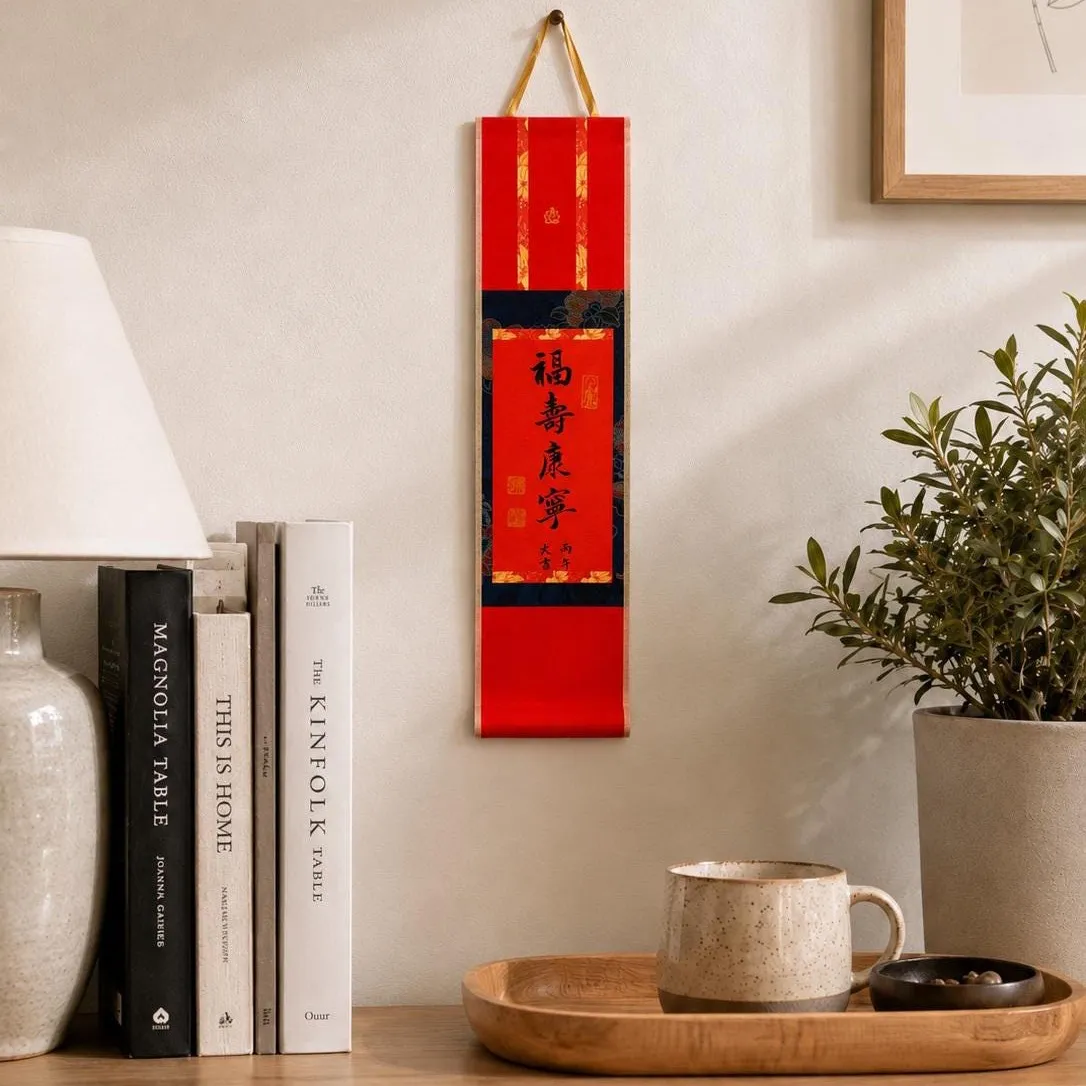
Photo shows a sample — yours will be brushed with 婉, or any character you choose.
Wall Scroll — for walls & housewarmingsfrom $38→ -
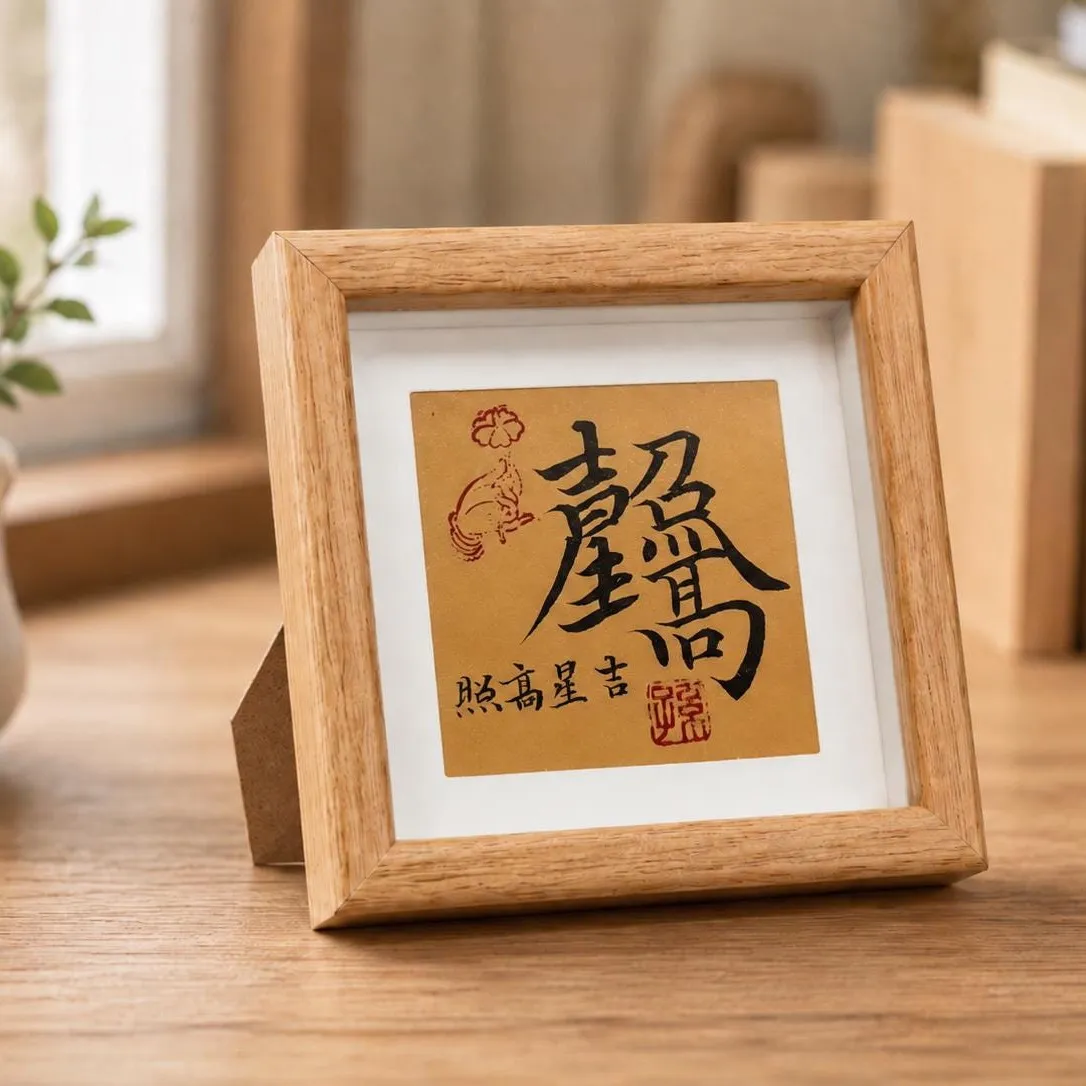
Photo shows a sample — yours will be brushed with 婉, or any character you choose.
Desk Frame — for desks, studies & studiosfrom $44→ -
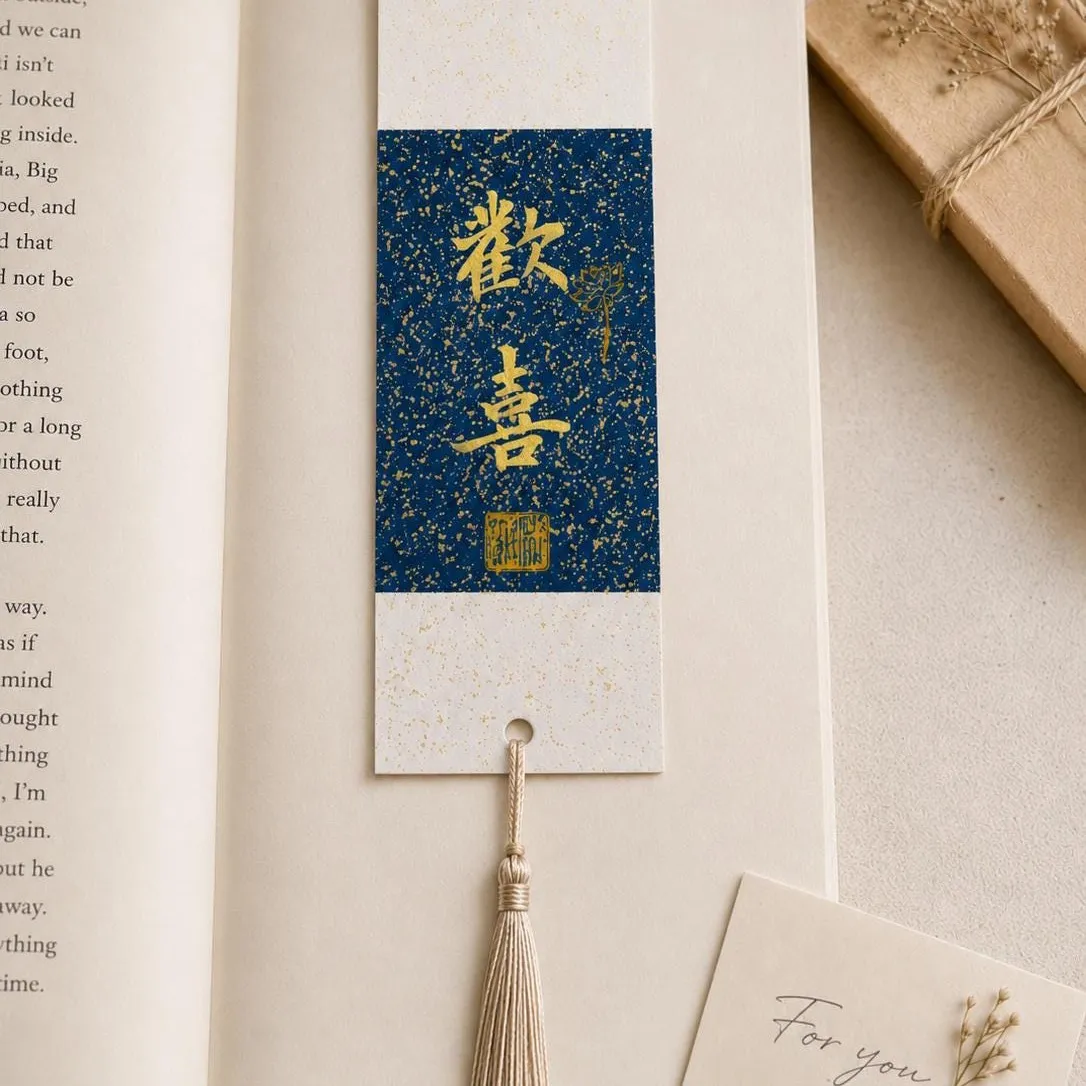
Photo shows a sample — yours will be brushed with 婉, or any character you choose.
Bookmark — for readers & small thank-yousfrom $17→

What people said after it arrived.
-
The item is fantastic. The customer service was genuine. Thanks!
— M.Verified purchase · from our Etsy shop reviews · -
They were great they gave me exactly what I asked for and then some. Thank you!!
— G.Verified purchase · from our Etsy shop reviews · -
It is well designed and customized. My daughter loves it. Amazing gift for family’s d friends
— S.Verified purchase · from our Etsy shop reviews ·
Each "婉" is hand-brushed by Artist Lina Sun on rice paper.
See 婉 (Wǎn) on Etsy →