雅 (yǎ) — Elegance · Refinement · Grace
A single character.
Around the third century BCE, Chinese scholars gave their first great dictionary a name that doubled as an aspiration: 《尔雅》, “approaching the refined.” For nearly two thousand years it was the book you consulted to read the classics correctly — and its title quietly argued that 雅 is not a status you inherit but a direction you move toward, slowly, by getting things right. That is what the character names: the cultivated sensibility of someone who has developed, through years of attention, their own way of knowing how things should be. Not ornate, not showy — the quality that restraint produces when it has been sustained long enough to become second nature.
The 雅 aesthetic runs through Chinese cultural life under different names. A tea ceremony conducted in exactly the right proportions is called 雅; a painting that uses empty space more deliberately than brushwork is 雅. The 雅 poet knows when to stop. 刘禹锡 wrote one of the most famous statements of this aesthetic from an official residence so small it had no room for furniture: the room was humble, he wrote, but the virtue inside it was fragrant. 雅 does not require the right surroundings — it requires the right person.
A hand-brushed 雅 by FuBlessings is the gift for someone whose particular quality of taste you have been observing for a long time — the mother who made something refined out of ordinary circumstances, the friend whose eye you have learned to trust, the wife whose way of seeing has become a standard in your own life. It is one of the more specific recognitions in the catalog: you have to actually know someone to give it honestly.
- refinement
- cultivated grace
- elegance of taste and manner
- an internalized sense of how things should be done
- beautiful Beauty can be a surface or an accident. 雅 is cultivated — the result of years of attention, not a quality you simply have.
- fancy Almost the opposite. Fancy is ornate and shows off; 雅 is what restraint produces. A plain room can be 雅; an ornate one often is not.
- polite Politeness is following the rules of conduct. 雅 runs deeper — a standard so internalized it shapes one's whole way of seeing and choosing.
The short arms are the point: these readings don’t reach it.
- 牙 tusk / tooth (phonetic)Tusk or tooth — originally a picture of interlocking teeth. Here it supplies the sound (yá) rather than the meaning, the phonetic half of the character.
- 隹 short-tailed birdThe radical for a short-tailed bird. China's first dictionary glossed 雅 as a particular crow, named for its distinct, recognized call — and that clear, precise call became the seed of the human meaning: being distinctly, correctly oneself.
character
- 优雅 yōu yǎ elegant and graceful — the most common modern word for refined bearing
- 雅致 yǎ zhì tasteful and refined — said of a thing made with cultivated care
- 文雅 wén yǎ cultured and refined — refinement of speech and manner
- 雅量 yǎ liàng a generous, gracious capacity — the breadth to take things in stride
The Story Behind the Character
The Classic of Poetry (《诗经》) is divided into three sections: 风 (folk songs from fifteen states), 雅 (court odes), and 颂 (temple hymns). The 雅 odes were the literary standard of the Zhou court — the poems considered correct, the model against which other writing was measured. When scholars wanted to give the highest praise to a piece of writing, they called it 雅: it met the standard the court odes had set.
The character itself pictures a 隹 (short-tailed bird) alongside 牙 (tusk or tooth). China's first dictionary (说文解字, c. 100 CE) defined 雅 as 楚乌 — "the crow of Chu," a bird associated with a distinctive call. In early Chinese phonetics, 雅言 (refined speech) came to mean the court pronunciation — the standard form that educated people used across the country regardless of their home dialect. Correctness of expression became refinement; the bird's clear, recognized call became the human quality of being distinctly, precisely oneself.
By the Tang dynasty, 雅 had separated entirely from birds and court odes and become the name for a cultivated sensibility — the quality a person develops through sustained attention to how things should be done. China's oldest semantic dictionary, 《尔雅》(Approaching Elegance, c. 300 BCE), takes its name from this aspiration: 尔 (approach) + 雅 (the refined standard). The dictionary exists to bring readers closer to what the cultivated person has already internalized. That name — approaching elegance — captures exactly what the character names: not a status you inherit, but a quality you move toward through practice.
Classical lines
- roughly 1,300 years
- c. 500 BCE 《论语·述而》
- c. 820 CE 刘禹锡《陋室铭》
One further source is quoted below without a date printed, so it stays off the rail.
子所雅言,《诗》《书》、执礼,皆雅言也。 What Confucius always expressed in refined speech: the Odes, the Documents, and the observance of ritual
in these, he always used the refined form. — Confucius reserved 雅言 (refined speech) for the three highest engagements: poetry, history, and ritual. 雅 was not decoration. It was the register appropriate to serious things, and the distinction mattered.
雅者,正也。言王政之所由废兴也。 Yǎ means 'the correct.' It speaks of the conditions by which governance rises and falls.
The editors of the Classic of Poetry named one of its three sections 雅 to signal these were the standard poems. The character carried the weight of correctness before it carried the weight of beauty. Refinement, in Chinese classical thought, began with getting things right.
斯是陋室,惟吾德馨。苔痕上阶绿,草色入帘青。谈笑有鸿儒,往来无白丁。 This room is humble, yet the fragrance of virtue fills it. Moss greens the steps; grass-color touches the screen. Conversations here are with scholars; no uncultivated person visits.
Liu Yuxi wrote this in response to being assigned cramped quarters in what he considered political exile. His poem became one of the defining statements of the 雅 aesthetic: that refinement belongs to the person's character, not to their surroundings. The room is simple; the life inside it is not.
Why This Character Matters
《尔雅》— China's oldest surviving semantic dictionary, compiled around the third century BCE — takes its name from 雅: approaching the refined standard. It was used for nearly two thousand years as the foundational text for understanding classical Chinese, cited in scholarly commentary from the Han dynasty through the Qing. The title itself is an argument: elegance is not a fixed point but a direction, and the tools to move toward it can be written down and shared.
In Chinese aesthetics, 雅 stands opposite 俗 (sú, common, vulgar, popular). The contrast is not between rich and poor — a simple room, a plain meal, an ink painting with more white than ink can all be 雅. What distinguishes 雅 from 俗 is whether the person behind it has internalized a standard — whether the choices reflect sustained attention to how things should be done. This is why 雅 is a recognition gift rather than a wish: you can only give it honestly when you have personally observed the quality it names.
A few characters live near "雅" but mean something quieter, sharper, or more specific. Here's how to tell them apart.
refinement that has been cultivated — a developed way of seeing
beauty itself — the quality of being lovely, however it arose
an internalized standard of taste, shown in how things are done
an internalized standard of conduct — moral character
the cultivated grace that restraint produces
the inner stillness and calm beneath it
雅 on a birthday names a quality that takes years to become specific — the cultivated sensibility of someone who has developed her own way of seeing and choosing.
- 雅 on a birthday names a quality that takes years to become specific — the cultivated sensibility of someone who has developed her own way of seeing and choosing. It is recognition rather than wish: the years have produced something particular, and this is the character that names it. Most appropriate when the recipient's quality of taste and manner is genuinely distinctive and has been personally observed over time.
- For the mother who brought a particular quality to the household you grew up in — not beauty in the abstract, but the cultivated kind: the choices made over years in how she kept her space, received guests, and pursued what mattered. 雅 is more specific than 美 and more personal than 德. It names what her sustained attention produced.
雅 is one of the characters we use to write Western names in Chinese. See it at work:
-
What does 雅 (yǎ) mean?
雅 (yǎ) is the Chinese character for elegance, refinement, grace. Around the third century BCE, Chinese scholars gave their first great dictionary a name that doubled as an aspiration: 《尔雅》, "approaching the refined." For nearly two thousand years it was the book you consulted to read the classics correctly — and its title quietly argued that 雅 is not a status you inherit but a direction you move toward, slowly, by getting things right. That is what the character names: the cultivated sensibility of someone who has developed, through years of attention, their own way of knowing how things should be. Not ornate, not showy — the quality that restraint produces when it has been sustained long enough to become second nature. 《尔雅》— China's oldest surviving semantic dictionary, compiled around the third century BCE — takes its name from 雅: approaching the refined standard. It was used for nearly two thousand years as the foundational text for understanding classical Chinese, cited in scholarly commentary from the Han dynasty through the Qing. The title itself is an argument: elegance is not a fixed point but a direction, and the tools to move toward it can be written down and shared.
-
What occasions is 雅 given for?
雅 is traditionally given for Birthday, Mother's Day. 雅 on a birthday names a quality that takes years to become specific — the cultivated sensibility of someone who has developed her own way of seeing and choosing. It is recognition rather than wish: the years have produced something particular, and this is the character that names it. Most appropriate when the recipient's quality of taste and manner is genuinely distinctive and has been personally observed over time. For the mother who brought a particular quality to the household you grew up in — not beauty in the abstract, but the cultivated kind: the choices made over years in how she kept her space, received guests, and pursued what mattered. 雅 is more specific than 美 and more personal than 德. It names what her sustained attention produced.
-
Who brushes the 雅 calligraphy?
FuBlessings hand-brushes each 雅 (Yǎ) to order, in ink on rice paper — never printed, never repeated.
Bring 雅 home — choose how you'd like it brushed.
-
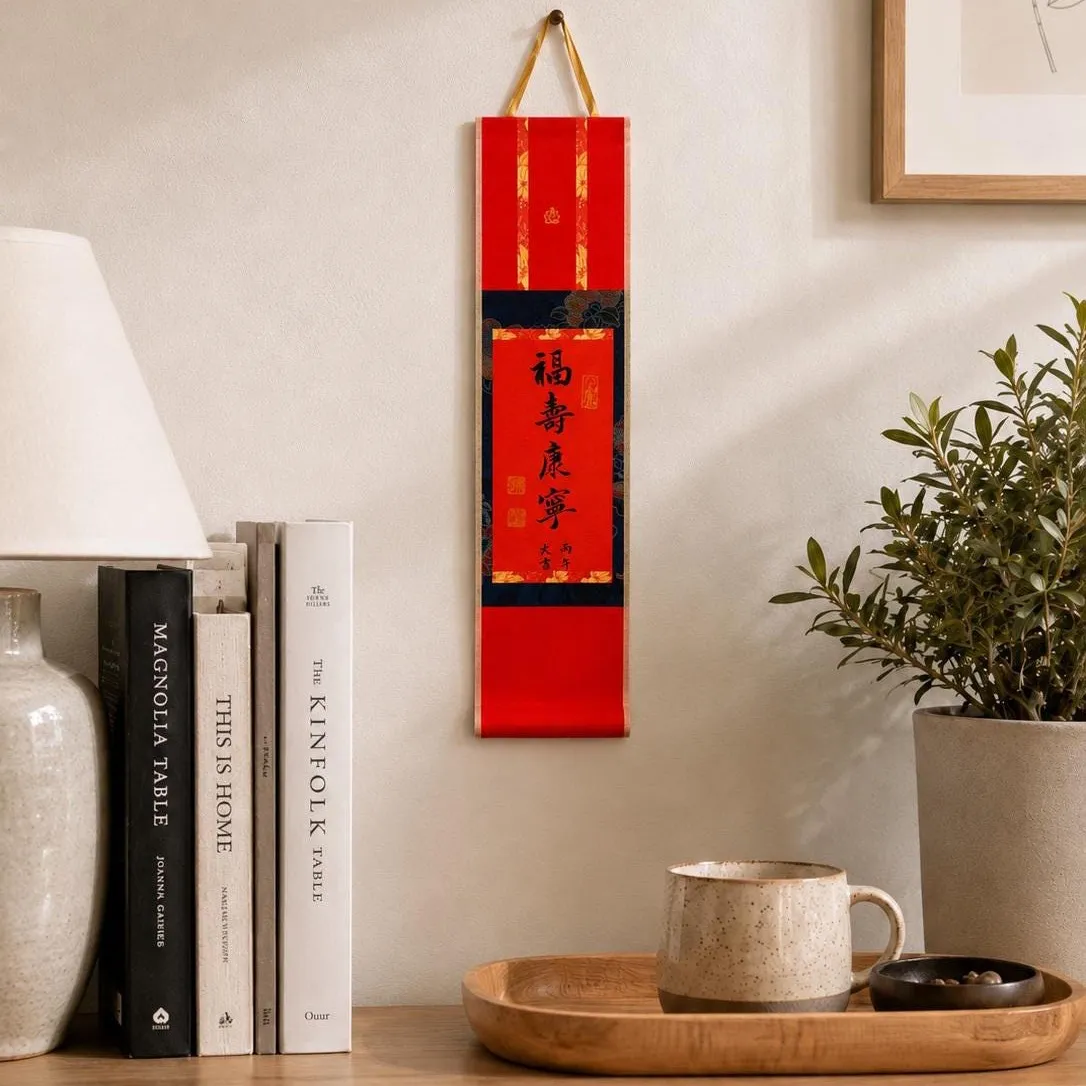
Photo shows a sample — yours will be brushed with 雅, or any character you choose.
Wall Scroll — for walls & housewarmingsfrom $38→ -
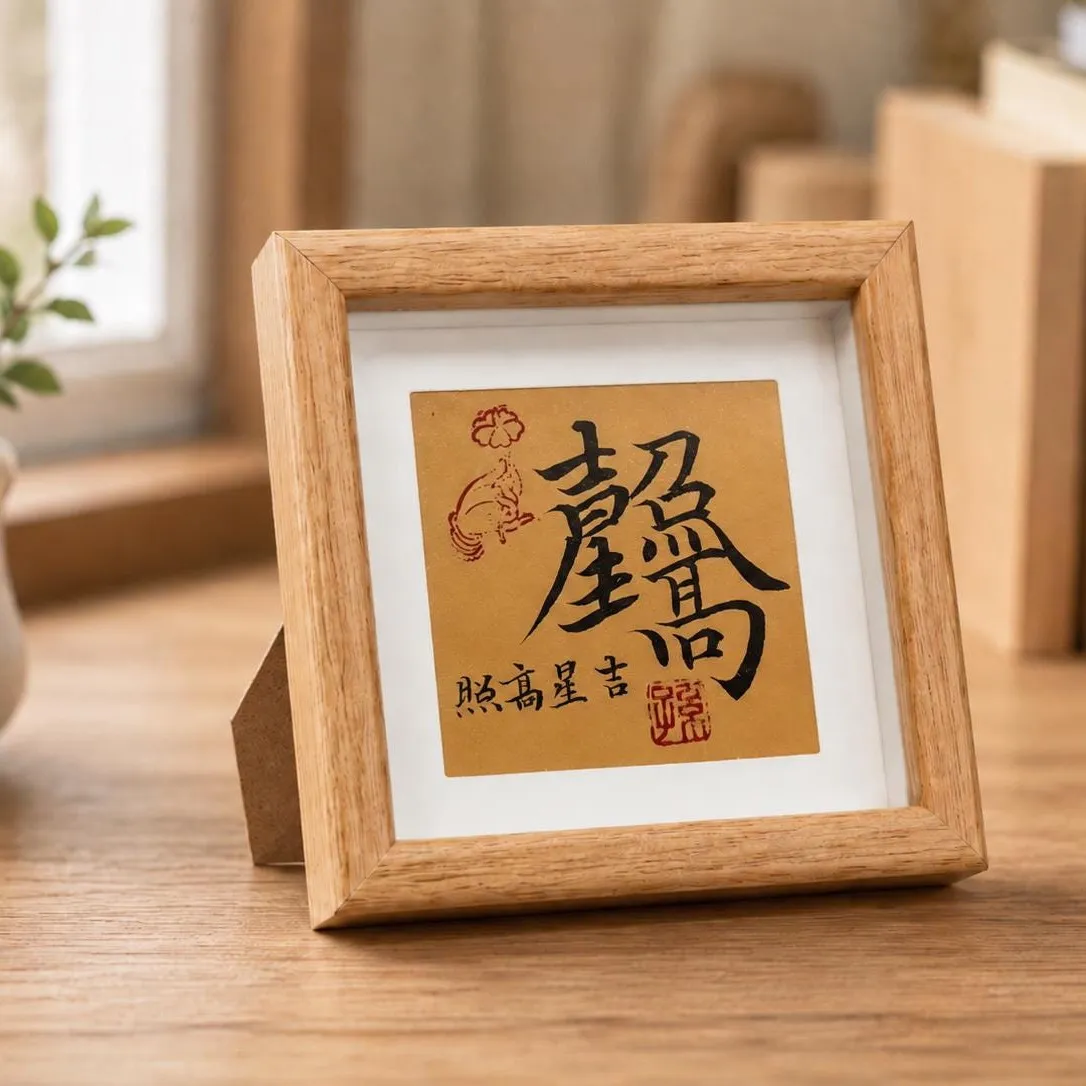
Photo shows a sample — yours will be brushed with 雅, or any character you choose.
Desk Frame — for desks, studies & studiosfrom $44→ -
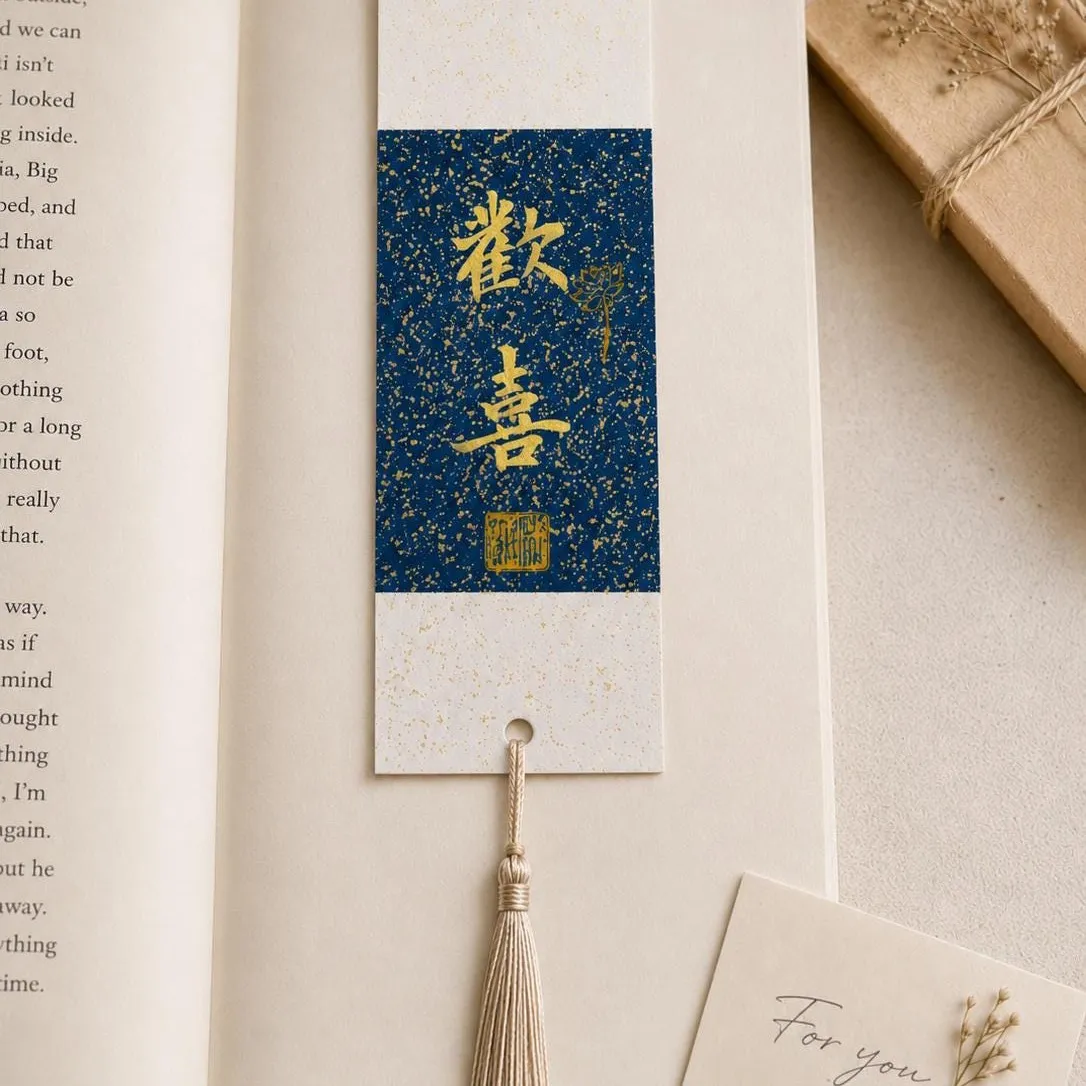
Photo shows a sample — yours will be brushed with 雅, or any character you choose.
Bookmark — for readers & small thank-yousfrom $14→
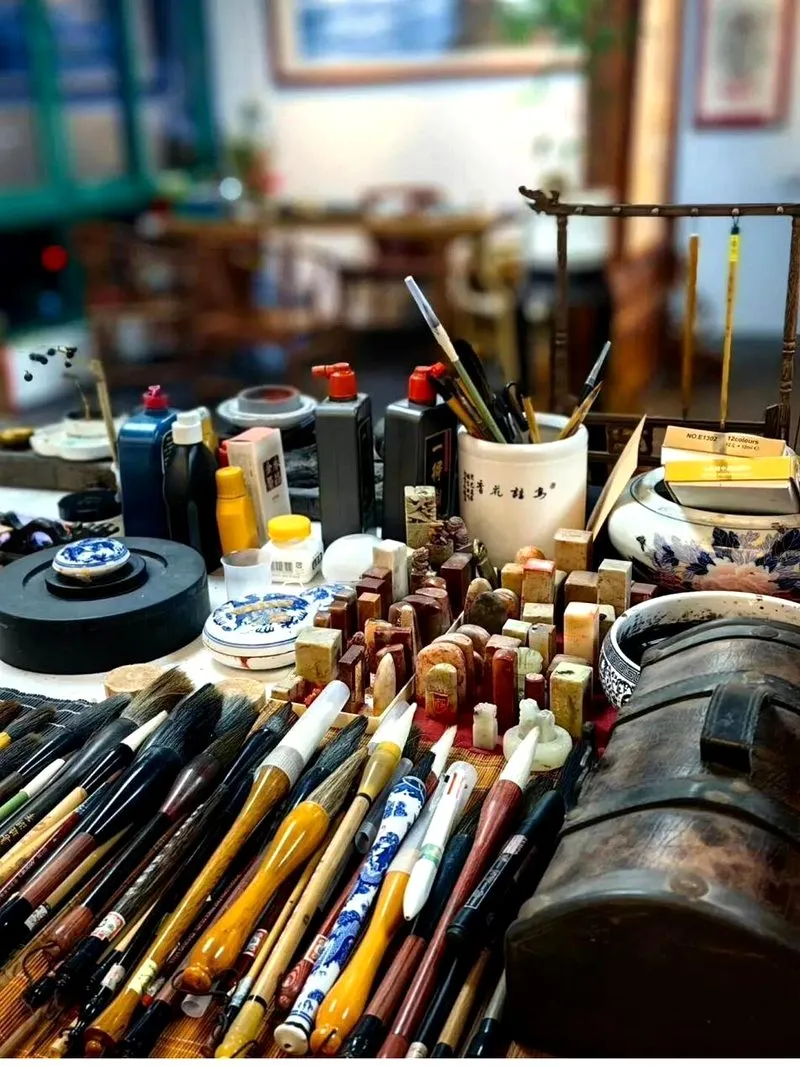
What people said after it arrived.
-
The item is fantastic. The customer service was genuine. Thanks!
— M.Verified purchase · from our Etsy shop reviews · -
They were great they gave me exactly what I asked for and then some. Thank you!!
— G.Verified purchase · from our Etsy shop reviews · -
It is well designed and customized. My daughter loves it. Amazing gift for family’s d friends
— S.Verified purchase · from our Etsy shop reviews ·
Each "雅" is hand-brushed by FuBlessings on rice paper.
See 雅 (Yǎ) on Etsy →