太平 (tài píng) — Great Peace · Times of Tranquility
A two-character word, not a single character.
平安 wishes one person safe passage. 安泰 names a self settled in a favorable world. 太平 steps past both to the largest frame the language has: not the safety of a traveler or the composure of an elder, but the peace of an entire age — 天下太平, all under heaven at rest, nothing erupting, no upheaval on the horizon. 平 alone is a calm afternoon or a fair ruling; 太 pushes it to the limit, the supreme degree past which there is no further. 太平 is peace not as something one person holds but as the weather of a whole era.
For two thousand years 太平 has been the name for the ideal time. 太平盛世 — an age of great peace and plenty — is the historian’s highest praise for a reign; 国泰民安 hangs beside it on New Year couplets; even the Pacific Ocean is, in Chinese, 太平洋, the peaceful sea. Its oldest image is the humblest: an old farmer in the reign of Yáo, beating time on the ground, singing that he plants and reaps and draws his own water — 帝力于我何有哉, what is the emperor’s power to me? That is 太平 from below — peace so complete the common people barely feel they are governed at all.
A hand-brushed “太平” by Artist Lina Sun is the gift for the turning of a year or the arrival of a child — the moment when what you most want to wish is not any single fortune but the settled ground beneath all of them: a peaceful age in which an ordinary life can unfold undisturbed.
- peace at the scale of a whole age, not one person
- a world in which nothing is erupting or out of joint
- peaceful times — ordinary life able to unfold undisturbed
- the settled ground beneath any prosperity or fortune
- peaceful Too small. 平 alone is peaceful — a calm afternoon. 太 makes it the peace of an entire era, not a single quiet hour.
- safe Safety (平安) is about one person coming and going unharmed. 太平 is not about escaping danger but about a world in which danger has no occasion to arise.
- prosperous Prosperity (盛, 丰) can flourish even in a hard world. 太平 names the underlying condition — no war, no upheaval — that lets prosperity become possible at all.
The short arms are the point: these readings don’t reach it.
- 太 the utmost / supreme degree大 (a person with arms flung wide, 'big') plus one stroke that pushes it past size into the superlative — 太古, 太初, 太极. Not large but ultimate, the edge past which there is no further.
- 平 level, even, undisturbedA flat surface, a scale at rest, breath let out evenly. The absence of disturbance — present in 和平 (peace), 平静 (calm), 公平 (fair).
characters
- 天下太平 tiān xià tài píng all under heaven at peace — the phrase at its full cosmic scale, the entire realm settled
- 太平盛世 tài píng shèng shì an age of great peace and plenty — the historian's name for an ideal, well-ordered reign
- 国泰民安 guó tài mín ān the country peaceful, the people safe — the political companion phrase, common on New Year couplets
- 太平洋 tài píng yáng the Pacific Ocean — literally 'the peaceful sea,' the same 太平 in an everyday modern name
Cinnabar marks the characters 太平 actually contains. The dark row is a relative by meaning or by sound, not one shared stroke.
The Story Behind the Character
Add one stroke to 大 — the figure of a person standing with arms flung wide, the character for "big" — and you get 太. The extra mark does not make the character bigger; it pushes it past size into the superlative. 太 is what lies beyond great: 太古, the remotest antiquity; 太初, the very first beginning; 太极, the supreme ultimate from which all things divide. Where 大 measures, 太 maxes out — it names not a large amount of something but the utmost degree of it, the edge past which there is no further.
平 began as a flat thing. The seal form suggests a level surface, breath let out evenly, a scale come to rest — 《说文》 glosses it as 语平舒也, "speech even and unhurried." From that root it spread across the whole field of evenness: 平地 (level ground), 公平 (fair), 平静 (calm), 和平 (peace). On its own 平 is local and ordinary — a calm afternoon, a fair ruling, a quiet stretch of road. It names the absence of disturbance at human scale.
Bind 太 to 平 and that evenness is taken to its limit: not a calm day but a calm age, not a fair judgment but a whole realm in which nothing is out of joint. 太平 is the word Chinese has used for two thousand years to name the largest peace it can imagine — 天下太平, all under heaven settled; 太平盛世, an age so well-ordered that war becomes a memory and the common people pass their lives undisturbed. It is peace not as a personal condition but as the weather of an entire era.
Classical lines
- roughly 1,200 years
- c. 400 BCE 《道德经》第八十章
- c. 1st c. CE 《击壤歌》
- c. 764 CE 杜甫《忆昔》
日出而作,日入而息。凿井而饮,耕田而食。帝力于我何有哉! I rise at sunup and rest at sundown, dig my own well to drink, plow my own field to eat
what is the emperor's power to me? — Sung, by legend, by an old farmer in the reign of Yáo. It is 太平 seen from the bottom up: peace so complete that the common people barely feel they are governed at all.
忆昔开元全盛日,小邑犹藏万家室。稻米流脂粟米白,公私仓廪俱丰实。 I remember the height of the Kaiyuan years: even a small town held ten thousand households; the rice ran with oil and the millet was white, and granaries public and private were full.
Du Fu, writing after the An Lushan rebellion had shattered the empire, recalls the 太平盛世 he had lost. The poem names what an age of great peace looks like precisely because it was already gone.
甘其食,美其服,安其居,乐其俗。 Let them find their food sweet, their clothes fine, their dwellings secure, their customs a joy.
Laozi's portrait of the contented populace of a well-ordered small state. It names 太平 not as the absence of trouble but as its quiet positive form: a people so settled in ordinary life that they want for nothing beyond it.
Why This Character Matters
For two thousand years 太平 has been the name for the ideal time. 太平盛世 — "an age of great peace and plenty" — is the historian's highest praise for a reign; 国泰民安 ("the country at peace, the people safe") hangs beside it on New Year couplets; even the Pacific Ocean is, in Chinese, 太平洋 — "the peaceful sea." The word reaches in two directions at once: up toward the grandeur of a whole realm at rest, and down toward the smallest unit of it — a single household able to live undisturbed.
That second direction is the older one. The earliest image of 太平 in the Chinese imagination is not an emperor or a treasury but an old man beating time on the ground, singing that he plants and reaps and draws his own water and feels no weight of rule at all. Across later history the same standard held: a dynasty measured its 太平 not by its conquests but by whether the ordinary family could pass a generation without war reaching its door. As a blessing, 太平 carries that whole tradition — it wishes not triumph but the rarer thing, an era quiet enough that an ordinary life can simply unfold.
A few characters live near "太平" but mean something quieter, sharper, or more specific. Here's how to tell them apart.
peace at the scale of a whole age — a world in which upheaval has no occasion to arise
safe passage for one person — the wish to come and go unharmed, this journey, this year
the era itself at rest — the macro condition, the peaceful times, named from the outside
a person settled within themselves and a world in right order around them — peace at both personal and cosmic scale
peace as the weather of an entire age — total, era-scale, the absence of all upheaval
grand, settled calm as a personal condition — composure, things running freely and well
At New Year the whole calendar resets, and 太平 names the largest thing a household can hope for the year ahead: not a specific gain but the underlying condition that makes any gain safe — 天下太平, a year in which the world holds, nothing erupts, and ordinary life goes on undisturbed.
- At New Year the whole calendar resets, and 太平 names the largest thing a household can hope for the year ahead: not a specific gain but the underlying condition that makes any gain safe — 天下太平, a year in which the world holds, nothing erupts, and ordinary life goes on undisturbed. Where 步步高升 wishes career ascent and 五福临门 names the five blessings arriving at the door, 太平 wishes the ground beneath all of them: an age at rest.
- A child arriving is a wager on the years to come, and 太平 names the world you hope it inherits — not wealth or rank but peace: a settled age in which a life can simply unfold, undisturbed by war or upheaval. The oldest thing one generation can wish the next is not fortune but 太平, the peaceful times in which any fortune at all becomes possible.
Friend · New Parent · Grandparent · or yourself
Looking for a name? See Western names written in Chinese →
-
What does 太平 (tài píng) mean?
太平 (tài píng) is a two-character Chinese word for great peace, times of tranquility. 平安 wishes one person safe passage. 安泰 names a self settled in a favorable world. 太平 steps past both to the largest frame the language has: not the safety of a traveler or the composure of an elder, but the peace of an entire age — 天下太平, all under heaven at rest, nothing erupting, no upheaval on the horizon. 平 alone is a calm afternoon or a fair ruling; 太 pushes it to the limit, the supreme degree past which there is no further. 太平 is peace not as something one person holds but as the weather of a whole era. For two thousand years 太平 has been the name for the ideal time. 太平盛世 — "an age of great peace and plenty" — is the historian's highest praise for a reign; 国泰民安 ("the country at peace, the people safe") hangs beside it on New Year couplets; even the Pacific Ocean is, in Chinese, 太平洋 — "the peaceful sea." The word reaches in two directions at once: up toward the grandeur of a whole realm at rest, and down toward the smallest unit of it — a single household able to live undisturbed.
-
What occasions is 太平 given for?
太平 is traditionally given for Chinese New Year, Baby Shower. At New Year the whole calendar resets, and 太平 names the largest thing a household can hope for the year ahead: not a specific gain but the underlying condition that makes any gain safe — 天下太平, a year in which the world holds, nothing erupts, and ordinary life goes on undisturbed. Where 步步高升 wishes career ascent and 五福临门 names the five blessings arriving at the door, 太平 wishes the ground beneath all of them: an age at rest. A child arriving is a wager on the years to come, and 太平 names the world you hope it inherits — not wealth or rank but peace: a settled age in which a life can simply unfold, undisturbed by war or upheaval. The oldest thing one generation can wish the next is not fortune but 太平, the peaceful times in which any fortune at all becomes possible.
-
Who brushes the 太平 calligraphy?
Each 太平 (Tài Píng) is hand-brushed to order by Artist Lina Sun in ink on rice paper — never printed, never repeated.
Bring 太平 home — choose how you'd like it brushed.
-
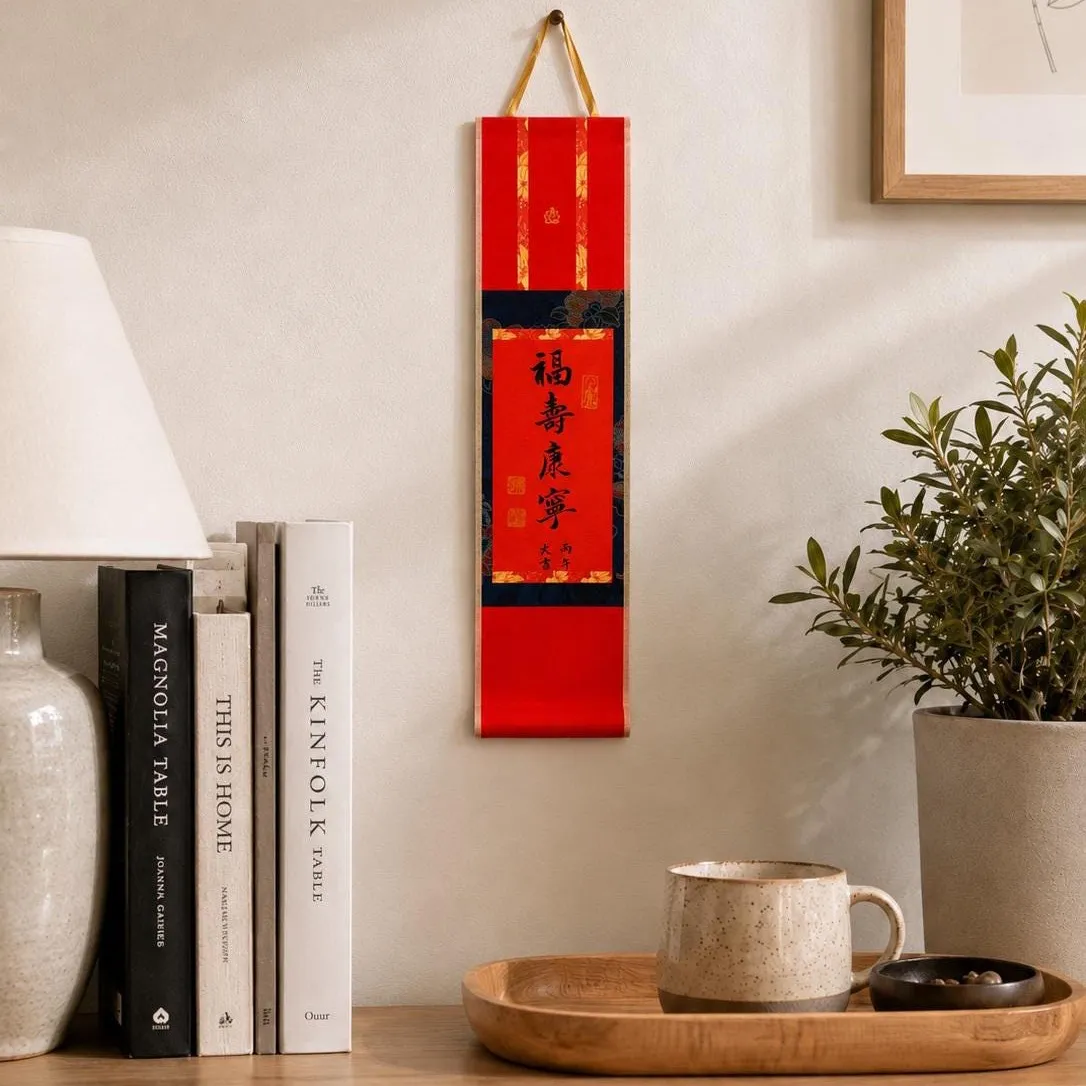
Photo shows a sample — yours will be brushed with 太平, or any character you choose.
Wall Scroll — for walls & housewarmingsfrom $38→ -
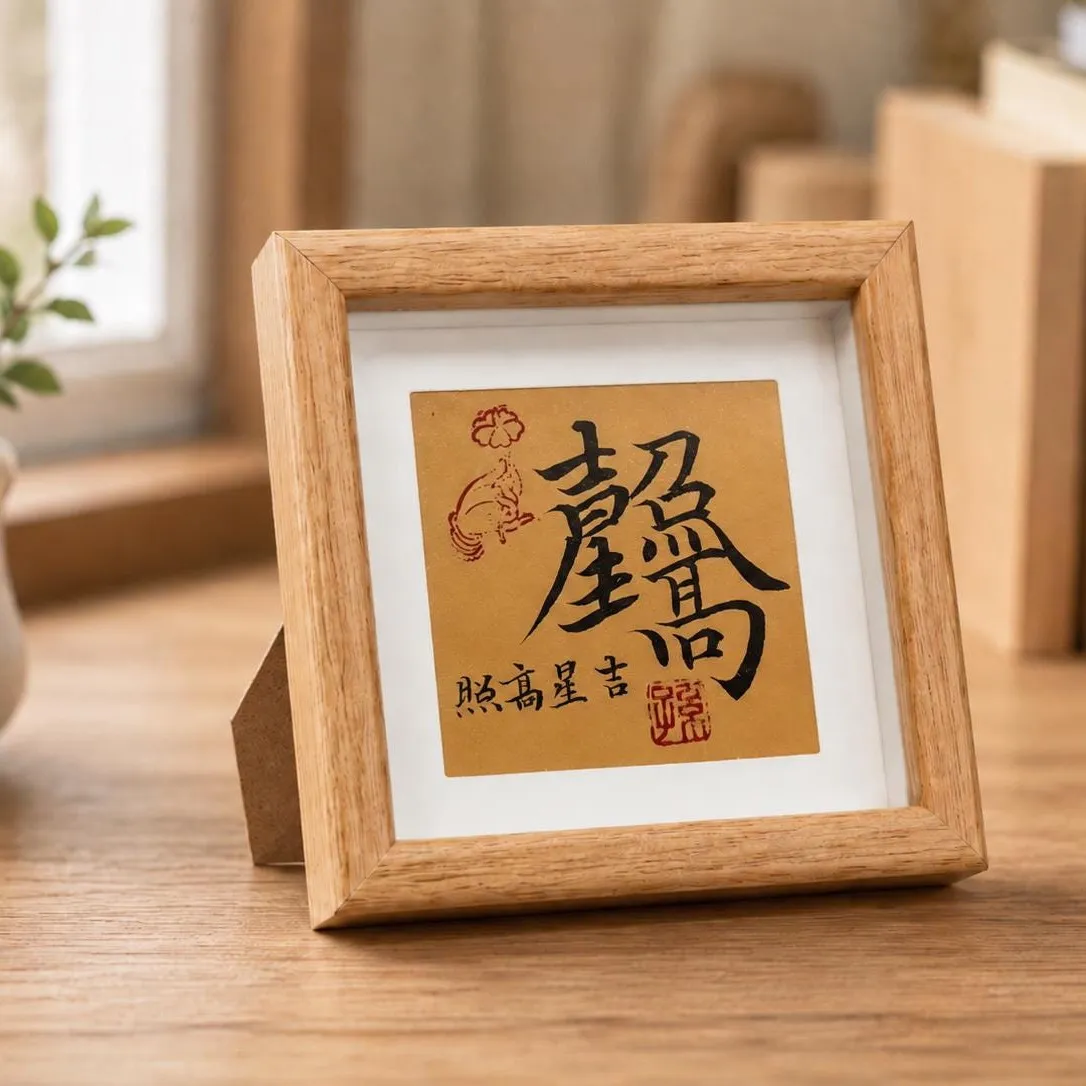
Photo shows a sample — yours will be brushed with 太平, or any character you choose.
Desk Frame — for desks, studies & studiosfrom $44→ -
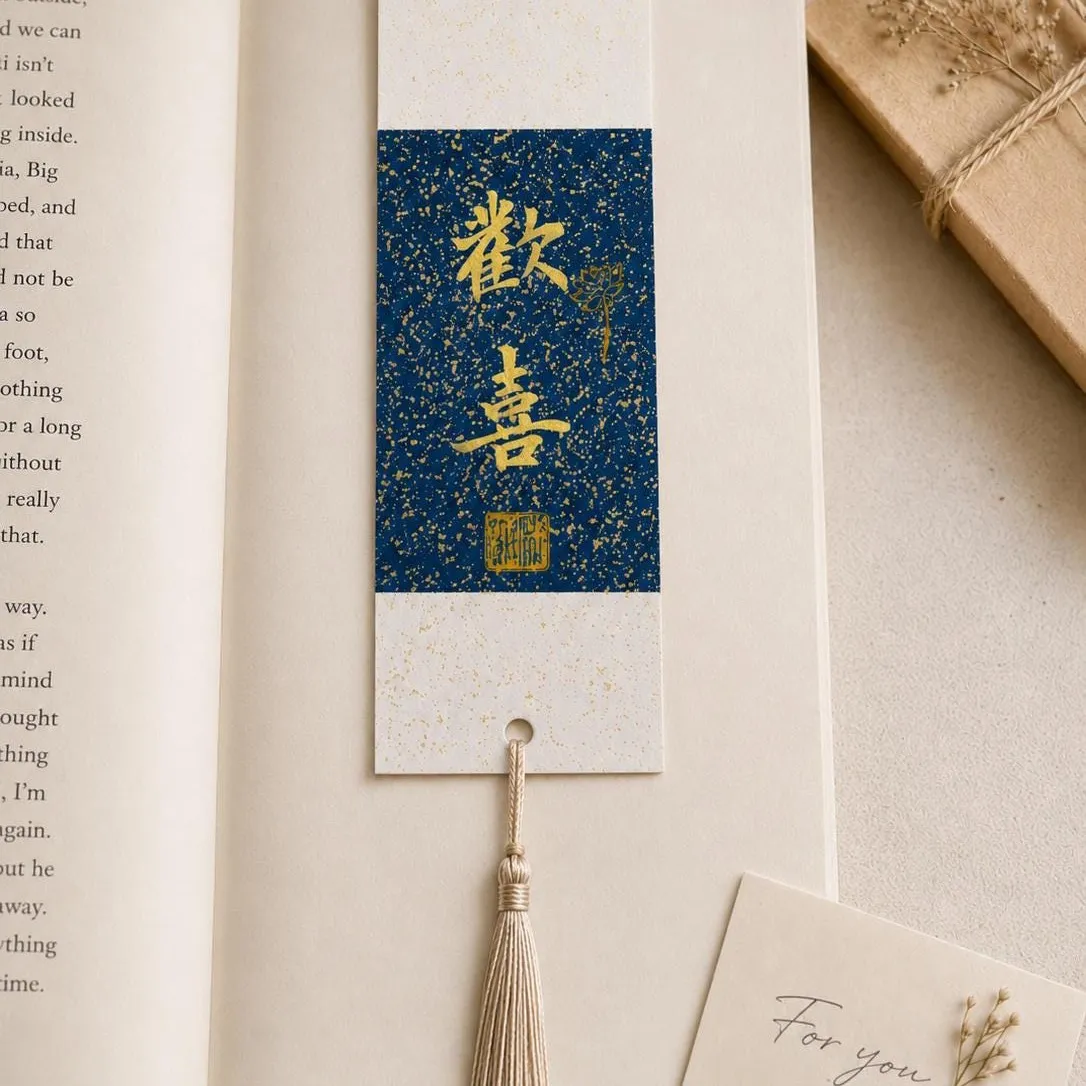
Photo shows a sample — yours will be brushed with 太平, or any character you choose.
Bookmark — for readers & small thank-yousfrom $17→
What people said after it arrived.
-
The item is fantastic. The customer service was genuine. Thanks!
— M.Verified purchase · from our Etsy shop reviews · -
They were great they gave me exactly what I asked for and then some. Thank you!!
— G.Verified purchase · from our Etsy shop reviews · -
It is well designed and customized. My daughter loves it. Amazing gift for family’s d friends
— S.Verified purchase · from our Etsy shop reviews ·
Each "太平" is hand-brushed by Artist Lina Sun on rice paper.
See 太平 (Tài Píng) on Etsy →