顺心 (shùn xīn) — Going the Heart's Way · Days That Don't Chafe
A two-character word, not a single character.
Ask a Chinese friend how things are going during a bad month and you may hear 最近不太顺心 — lately things haven’t been going my way. Press for the disaster and there usually isn’t one. A form came back twice, a train was missed, the boss changed the plan again, a parent’s knee is acting up. 顺心 is the word for the opposite condition, and it works at that scale: not whether the year succeeds, but whether its ordinary days keep snagging on what the person wanted. A project can go 顺利, smoothly and on schedule, and still not be 顺心, because this word is judged from inside the person living it. That is what makes it a good wish to hand someone: it is addressed to how their days feel to them, not to how they look on a report.
The first character is the library’s 顺, a head turned to follow the current. See 顺 → In its early uses the pair was mostly a verb with an object — to go along with a heart — and Tao Yuanming used it that way in 405, leaving an official post because staying, he wrote, had made him ill. Modern speech turned the grammar around. In 万事顺心, a common close to a birthday text or a New Year card, the ten thousand matters are the subject: things go along with the heart, so the person no longer has to bend. That is why the word turns up so often in the negative, in a sentence about the week, and why the four-character greetings 顺心如意 and 顺心遂意 are built on it.
A hand-brushed 顺心 by Artist Lina Sun is for the person whose days you would like to go easier: the friend in the middle of a grinding year, the mother who has spent decades arranging other people’s days so they ran smoothly, the grandparent for whom a bad day now means stairs and small print. It is plain, household-scale vocabulary, and on its own it reads modest; that is part of its warmth. If you would like the fuller wording people put on cards, ask for 万事顺心 or 顺心如意.
- things going the way your heart wanted
- days that don't chafe
- agreeable, in the literal sense of agreeing with you
- the opposite of everything feeling slightly off
- lucky Luck arrives from outside and can be one big break. 顺心 is a running verdict on ordinary days, and Tao Yuanming got his by resigning, not by a windfall.
- successful A year can go 顺利, on schedule by every outside measure, and still not be 顺心. The word is judged from inside the person, not from the results.
- follow your heart The English slogan is about acting on desire. Modern 顺心 usually means the world going your way; the old verb sense existed, and the 燕丹子 already warns against following one's wishes just to please the heart.
- happy 快乐 and 开心 are feelings of the moment. 顺心 sums up a stretch of days — 最近挺顺心, things have been going my way lately — and a person can be cheerful on a day that was not 顺心 at all.
The short arms are the point: these readings don’t reach it.
- 顺 going with the grainA head turned to follow a river's current. In this pair it is the motion of agreement: in the old verb sense, a person going along with something; in modern speech, events going along with the person.
- 心 the heart as yardstickWhat the days either agree with or chafe against. Put 不 in front and the pair becomes the everyday complaint about a week that went wrong.
characters
- 万事顺心 wàn shì shùn xīn may everything go your way — a common close to a birthday text or New Year card
- 顺心如意 shùn xīn rú yì going your way and as you wished — the common four-character greeting form
- 顺心遂意 shùn xīn suì yì things unfolding entirely to one's plan and heart (MOE dictionary gloss)
- 不顺心 bù shùn xīn out of sorts with how things are going — the everyday complaint about a week or a month
- 称心 chèn xīn to one's liking — the closest synonym; note that 称 is read chèn here
- 如愿 rú yuàn to get what one wished for — a relative by sense that shares no character with 顺心, and names a single outcome rather than a run of days
Cinnabar marks the characters 顺心 actually contains. The dark row is a relative by meaning or by sound, not one shared stroke.
The Story Behind the Character
In the eleventh month of the yisi year, 405, Tao Yuanming wrote a short preface explaining why he had left his post as magistrate of Pengze after a little over eighty days. He is frank about why he took it: the public fields there yielded enough grain to make wine. What he could not manage was staying. 饥冻虽切,违己交病 — hunger and cold were pressing enough, but going against myself left me sick all over. When word came that his sister had died in Wuchang, he resigned to go to her, and he ended the preface with four characters that hold the best-known early use of this pair: 因事顺心 — I took the occasion and went along with my heart. Then he named the piece 归去来兮, a poem Chinese students still learn at school.
In Tao's sentence the pair is a verb and its object, something a person does for their own heart, and that is how most of the early uses run. 顺 brings the picture of a head turned to follow a river's current, defined in the Shuowen Jiezi (c. 100 CE) as 理, in accord with the grain of things. 心 supplies what is being followed. The Zhuangzi's 庚桑楚 chapter puts the two together as a discipline: 欲静则平气,欲神则顺心 — to be still, level the breath; to have the spirit at full strength, go along with the heart. The Mao commentary on the Book of Songs uses it for a mood: glossing a line about Zhuang Jiang's wayward stepson Zhouxu coming to see her, it says 言时有顺心也, now and then he was in an agreeable frame of mind. And the 燕丹子 (Prince Dan of Yan) records the warning that sits on the other side. When the prince wanted revenge on Qin by a single assassin, his tutor Ju Wu wrote back that the clear-sighted 不苟从志以顺心 — do not follow their wishes just to please the heart.
Modern Chinese turned the grammar around. Dictionaries now give 顺心 as an adjective — 称心,合乎心意, agreeable, matching what one had in mind — with the stock example 诸事顺心, every matter going one's way. In that phrase, as in 万事顺心 on a New Year card, the matters are the subject: the things go along with the heart, so the person no longer has to bend. A nineteenth-century novel written in Beijing speech already shows the word in a form it still often takes in speech, negated — 不顺心的事, the things that did not go the way anyone wanted.
Classical lines
- roughly 2,100 years
- c. 300 BCE 《礼记·中庸》第十五章
- 405 陶渊明《归去来兮辞》序
- c. 19th c. CE 文康《儿女英雄传》第二十二回
父母其顺矣乎! Then the parents
how content they must be! — Confucius's comment right after the Book of Songs lines about a wife and children in accord and brothers at ease together. Zhu Xi reads 顺 here as 安乐, settled and glad: the parents' ease comes from a household that gets along, not from anything handed to them directly. It is 顺 without 心, and the nearest classical picture of what the pair wishes an older parent.
因事顺心,命篇曰《归去来兮》。 Taking the occasion, I went along with my heart, and named the piece 'Let Me Go Home.'
The last line of the preface, written after a little over eighty days in office. A few lines earlier he gives the reason in four characters, 违己交病: going against himself had made him ill. Here 顺心 is still something a person does, and what he did was resign.
其实咱们离开不到一年,瞧瞧你们在外头倒碰出多少不顺心的事来! We've been apart less than a year, and look how many things went against you out there!
An aunt by marriage greets the An family at the Tongzhou landing after their year of trouble, and wipes her eyes as she says it. By now the word is the everyday adjective, and it is heard negated: 不顺心的事, the run of things that would not go the family's way.
Why This Character Matters
When Xinhua reported on elder care in September 2024, it sorted the good news under three headings — 更安心, 更舒心, 更顺心 — and the 顺心 section was about elevators. A 77-year-old in Shenzhen who lived on the eighth floor used to stop for breath at every landing and kept trips downstairs to a minimum; once lifts were added to the old blocks in that district, going out with a grandson to walk and buy groceries became ordinary. The same section covered large-print medicine leaflets. That is the scale the word works at. It does not ask whether a life is a success. It asks whether the day keeps snagging against what a person wanted, and for an older relative the snags are often stairs and small print.
In speech 顺心 is plain, household vocabulary, and buyers should know that before ordering a scroll. It is what people type at the bottom of a birthday message (万事顺心) or say of a good stretch (最近挺顺心), and the four-character greetings built on it — 顺心如意, and 顺心遂意, which the Taiwan Ministry of Education dictionary defines as things unfolding entirely to one's plan and heart — give it a fuller, more formal shape. A bare 顺心 reads warm and modest rather than formal. It should not be confused with 随心, at will, which leans toward 随心所欲, doing whatever one likes; 顺心 is usually the world agreeing with you, not you overriding the world. Its closest synonym, 称心, is read chèn xīn, not chēng.
A few characters live near "顺心" but mean something quieter, sharper, or more specific. Here's how to tell them apart.
measured against a person — whether things sit well with them
measured against the road — whether things move without obstruction
the heart's verdict on how the days went
the plan's verdict — the road ran clear and the thing got finished
everyday speech, and a run of ordinary days going your way
as you intended — a wish with a scepter for its emblem, at home on formal gifts
things go the way the heart wanted
one specific worry set down — someone stopped having to watch it
生日快乐,万事顺心 is a common close to a Chinese birthday message, and its two halves ask for different things.
- 生日快乐,万事顺心 is a common close to a Chinese birthday message, and its two halves ask for different things. 快乐 is for today. 顺心 is for the year that starts tomorrow: that what happens in it agrees with the person living it, errands and phone calls as much as the big decisions. 长寿 counts years and 顺遂 asks that a plan run clear to its end; 顺心 is measured against the person instead of the plan. For the friend, mother, or grandparent whose birthday is not a milestone, where the kindest wish is fewer days that chafe.
- 万事顺心 is one of the standard New Year greetings — a 2026 Spring Festival post from China National Radio wishes its readers 神马都好,万事顺心 — and it is easy to read past it as one more way of saying good luck. It is narrower than that. 顺心 is judged from inside: whether the year's events sit well with the person they happen to. A year can go 顺利 by every outside measure — job held, plans on schedule — and still not be 顺心, which is why people say 最近不太顺心 without being able to name a single disaster. For the household that wants the next twelve months to be easy on the people in them, not merely productive.
- A good part of a mother's day goes into arranging other people's days so that they run smoothly. 顺心 turns the direction around and asks that, for once, things fall the way she would have had them. 愿妈妈顺心顺意 is how one stock Mother's Day text puts it, and the word stays at that household scale; it asks nothing large of the world. Brushed on its own it reads modest, which suits a holiday about ordinary devotion; if you want fuller card wording, 万事顺心 or 顺心如意 says the same thing at greeting length.
Friend · Mom · Grandparent · or yourself
Looking for a name? See Western names written in Chinese →
-
What does 顺心 (shùn xīn) mean?
顺心 (shùn xīn) is a two-character Chinese word for going the heart's way, days that don't chafe. Ask a Chinese friend how things are going during a bad month and you may hear 最近不太顺心 — lately things haven't been going my way. Press for the disaster and there usually isn't one. A form came back twice, a train was missed, the boss changed the plan again, a parent's knee is acting up. 顺心 is the word for the opposite condition, and it works at that scale: not whether the year succeeds, but whether its ordinary days keep snagging on what the person wanted. A project can go 顺利, smoothly and on schedule, and still not be 顺心, because this word is judged from inside the person living it. That is what makes it a good wish to hand someone: it is addressed to how their days feel to them, not to how they look on a report. When Xinhua reported on elder care in September 2024, it sorted the good news under three headings — 更安心, 更舒心, 更顺心 — and the 顺心 section was about elevators. A 77-year-old in Shenzhen who lived on the eighth floor used to stop for breath at every landing and kept trips downstairs to a minimum; once lifts were added to the old blocks in that district, going out with a grandson to walk and buy groceries became ordinary. The same section covered large-print medicine leaflets. That is the scale the word works at. It does not ask whether a life is a success. It asks whether the day keeps snagging against what a person wanted, and for an older relative the snags are often stairs and small print.
-
What occasions is 顺心 given for?
顺心 is traditionally given for Birthday, Chinese New Year, Mother's Day. 生日快乐,万事顺心 is a common close to a Chinese birthday message, and its two halves ask for different things. 快乐 is for today. 顺心 is for the year that starts tomorrow: that what happens in it agrees with the person living it, errands and phone calls as much as the big decisions. 长寿 counts years and 顺遂 asks that a plan run clear to its end; 顺心 is measured against the person instead of the plan. For the friend, mother, or grandparent whose birthday is not a milestone, where the kindest wish is fewer days that chafe. 万事顺心 is one of the standard New Year greetings — a 2026 Spring Festival post from China National Radio wishes its readers 神马都好,万事顺心 — and it is easy to read past it as one more way of saying good luck. It is narrower than that. 顺心 is judged from inside: whether the year's events sit well with the person they happen to. A year can go 顺利 by every outside measure — job held, plans on schedule — and still not be 顺心, which is why people say 最近不太顺心 without being able to name a single disaster. For the household that wants the next twelve months to be easy on the people in them, not merely productive.
-
Who brushes the 顺心 calligraphy?
Each 顺心 (Shùn Xīn) is hand-brushed to order by Artist Lina Sun in ink on rice paper — never printed, never repeated.
Bring 顺心 home — choose how you'd like it brushed.
-
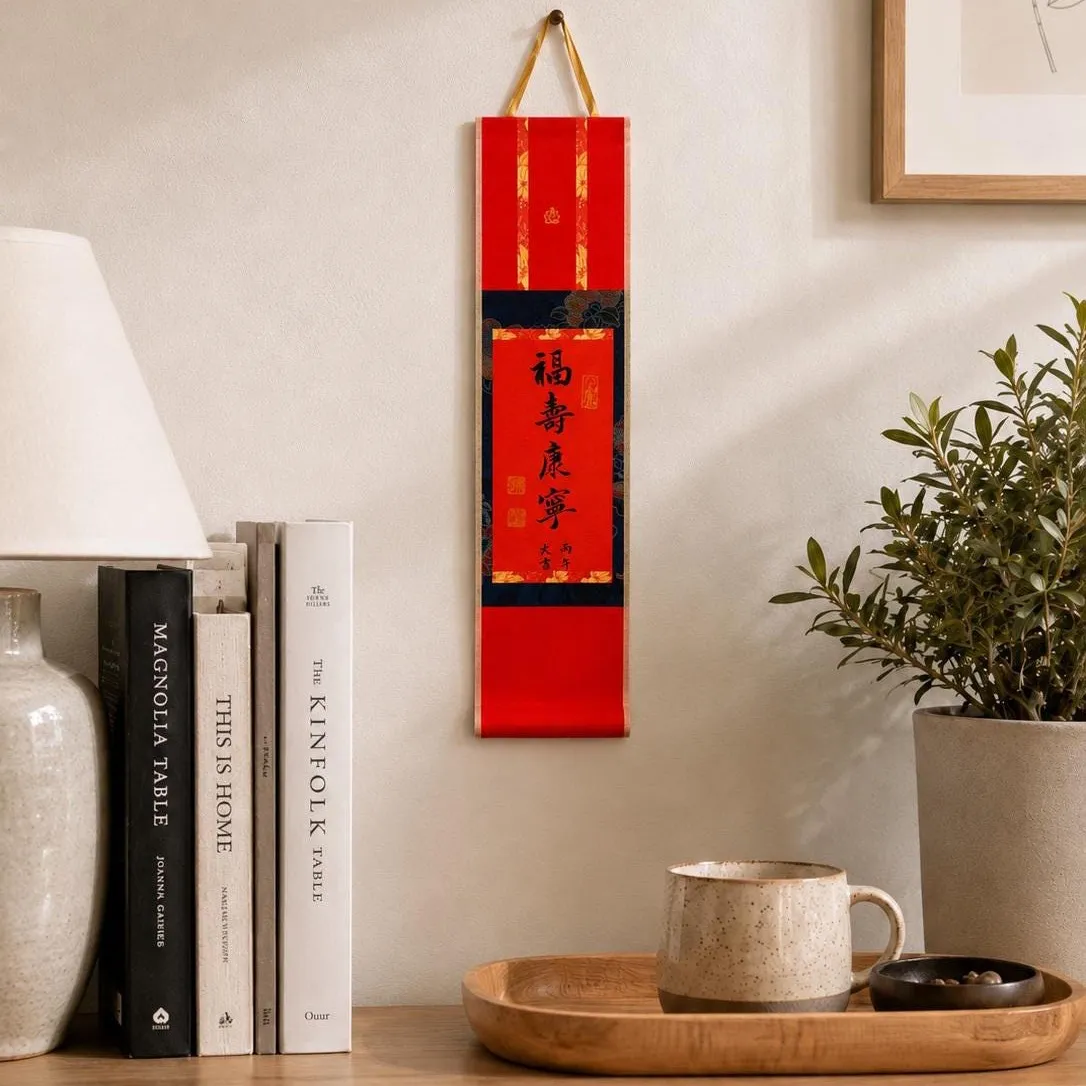
Photo shows a sample — yours will be brushed with 顺心, or any character you choose.
Wall Scroll — for walls & housewarmingsfrom $38→ -
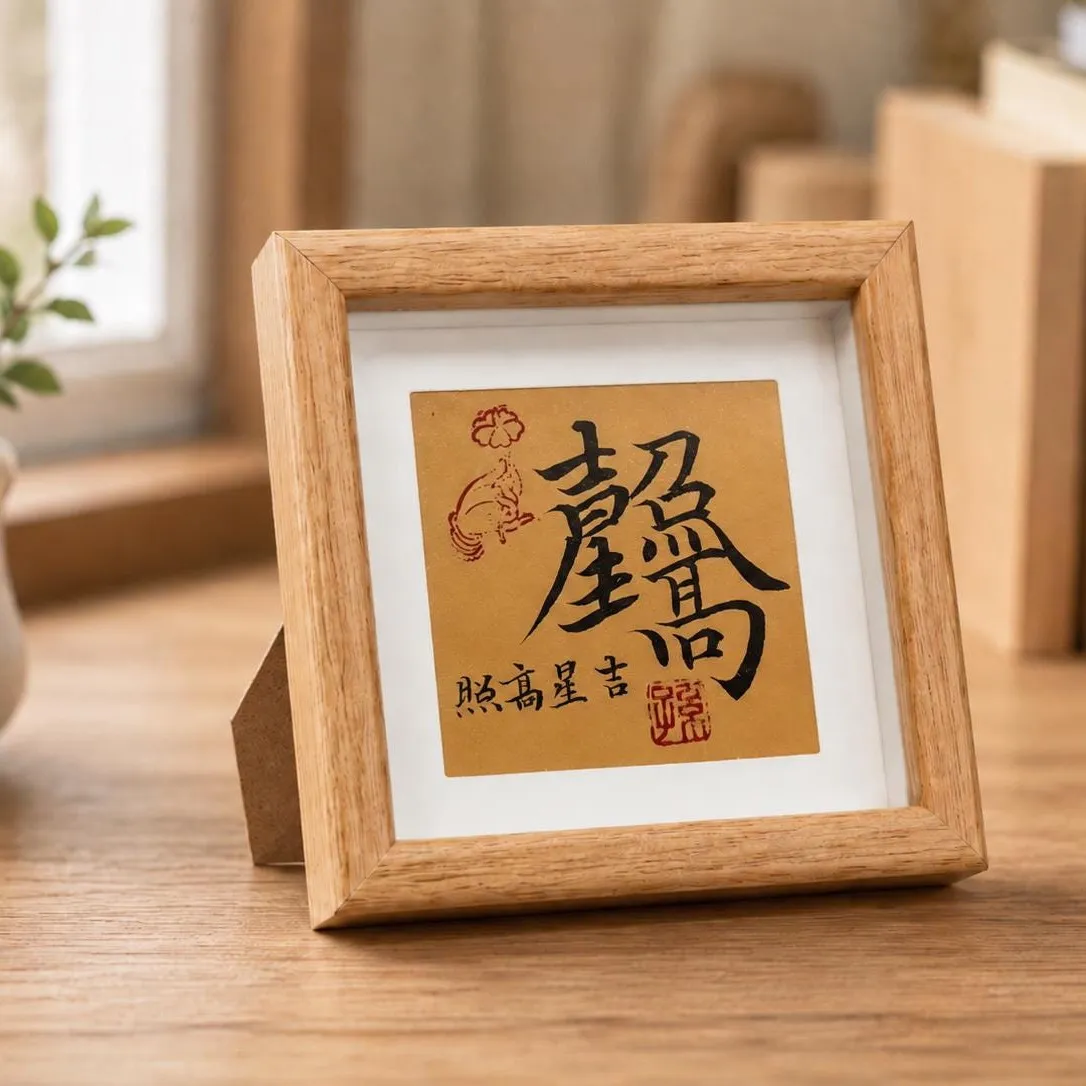
Photo shows a sample — yours will be brushed with 顺心, or any character you choose.
Desk Frame — for desks, studies & studiosfrom $44→ -
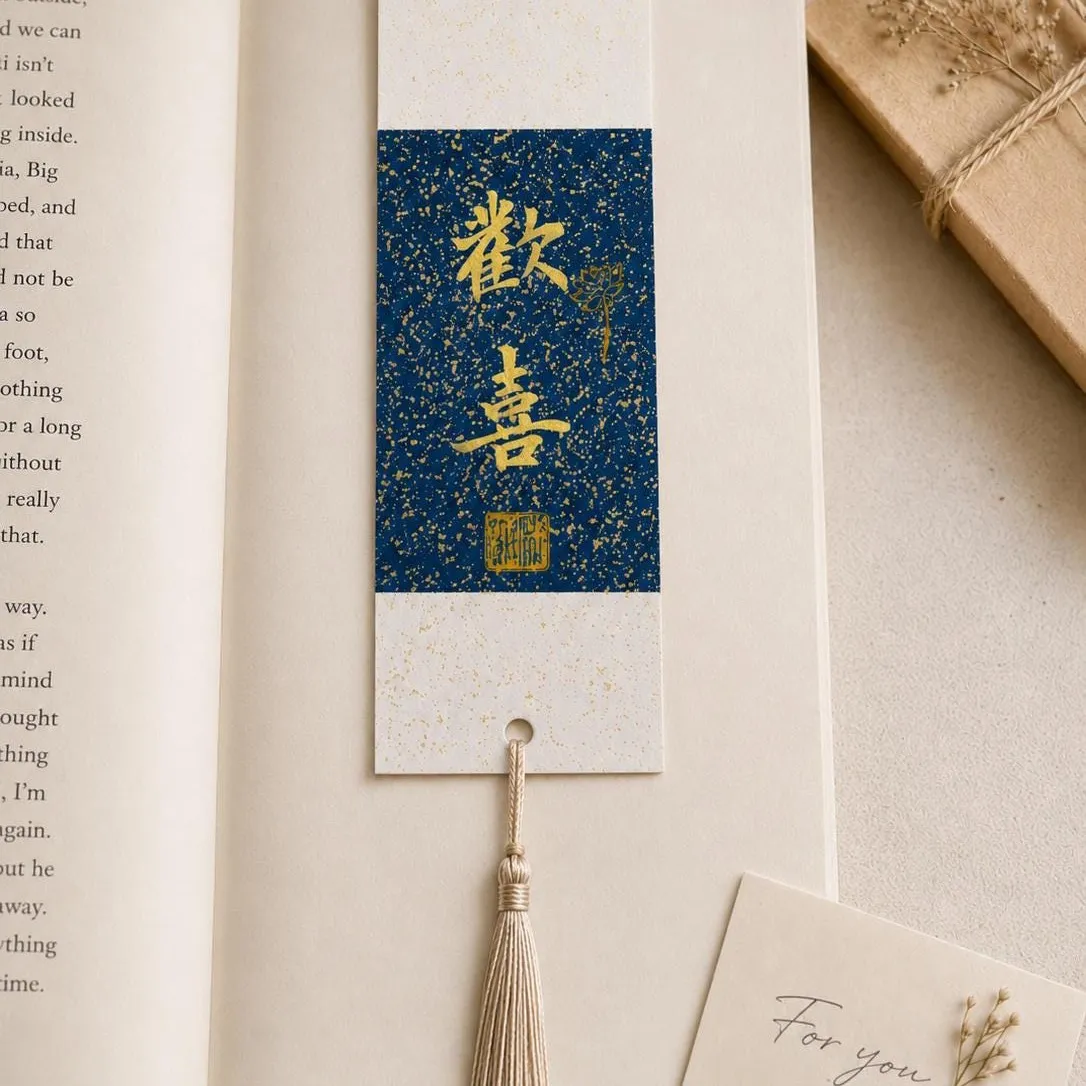
Photo shows a sample — yours will be brushed with 顺心, or any character you choose.
Bookmark — for readers & small thank-yousfrom $17→
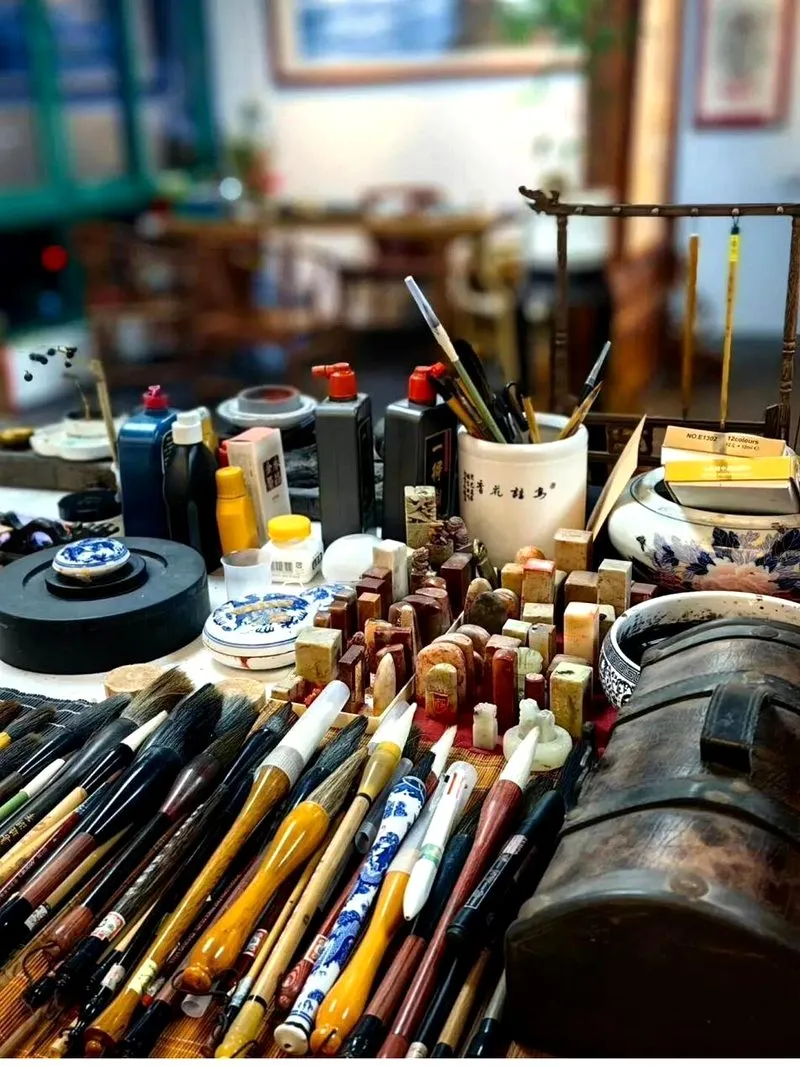
What people said after it arrived.
-
The item is fantastic. The customer service was genuine. Thanks!
— M.Verified purchase · from our Etsy shop reviews · -
They were great they gave me exactly what I asked for and then some. Thank you!!
— G.Verified purchase · from our Etsy shop reviews · -
It is well designed and customized. My daughter loves it. Amazing gift for family’s d friends
— S.Verified purchase · from our Etsy shop reviews ·
Each "顺心" is hand-brushed by Artist Lina Sun on rice paper.
See 顺心 (Shùn Xīn) on Etsy →