恕 (shù) — Reciprocity · Forgiveness · Your Own Heart as the Measure
A single character.
When 子贡 asked for a single word a person could act on for the rest of a life, 孔子 answered 其恕乎 and gave the rule that goes with it: what you would not want for yourself, do not do to others. The rule makes 恕 a measuring word. You take your own heart, with its dislikes and its excuses, and lay it against someone else’s case. 贾谊 called that 以己量人, and a Tang reader saw it in the shape, 如心, a heart like the other’s. It is a different act from 宽, which leaves room for another’s fault, and the Song teachers insisted it is not leniency. It is also harder than 仁. In a line 朱熹 quotes from the 程 brothers, reaching others from oneself is 仁 and pushing oneself outward to them is 恕, and 朱熹 explained the difference as the one between what comes naturally and what takes effort. 孟子’s advice was to make the effort, 强恕而行.
In ordinary Chinese the word has moved toward pardon. 宽恕 is forgiveness, 饶恕 is letting someone off, and 恕罪 is said by the person asking. It also softens polite formulas, as in 恕我直言 before a blunt sentence. The older sense survives in 恕道 and in 将心比心, the everyday idiom for setting your heart beside someone else’s. 范纯仁, a Song chancellor, said a lifetime had not used up 忠 and 恕, at court, with colleagues, among family. The two senses meet in a scene from the 《战国策》, where the old minister 触龙 excuses his own lame feet and, from them, guesses that the Empress Dowager may find walking hard as well.
A hand-brushed 恕 by Artist Lina Sun is ten strokes, 如 over 心. For a friend it is the one who goes first, doing for you what they would want from a friend. For a best friend it is someone who has heard your excuses for years and still measures you by their own heart. For a colleague it is the person who does not pass down what they disliked receiving from above. On a birthday it is a word meant for the rest of a life, given to someone who already lives by it. Say which sense you mean when you give it, because the character can also be read as a pardon.
- your own heart as the measure — 以己量人, the 如心 later readers saw in the shape
- what you would refuse for yourself, kept off others — 施诸己而不愿,亦勿施于人
- done on purpose and by effort — 强恕而行
- to pardon, in modern speech — 宽恕, 饶恕
- the polite request to be excused — 恕罪, 恕我直言
- leniency That is 宽, the room left for someone else's fault. The Song scholar 真德秀 complained that students took 恕 for 宽厚阔略, broad and easygoing, and said they were wrong. In his reading it means wanting for others the good you want for yourself.
- excusing oneself 朱熹 is recorded saying 恕 is pushed outward, and drawn back in to excuse oneself it turns into carelessness. 触龙's 窃自恕 is the everyday exception, and even there the Song commentator 鲍彪 found the outward half, the guess about someone else.
- doing one's utmost That is 忠, 尽己, giving oneself in full. 恕 is 推己, carrying that self out to another person's case. 曾子 named them together as the one thread of 孔子's teaching.
- tolerance That is 容, a capacity to hold and to bear. 恕 does not measure how much room a person has. It measures the other person by oneself.
The short arms are the point: these readings don’t reach it.
- 如 as, likeThe upper six strokes, 女 beside 口. 许慎 lists it only as the sound. The Tang subcommentator 贾公彦 read it for meaning as well, 如心曰恕, a heart like another's, and 朱熹 let the reading stand as one that also makes sense. 女 is written 撇点, 撇, 提, then 口 竖, 横折, 横.
- 心 heartThe lower four strokes, 点, 卧钩, 点, 点, so the whole character runs ten strokes (stroke code 5312514544). Dictionaries file 恕 under 心 with six strokes outside it. 忠 sits on the same component, which is how 贾公彦 could explain the two as a pair.
character
- 忠恕 zhōng shù doing one's utmost and carrying it out to others; 曾子's summary of 孔子's way in the 《论语》
- 恕道 shù dào the principle of putting yourself in another's place and treating them accordingly
- 宽恕 kuān shù to forgive, to excuse another person's fault
- 饶恕 ráo shù to spare, to let someone off
- 恕罪 shù zuì forgive the offence; said by the one apologising
- 将心比心 jiāng xīn bǐ xīn to set your heart beside another's and judge their position from your own; a dark row by sense, the everyday idiom for this character's act, with no character in common
Cinnabar marks the characters 恕 actually contains. The dark row is a relative by meaning or by sound, not one shared stroke.
The Story Behind the Character
The second form 许慎 recorded for this character holds a surprise. Beside the standard graph he lists a 古文 form, 㣽, written with 女 and 心, and in the bronze and Warring States examples cited by the Chinese University of Hong Kong's character database, that graph writes a different word: 怒, anger. One example is a line on the bamboo slips excavated at 郭店, 凡有血气者,皆有喜有怒, every creature with blood and breath has joy and has anger. The database explains the overlap through sound. The phonetic parts of 恕 and 怒 both go back to 女, so a single shape could serve as a variant of either, as the scholar 张富海 notes there.
The standard form sets 如 over 心, and 许慎 gives 如 only as the sound: 恕,仁也。从心,如声. Later readers wanted the upper half to mean something too. 贾公彦, writing a Tang subcommentary on the 《周礼》, explained 忠 and 恕 as a pair from their shapes, 如心曰恕 and 中心曰忠: a heart that is like another's is 恕, a heart at the centre is 忠. 朱熹 recorded that reading in his commentary on the 《论语》 as one that also makes sense, beside 程颐's working definition, 推己之谓恕, carrying oneself outward is 恕. Earlier still, the Han writer 贾谊 had put it in his list of virtues and their opposites as 以己量人, taking oneself as the measure of others.
The sense of pardon grew out of that measuring, and one scene in the 《战国策》 holds both. The old minister 触龙 goes to see the Empress Dowager of 赵, who has just said she will spit in the face of the next man to raise a certain request, and he opens with his feet. They are bad, he says, he cannot walk quickly and has not come for a long time, 窃自恕, he has privately excused himself; but he feared her own health might be troubling her, so he came. The Song commentator 鲍彪 glossed it: from his own bad feet he feared she too might find walking hard, 亦自恕以及人也, this too is 恕 carried from oneself to another. The excuse he made for himself and the guess he made about her are one act.
Classical lines
- about a century
- c. 300 BCE 《孟子·尽心上》
- c. 300 BCE 《礼记·中庸》
- c. 3rd c. BCE 《荀子·法行》
万物皆备于我矣,反身而诚,乐莫大焉。强恕而行,求仁莫近焉。 All things are complete within me. To turn back on oneself and find it true, no joy is greater. Press on with 恕 by effort, and no road to 仁 is nearer.
强 here means forcing oneself, and that is the point of the line. 孟子 treats 恕 as something a person does on purpose, before it comes naturally, and the Song teachers later drew the same line between 仁, which reaches others unprompted, and 恕, which has to be pushed.
忠恕违道不远,施诸己而不愿,亦勿施于人。 忠 and 恕 are not far from the Way: what you would not accept if it were done to you, do not do to others either.
In the 《中庸》 this sentence comes just before 孔子 names four parts of the gentleman's way and says he has not managed one of them, the last being to give a friend first what he would ask of a friend. The rule is stated in the negative, as in the 《论语》. The list that follows asks for the positive.
君子有三恕。有君不能事,有臣而求其使,非恕也;有亲不能报,有子而求其孝,非恕也;有兄不能敬,有弟而求其听令,非恕也。 The gentleman has three kinds of 恕. To have a ruler and fail to serve him, yet keep ministers and demand their service, is not 恕. To have parents and fail to repay them, yet have children and demand their care, is not 恕. To have an elder brother and fail to respect him, yet have a younger one and demand his obedience, is not 恕.
The chapter puts the words in 孔子's mouth, and it is one of the closing chapters of the 《荀子》 that scholars usually treat as material gathered by his school. Each case stands a person between someone above and someone below, and 恕 is the test of whether they ask downward for what they do not give upward.
Why This Character Matters
The 《宋史》 says that the chancellor 范纯仁, son of 范仲淹, put everything he had learned into two characters: 吾平生所学,得之忠恕二字,一生用不尽, all my learning came to 忠 and 恕, and a whole life did not use them up, at court, with colleagues and among kin. His advice to the young men of the family was copied into Song books of maxims: 以责人之心责己,恕己之心恕人, blame yourself as clearly as you blame others, and excuse others as readily as you excuse yourself. 朱熹 is recorded objecting to the second half. 恕, he said, is a thing pushed outward, and drawn back in to excuse oneself it turns into carelessness. His student 陈淳 put it more sharply in the 《北溪字义》: read that way, the word only means letting people off.
Modern Chinese has kept both halves, in different registers. 宽恕 is forgiveness and 饶恕 is sparing someone. 恕罪, forgive the offence, is said by the person apologising, and 恕我直言, forgive my bluntness, comes just before a hard sentence. 恕道, the old principle of putting yourself in another's place, is still the dictionary word for it. When 王安石 answered a letter from 司马光, a friend of many years on the other side of the reform quarrel, he set out his reasons and ended the opening with the hope that 司马光 might 见恕, understand and excuse him, a request that can be read in the old sense and the new at once. The 汉典 dictionary's short entry gives to forgive first, so a lone 恕 on a wall can read as a pardon offered or a pardon asked for, and a gift of it goes best with a word from the giver about which they mean.
A few characters live near "恕" but mean something quieter, sharper, or more specific. Here's how to tell them apart.
measuring someone else's case against your own heart
the room left for another person's fault
the self carried outward to another person's case
the self given in full, 尽己
the deliberate reach from one's own case to another's
the regard that reaches others without being pushed
子贡 asked 孔子 for one word to act on for the rest of a life, and the answer was 恕.
- 子贡 asked 孔子 for one word to act on for the rest of a life, and the answer was 恕. The answer was meant to outlast any single year. It is a habit kept at every age: take what you would want or refuse for yourself and use it as the measure for someone else. On a birthday it names how a person treats other people, which suits a friend or a colleague who already lives by it. The day the years are counted is a fair day to tell them so.
Friend · Best Friend · Coworker · or yourself
Looking for a name? See Western names written in Chinese →
-
What does 恕 (shù) mean?
恕 (shù) is the Chinese character for reciprocity, forgiveness, your own heart as the measure. When 子贡 asked for a single word a person could act on for the rest of a life, 孔子 answered 其恕乎 and gave the rule that goes with it: what you would not want for yourself, do not do to others. The rule makes 恕 a measuring word. You take your own heart, with its dislikes and its excuses, and lay it against someone else's case. 贾谊 called that 以己量人, and a Tang reader saw it in the shape, 如心, a heart like the other's. It is a different act from 宽, which leaves room for another's fault, and the Song teachers insisted it is not leniency. It is also harder than 仁. In a line 朱熹 quotes from the 程 brothers, reaching others from oneself is 仁 and pushing oneself outward to them is 恕, and 朱熹 explained the difference as the one between what comes naturally and what takes effort. 孟子's advice was to make the effort, 强恕而行. The 《宋史》 says that the chancellor 范纯仁, son of 范仲淹, put everything he had learned into two characters: 吾平生所学,得之忠恕二字,一生用不尽, all my learning came to 忠 and 恕, and a whole life did not use them up, at court, with colleagues and among kin. His advice to the young men of the family was copied into Song books of maxims: 以责人之心责己,恕己之心恕人, blame yourself as clearly as you blame others, and excuse others as readily as you excuse yourself. 朱熹 is recorded objecting to the second half. 恕, he said, is a thing pushed outward, and drawn back in to excuse oneself it turns into carelessness. His student 陈淳 put it more sharply in the 《北溪字义》: read that way, the word only means letting people off.
-
What occasions is 恕 given for?
恕 is traditionally given for Birthday. 子贡 asked 孔子 for one word to act on for the rest of a life, and the answer was 恕. The answer was meant to outlast any single year. It is a habit kept at every age: take what you would want or refuse for yourself and use it as the measure for someone else. On a birthday it names how a person treats other people, which suits a friend or a colleague who already lives by it. The day the years are counted is a fair day to tell them so.
-
Who brushes the 恕 calligraphy?
Each 恕 (Shù) is hand-brushed to order by Artist Lina Sun in ink on rice paper — never printed, never repeated.
Bring 恕 home — choose how you'd like it brushed.
-
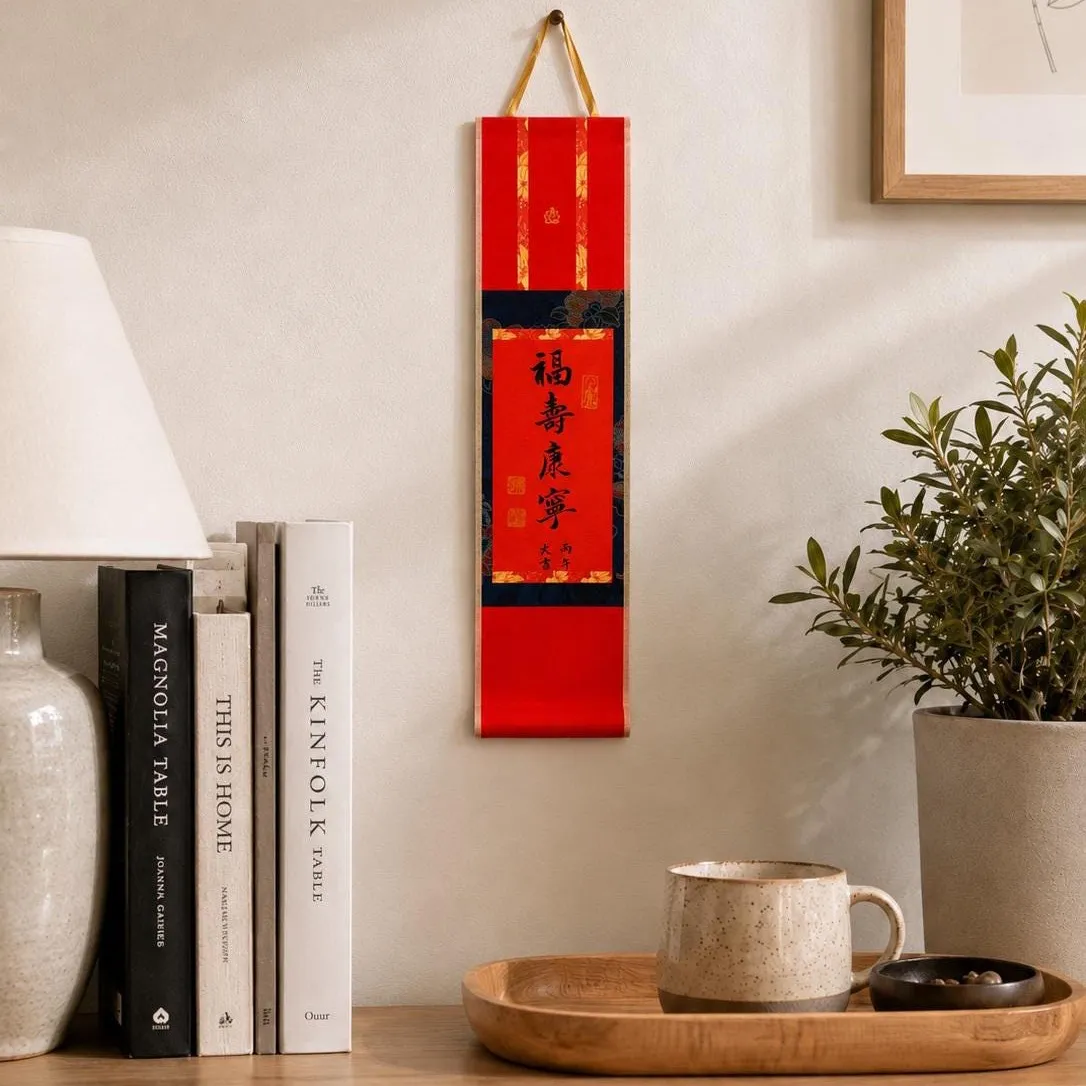
Photo shows a sample — yours will be brushed with 恕, or any character you choose.
Wall Scroll — for walls & housewarmingsfrom $38→ -
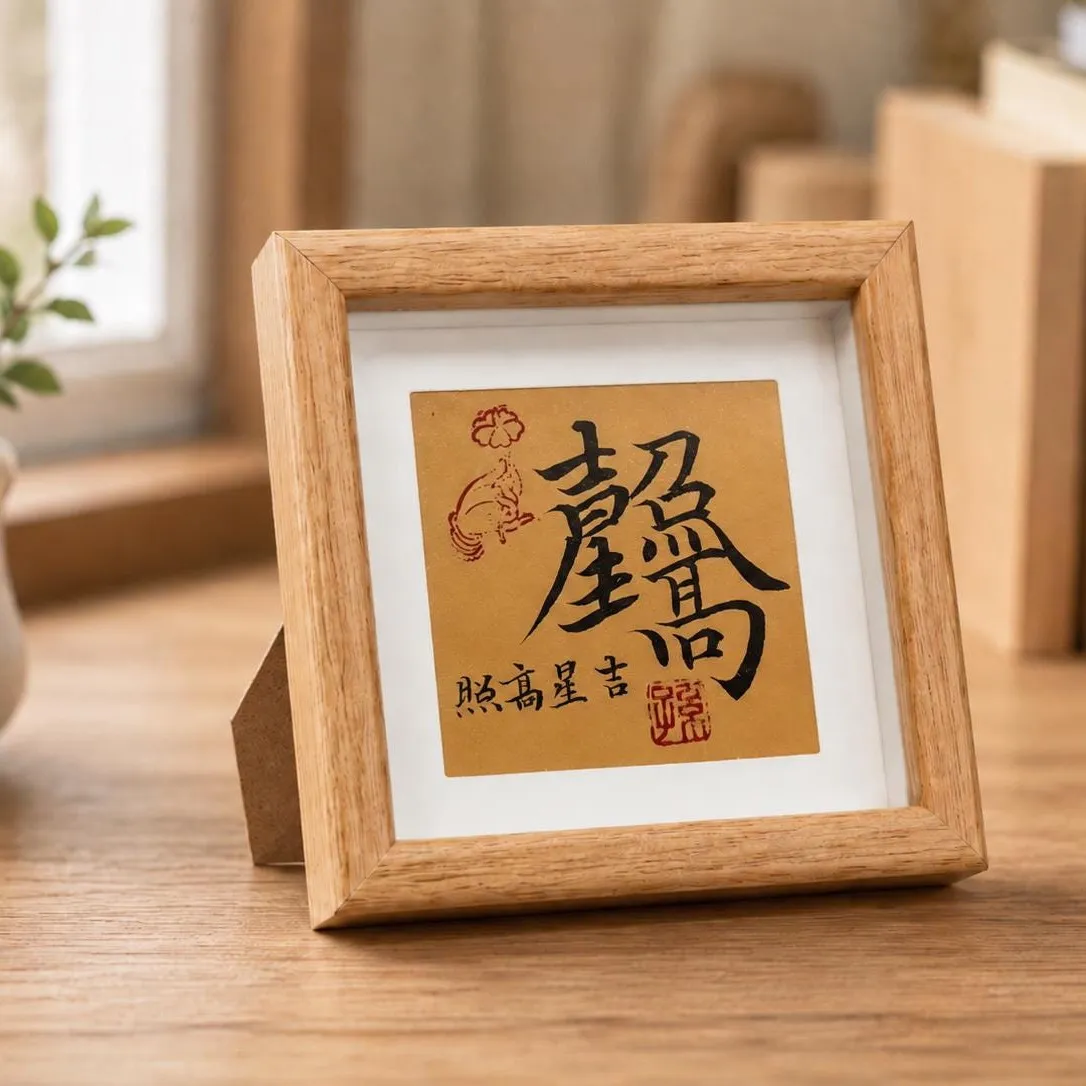
Photo shows a sample — yours will be brushed with 恕, or any character you choose.
Desk Frame — for desks, studies & studiosfrom $44→ -
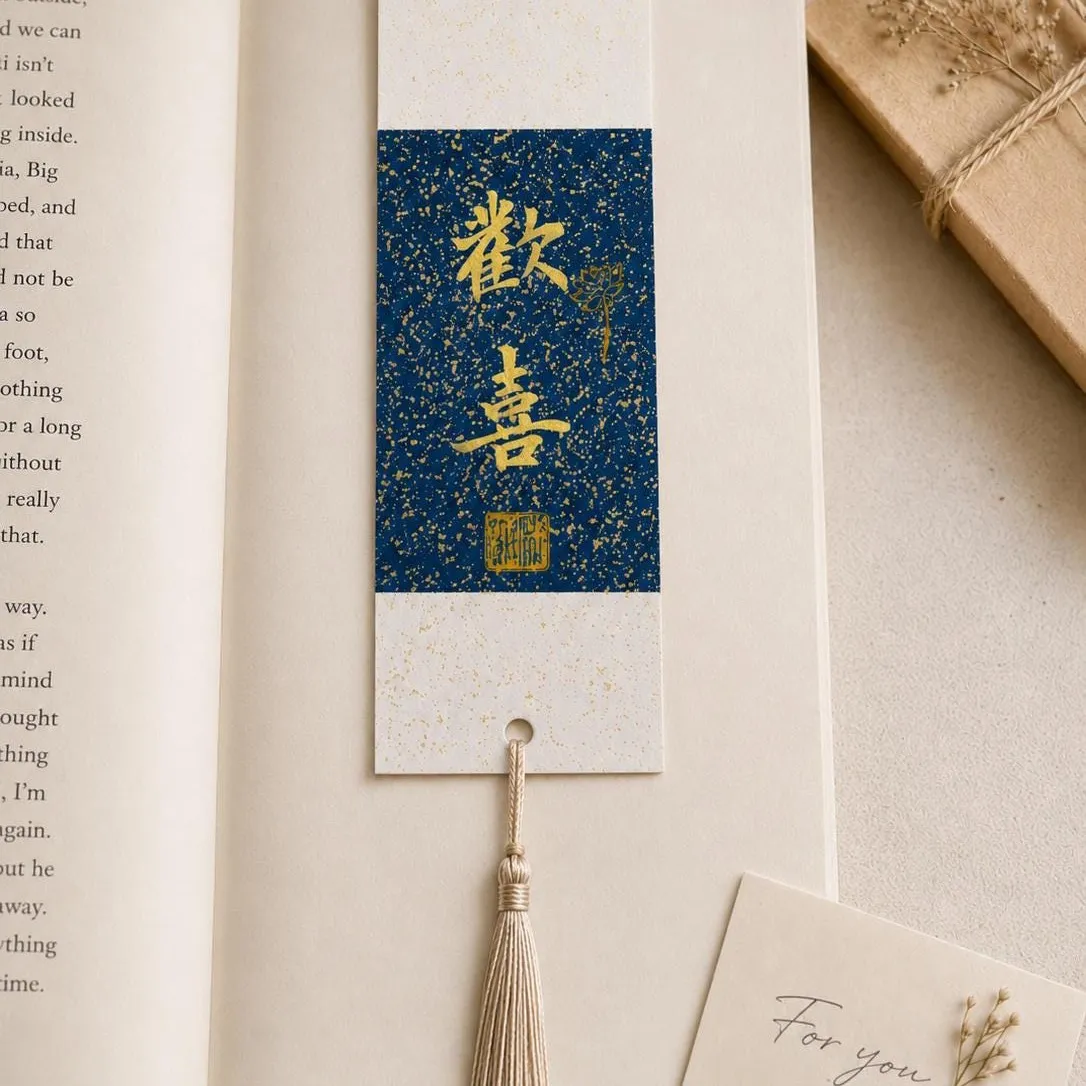
Photo shows a sample — yours will be brushed with 恕, or any character you choose.
Bookmark — for readers & small thank-yousfrom $17→

What people said after it arrived.
-
The item is fantastic. The customer service was genuine. Thanks!
— M.Verified purchase · from our Etsy shop reviews · -
They were great they gave me exactly what I asked for and then some. Thank you!!
— G.Verified purchase · from our Etsy shop reviews · -
It is well designed and customized. My daughter loves it. Amazing gift for family’s d friends
— S.Verified purchase · from our Etsy shop reviews ·
Each "恕" is hand-brushed by Artist Lina Sun on rice paper.
See 恕 (Shù) on Etsy →