上善若水 (shàng shàn ruò shuǐ) — Highest Goodness Like Water · Benefit Without Contention · Near the Way
A 4-character phrase, not a single character.
Brush 上善若水 on a scroll and most Chinese readers hear Laozi’s water chapter before they hear a greeting. The four characters open 《老子》第八章: highest goodness is like water — it benefits without contending, settles where others refuse to stay, and so comes near 道. See 善 → is the library’s page for goodness as a person’s disposition, the quiet compliment that makes a room go still. This phrase keeps a different tip. 上 grades the goodness as highest; 若 welds it to 水; the water figure carries the ethics. It is not a synonym for being kind, and it is not an English soft-power slogan about going with the flow.
The same chapter unpacks the figure before it closes. Water stays in the place the crowd dislikes, 故几于道. Then seven parallels list practiced skills — dwelling low, heart deep, dealings kind, speech trustworthy, governance ordered, work capable, timing right. The close is blunt: 夫唯不争,故无尤 — only because it does not contend is there no blame. Against the neighbours the fences stay clean. 善 names what a person is. 善缘 grades how a tie was made. 德 is character cultivated through practice. 谦 is humility of bearing. 上善若水 is water-shaped highest goodness: benefit without a fight for credit.
A hand-brushed 上善若水 by FuBlessings suits the friend whose strength has been useful without needing to win the room, the father whose care settled low and left no feud, the coworker whose credit does not require a contest, a birthday that should name non-contention rather than soft kindness alone, and a graduation that should wish water-like excellence after the diploma rather than another forecast of rank. It does not promise ease. It names the highest goodness that acts like water.
- highest goodness shaped like water — benefit without contention
- taking the low place others dislike — 处众人之所恶,故几于道
- non-contention that leaves no blame — 夫唯不争,故无尤
- a stance toward how excellence acts, not a request that luck arrive
- personal goodness / kindness alone That is 善 — a disposition resting on one person. 上善若水 adds the water ethics: highest goodness as how one acts in the world without contending.
- a connection formed well That is 善缘 — workmanship of a tie between two people. This phrase is not about affinity; it is about water-like excellence.
- cultivated moral character 德 names character accumulated through practice. 上善若水 can sit beside virtue talk, but its tip is the water figure of non-contention, not the full cultivated self.
- English 'go with the flow' / soft-power cliché English soft-flow talk often means passivity or trend-following. 上善若水 is classical ethics: benefit others, take the low place, leave no feud — not a weather metaphor for comfort.
The short arms are the point: these readings don’t reach it.
- 上 highestGrades the goodness as uppermost / supreme. No library single for 上.
- 善 goodnessLibrary page shan.md — goodness as disposition toward others. Here it is the named excellence shaped by water.
- 若 likeLikeness particle: as / like. No library single for 若. It welds 善 to the water figure.
- 水 waterThe ethical figure — benefits, settles low, does not contend. No library single for 水.
characters
- 利万物而不争 lì wàn wù ér bù zhēng benefit the ten thousand things and do not contend — the water clause that opens the chapter's argument
- 几于道 jī yú dào nearly the Way — water's low place as proximity to 道
- 不争 bù zhēng non-contention — the chapter's closing virtue; also family gloss under 让
- 上善 shàng shàn highest goodness — the grade this phrase places on 善
- 谦 qiān humility — sense-neighbour for low-place excellence; shares no character with 上善若水
Cinnabar marks the characters 上善若水 actually contains. The dark row is a relative by meaning or by sound, not one shared stroke.
The Story Behind the Character
Living Mandarin reaches for 上善若水 when the tip is excellence that behaves like water — it helps without fighting for credit, settles low, and leaves no quarrel behind. The four characters open 《老子》第八章 and have been brushed on scrolls, office walls, and graduation gifts for centuries. The Mainland reading is shàng shàn ruò shuǐ; the traditional graph is identical. Everyday speech keeps the water ethics intact: 上善若水 is not a soft English "go with the flow" postcard, and it is not a synonym for being merely nice.
The internal jobs split cleanly. 上 grades the goodness as highest. 善 is the library's goodness character — disposition toward others, sheep-over-eyes recognition of what is good — and [See 善 →](/library/shan/) keeps that personal thesis. 若 is the likeness particle: like, as. 水 is the figure that carries the ethics. There is no library single for 上, 若, or 水. Welded together, 善 stops being only a quality resting on one person; it becomes highest goodness shaped as water's way of acting in the world.
The rest of Laozi 8 unpacks the figure. Water benefits the ten thousand things and does not contend; it stays where others dislike staying, so it is nearly 道. Then seven parallels list how that excellence shows: dwelling, heart, dealings, speech, governance, work, timing. The chapter closes: only because it does not contend is there no blame. The gift scroll keeps that non-contention spine — not a request that luck arrive, and not a duplicate of the single-character 善 page.
Classical lines
- about a century
- c. 4th–3rd c. BCE 《老子》第八章
- c. 4th–3rd c. BCE 《老子》第八章
- c. 4th–3rd c. BCE 《老子》第八章
处众人之所恶,故几于道。 It stays in the place the crowd dislikes, and so it is nearly the Way.
After naming water's benefit-without-contention, Laozi locates highest goodness in the low place. The gift tip inherits this humility of position, not a scramble for the high seat.
居善地,心善渊,与善仁,言善信,政善治,事善能,动善时。 In dwelling, skilled at the low place; in heart, skilled at depth; in dealings, skilled at kindness; in speech, skilled at trust; in governance, skilled at order; in work, skilled at capability; in action, skilled at timing.
Seven parallels that unpack how water-like excellence acts. The phrase is not a mood; it is a list of practiced skills.
夫唯不争,故无尤。 Only because it does not contend is there no blame.
The chapter's close. Non-contention is not passivity; it is why the water-like good leaves no feud behind. The gift tip ends here.
Why This Character Matters
Calligraphy shops and office lobbies still hang 上善若水 when the wish is that someone's power or skill stay useful without becoming a fight for credit. Graduation tables and Father's Day shelves reach for it when "be kind" feels too thin and "be soft" feels like an English self-help slogan. The classical tip is sharper: highest goodness benefits like water, takes the low place, and because it does not contend, leaves no 尤 — no blame, no lasting quarrel.
Against library neighbours the fences stay clean. 善 is goodness as a person's disposition — what you are. 善缘 grades how a connection was made. 德 is character cultivated through practice. 谦 is humility of bearing. 上善若水 is the water-shaped ethics of highest goodness: benefit without contention — not a duplicate of the 善 page, and not an English soft-power cliché about going with the flow.
A few characters live near "上善若水" but mean something quieter, sharper, or more specific. Here's how to tell them apart.
highest goodness shaped like water — benefit without contention
goodness as a person's disposition — what they already are
water-like excellence as the named ethics
a connection formed well — the grade on how a tie was made
non-contention ethics figured as water
cultivated character accumulated through a lifetime of practice
A birthday can praise kindness already shown (善) or wish more ease ahead.
- A birthday can praise kindness already shown (善) or wish more ease ahead. 上善若水 names a different tip: the highest goodness shaped like water — helping without contending, taking the low place, leaving no feud. 善缘 grades how a tie was made; 德 names cultivated character. This phrase keeps Laozi's water ethics as the gift tip. For the birthday when recognition of non-contention beats a soft-power slogan.
- A diploma can wish brocade on the road or credit diligence already proven. 上善若水 names something quieter after the certificate: may excellence stay water-like — benefit others without racing for credit, stay near 道 by not contending. 前程似锦 paints the stretch ahead; 修身 asks for self-work first. This phrase keeps non-contention ethics, not a forecast of rank. For the graduate when the accurate gift is water-like highest goodness.
Looking for a name? See Western names written in Chinese →
-
What does 上善若水 (shàng shàn ruò shuǐ) mean?
上善若水 (shàng shàn ruò shuǐ) is a 4-character Chinese phrase for highest goodness like water, benefit without contention, near the way. Brush 上善若水 on a scroll and most Chinese readers hear Laozi's water chapter before they hear a greeting. The four characters open 《老子》第八章: highest goodness is like water — it benefits without contending, settles where others refuse to stay, and so comes near 道. See 善 → is the library's page for goodness as a person's disposition, the quiet compliment that makes a room go still. This phrase keeps a different tip. 上 grades the goodness as highest; 若 welds it to 水; the water figure carries the ethics. It is not a synonym for being kind, and it is not an English soft-power slogan about going with the flow. Calligraphy shops and office lobbies still hang 上善若水 when the wish is that someone's power or skill stay useful without becoming a fight for credit. Graduation tables and Father's Day shelves reach for it when "be kind" feels too thin and "be soft" feels like an English self-help slogan. The classical tip is sharper: highest goodness benefits like water, takes the low place, and because it does not contend, leaves no 尤 — no blame, no lasting quarrel.
-
What occasions is 上善若水 given for?
上善若水 is traditionally given for Birthday, Graduation. A birthday can praise kindness already shown (善) or wish more ease ahead. 上善若水 names a different tip: the highest goodness shaped like water — helping without contending, taking the low place, leaving no feud. 善缘 grades how a tie was made; 德 names cultivated character. This phrase keeps Laozi's water ethics as the gift tip. For the birthday when recognition of non-contention beats a soft-power slogan. A diploma can wish brocade on the road or credit diligence already proven. 上善若水 names something quieter after the certificate: may excellence stay water-like — benefit others without racing for credit, stay near 道 by not contending. 前程似锦 paints the stretch ahead; 修身 asks for self-work first. This phrase keeps non-contention ethics, not a forecast of rank. For the graduate when the accurate gift is water-like highest goodness.
-
Who brushes the 上善若水 calligraphy?
FuBlessings hand-brushes each 上善若水 (Shàng Shàn Ruò Shuǐ) to order, in ink on rice paper — never printed, never repeated.
Bring 上善若水 home — choose how you'd like it brushed.
-
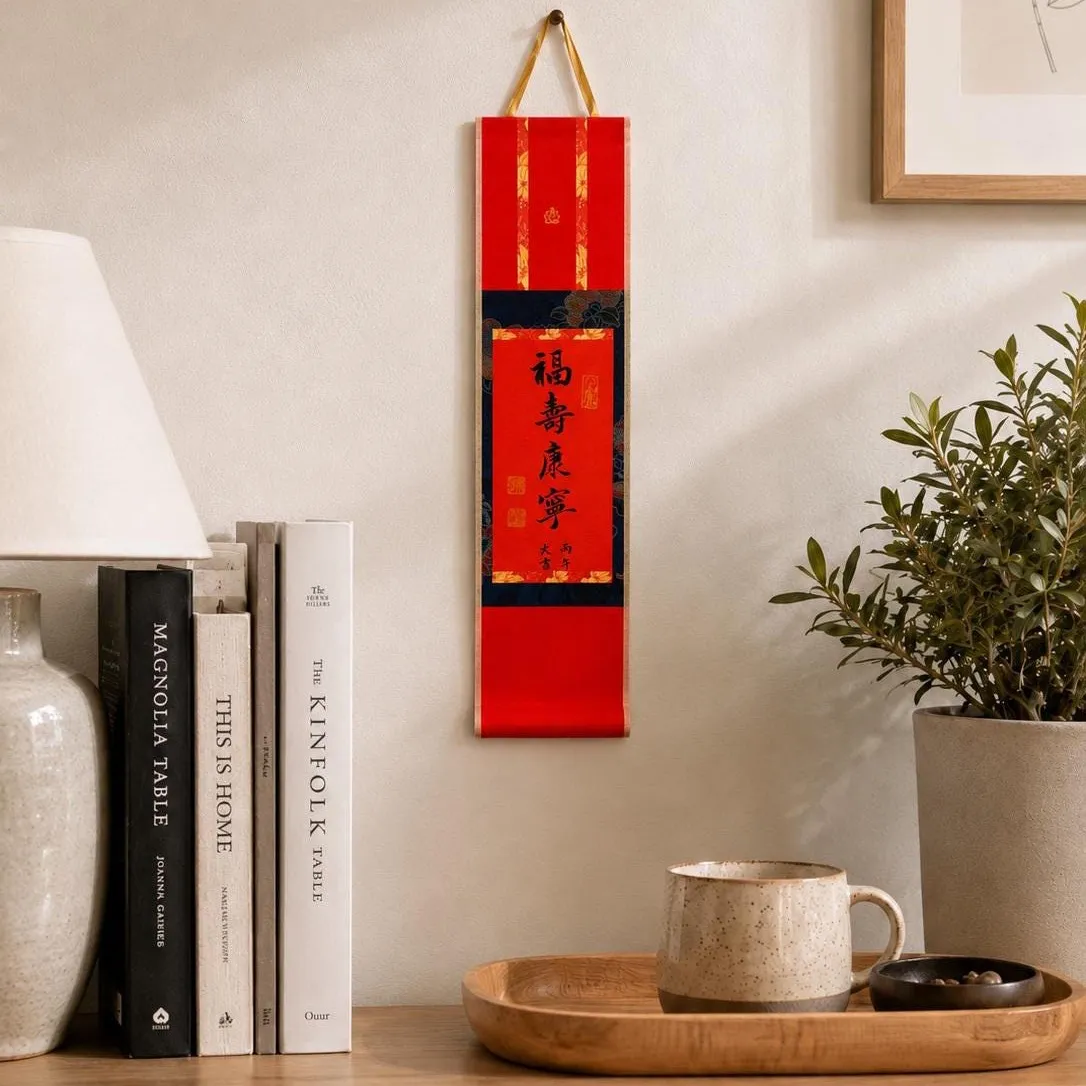
Photo shows a sample — yours will be brushed with 上善若水, or any character you choose.
Wall Scroll — for walls & housewarmingsfrom $38→ -
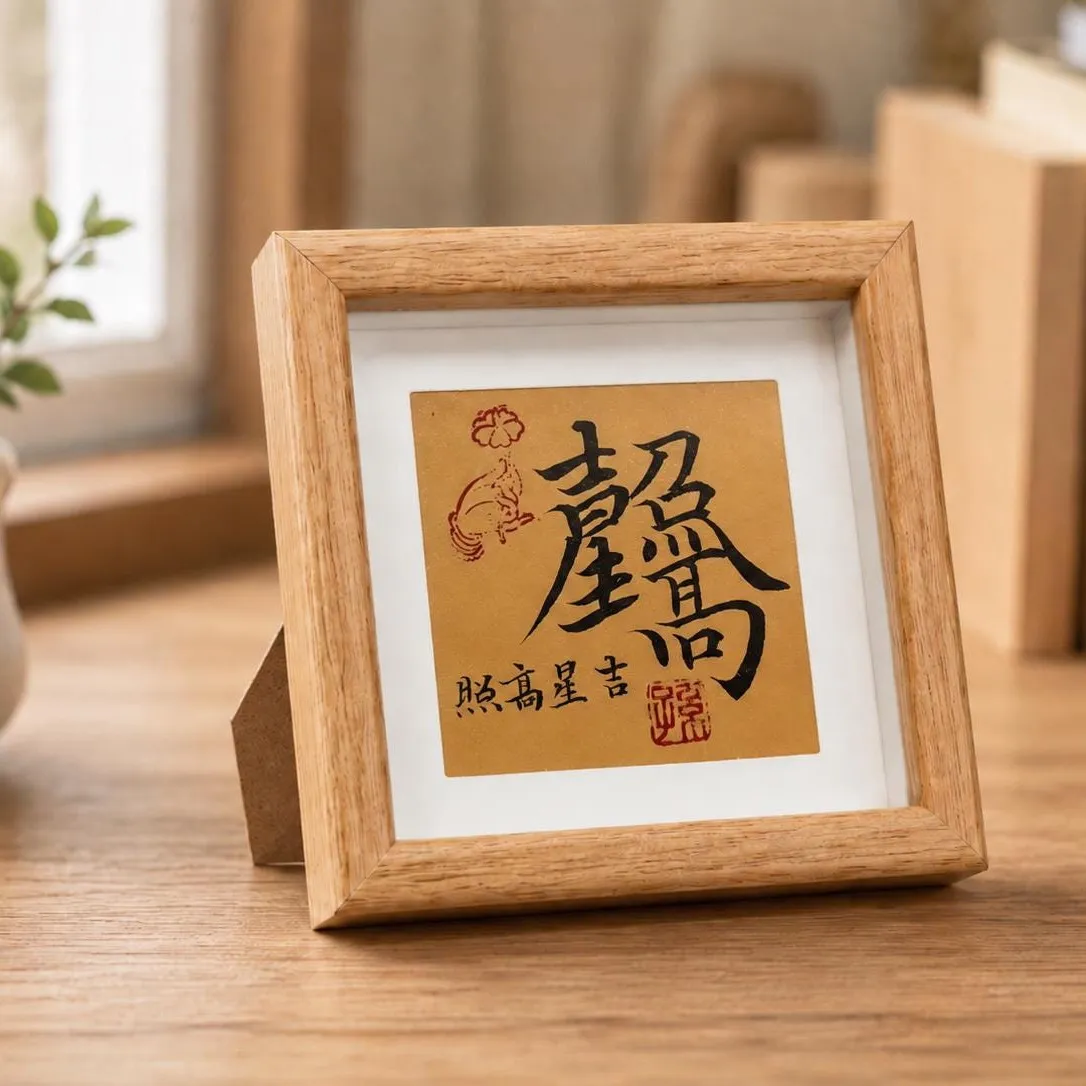
Photo shows a sample — yours will be brushed with 上善若水, or any character you choose.
Desk Frame — for desks, studies & studiosfrom $44→ -
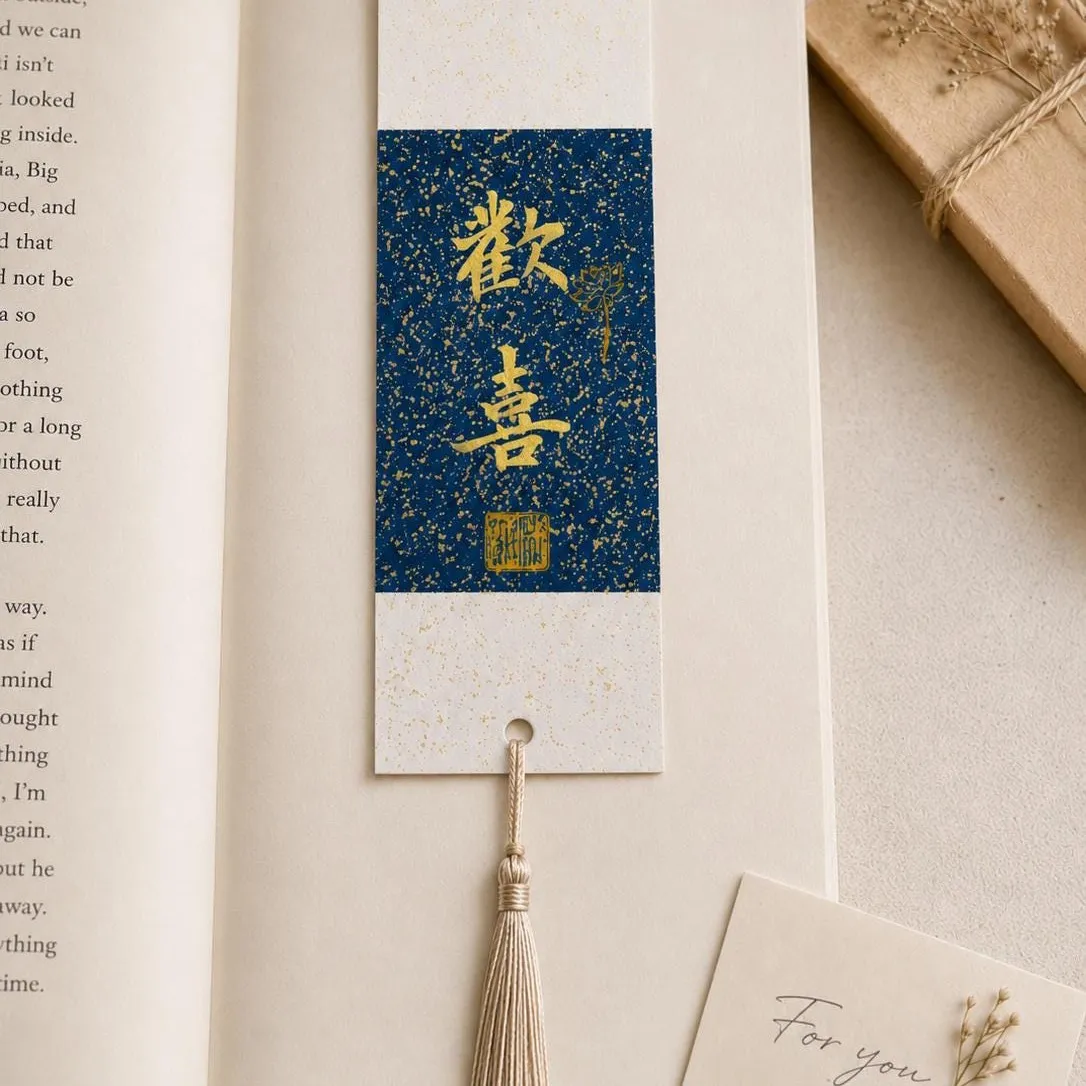
Photo shows a sample — yours will be brushed with 上善若水, or any character you choose.
Bookmark — for readers & small thank-yousfrom $14→

What people said after it arrived.
-
The item is fantastic. The customer service was genuine. Thanks!
— M.Verified purchase · from our Etsy shop reviews · -
They were great they gave me exactly what I asked for and then some. Thank you!!
— G.Verified purchase · from our Etsy shop reviews · -
It is well designed and customized. My daughter loves it. Amazing gift for family’s d friends
— S.Verified purchase · from our Etsy shop reviews ·
Each "上善若水" is hand-brushed by FuBlessings on rice paper.
See 上善若水 (Shàng Shàn Ruò Shuǐ) on Etsy →