清 (qīng) — Clarity · Purity · Freshness
A single character.
Most blessings wish someone more of something — more years, more fortune, more joy. 清 wishes the opposite: less. Less clutter, less murk, nothing stirred in that should not be there. It is the character for a life you can see straight to the bottom of — clear water, a clear conscience, a clear head. Where 明 (míng) names the power to perceive and 静 (jìng) names the stillness of a surface at rest, 清 names the transparency itself: not seeing well, not sitting quiet, but being clean all the way through. And where the pair 清雅 turns this clarity toward taste and refinement, 清 on its own keeps the plainer, weightier senses: clean conduct and a clear mind. See 明 → · See 清雅 →
You meet 清 everywhere the culture prizes the unclouded. It is the 清白 of an honest name and the 两袖清风 of the official who kept his sleeves empty; the 清心 the tired reach for and the 清静 a crowded life goes looking for; the 清秀 of fresh, fine features and the 清淡 of food seasoned to taste like itself. On 清明, families sweep the graves under rinsed spring skies, the festival and the state of mind sharing the one word. Each use points the same way — toward the fresh, the clean, the seen-through, and away from everything heavy and stirred up.
A hand-brushed “清” by Artist Lina Sun is the gift for the friend, mother, or wife whose particular clarity you have come to trust — the clear head, the clean conscience, the fresh and unforced way of being that never needed to announce itself. For a birthday or for Mother’s Day, it does not wish her more of anything. It names the rarer thing she already keeps: a life with nothing muddy in it, clear to the bottom.
- clear
- pure
- fresh
- limpid
- unclouded
- a clean conscience
- clean Clean names dirt removed. 清 names something never muddied to begin with — water clear to the bottom, not water scrubbed after the fact.
- quiet Silence is 静. 清 is clarity — a clear spring still runs and murmurs; what it lacks is not sound but murk.
- cold 清 is cool and refreshing (清凉), not cold. It clears and freshens rather than chills.
The short arms are the point: these readings don’t reach it.
- 氵 waterThe three-dot water radical. It fixes the character's root image in something liquid — a stream, a spring, a pool — and everything the character means grows out of what clear water is like.
- 青 blue-green clarity + sound青 (qīng) is the color of clear sky, deep water, and new growth. It lends 清 both its sound and its sense: water that has taken on that limpid, blue-green transparency.
character
- 清白 qīng bái clean and unstained — an upright, incorruptible character
- 清静 qīng jìng clear and still — peace free of disturbance
- 清秀 qīng xiù fresh and finely made — clean, delicate good looks
- 清风 qīng fēng a cool, fresh breeze — the emblem of an honest official (两袖清风)
- 清明 qīng míng clear and bright — lucidity of mind; also the spring tomb-sweeping festival
The Story Behind the Character
Pour spring water into a glass and let it settle: the moment you can read print through it, that is 清. The character joins 氵, water, to 青 — the blue-green the Chinese eye finds at once in a cloudless sky, a deep pool, and new bamboo — and the earliest dictionaries fixed the sense at exactly this. 《说文解字》 (Shuowen Jiezi, c. 100 CE) calls it 澄水之皃, the look of water gone still and see-through. Everything the character later came to mean radiates from that one property: not water cleaned of dirt, but water that was never muddied — transparent all the way down.
What makes 清 more than a description of streams is where the Chinese moral imagination carried it. If clear water is water with nothing stirred into it, then a 清 person is one with nothing corrupt stirred into them: 清白, clean and unstained; 清官, the honest magistrate who took no bribe; 两袖清风 — "a breeze in both sleeves" — the official who leaves office as empty-handed as he arrived. To call conduct 清 is to say it holds no sediment, that you can see straight to the bottom of it and find nothing hidden.
A third line runs inward. 清 is also the mind uncrowded — 清静, quiet and clear; 清心, a heart emptied of clutter; 清醒, awake and unclouded, the opposite of muddled. Where 明 names the power to see, 清 names the condition that makes seeing possible: nothing churned up between you and what is there. Clean water, clean conduct, a clear head — one image, carried in three directions.
Classical lines
沧浪之水清兮,可以濯吾缨;沧浪之水浊兮,可以濯吾足。 When the Canglang's waters run clear, I wash my hat-strings in them; when they run muddy, I wash my feet.
The fisherman's song made 清 a reading of the world and a test of the self: meet clear water with your best, muddy water with your least. To keep something 清 in yourself is to know which is which.
清静为天下正。 The clear and the still set the world right.
Laozi's claim that calm clarity, not force, is what actually orders things. 清 here is no private virtue but a governing power: the leader untroubled and transparent is the one others settle around.
洛阳亲友如相问,一片冰心在玉壶。 If friends in Luoyang should ask after me, tell them
a heart of ice in a jade pot. — Wang Changling's farewell to a departing friend became the classic image of 清白: a heart so clear and cold-pure that, sealed in flawless jade, it hides nothing and takes no stain. The purity of 清, made into a single unforgettable object.
Why This Character Matters
When the Ming official Yú Qiān refused the customary gifts an officeholder was expected to carry to the capital, he answered with a poem: he brought only 两袖清风 — "two sleeves of clear breeze" — and nothing more. The line stuck to him and then to a whole ideal: the incorruptible official whose sleeves, where bribes were traditionally tucked, held only air. 清 became the word an entire civil-service culture used to praise the one thing it could never guarantee — that power would stay clean.
The same word threads through daily life in gentler forms. 清明 names both a clarity of mind and the spring festival when families sweep ancestral graves under freshly rinsed skies; 清淡 is the cook's word for food seasoned lightly enough to taste like itself; 清秀 is the compliment paid to fresh, fine features. Across all of them runs the one preference the character encodes — for the transparent over the murky, the fresh over the heavy, the seen-through over the concealed. It is among the most common characters in Chinese given names for that reason: to choose it is to wish a child a life with nothing muddy in it.
清 reads as fresh, clean, and unpretentious — a wholesome, tasteful choice rather than a bold one. A Chinese person seeing it would connect it to clear water, an honest name (清白), and a cool, uncluttered temperament, and would likely find it elegant precisely because it does not shout. Calligraphy quality matters: the balance between the narrow water radical and the 青 body is what makes or breaks it.
Calligraphy Styles for Tattoos
- Regular script (楷书 kǎishū) Best for tattoos
11 strokes, cleanly split left-and-right: the three-dot water radical 氵 against the 青 body. Regular script keeps that division legible and the water dots distinct. Minimum recommended size: 1.5 inches.
- Running script (行书 xíngshū) Good for larger pieces
The 氵 and 青 flow into one another with fluid energy. Works best at 2+ inches, where the lower 月 element of 青 keeps its shape rather than closing up.
- Cursive script (草书 cǎoshū) Only with an expert calligrapher
In cursive, the water radical can collapse into a single sweeping stroke and merge with 青. Attempt only with a calligrapher who specializes in cursive.
Common Mistakes to Avoid
- Writing the left radical as 冫 (ice, two dots) instead of 氵 (water, three dots)Intended: 清 with the water radical 氵
清 takes 氵, the three-dot water radical. Replace it with the two-dot ice radical 冫 and you get 凊 (qìng, 'cool/cold') — a real but rare and different character. The number of dots is the whole difference between them.
- Rendering the lower right element of 青 as 日 instead of 月Intended: 清 with 青 written correctly
The bottom of 青 is 月, not 日. It is a small stroke difference that a native reader notices immediately — get it wrong and the right side is simply no longer 青.
Notes for Your Tattoo Artist
11 strokes. Keep 氵 narrow on the left and give 青 the width. The three water dots should step down in a slight diagonal rather than stacking straight; the horizontal strokes inside 青 want even spacing. A cramped, off-balance 青 is the most common proportion error.
A few characters live near "清" but mean something quieter, sharper, or more specific. Here's how to tell them apart.
clarity as a property of the thing itself — water, air, a conscience you can see through
clarity as perception — the mind's power to see what is actually there
clear and unmuddied — you can see to the bottom
quiet and unmoving — the surface at rest, whether clear or not
clear and limpid — thin, transparent, see-through
thick and unadulterated — rich, full-bodied genuineness
On a birthday, 清 is recognition rather than wish.
- On a birthday, 清 is recognition rather than wish. It does not ask for more years or more fortune; it names a quality the person already keeps — a clear head, a clean conscience, a fresh and unclouded way of moving through things. Where 明 recognizes the perception you rely on and 雅 recognizes cultivated taste, 清 recognizes transparency of character: someone you can see straight to the bottom of and find nothing hidden. Most apt for the friend, sister, or partner whose clarity you have watched hold, year after year.
- For the mother whose defining quality was clarity — the clean conscience she raised you by, the uncluttered calm she kept a household on, the fresh, unforced way she carried herself. 清 names what neither 慈 (tender love) nor 雅 (cultivated taste) quite reaches: the transparency of her character, a life with nothing murky folded into it. It does not wish her health or beauty; it recognizes the clear water she has always been to the people around her.
Looking for a name? See Western names written in Chinese →
-
What does 清 (qīng) mean?
清 (qīng) is the Chinese character for clarity, purity, freshness. Most blessings wish someone more of something — more years, more fortune, more joy. 清 wishes the opposite: less. Less clutter, less murk, nothing stirred in that should not be there. It is the character for a life you can see straight to the bottom of — clear water, a clear conscience, a clear head. Where 明 (míng) names the power to perceive and 静 (jìng) names the stillness of a surface at rest, 清 names the transparency itself: not seeing well, not sitting quiet, but being clean all the way through. And where the pair 清雅 turns this clarity toward taste and refinement, 清 on its own keeps the plainer, weightier senses: clean conduct and a clear mind. See 明 → · See 清雅 → When the Ming official Yú Qiān refused the customary gifts an officeholder was expected to carry to the capital, he answered with a poem: he brought only 两袖清风 — "two sleeves of clear breeze" — and nothing more. The line stuck to him and then to a whole ideal: the incorruptible official whose sleeves, where bribes were traditionally tucked, held only air. 清 became the word an entire civil-service culture used to praise the one thing it could never guarantee — that power would stay clean.
-
What occasions is 清 given for?
清 is traditionally given for Birthday, Mother's Day. On a birthday, 清 is recognition rather than wish. It does not ask for more years or more fortune; it names a quality the person already keeps — a clear head, a clean conscience, a fresh and unclouded way of moving through things. Where 明 recognizes the perception you rely on and 雅 recognizes cultivated taste, 清 recognizes transparency of character: someone you can see straight to the bottom of and find nothing hidden. Most apt for the friend, sister, or partner whose clarity you have watched hold, year after year. For the mother whose defining quality was clarity — the clean conscience she raised you by, the uncluttered calm she kept a household on, the fresh, unforced way she carried herself. 清 names what neither 慈 (tender love) nor 雅 (cultivated taste) quite reaches: the transparency of her character, a life with nothing murky folded into it. It does not wish her health or beauty; it recognizes the clear water she has always been to the people around her.
-
Is 清 a good Chinese tattoo?
清 reads as fresh, clean, and unpretentious — a wholesome, tasteful choice rather than a bold one. A Chinese person seeing it would connect it to clear water, an honest name (清白), and a cool, uncluttered temperament, and would likely find it elegant precisely because it does not shout. Calligraphy quality matters: the balance between the narrow water radical and the 青 body is what makes or breaks it.
-
Who brushes the 清 calligraphy?
Each 清 (Qīng) is hand-brushed to order by Artist Lina Sun in ink on rice paper — never printed, never repeated.
Bring 清 home — choose how you'd like it brushed.
-
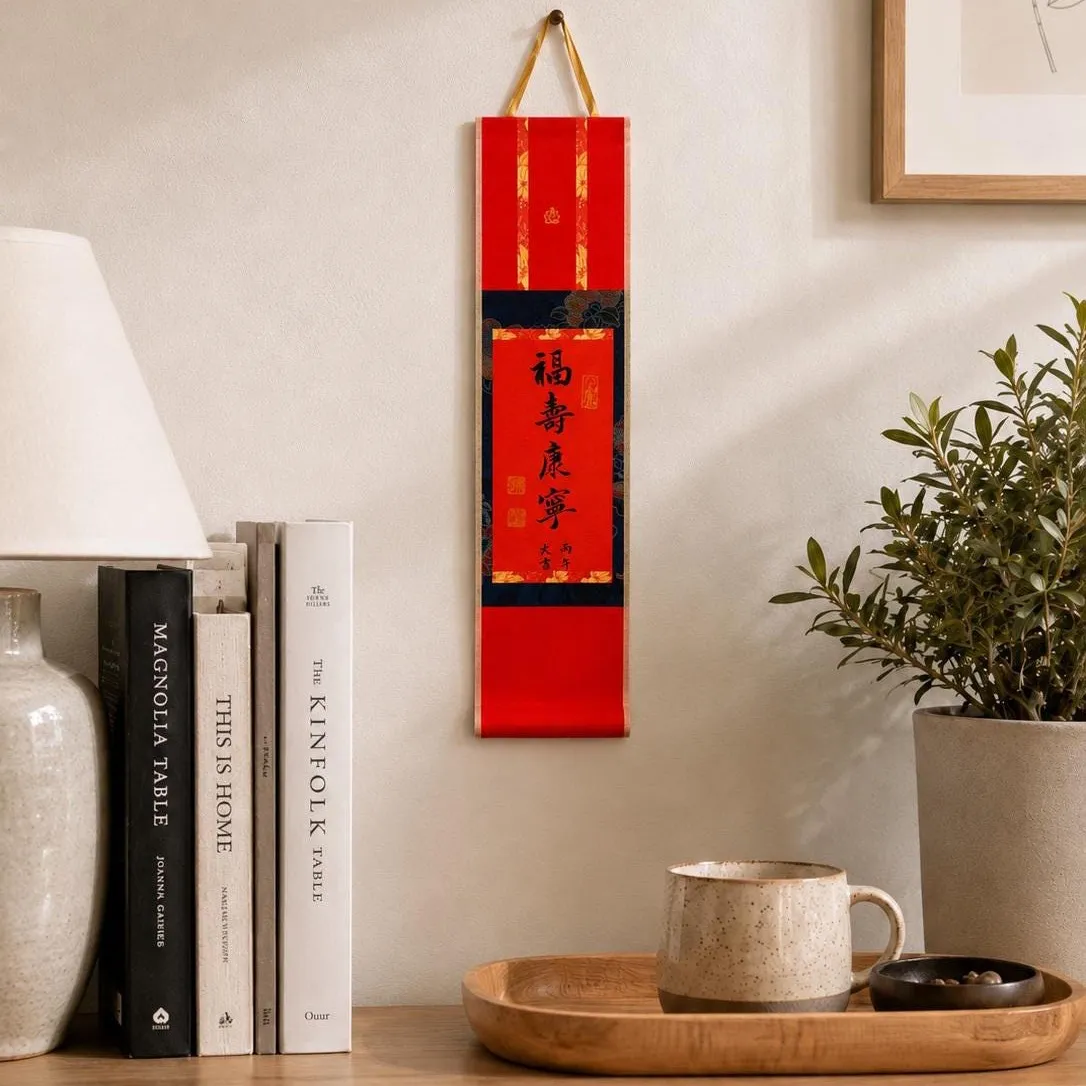
Photo shows a sample — yours will be brushed with 清, or any character you choose.
Wall Scroll — for walls & housewarmingsfrom $38→ -
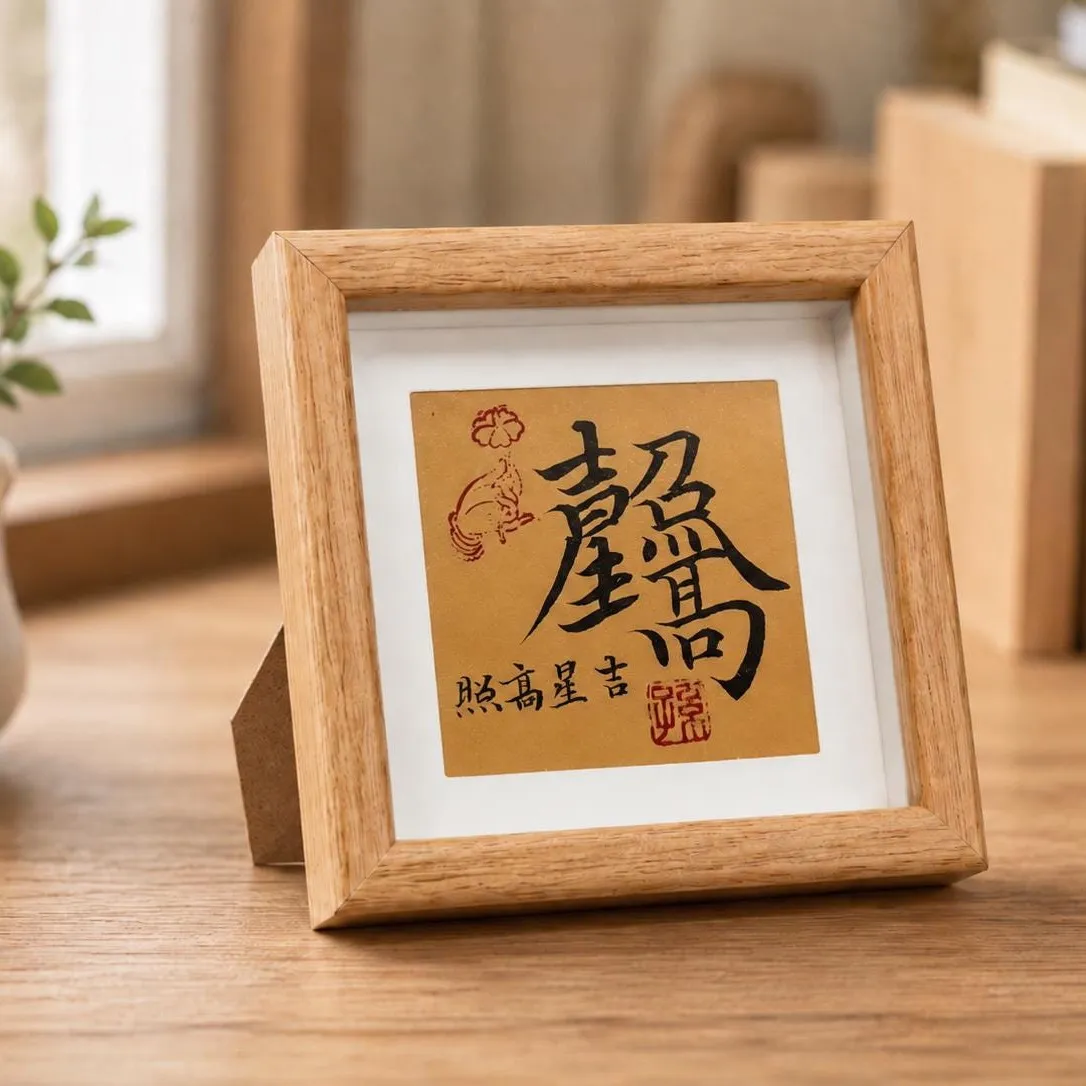
Photo shows a sample — yours will be brushed with 清, or any character you choose.
Desk Frame — for desks, studies & studiosfrom $44→ -
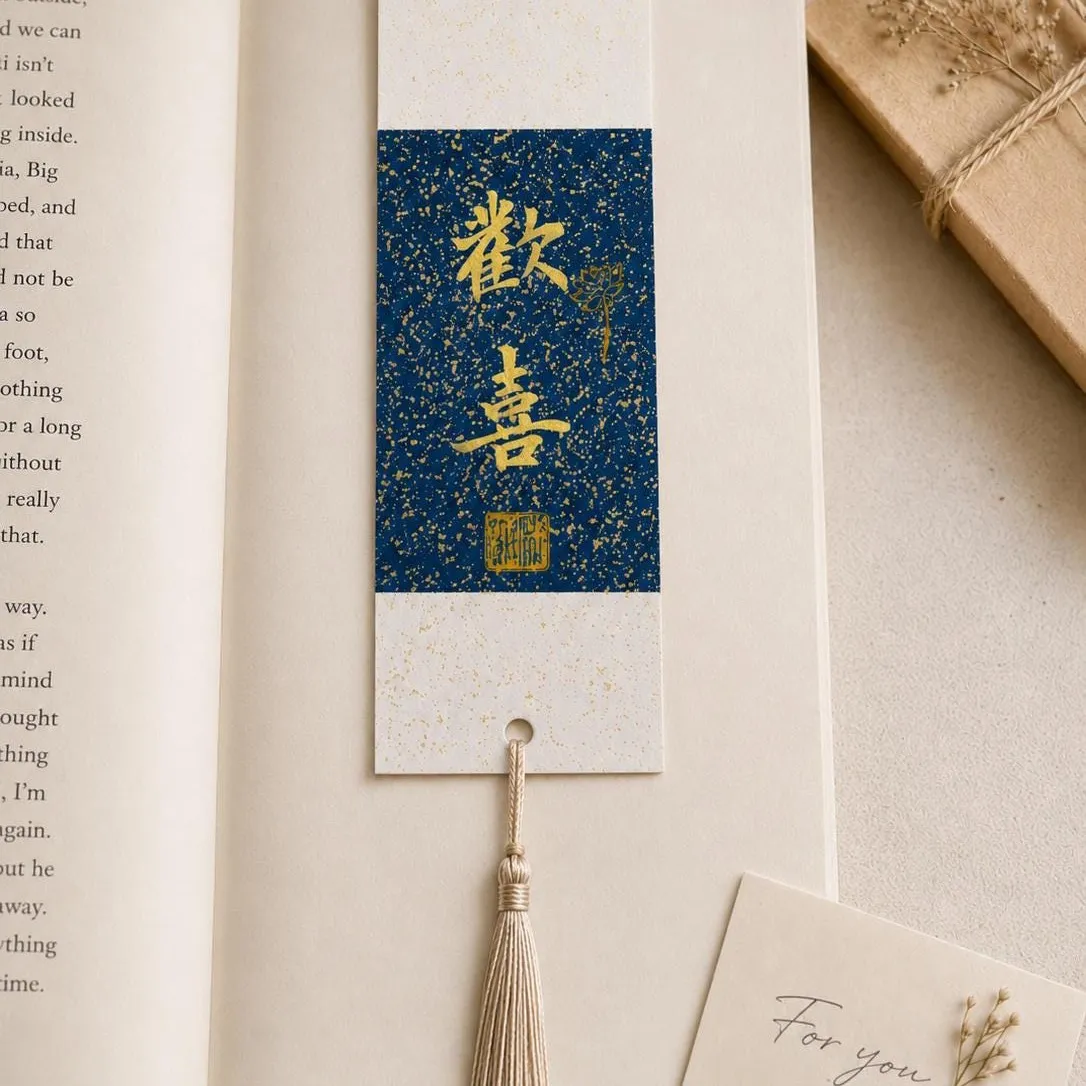
Photo shows a sample — yours will be brushed with 清, or any character you choose.
Bookmark — for readers & small thank-yousfrom $17→
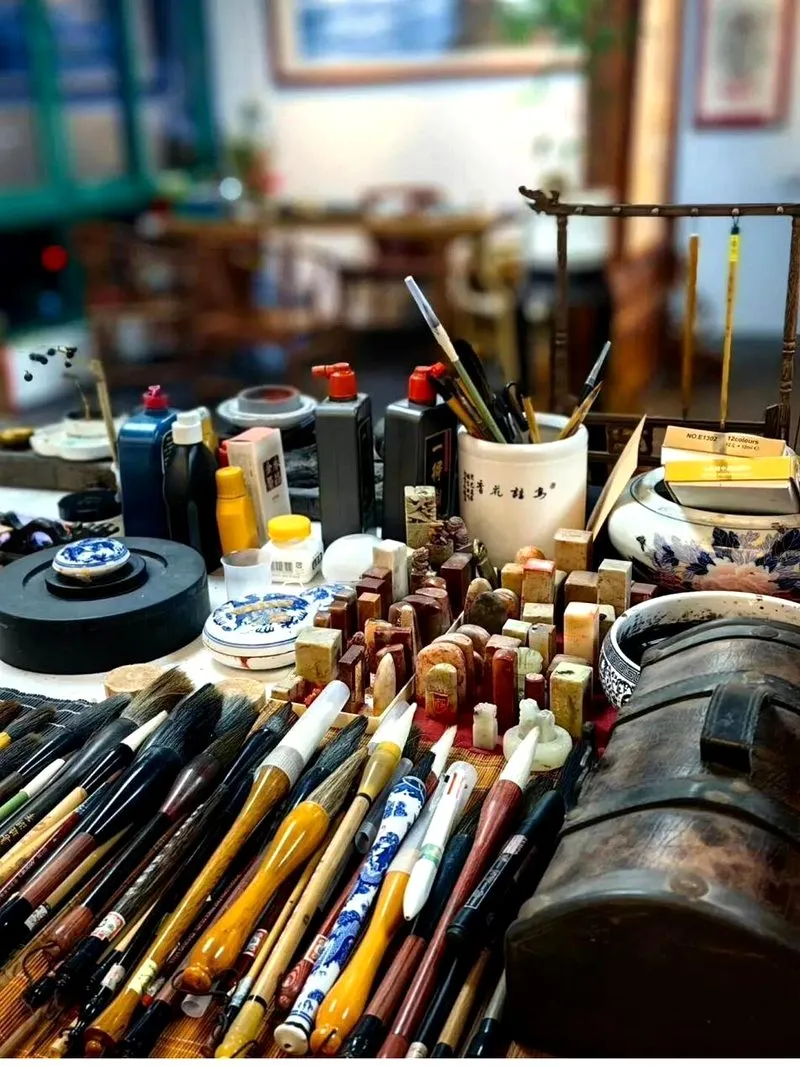
What people said after it arrived.
-
The item is fantastic. The customer service was genuine. Thanks!
— M.Verified purchase · from our Etsy shop reviews · -
They were great they gave me exactly what I asked for and then some. Thank you!!
— G.Verified purchase · from our Etsy shop reviews · -
It is well designed and customized. My daughter loves it. Amazing gift for family’s d friends
— S.Verified purchase · from our Etsy shop reviews ·
Each "清" is hand-brushed by Artist Lina Sun on rice paper.
See 清 (Qīng) on Etsy →