清雅 (qīng yǎ) — Pure Elegance · Fresh Refinement · Understated Grace
A two-character word, not a single character.
A room full of ornament can be bought; 清雅 cannot. The word binds two qualities Chinese taste has always wanted held together: the clarity of 清 — water you can see the bottom of, fresh, cool, unclouded — and the cultivated refinement of 雅, the sensibility that long attention to how things should be done slowly produces. Where 雅 alone names refined taste in general and 美 names beauty itself, 清雅 names a specific register of it: elegance kept clean and uncluttered, refinement that has been pared back rather than piled on. It is the opposite of 富丽, ornate richness — the beauty that comes from restraint and transparency instead of display. See 清 → · See 雅 →
The aesthetic runs all through the scholar’s world. The orchid was loved for its 清香, a fragrance so faint you lean in to find it; an ink painting was prized for carrying more white silk than brushwork; a tea set in pale celadon, a single plum branch in a plain jar — each is 清雅 because each reaches for the clear and the understated over the crowded and the rich. Said of a person, 清雅脱俗 describes someone whose grace is cool and unforced rather than glamorous, refined and standing a little clear of the common run. It is the freshness in the elegance that the word insists on — not just cultivated, but clean.
A hand-brushed “清雅” by Artist Lina Sun is the gift for the wife, mother, or friend whose refinement is the quiet, fresh kind — the eye that chooses the orchid over the bouquet, the room kept uncrowded, the taste you have come to trust precisely because it never announces itself. On a birthday or for Mother’s Day, it does not wish her elegance; it recognizes the clear, understated kind she already has.
The Story Behind the Character
Look into clear water and you can count the stones on the bottom — that seeing-through is what 清 names. The character sets 氵, the water radical, beside 青 (qīng), the blue-green of unclouded sky and deep pools, and 《说文》 glosses it 朗也,澄水之皃 — "bright; the look of water settled clear." From limpid water the sense fanned outward to everything water-clear can stand for: clean, pure, fresh, cool, quiet, unsullied. A 清 stream, a 清 morning, a 清 conscience — all share the one image of something you can see straight through, with nothing murky stirred up in it.
雅 came the other way, out of the library rather than the river. The 雅 odes were the court poems of the 《诗经》, the literary standard against which other writing was measured, and 雅言 was the correct court speech an educated person used across dialects. Over the centuries the word loosened from odes and pronunciation into a quality of person: the cultivated sensibility someone develops through long attention to how things should be done. [See 雅 →](/library/ya/) carries that whole history on its own.
Bound together the two correct each other. 清 alone is merely clear — it could be plain, even cold; 雅 alone is merely refined — it could tip into the ornate or the precious. 清雅 holds them in balance: refinement kept clean, elegance kept fresh, taste that is cultivated without ever becoming heavy. By the Six Dynasties the pair was the literati's word for exactly this register — the bearing of 清雅脱俗, refined and a little above the common run; the scent of orchid called 清雅; an ink painting carrying more white than ink. It names the elegance that restraint and clarity produce together, the opposite of richness on display.
Classical lines
- roughly 300 years
- c. 759 李白《经乱离后天恩流夜郎忆旧游书怀赠江夏韦太守良宰》
- 1063 周敦颐《爱莲说》
One further source is quoted below without a date printed, so it stays off the rail.
予独爱莲之出淤泥而不染,濯清涟而不妖。 I alone love the lotus
that it rises from the mud unstained, and bathed by clear ripples is yet not seductive. — Zhou Dunyi's lotus became the emblem of 清雅: purity that stays clean in dirty conditions (不染) and refinement that never tips into the gaudy (不妖). The two halves of the word, in one flower.
清水出芙蓉,天然去雕饰。 From clear water the lotus emerges, natural, with all the carving stripped away.
Li Bai's image of the highest elegance: a beauty so clean it looks unworked, owing nothing to ornament. It is 清雅 stated as a principle — the refined and the unadorned are the same thing.
明月松间照,清泉石上流。 The bright moon shines among the pines; the clear spring runs over the stones.
Wang Wei's couplet is the 清 aesthetic made landscape: clean light, clear water, nothing crowded or loud. It is the kind of scene a 清雅 sensibility is drawn to, and the kind of line only that sensibility could write.
Why This Character Matters
The literati kept a short list of plants for their studios, and the orchid sat near the top — prized not for color but for its 清香, a "clear fragrance" so faint you have to lean in to find it. That preference is 清雅 in miniature: the cultivated Chinese eye reached for the understated over the showy, the fresh over the rich, and built a whole aesthetic on it. A celadon cup, a plum branch in a plain jar, a scroll with more empty silk than brushwork — these were the marks of a 清雅 taste, and they were meant to be read as the opposite of 富丽, ornate wealth on display.
What set 清雅 apart from refinement in general was the insistence on clarity. 雅 could in principle be elaborate; 清雅 could not. The word named a refinement that had been kept clean — pared back, uncrowded, transparent as the water in 清. Applied to a person, it described someone whose elegance was cool and unforced rather than glamorous: 清雅脱俗, refined and standing a little clear of the common. It remains one of the most quietly admiring things you can say about a woman's bearing or a place's atmosphere — that it is not just beautiful, but clear.
清雅 on a birthday names a refinement of a particular register — the clean, fresh kind rather than the rich or glamorous.
- 清雅 on a birthday names a refinement of a particular register — the clean, fresh kind rather than the rich or glamorous. It is recognition, not wish: the years have produced a taste that is limpid and unshowy, the bearing Chinese calls 清雅脱俗, refined and a little above the common run. Where 雅 names cultivated sensibility broadly and 美 names beauty itself, 清雅 names the specific tone of it — elegance kept clear and uncluttered. Most apt when the recipient's grace is the understated sort you have watched settle over years.
- For the mother whose taste ran clean rather than ornate — the orchid-and-ink kind of refinement, where a single sprig in a plain vase said more than a crowded room could. 清雅 names what her restraint produced: a household that felt fresh and uncluttered, an eye that reached for the limpid over the lavish. More specific than 雅 alone, which names cultivated taste in general, 清雅 names its register — the cool, clear elegance you grew up inside long before you had the word for it.
Looking for a name? See Western names written in Chinese →
-
What does 清雅 (qīng yǎ) mean?
清雅 (qīng yǎ) is a two-character Chinese word for pure elegance, fresh refinement, understated grace. A room full of ornament can be bought; 清雅 cannot. The word binds two qualities Chinese taste has always wanted held together: the clarity of 清 — water you can see the bottom of, fresh, cool, unclouded — and the cultivated refinement of 雅, the sensibility that long attention to how things should be done slowly produces. Where 雅 alone names refined taste in general and 美 names beauty itself, 清雅 names a specific register of it: elegance kept clean and uncluttered, refinement that has been pared back rather than piled on. It is the opposite of 富丽, ornate richness — the beauty that comes from restraint and transparency instead of display. See 清 → · See 雅 → The literati kept a short list of plants for their studios, and the orchid sat near the top — prized not for color but for its 清香, a "clear fragrance" so faint you have to lean in to find it. That preference is 清雅 in miniature: the cultivated Chinese eye reached for the understated over the showy, the fresh over the rich, and built a whole aesthetic on it. A celadon cup, a plum branch in a plain jar, a scroll with more empty silk than brushwork — these were the marks of a 清雅 taste, and they were meant to be read as the opposite of 富丽, ornate wealth on display.
-
What occasions is 清雅 given for?
清雅 is traditionally given for Birthday, Mother's Day. 清雅 on a birthday names a refinement of a particular register — the clean, fresh kind rather than the rich or glamorous. It is recognition, not wish: the years have produced a taste that is limpid and unshowy, the bearing Chinese calls 清雅脱俗, refined and a little above the common run. Where 雅 names cultivated sensibility broadly and 美 names beauty itself, 清雅 names the specific tone of it — elegance kept clear and uncluttered. Most apt when the recipient's grace is the understated sort you have watched settle over years. For the mother whose taste ran clean rather than ornate — the orchid-and-ink kind of refinement, where a single sprig in a plain vase said more than a crowded room could. 清雅 names what her restraint produced: a household that felt fresh and uncluttered, an eye that reached for the limpid over the lavish. More specific than 雅 alone, which names cultivated taste in general, 清雅 names its register — the cool, clear elegance you grew up inside long before you had the word for it.
-
Who brushes the 清雅 calligraphy?
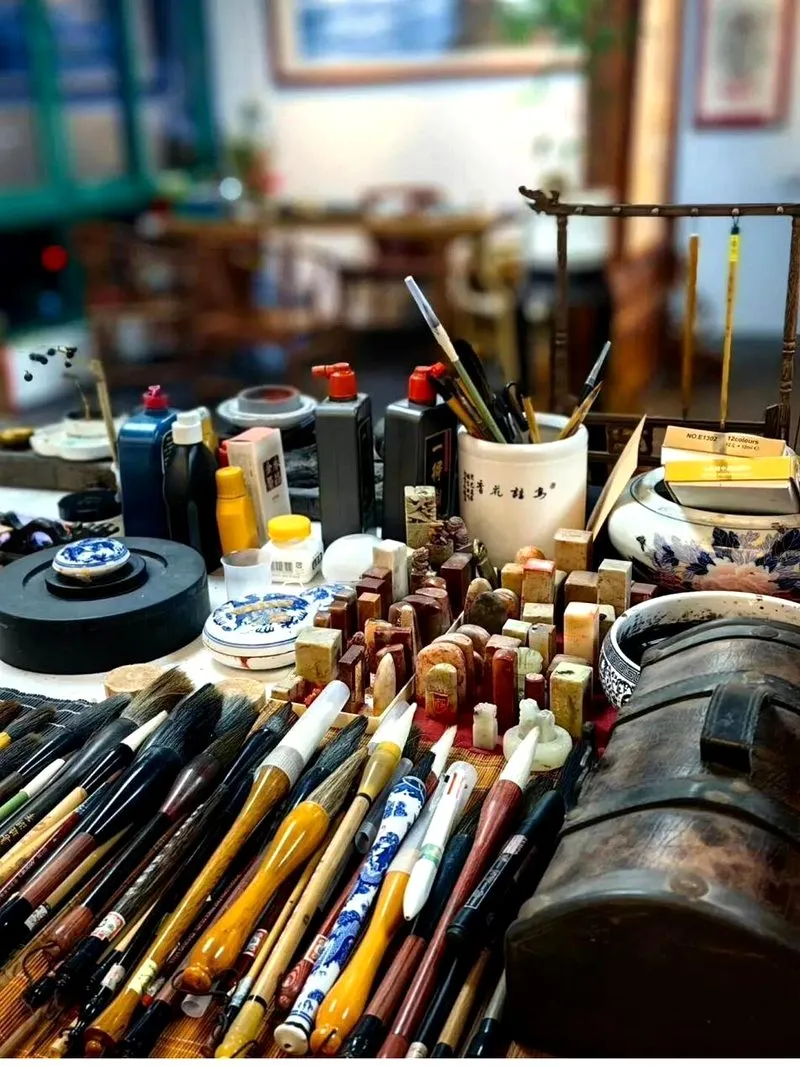
Each 清雅 (Qīng Yǎ) is hand-brushed to order by Artist Lina Sun in ink on rice paper — never printed, never repeated.
Bring 清雅 home — choose how you'd like it brushed.
-
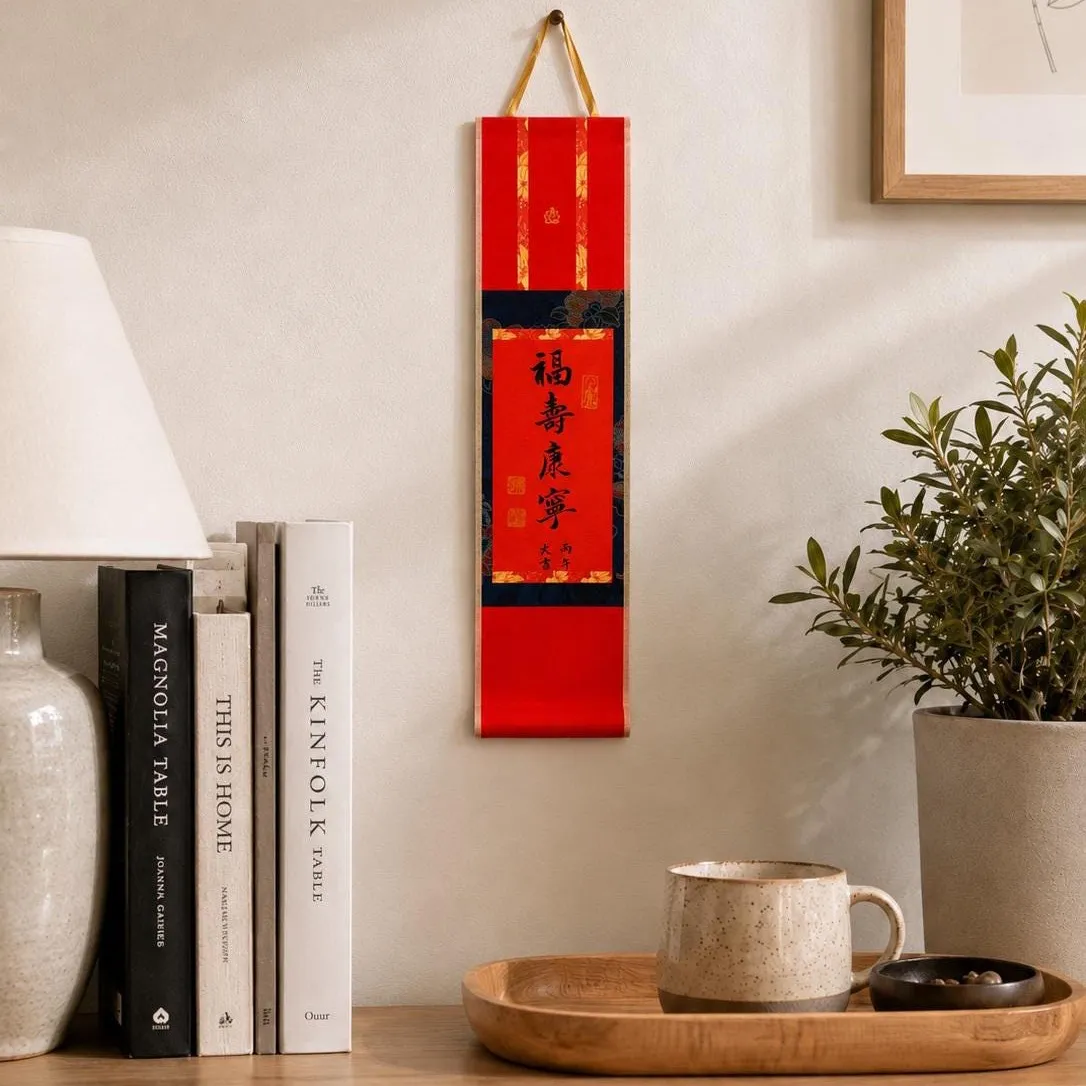
Photo shows a sample — yours will be brushed with 清雅, or any character you choose.
Wall Scroll — for walls & housewarmingsfrom $38→ -
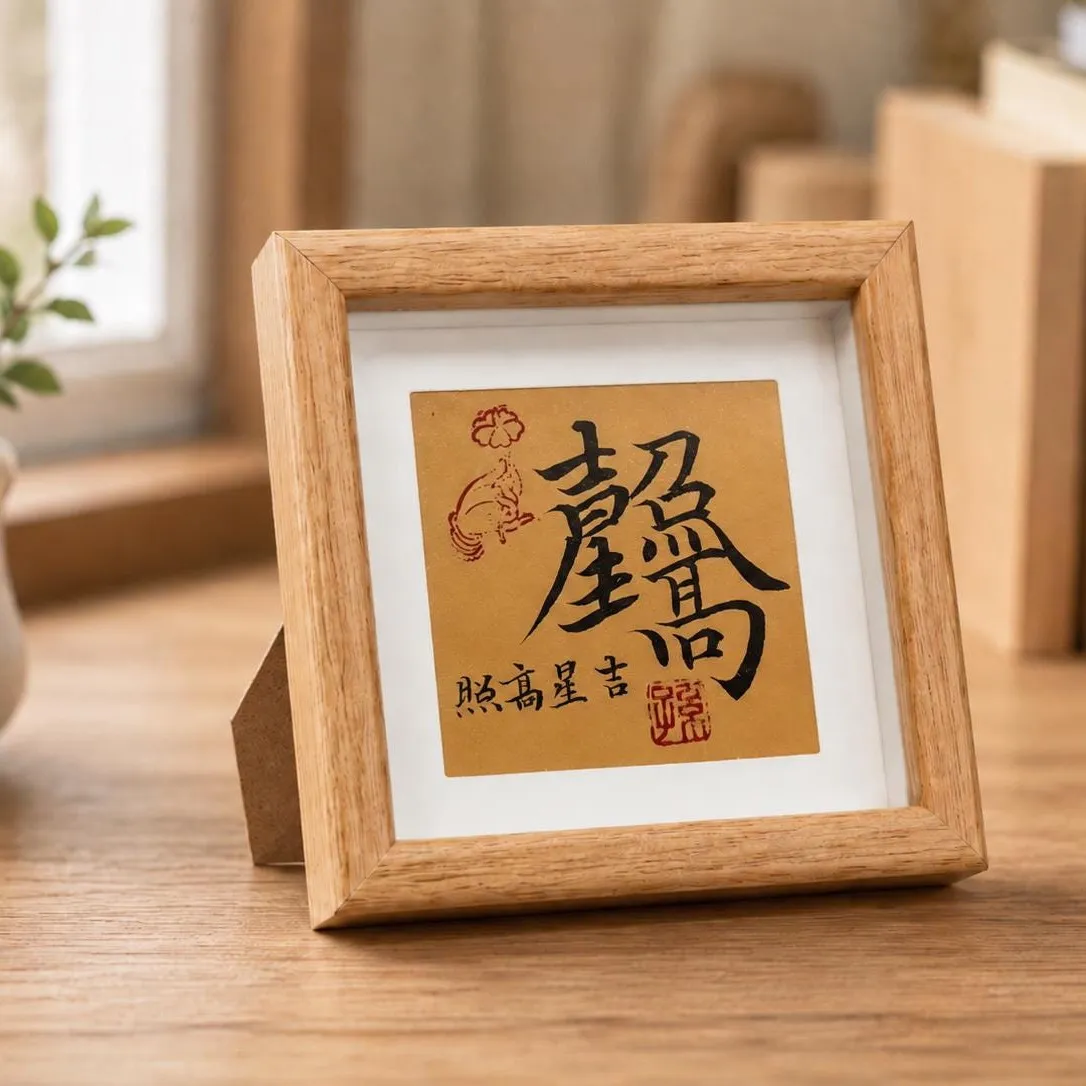
Photo shows a sample — yours will be brushed with 清雅, or any character you choose.
Desk Frame — for desks, studies & studiosfrom $44→ -
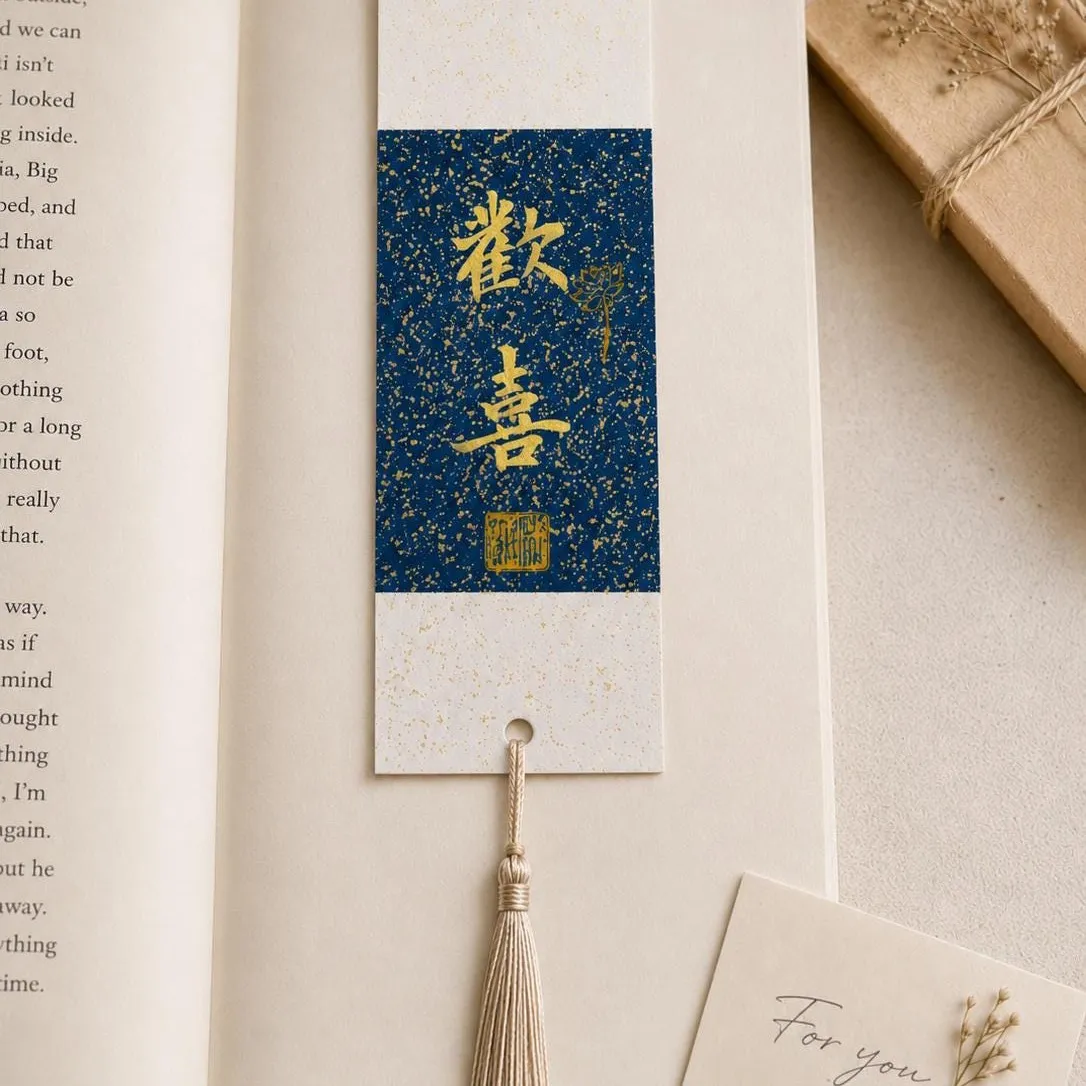
Photo shows a sample — yours will be brushed with 清雅, or any character you choose.
Bookmark — for readers & small thank-yousfrom $17→
What people said after it arrived.
-
The item is fantastic. The customer service was genuine. Thanks!
— M.Verified purchase · from our Etsy shop reviews · -
They were great they gave me exactly what I asked for and then some. Thank you!!
— G.Verified purchase · from our Etsy shop reviews · -
It is well designed and customized. My daughter loves it. Amazing gift for family’s d friends
— S.Verified purchase · from our Etsy shop reviews ·
Each "清雅" is hand-brushed by Artist Lina Sun on rice paper.
See 清雅 (Qīng Yǎ) on Etsy →