谦和 (qiān hé) — Modest and Amiable · Capability Held Lightly · Unassuming Ease
A two-character word, not a single character.
The hardest thing to forgive in a talented person is that they so often make you feel it. 谦和 names the rare one who does not. The pair binds an inward discipline to an outward ease: the modesty of See 谦 → — real capability held lightly, the claim left unmade — and the harmony of See 和 → — different people fitting together without anyone forced to play the same note. Modesty alone can stay cold and private; harmony alone can drift into agreeing with everything. Held together as 谦和 they become one temperament: ability that makes room for others, and the level ease people feel once it has. Unlike 谦逊, which names how a person carries themselves, 谦和 is measured entirely in how easy they are to be near.
You hear it most where Chinese sums up a life or a character it approved of. The dynastic histories settle a well-liked official with three words — 为人谦和, “modest and amiable in how he dealt with people” — and the phrase still does that work today, in the reference letter, the retirement speech, the quiet verdict passed on a good boss. It is the near-twin of 平易近人, approachable; both rule out the same thing, the capable person who is exhausting to stand beside. Confucius gave the harmony half its enduring shape — 君子和而不同, harmony without sameness — and Mencius gave the modest half its warmest form in Shun, the sage who took the good from everyone and made it common. 谦和 is what both look like worn as an everyday manner.
A hand-brushed “谦和” by Artist Lina Sun is the gift for the boss, colleague, or friend whose competence never came with a cost to the people around it — the senior who stayed reachable, the graduate whose talent arrives without announcement, the coworker everyone found easy to sit level with. On a graduation it names the manner worth carrying into every room ahead; on a birthday it recognizes the temperament others have leaned on for years. It does not wish them ability they already have. It names the rarer thing they kept beside it: the ease that let everyone come close.
The Story Behind the Character
Of the two characters, only one carries the speech radical, and it tells you where the pair begins. 谦 was built around 言 — humility located not in what a person feels but in how they talk about themselves, the discipline of declining to make the claim their ability would justify. Kept entirely inside one person, that restraint is just modesty. The moment it turns toward someone else it does something visible: it makes room. 谦和 is the name for what fills that room.
Each half arrives with its own long argument. [See 谦 →](/library/qian/) is the choice to stay low on purpose — 满招损,谦受益, fullness invites loss and modesty keeps the gains coming; not a small estimate of yourself, but the deliberate work of leaving space to grow. [See 和 →](/library/he/) began as a sound, a reed mouth-organ whose separate pipes fit into one chord, and Confucius made it his sharpest distinction: 君子和而不同 — harmony is different notes arranged so they belong, never everyone forced onto the same one. Bound together they describe a single temperament. The 谦 keeps a capable person from looming over a room; the 和 is what others feel in the level space that leaves.
The pair became the verdict the dynastic histories reached for when summing up a figure people had simply liked — 性谦和, 为人谦和, the official anyone could approach without bracing first. What kept it from going slack is that each half corrects the other. 谦 without 和 can curdle into a cold, withholding modesty that keeps people at arm's length; 和 without 谦 can soften into going along with everything to keep the peace. Held as 谦和, the modesty stays warm and the amiability stays honest — capability that makes room, and ease that has a spine.
Classical lines
- roughly 150 years
- c. 400 BCE 《中庸》
- c. 300 BCE 《孟子·公孙丑上》
- c. 3rd c. BCE 《周易·谦卦·象传》
劳谦君子,万民服也。 The hardworking, modest gentleman
and the people give him their allegiance. — From the one hexagram in the Book of Changes whose every line is fortunate. It names the exact hinge of 谦和: humility is not only an inward virtue but the thing that quietly wins others over. The modest person does not demand to be followed, which is precisely why they are.
君子莫大乎与人为善。 There is nothing greater in a person of character than joining with others in doing good.
Mencius is describing the sage Shun, who took what was good from everyone around him and made it shared. It is 谦和 as a way of being with people: low enough to learn from anyone (谦), open enough to make the good a common thing rather than a personal trophy (和).
致中和,天地位焉,万物育焉。 Reach centered harmony, and heaven and earth take their places, and all things are nourished.
The Confucian canon's largest claim for 和: that harmony rightly tuned is what lets everything else come into its own. Scaled down to a person, it is what 谦和 does in a room — the unassuming presence under which other people, and other ideas, are given the space to grow.
Why This Character Matters
In a Chinese reference letter, a retirement tribute, or a eulogy, 谦和 is doing one very specific job: it certifies that a capable person was never hard to be near. It is the close cousin of 平易近人, "approachable" — literally "level and easy, near to people" — and the two are often said in the same breath. The reason it counts as high praise is that it rules out exactly the failure ability tends to produce. The talented are easy to admire and, very often, tiring to stand beside; 谦和 is the word that says this one was both — good at the work and good to be around.
The pairing also marks a quiet boundary that native speakers hear without thinking about it. 谦和 is warmer and more social than 谦逊 (deferential bearing), which describes how you carry yourself, and more grounded than 温润 (jade-smooth warmth), which describes a refined texture of character. 谦和 is measured in a single practical test: how easy you are to approach. It is most often said of the senior person who did not pull rank — the boss who stayed reachable, the elder who let the young speak first, the accomplished colleague who somehow never made you feel the distance.
For the graduate whose gift should name a manner rather than a destination.
- For the graduate whose gift should name a manner rather than a destination. 前程似锦 wishes the road ahead; 谦和 names how to walk into every room on it. The professional world rewards the capable person who is also easy to work beside — who holds new credentials lightly (谦) and lets a team form around them without friction (和). For the new graduate whose talent is real, and whose best introduction to it is that nobody had to be told — the bearing that keeps a door open instead of announcing that you have arrived.
- For the colleague, boss, or friend whose years have proved a quiet thing: that being good at something never once made them hard to be around. 谦和 is recognition, not a wish — it certifies the rarest pairing in a capable person, real ability that stays unannounced (谦) and a real ease that lets everyone sit level with them (和). Where 才华 names the talent and 谦 names the modesty alone, 谦和 names the whole temperament others have leaned on for years: approachable, unassuming, and never cold about it.
Looking for a name? See Western names written in Chinese →
-
What does 谦和 (qiān hé) mean?
谦和 (qiān hé) is a two-character Chinese word for modest and amiable, capability held lightly, unassuming ease. The hardest thing to forgive in a talented person is that they so often make you feel it. 谦和 names the rare one who does not. The pair binds an inward discipline to an outward ease: the modesty of See 谦 → — real capability held lightly, the claim left unmade — and the harmony of See 和 → — different people fitting together without anyone forced to play the same note. Modesty alone can stay cold and private; harmony alone can drift into agreeing with everything. Held together as 谦和 they become one temperament: ability that makes room for others, and the level ease people feel once it has. Unlike 谦逊, which names how a person carries themselves, 谦和 is measured entirely in how easy they are to be near. In a Chinese reference letter, a retirement tribute, or a eulogy, 谦和 is doing one very specific job: it certifies that a capable person was never hard to be near. It is the close cousin of 平易近人, "approachable" — literally "level and easy, near to people" — and the two are often said in the same breath. The reason it counts as high praise is that it rules out exactly the failure ability tends to produce. The talented are easy to admire and, very often, tiring to stand beside; 谦和 is the word that says this one was both — good at the work and good to be around.
-
What occasions is 谦和 given for?
谦和 is traditionally given for Graduation, Birthday. For the graduate whose gift should name a manner rather than a destination. 前程似锦 wishes the road ahead; 谦和 names how to walk into every room on it. The professional world rewards the capable person who is also easy to work beside — who holds new credentials lightly (谦) and lets a team form around them without friction (和). For the new graduate whose talent is real, and whose best introduction to it is that nobody had to be told — the bearing that keeps a door open instead of announcing that you have arrived. For the colleague, boss, or friend whose years have proved a quiet thing: that being good at something never once made them hard to be around. 谦和 is recognition, not a wish — it certifies the rarest pairing in a capable person, real ability that stays unannounced (谦) and a real ease that lets everyone sit level with them (和). Where 才华 names the talent and 谦 names the modesty alone, 谦和 names the whole temperament others have leaned on for years: approachable, unassuming, and never cold about it.
-
Who brushes the 谦和 calligraphy?
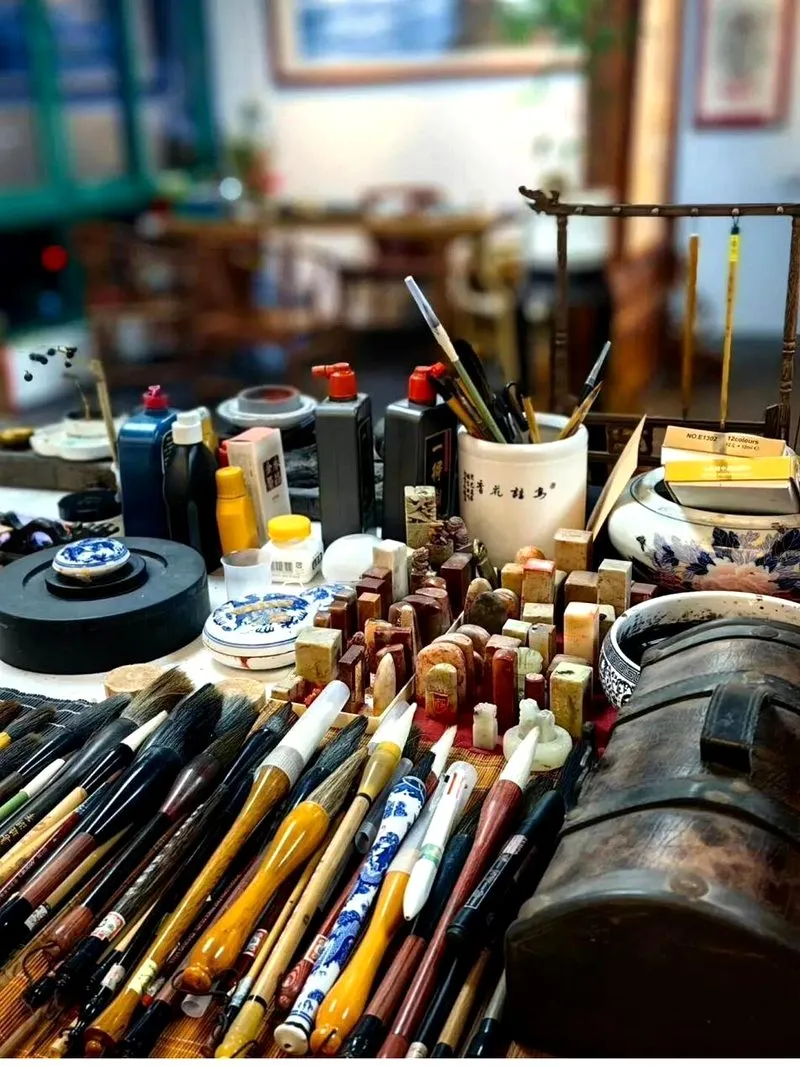
Each 谦和 (Qiān Hé) is hand-brushed to order by Artist Lina Sun in ink on rice paper — never printed, never repeated.
Bring 谦和 home — choose how you'd like it brushed.
-
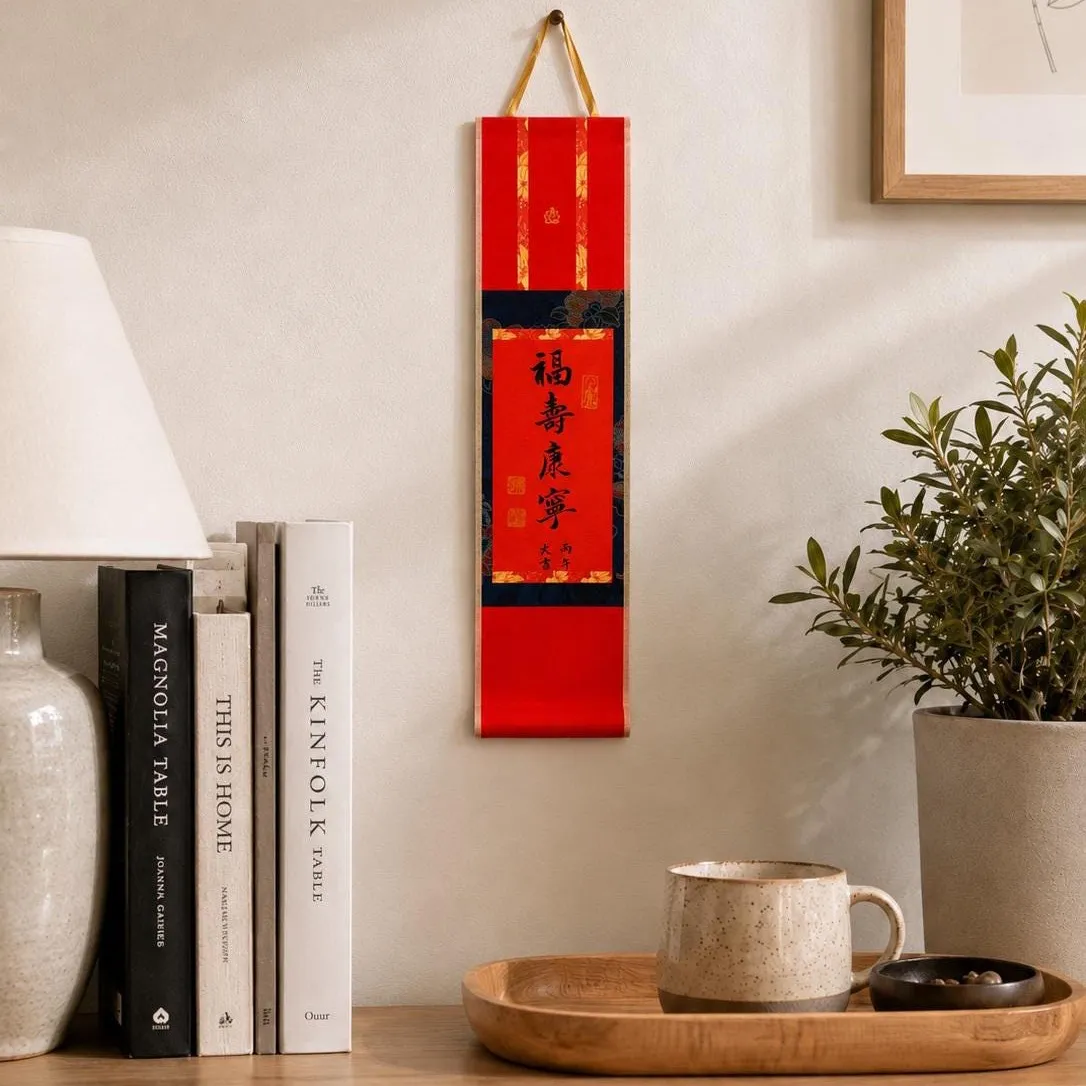
Photo shows a sample — yours will be brushed with 谦和, or any character you choose.
Wall Scroll — for walls & housewarmingsfrom $38→ -
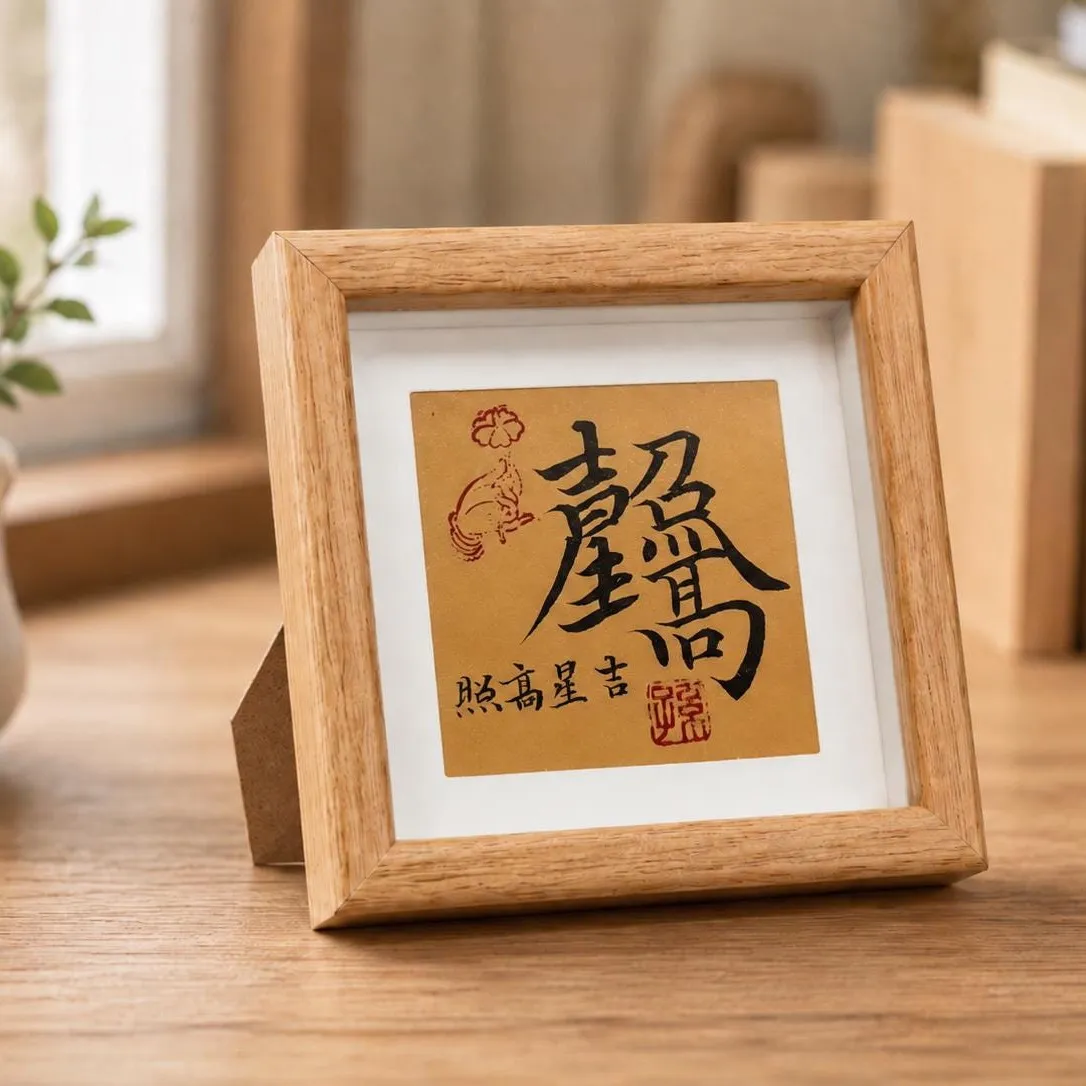
Photo shows a sample — yours will be brushed with 谦和, or any character you choose.
Desk Frame — for desks, studies & studiosfrom $44→ -
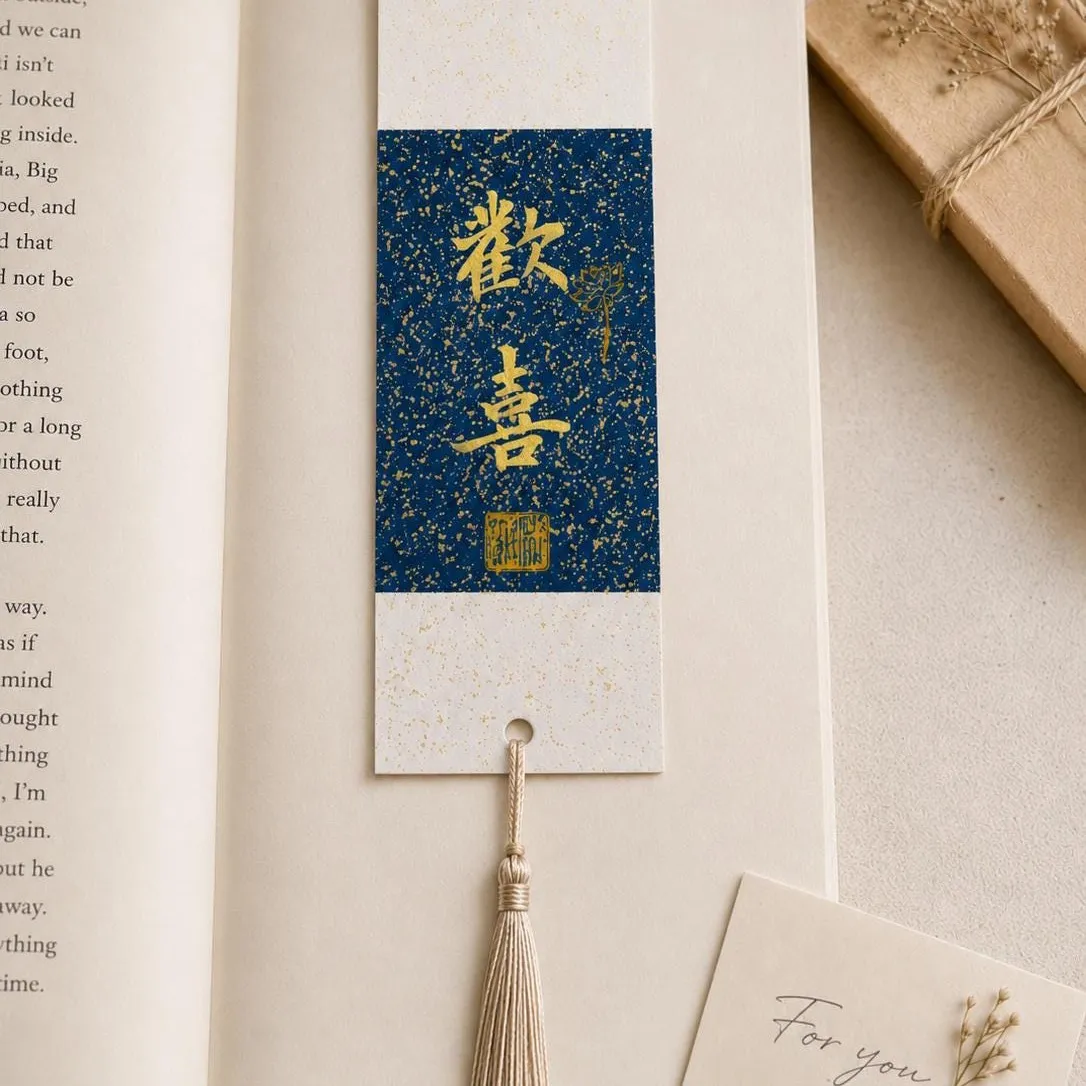
Photo shows a sample — yours will be brushed with 谦和, or any character you choose.
Bookmark — for readers & small thank-yousfrom $17→
What people said after it arrived.
-
The item is fantastic. The customer service was genuine. Thanks!
— M.Verified purchase · from our Etsy shop reviews · -
They were great they gave me exactly what I asked for and then some. Thank you!!
— G.Verified purchase · from our Etsy shop reviews · -
It is well designed and customized. My daughter loves it. Amazing gift for family’s d friends
— S.Verified purchase · from our Etsy shop reviews ·
Each "谦和" is hand-brushed by Artist Lina Sun on rice paper.
See 谦和 (Qiān Hé) on Etsy →