朗 (lǎng) — Brightness · Clarity · Open Spirit
A single character.
Some people change the weather of a room just by walking into it — the air gets clearer, the mood lifts, you can see where you stand. That is 朗. It is not 明 (the clarity of someone’s perception, the gift of not being fooled) and not 乐 (the felt gladness of a particular time). 朗 is the brightness others feel in your presence: an open, frank, unclouded spirit, steady from one day to the next. The word Chinese uses for it, 开朗 (kāi lǎng), reads literally as “opened bright” — a temperament with nothing hidden and no haze over it.
The character carries the moon (月) for a reason. Its oldest meaning was the clear light of a cloudless night, when every edge of the world shows. From there it spread to a clear day (晴朗), to a clear and resonant voice (朗读, the articulate reading-aloud taught in every Chinese classroom), and to a clear temperament (爽朗, hearty and frank). When Wang Xizhi opened the most famous essay in the language with 天朗气清 — “the sky clear, the air fresh” — he fixed 朗 to that exact feeling of a day with nothing weighing on it. To call a friend 朗 is to say the same about their company.
A hand-brushed 朗 by Artist Lina Sun is the gift for the friend whose openness has made things lighter for everyone around them, or for the graduate stepping into a new chapter with that bright, frank clarity intact. It does not wish them success or diligence — those are other characters. It names something rarer and easy to overlook: that being near them is like a clear day, one you can see to the edges of.
- brightness — the clear light of a cloudless night or day
- openness of spirit — frank, sunny, easy to be around
- clarity — clear sky, clear sound, clear temperament
- the quality of a day with nothing weighing on it
- happiness Happiness is a feeling that comes and goes; 朗 is a quality of light and air. A person can be 朗 — bright, open, clear — on an ordinary day, because it describes their disposition, not their mood.
- clear-sighted That is 明 — the clarity of perception, of not being fooled. 朗 is the clarity others feel in your presence: openness and brightness of spirit, not sharpness of judgment.
- loud 朗朗 does name a clear, resonant voice, but the point is clarity, not volume — a sound you can follow to the edge of every word, the way 朗 light lets you see to the edges of a scene.
The short arms are the point: these readings don’t reach it.
- 月 moonThe moon on the right is the source of the character's brightness — not the blazing clarity of the sun but the cool, even light of a cloudless night, when nothing in the sky obscures the view.
- 良 fine / good (phonetic)On the left, 良 (liáng) lent the sound and a shading of meaning. 良 is 'fine, good, excellent' — so the clear light of 朗 carries a sense of something wholesome and unspoiled, not merely bright.
character
- 开朗 kāi lǎng open and cheerful — the everyday word for a sunny, frank temperament
- 晴朗 qíng lǎng clear and fine — a cloudless sky
- 明朗 míng lǎng bright and clear — of weather, of a situation, or of a mood that has lifted
- 爽朗 shuǎng lǎng hearty and frank — a clear, open manner, often carried by a generous laugh
- 朗读 lǎng dú to read aloud clearly — the resonant, articulate reading taught in every classroom
The Story Behind the Character
On a clear night the moon shows every edge of the world — no haze, no cloud, just cool light and sharp outlines. That is the brightness 朗 was built to name. Its right side is 月, the moon; its phonetic 良 (liáng, "fine, good") lent the sound and a shading of wholesomeness. China's first dictionary (Shuowen Jiezi, c. 100 CE) defined it in a single word — 朗,明也, brightness — but where 明 fused sun and moon for the clarity of seeing, 朗 kept only the moon: the calmer, cooler brightness of a sky with nothing in the way.
From that clear moonlight the character reached outward into three registers. A cloudless day became 晴朗 (qíng lǎng); a clear, resonant voice reading aloud became 朗读 (lǎng dú) and 朗朗 (lǎng lǎng), the sound of a schoolroom reciting in unison; and a person whose temperament had the same unclouded quality became 开朗 (kāi lǎng) and 爽朗 (shuǎng lǎng) — open, frank, sunny. One image — clear light — carried into clear sky, clear sound, and clear spirit.
In 353 CE, the calligrapher Wang Xizhi opened the most celebrated piece of prose in the Chinese tradition with 天朗气清 — "the sky clear, the air fresh" — fixing 朗 forever to that particular feeling of a day with nothing weighing on it. The character never lost it. To call a person 朗 is to say the same thing about their company that 天朗 says about the weather: that being near them is like a day you can see clearly to the edges of.
Classical lines
- about a century
- 353 CE 王羲之《兰亭集序》
- c. 430 CE 《世说新语·言语》
天朗气清,惠风和畅。 The sky was clear and the air fresh, a gentle breeze warm and easy.
The opening scene of the most celebrated piece of prose in the Chinese tradition, written at a spring gathering of poets beside a winding stream. 天朗 — a clear sky — sets the mood the whole essay holds onto: 朗 is the word for a day with nothing weighing on it.
清风朗月,辄思玄度。 On a night of clear wind and a bright moon, I always find myself thinking of Xuandu.
Liu Tan said this of his friend Xu Xun, styled Xuandu. 朗月 is the clear, open moon; the line became a byword for how the finest weather calls a dear friend to mind — which is exactly why 朗 belongs on a gift between friends: it is the brightness you want to share.
Why This Character Matters
The single most common place 朗 lives in modern Chinese life is the schoolroom. 朗读 (lǎng dú) — reading aloud, clearly and with resonance — is how children are taught to read in every Chinese classroom, and 书声朗朗 ("the clear sound of reading voices") is the stock phrase for a school full of study. The point of 朗朗 is not volume but clarity: a voice you can follow to the very edge of every word, the aural version of moonlight that leaves nothing obscured.
朗 holds a precise place among its bright-spirited neighbors. 乐 (lè) names a felt gladness — the texture of a particular happy time. 明 (míng) names clear perception — the quality of not being fooled by how things are presented. 朗 names neither feeling nor judgment but disposition: the open, frank, unclouded brightness others sense in your presence, steady across ordinary days. A Chinese speaker describing someone as 开朗 is not saying they are happy in this moment or sharp in their thinking — they are saying the person is easy to be near, with no haze and nothing hidden, like a clear day.
朗 is a familiar, well-liked character — it appears in 开朗 (cheerful), 晴朗 (clear weather), and as a given name. A Chinese person seeing it as a tattoo would read it as brightness, clarity, or an open temperament, and find it gentler and less common than the standard blessing characters (福, 寿). It reads as a quiet, thoughtful choice rather than a bold statement.
Calligraphy Styles for Tattoos
- Regular script (楷书 kǎishū) Best for tattoos
朗 has 10 strokes in a left-right structure: 良 on the left (7 strokes) and 月 on the right (4 strokes). Regular script keeps both halves legible and balanced. A clean, readable choice at 1.5+ inches.
- Running script (行书 xíngshū) Good for larger pieces
Running script gives 朗 a flowing, open quality that suits its meaning. Works best at 2+ inches, where the left side 良 has room to keep its internal strokes distinct.
- Cursive script (草书 cǎoshū) Only with an expert calligrapher
In cursive, the left side 良 can collapse into an indistinct shape and lose its structure. Only attempt with a calligrapher experienced in cursive 朗.
Common Mistakes to Avoid
- Writing the left side as 艮 instead of 良 — dropping the short top strokeIntended: 朗 with the full 良 (liáng) on the left
The left side of 朗 is 良, which carries a short stroke at the very top. Omitting it produces 艮 (gèn), a different component, and the character no longer reads as 朗. A Chinese reader notices immediately.
- Writing the right side as 日 (sun) instead of 月 (moon)Intended: 朗 with 月 on the right
The brightness of 朗 is moonlight — its right side is 月 (moon), a tall narrow frame with two internal strokes, not the squarer 日 (sun). Swapping them changes the character and erases the cool, clear-night image at its heart.
Notes for Your Tattoo Artist
10 strokes. Left-right structure: 良 on the left (7 strokes — keep the short top stroke and the internal strokes distinct) and 月 on the right (4 strokes, tall and narrow with two internal horizontals). Keep the two halves balanced in height. Minimum size 1.5 inches to hold the left side's detail.
A few characters live near "朗" but mean something quieter, sharper, or more specific. Here's how to tell them apart.
the brightness others feel in your presence — an open, clear, unclouded spirit
the brightness of your own perception — seeing situations and people accurately
a clear, open disposition — the bright quality of someone's company, steady across days
joy as a felt experience — the gladness of a particular time
The graduation gift for the graduate whose defining quality is an open, sunny, frank disposition — 开朗 — the person who walks into a room and the air gets clearer.
- The graduation gift for the graduate whose defining quality is an open, sunny, frank disposition — 开朗 — the person who walks into a room and the air gets clearer. 朗 is not a wish for success (those are other characters) or for clear judgment (that is 明); it names the brightness of spirit others feel in their company, the temperament that will make the next chapter easier for everyone around them. Most apt when what you most admire in the new graduate is not their record but how uncomplicated and bright they are to be near.
- For the friend or colleague whose company is bright and uncomplicated — the 开朗, 爽朗 person whose frankness and steady good cheer you have relied on. 朗 on a birthday is recognition before it is a wish: it names someone clear and open, with no haze and nothing hidden, the kind of presence that lightens a room. Most specific when the relationship is close enough to say honestly that being near them is like a clear day.
Friend · Best Friend · Coworker · or yourself
Looking for a name? See Western names written in Chinese →
-
What does 朗 (lǎng) mean?
朗 (lǎng) is the Chinese character for brightness, clarity, open spirit. Some people change the weather of a room just by walking into it — the air gets clearer, the mood lifts, you can see where you stand. That is 朗. It is not 明 (the clarity of someone's perception, the gift of not being fooled) and not 乐 (the felt gladness of a particular time). 朗 is the brightness others feel in your presence: an open, frank, unclouded spirit, steady from one day to the next. The word Chinese uses for it, 开朗 (kāi lǎng), reads literally as "opened bright" — a temperament with nothing hidden and no haze over it. The single most common place 朗 lives in modern Chinese life is the schoolroom. 朗读 (lǎng dú) — reading aloud, clearly and with resonance — is how children are taught to read in every Chinese classroom, and 书声朗朗 ("the clear sound of reading voices") is the stock phrase for a school full of study. The point of 朗朗 is not volume but clarity: a voice you can follow to the very edge of every word, the aural version of moonlight that leaves nothing obscured.
-
What occasions is 朗 given for?
朗 is traditionally given for Graduation, Birthday. The graduation gift for the graduate whose defining quality is an open, sunny, frank disposition — 开朗 — the person who walks into a room and the air gets clearer. 朗 is not a wish for success (those are other characters) or for clear judgment (that is 明); it names the brightness of spirit others feel in their company, the temperament that will make the next chapter easier for everyone around them. Most apt when what you most admire in the new graduate is not their record but how uncomplicated and bright they are to be near. For the friend or colleague whose company is bright and uncomplicated — the 开朗, 爽朗 person whose frankness and steady good cheer you have relied on. 朗 on a birthday is recognition before it is a wish: it names someone clear and open, with no haze and nothing hidden, the kind of presence that lightens a room. Most specific when the relationship is close enough to say honestly that being near them is like a clear day.
-
Is 朗 a good Chinese tattoo?
朗 is a familiar, well-liked character — it appears in 开朗 (cheerful), 晴朗 (clear weather), and as a given name. A Chinese person seeing it as a tattoo would read it as brightness, clarity, or an open temperament, and find it gentler and less common than the standard blessing characters (福, 寿). It reads as a quiet, thoughtful choice rather than a bold statement.
-
Who brushes the 朗 calligraphy?
Each 朗 (Lǎng) is hand-brushed to order by Artist Lina Sun in ink on rice paper — never printed, never repeated.
Bring 朗 home — choose how you'd like it brushed.
-
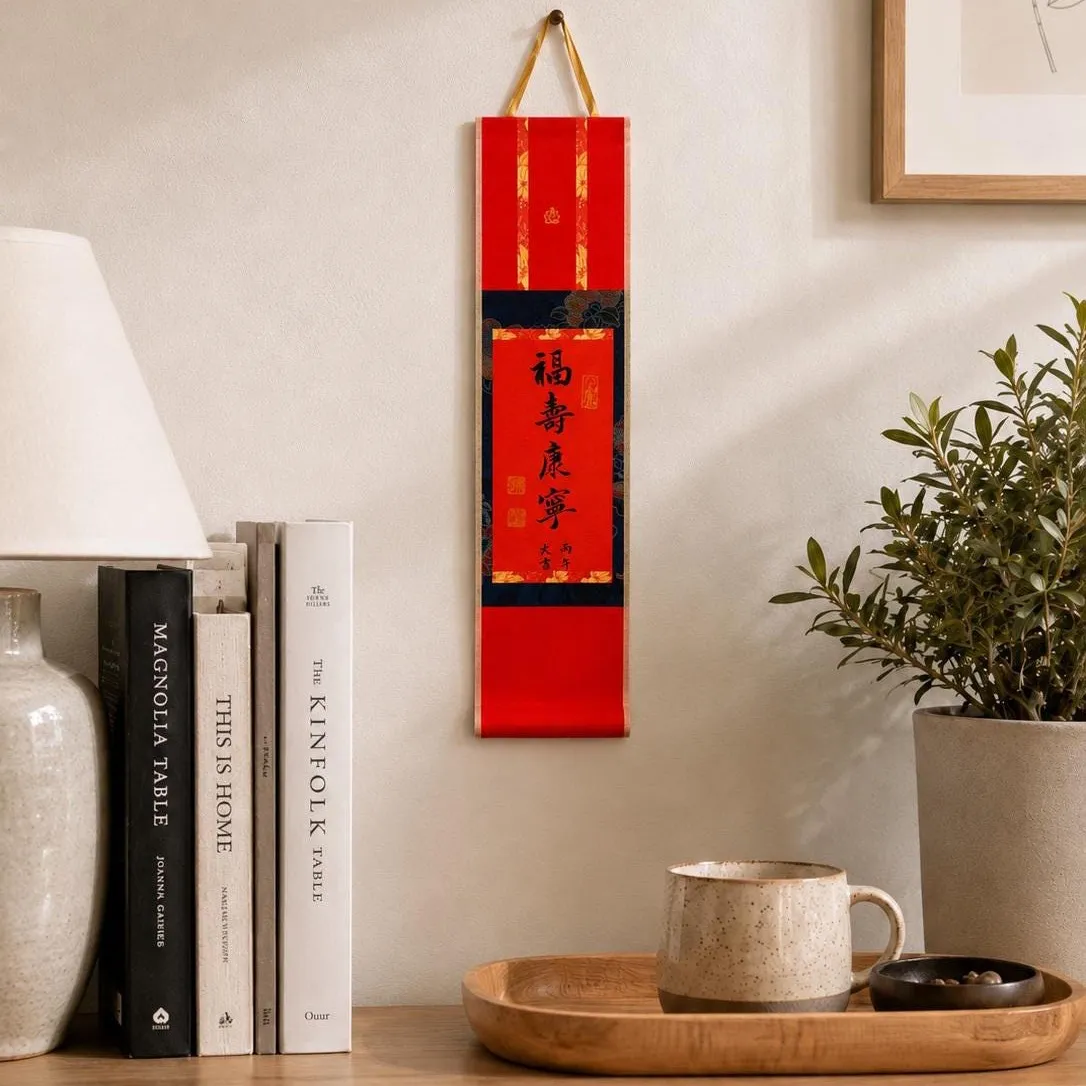
Photo shows a sample — yours will be brushed with 朗, or any character you choose.
Wall Scroll — for walls & housewarmingsfrom $38→ -
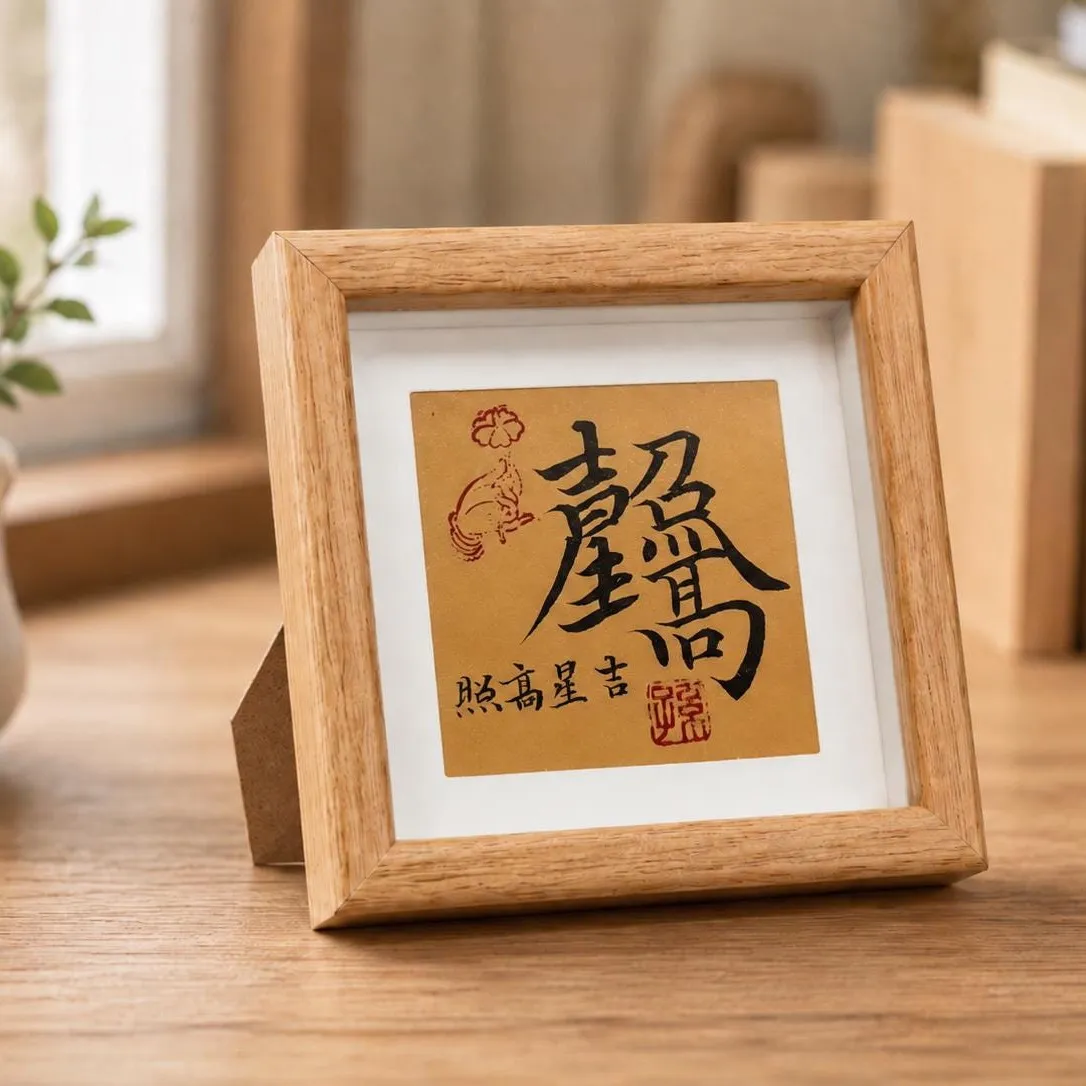
Photo shows a sample — yours will be brushed with 朗, or any character you choose.
Desk Frame — for desks, studies & studiosfrom $44→ -
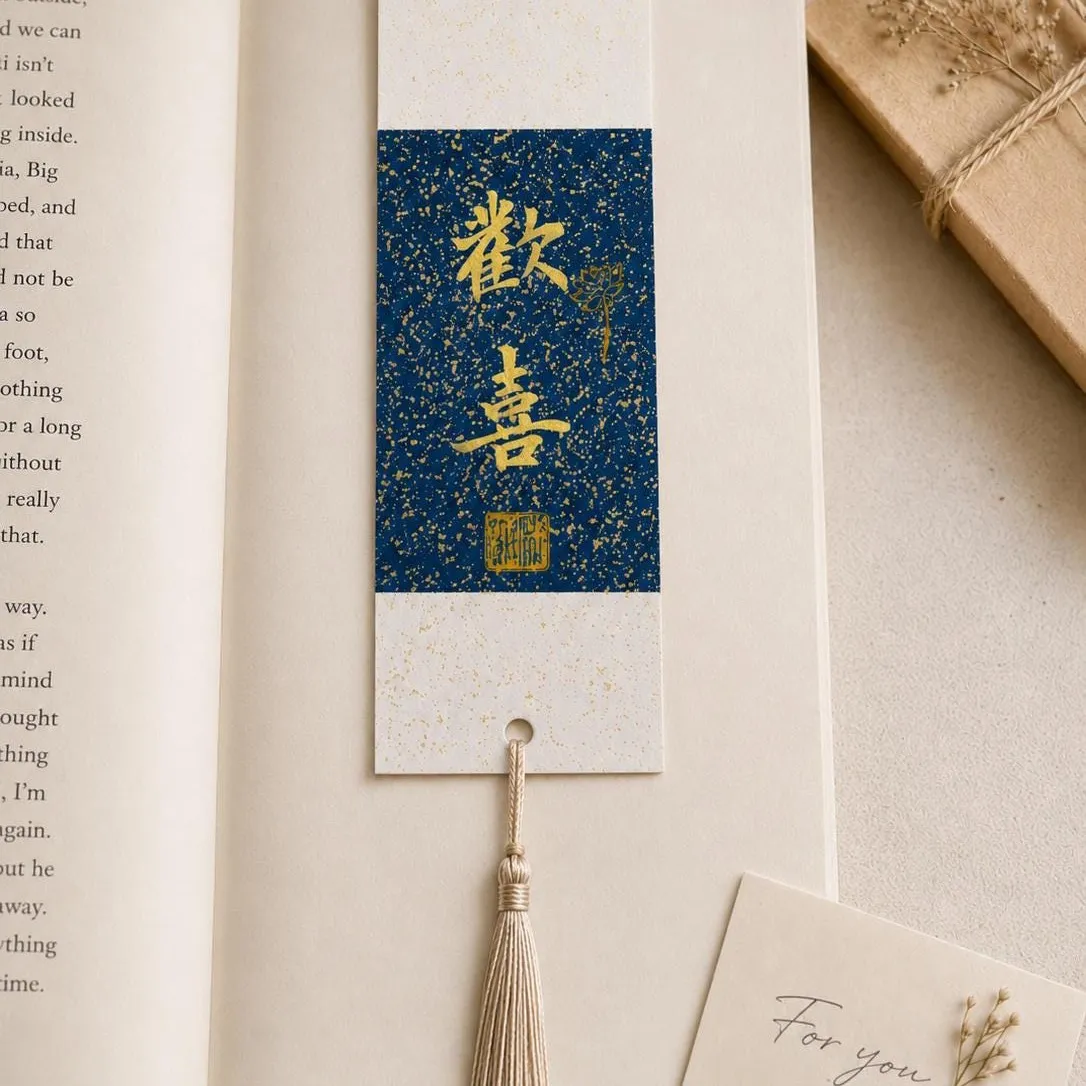
Photo shows a sample — yours will be brushed with 朗, or any character you choose.
Bookmark — for readers & small thank-yousfrom $17→

What people said after it arrived.
-
The item is fantastic. The customer service was genuine. Thanks!
— M.Verified purchase · from our Etsy shop reviews · -
They were great they gave me exactly what I asked for and then some. Thank you!!
— G.Verified purchase · from our Etsy shop reviews · -
It is well designed and customized. My daughter loves it. Amazing gift for family’s d friends
— S.Verified purchase · from our Etsy shop reviews ·
Each "朗" is hand-brushed by Artist Lina Sun on rice paper.
See 朗 (Lǎng) on Etsy →