金榜题名 (jīn bǎng tí míng) — A Name on the Golden List · Passing the Big Exam · The Result Posted in Your Name
A 4-character phrase, not a single character.
In Tang Chang’an a new graduate’s name went up twice: once on the posted list of successful candidates, and again in ink at the foot of the Ci’en Temple pagoda, where each year’s class had their names written together after the Apricot Garden banquet. 金榜题名 keeps both acts — the golden list and the name written on it. Said before an exam, it is the wish that the result post with this person’s name; said after, it is congratulations that it did. None of 金, 榜, 题 or 名 has a single-character page in this library, so the phrase stands on its own image. It is narrower than a wish for success in general: one exam, one list, one name.
Today the list is a gaokao score release, a graduate-school admission roster, a civil-service shortlist, a bar or licensing board’s results. Cards and messages carry the four characters in the weeks before, and the same words return as congratulations once the names are out. The neighbours stay distinct. 学业有成 credits years of study carried through. 前程似锦 paints the road beyond. 平步青云 is the rise in station that, in the old order, came after the list. An English “good luck” wishes chance on the day; 金榜题名 names the outcome itself. A verse Hong Mai recorded in the Song lists it among four joys, beside a wedding night.
A hand-brushed 金榜题名 by FuBlessings suits the friend counting down to the gaokao or a graduate entrance exam, the coworker sitting a licensing or certification paper while still holding the job, a graduation that arrives in the same season as a results list, and a birthday that falls in an exam year. It does not promise a pass. It names the list someone is working toward, and hopes to see their name on it.
- the wish that a published result carry this person's name
- passing a specific ranked examination — gaokao, graduate entrance, civil-service, licensing
- a wish before the results, or congratulations once the list is out
- the Tang image of names written on a list and on a pagoda wall
- a course of study completed That is 学业有成 — the years of school carried through. 金榜题名 names a single exam result, not the whole education behind it.
- a bright road ahead That is 前程似锦 — the future painted as brocade. 金榜题名 stops at the list; it says nothing about what comes after.
- a smooth rise to high office That is 平步青云 — advancement once inside the system. In the old order, the golden list was the gate before that rise, not the rise itself.
- English "good luck on your exam" The English phrase wishes chance on the day. 金榜题名 names the outcome — your name on the posted list — and is written as a formal wish or congratulation, not a casual send-off.
The short arms are the point: these readings don’t reach it.
- 金 goldenGold as the colour and dignity of the list — the dictionary ties it to the yellow paper and imperial seal of the palace roster. No library single for 金.
- 榜 listThe posted roster of successful candidates. No library single for 榜.
- 题 inscribeTo write a name down, as Tang graduates did at the Ci'en pagoda. No library single for 题.
- 名 nameThe candidate's own name — not 明 (míng, clarity), which has its own library page. No library single for 名.
characters
- 雁塔题名 yàn tǎ tí míng names written at the Wild Goose Pagoda — the Tang custom behind 题名, later a figure for passing
- 金榜挂名 jīn bǎng guà míng a name hung on the golden list — the variant wording in Hong Mai's record and Yuan drama
- 蟾宫折桂 chán gōng zhé guì breaking a cassia branch in the moon palace — exam success by another image; shares no character with 金榜题名
- 名落孙山 míng luò sūn shān a name falling below Sun Shan, the last man on the list — the opposite outcome
Cinnabar marks the characters 金榜题名 actually contains. The dark row is a relative by meaning or by sound, not one shared stroke.
The Story Behind the Character
Two physical acts sit inside the four characters. 题名 is the plainer one: to write a name down. In Tang Chang'an, from the Shenlong era (705–707) on, the year's newly passed jinshi went after the Apricot Garden banquet to the foot of the Ci'en Temple pagoda — today's Big Wild Goose Pagoda in Xi'an — and one good calligrapher among them wrote all their names there. 金榜 is the list itself. The Taiwan Ministry of Education dictionary explains the gold as the paper: the palace-examination roster was written on yellow paper and stamped with the imperial seal, and the dignity of that sheet gave it the name golden list.
Grammatically the phrase is a subject and predicate: the golden list, names inscribed — the result is that your name is on it. The four characters already stand together in a Tang quatrain. He Fu passed the jinshi in 835, passed again the following year, and sent a poem to the men who had passed with him that opens 金榜题名墨上新, the names on the golden list, the ink still new. Wang Dingbao kept it in 《唐摭言》, his tenth-century collection of examination lore. In that Tang line 金榜 is the posted list of successful candidates; the dictionary's palace-roster sense is the fuller institutional meaning of later centuries.
Later writers let the wording wobble while keeping the image. Hong Mai, in a notebook prefaced in 1197, recorded an anonymous verse that closes 金榜挂名时 — the hour a name hangs on the list. Gao Ming's 《琵琶记》 strings 金榜题名 and 洞房花烛 together as a double fortune. Modern dictionaries keep the exam sense and add a figurative one: success in an important examination or contest. That is how it is used now, for the gaokao, graduate entrance exams, civil-service tests and professional licensing — any ranked result that is published with names on it.
Classical lines
- roughly 400 years
- 800 CE 白居易,载王定保《唐摭言》卷三
- c. 836 CE 何扶,载王定保《唐摭言》卷三
- 1197 CE 洪迈《容斋四笔》卷八「得意失意诗」引旧传诗
金榜题名墨上新,今年依旧去年春。 The names on the golden list, the ink still new; this year's spring is the same as last year's.
He Fu had passed the jinshi in 835 and passed again the next year, and he sent these lines to the friends who had passed with him. The four characters already stand together here, and the fresh ink keeps 题名 literal: a name actually written down.
慈恩塔下题名处,十七人中最少年。 At the foot of the Ci'en pagoda, where the names are written; of the seventeen, I am the youngest.
Bai Juyi's couplet after passing at his first attempt. It is the Tang custom behind 题名 in a single image: the year's new jinshi named together at the pagoda, and a young poet counting himself into the list.
洞房花烛夜,金榜挂名时。 The candle-lit night in the bridal chamber; the hour one's name hangs on the golden list.
The closing pair of an unattributed four-joys verse that Hong Mai already called traditional. Rain after drought and an old friend met far from home come first; a wedding night and a posted name finish it, with 挂名 where later speech says 题名.
Why This Character Matters
The Tang list at the Ci'en pagoda had rules of its own. 《唐摭言》 records that the class chose one good calligrapher to write everyone's names; if one of them later rose to general or minister, his name was rewritten in red; and a man who had passed, coming upon a place where he had signed his name before passing, added the character 前 to the old signature. 题名 was never only a metaphor. It was ink at a real place, revised as careers went on.
In exam seasons now the phrase is a written wish before the results and a congratulation after them — on cards, in messages, on calligraphy for a student's desk. It sits between neighbours that do different work. 学业有成 credits a course of study carried to its end. 前程似锦 paints the road ahead as brocade. 平步青云 is the smooth rise in office that, in the old system, came after the list. 金榜题名 is narrower than all three: one exam, one list, and this person's name on it.
A few characters live near "金榜题名" but mean something quieter, sharper, or more specific. Here's how to tell them apart.
one exam passed, the name on the posted list
a whole course of study carried through to its end
the result that opens the road
the road ahead itself, painted as brocade
the list at the gate
the smooth rise in station after it
For the graduate whose diploma comes with one more result still pending — a high-school leaver waiting on gaokao scores, a university graduate waiting on a graduate-school roster or a civil-service posting.
- For the graduate whose diploma comes with one more result still pending — a high-school leaver waiting on gaokao scores, a university graduate waiting on a graduate-school roster or a civil-service posting. The four characters ask about that pending list and nothing else. Written on a card before the results, they are a wish; framed after, they mark the day the name appeared.
- For the birthday of someone in the middle of preparing — a friend on a second gaokao year, a colleague with the CPA papers in spring. The card can name the exam instead of tiptoeing around it: may your name be on the list. Best when the test is near and the person would rather be cheered toward it than distracted from it.
Looking for a name? See Western names written in Chinese →
-
What does 金榜题名 (jīn bǎng tí míng) mean?
金榜题名 (jīn bǎng tí míng) is a 4-character Chinese phrase for a name on the golden list, passing the big exam, the result posted in your name. In Tang Chang'an a new graduate's name went up twice: once on the posted list of successful candidates, and again in ink at the foot of the Ci'en Temple pagoda, where each year's class had their names written together after the Apricot Garden banquet. 金榜题名 keeps both acts — the golden list and the name written on it. Said before an exam, it is the wish that the result post with this person's name; said after, it is congratulations that it did. None of 金, 榜, 题 or 名 has a single-character page in this library, so the phrase stands on its own image. It is narrower than a wish for success in general: one exam, one list, one name. The Tang list at the Ci'en pagoda had rules of its own. 《唐摭言》 records that the class chose one good calligrapher to write everyone's names; if one of them later rose to general or minister, his name was rewritten in red; and a man who had passed, coming upon a place where he had signed his name before passing, added the character 前 to the old signature. 题名 was never only a metaphor. It was ink at a real place, revised as careers went on.
-
What occasions is 金榜题名 given for?
金榜题名 is traditionally given for Graduation, Birthday. For the graduate whose diploma comes with one more result still pending — a high-school leaver waiting on gaokao scores, a university graduate waiting on a graduate-school roster or a civil-service posting. The four characters ask about that pending list and nothing else. Written on a card before the results, they are a wish; framed after, they mark the day the name appeared. For the birthday of someone in the middle of preparing — a friend on a second gaokao year, a colleague with the CPA papers in spring. The card can name the exam instead of tiptoeing around it: may your name be on the list. Best when the test is near and the person would rather be cheered toward it than distracted from it.
-
Who brushes the 金榜题名 calligraphy?
FuBlessings hand-brushes each 金榜题名 (Jīn Bǎng Tí Míng) to order, in ink on rice paper — never printed, never repeated.
Bring 金榜题名 home — choose how you'd like it brushed.
-
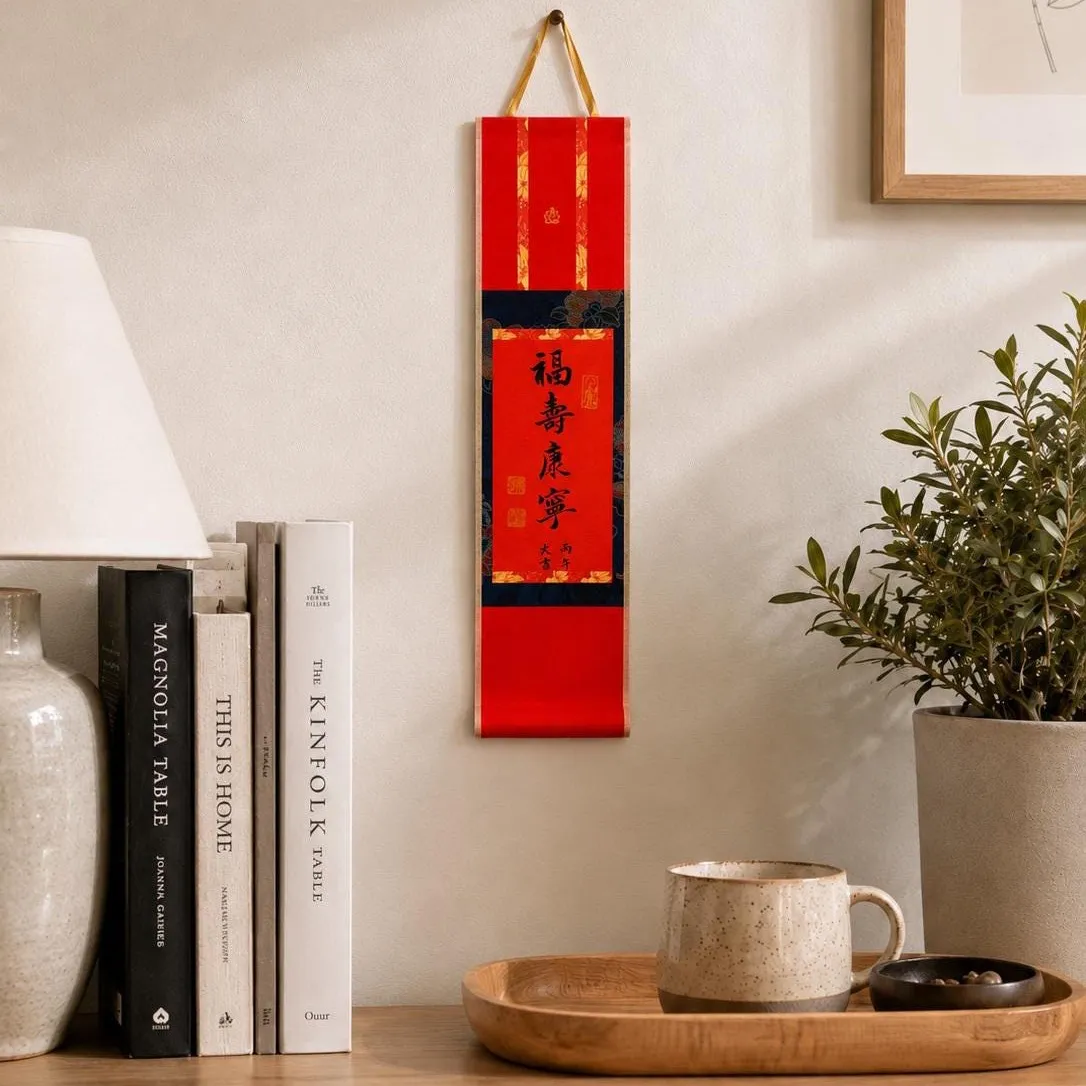
Photo shows a sample — yours will be brushed with 金榜题名, or any character you choose.
Wall Scroll — for walls & housewarmingsfrom $38→ -
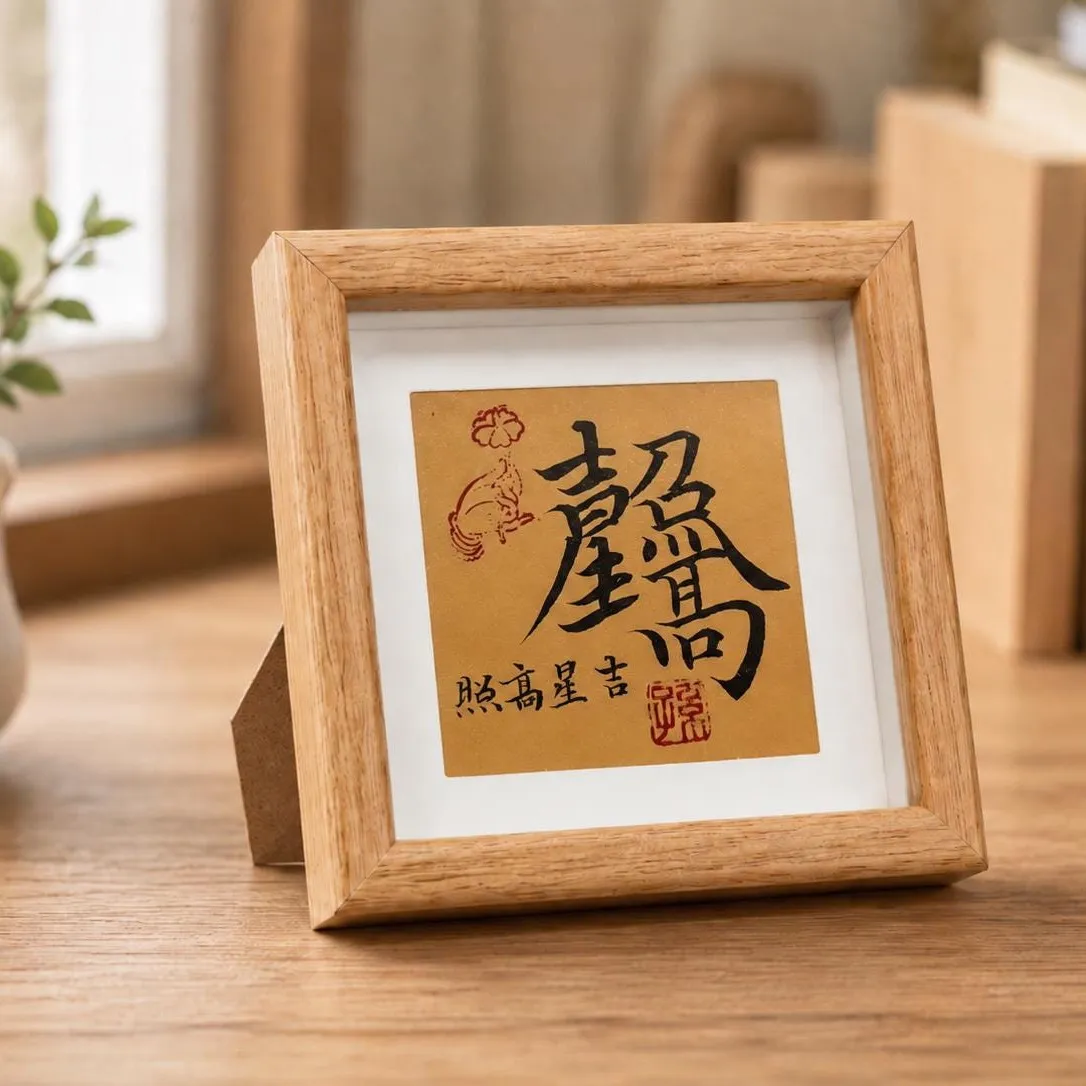
Photo shows a sample — yours will be brushed with 金榜题名, or any character you choose.
Desk Frame — for desks, studies & studiosfrom $44→ -
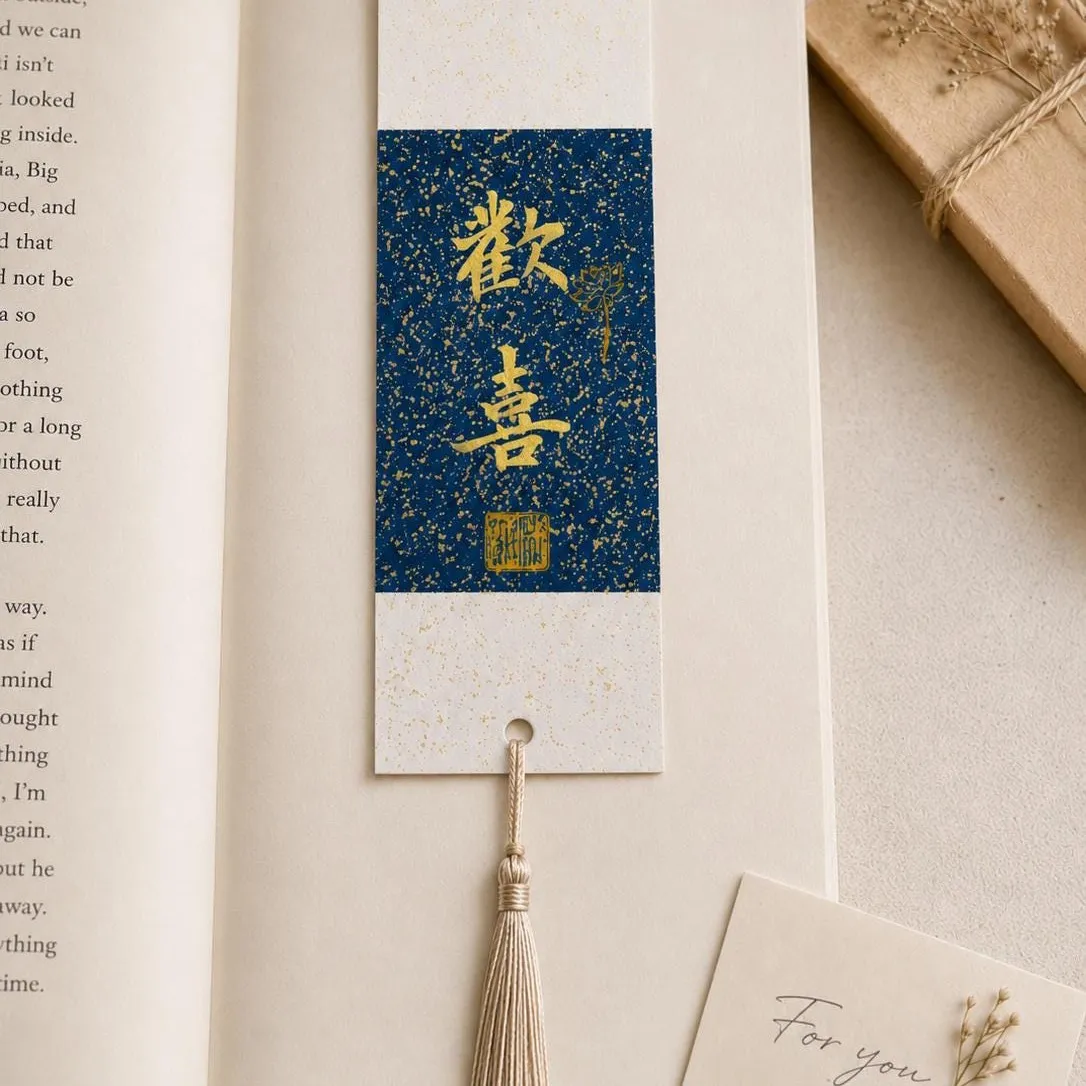
Photo shows a sample — yours will be brushed with 金榜题名, or any character you choose.
Bookmark — for readers & small thank-yousfrom $14→
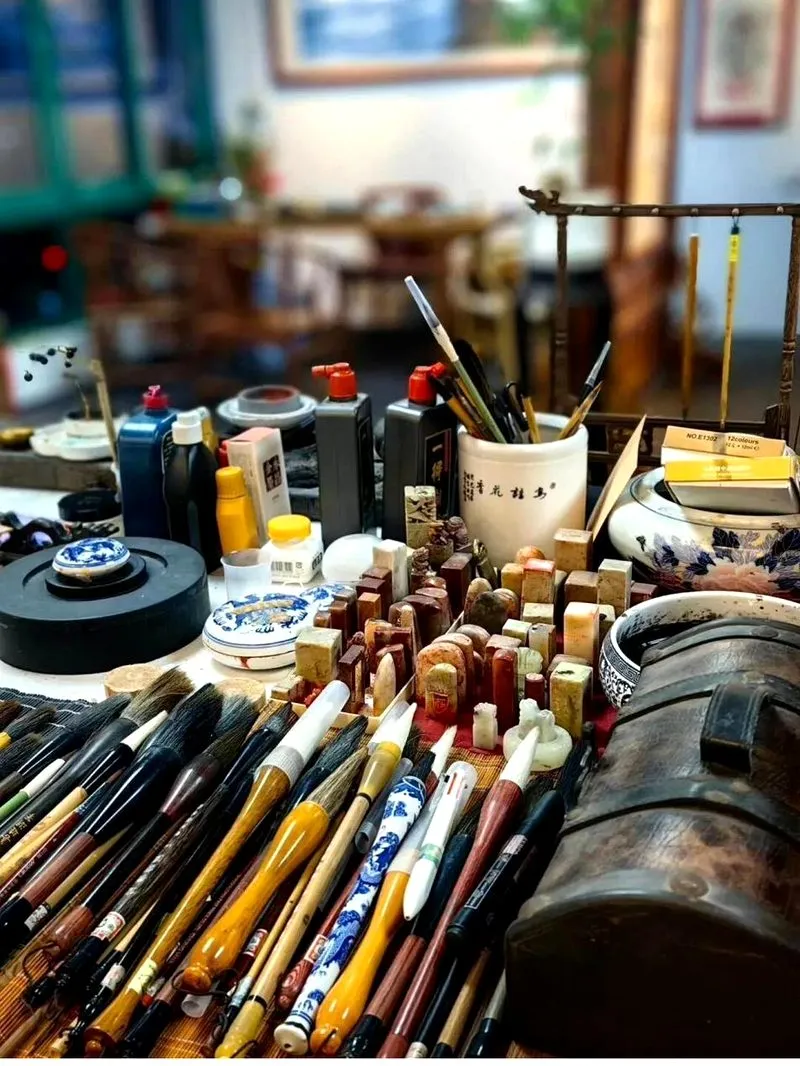
What people said after it arrived.
-
The item is fantastic. The customer service was genuine. Thanks!
— M.Verified purchase · from our Etsy shop reviews · -
They were great they gave me exactly what I asked for and then some. Thank you!!
— G.Verified purchase · from our Etsy shop reviews · -
It is well designed and customized. My daughter loves it. Amazing gift for family’s d friends
— S.Verified purchase · from our Etsy shop reviews ·
Each "金榜题名" is hand-brushed by FuBlessings on rice paper.
See 金榜题名 (Jīn Bǎng Tí Míng) on Etsy →