嘉 (jiā) — Praised as Fine · Goodness Said Aloud
A single character.
In 569 BCE the envoy 穆叔 of Lu sat through a Jin banquet without bowing to the first two sets of music. When the singers reached 鹿鸣 and the two songs after it, he bowed three times. Asked why, he said the grand pieces belonged to rulers and he could not presume to them. 鹿鸣,君所以嘉寡君也,敢不拜嘉: that song is how your lordship commends my lord, so how could I not bow to the commendation? The next song recognized an envoy’s toil, and he bowed again for that. See 喜 → is built from the same drum with a mouth beneath it: gladness, loud and shared. See 美 → is the quality itself, the word 许慎 used to define this one. 嘉 is that quality said out loud by someone with standing, on an occasion set up for saying it, and the person on the receiving end can bow.
The living uses keep a speaker in them. 嘉宾 (jiā bīn) is how the person at the microphone addresses the guests. 嘉奖 (jiā jiǎng) is a commendation on letterhead or a school certificate. 嘉许 (jiā xǔ) is approval stated by someone entitled to approve. 其志可嘉 (qí zhì kě jiā), the aim deserves praise, can be said of a plan that failed, because the praise was never about the result. At the formal end is 嘉礼 (jiā lǐ), the Zhou class of rites that held weddings, cappings, and feasts for old friends. A spoken well done and a full ceremony are the same word at two volumes.
A hand-brushed 嘉 by Artist Lina Sun is praise with your name under it. For a friend it is the host’s toast, raised to them by name. For a new couple it calls the beginning fine and leaves the decades to answer for themselves. For a coworker it seconds a commendation the work has already earned. At a wedding it names the class of rite the day belongs to. At a graduation it is the elder’s word at the threshold. On a birthday it approves of the person whose name is being said. The music is already out. This is what someone says while it plays.
- fine, and said to be fine by someone — 余嘉其能行古道 from a teacher, 敢不拜嘉 from an envoy bowing to it
- honoured as a guest is honoured — 嘉宾, the people a host is glad to seat
- the class of rite that draws the living close — 嘉礼, holding weddings, cappings, and feasts with old friends
- a name or a match found fine — 嘉名 at a birth, 嘉耦曰妃 for a well-made pairing
- joy That is 喜. It shares this character's top nine strokes, the drum on its stand, and closes with 口. 《说文》 glosses it 乐也, and the doubled 囍 on a wedding door is that gladness. This character is the approval a rite expresses, and it can be given in a quiet office.
- beauty, simply observed That is 美. 许慎 defines this character with it, so in a gloss list they sit side by side. In use 美 stays a quality someone can notice in silence. This character became what a person does about the quality: say it, usually on an occasion.
- a lucky day That is 吉, the favorable answer about a date. 《周礼》 keeps 吉礼 and 嘉礼 as separate classes. The 吉 rites serve spirits. The 嘉 rites draw the living together.
- congratulations delivered with a gift That is 贺, goods under the same phonetic 加. 段玉裁 notes one 《仪礼》 line where the old-script text has 嘉 and the new-script text has 贺, so the two were close. 贺 delivers the congratulations. This character is the approval inside them.
The short arms are the point: these readings don’t reach it.
- 壴 drum on its standNine strokes, the whole upper stack: 士 (横, 竖, 横), then 口 (竖, 横折, 横), then the two short strokes 点 and 撇, then one long 横. 《说文》 defines 壴 as music set out and standing, and files this character in the 壴 section after 彭, the sound of a drum. 段玉裁 reads the drum as the occasion: 壴者陈乐也. The same nine strokes top 喜.
- 加 sound, 力 beside 口Five strokes at the base: 力 (横折钩, 撇), then 口 (竖, 横折, 横). 许慎 gives 加 here as the sound, and 《广韵》 reads it with the same 古牙切 as the whole character. Alone he defines it as 语相增加也, words piled on, which this entry does not use. 贺 takes the same phonetic beneath 贝.
character
- 嘉宾 jiā bīn honoured guest — the host's word for the people at the table
- 嘉奖 jiā jiǎng a commendation, issued by an employer, a school, or a state
- 嘉许 jiā xǔ to approve and commend — said by someone in a position to approve
- 嘉礼 jiā lǐ the Zhou class of rites for weddings, cappings, feasts, and congratulations
- 嘉名 jiā míng a fine name — the one 屈原's father gives at the opening of 《离骚》
- 佳偶天成 jiā ǒu tiān chéng a dark row by sound. A match made in heaven, written with 佳, the same Mandarin syllable, sharing no character with 嘉.
Cinnabar marks the characters 嘉 actually contains. The dark row is a relative by meaning or by sound, not one shared stroke.
The Story Behind the Character
Nine strokes sit on top of this character, and they are a drum on its stand. 许慎's dictionary defines the stand-alone graph 壴 as 陈乐立而上见也: music set out, upright, its top in view. His 壴 section is short. After 壴 itself come a word for standing a thing up, a drum for the night watch, 彭 for the sound of beating, and last this entry: 嘉,美也。从壴,加声. The 古牙切 printed with it is 徐铉's, from the Tang rhyme book, and is not part of the Han definition. 《广韵》 puts 嘉, 加 and 家 in one homophone group under that cut. 段玉裁 explains the drum in one line, 壴者陈乐也,故嘉从壴. The music is out because there is an occasion. 喜 has its own section just before, built 从壴从口 and glossed 乐也. The two graphs still share their top nine strokes. One closes with a mouth and is gladness. The other closes with 加 and is a judgment that something is fine.
加 is the half 许慎 does not explain here. On its own page he defines it as 语相增加也, words piled one on another, from 力 and 口. In this entry he gives it only as the sound, and this page does not turn it into a meaning. 段玉裁 spends his note on use instead. 《尔雅》 glosses the word as 美 and, in a second place, as 善. On 《周礼》's 以嘉礼亲万民, 郑玄 writes 嘉,善也,所以因人心所善者而为之制: these rites are built on what people's hearts already approve. 段 also lists places where the classics wrote another graph for this word. The Mao commentary on the 大雅 and 周颂 glosses 假 as 嘉. In the audience chapter of 《仪礼》 the king greets an arriving lord with 予一人嘉之, I, the one man, commend it, and 段 notes that the new-script text put 贺 in that slot. 贺 is 从贝加声 in the Shuowen, goods with the same phonetic. Congratulating and commending sat close enough to trade graphs.
The gloss is 美, yet in the texts the word keeps arriving with a speaker attached. A father reads the hour of a birth and gives a name he calls fine. A host in Jin has the musicians sing 鹿鸣, and the visiting envoy names the song as the host's way of commending his ruler. A king at an audience says it of a lord who came. 韩愈 uses it of a student in the last sentence of an essay. 美 can be present in a face or a field with no one remarking on it. This character took on the remark, the person making it, and often the music laid out for the occasion. Its adjective, its verb, and its ritual class have stayed one word.
Classical lines
- roughly 1,600 years
- c. 800 BCE 《诗经·豳风·东山》
- c. 300 BCE 屈原《离骚》
- c. 802 CE 韩愈《师说》
皇览揆余初度兮,肇锡余以嘉名。 My late father looked upon and measured my first moment, and from it bestowed on me a fine name.
王逸's Han commentary reads 皇 as the poet's deceased father, 揆 as 度, 初 as 始, and this character as 善. In his paraphrase the father studied the year, month and day of the birth, found them centered between heaven and earth, and named the boy accordingly. The names arrive in the next couplet, 正则 and 灵均. The praise comes first, before the child could earn any of it.
其新孔嘉,其旧如之何? Her newness was most fine; and now that it is old, how will it be?
The last couplet of the poem. A soldier three years at the eastern campaign is on the road back, and the final stanza remembers his wedding in the oriole season, the bride's dappled horses and her mother fastening the sash. The Mao commentary hears in it the way to last. 郑玄 glosses the character as 善, says that when she first came she was very good, and adds that the stanza is told to amuse him. The beginning gets the praise. The second clause is left as a question.
余嘉其能行古道,作《师说》以贻之。 I commended him for being able to practice the old way, and I wrote On Teachers as a gift for him.
The closing sentence. The student is 李蟠, seventeen, who had worked through the six arts with their commentaries and, ignoring a fashion that made scholars ashamed to take a teacher, came to study with 韩愈. The essay has just argued that a teacher is whoever holds the way, older or younger. It ends with a senior man praising a junior one's practice and turning the praise into a present.
Why This Character Matters
A city in southern Taiwan carries a commendation as its name. During the 林爽文 uprising of 1786 the walled county seat of 诸罗 was besieged for some ten months, and its residents helped hold it. In 1787 the Qianlong court renamed it 嘉义: the court found the 义 of those who held the walls fine, and put that finding on the map. The older name had come from the Hoanya village 诸罗山社. The new one is a sentence with a speaker in it, and the speaker outranked the town. That is the usual direction for this word. A ruler, a teacher, a host, or an employer says it, and the town, the student, the guest, or the employee receives it.
《周礼》's list of the fine rites reads like a guest list for a whole life. Under 以嘉礼亲万民 it puts food and drink with kin, 婚冠 for weddings and for coming of age, archery feasts with 故旧朋友, old friends, banquets for visitors from the four quarters, sacrificial meat sent to brother states, and 贺庆 between states of other surnames. Weddings, cappings, and evenings with old friends were one kind of occasion. Hung alone today, the character meets two common guesses. It is a familiar given-name character, so a stranger may first read a person's name. The other guess is 佳 (jiā), the plain fine of 佳节 and 佳人, which the Tang rhyme book still kept in a different rhyme, 古膎切 against this character's 古牙切. The tattoo notes are for those two guesses.
No unlucky reading attaches to the character. The first guess a Chinese reader makes about a lone 嘉 is often a name, since it is common in given names and in place names such as 嘉兴 and 嘉义. The next guess is that a compound was cut short: 嘉宾 at an event, 嘉奖 at work. Read as a single character, it says fine and commended. It sounds like praise someone gave, which suits a person who has done something or is arriving somewhere. It does not mean joy. That is 喜, which looks very similar at the top.
Calligraphy Styles for Tattoos
- Regular script (楷书 kǎishū) Best for tattoos
Fourteen strokes stacked in four tiers: 士, 口, the two short strokes, one long horizontal, then 加. The long horizontal is the floor under the drum and should be the widest line in the character. Regular script keeps the tiers apart and keeps the two 口 from merging. Minimum recommended size: 2 inches.
- Clerical script (隶书 lìshū) Worth considering
Clerical script flattens and widens the stack, which gives four tiers room. Work from a calligrapher's original. A font tends to crush the upper and lower 口 to the same size, and the drum stops reading as a separate part.
- Running script (行书 xíngshū) Only above 2.5 inches
In running script the 口 under 士 and the two short strokes close up first. Below about 2.5 inches the upper stack turns into texture, and a reader has to guess from the bottom half.
Common Mistakes to Avoid
- Writing 喜, with a single 口 at the bottomIntended: 嘉 — the same top, finished with 加
The two characters share their first nine strokes. 喜 ends with 口 and means joy. 嘉 ends with 力 beside 口. A design that loses the 力 has become 喜, and a Chinese reader will see a celebration instead of praise.
- Writing 佳, with the person radical 亻Intended: 嘉 — drum over 加
佳 (jiā) is the same Mandarin syllable and also means fine. It is a different character, 亻 beside 圭, eight strokes. An order form that says only jia is how the swap happens. Confirm the character, not the pinyin.
- Writing 家, homeIntended: 嘉 — the commended fine
家 (jiā), the roof over 豕, is the other common character behind jia. It means home and family. The Tang rhyme book even reads it with the same 古牙切. Same sound, different word.
Notes for Your Tattoo Artist
Fourteen strokes in four tiers. Order: 横, 竖, 横 for 士; 竖, 横折, 横 for 口; 点, 撇; one long 横; then 横折钩, 撇 for 力 and 竖, 横折, 横 for the last 口. Keep 士 short and narrow and let the long horizontal run widest. The two 口 should differ: the upper one belongs to the drum and stays compact, the lower one belongs to 加. Keep the hook of 力 open. If 力 shrinks toward a dot, the character reads as 喜. Simplified and traditional forms are identical, so no choice is needed there. Minimum 2 inches, larger in running script.
A few characters live near "嘉" but mean something quieter, sharper, or more specific. Here's how to tell them apart.
the drum finished with 加 — something found fine and commended
the drum finished with a mouth — gladness voiced at an event
the quality said aloud by someone, on an occasion
the quality itself, present whether or not anyone remarks on it
The Rites of Zhou file a wedding under this character.
- The Rites of Zhou file a wedding under this character. Its ritual list sorts state ceremony into five classes, and the class called 嘉礼 is the one meant to 亲万民, draw people close; 婚冠, marrying and capping, are named inside it. The 吉 rites in that list serve spirits. These serve the living. 喜 is the gladness pasted on the doors. This character is the approval the rite was arranged to give, and a guest at any distance from the couple can add theirs without predicting a single anniversary.
- A Zhou capping, the rite that made a youth an adult, ended with a courtesy name, and the presiding guest called that name very fine. 《仪礼·士冠礼》 keeps the words: 爰字孔嘉,髦士攸宜, the name is most fine and fits a young man of mark. Capping was one of the 嘉礼. A graduation is its nearest modern relative, a threshold with an elder standing at it. The gift does not grade the transcript or forecast a career. It says, out loud and on the day, that the person walking through is fine.
- 屈原 opens 《离骚》 with his lineage and his birth date, then his late father reading that first moment and giving him a fine name. The phrase for the moment, 初度, was later borrowed as a polite word for a birthday, so one of the occasion's literary names comes from praise handed to someone who had not yet done anything. 寿 would ask for more years. 恩 counts favors received. This character turns to the person whose name is being said at the table and commends them.
Friend · New Couple · Coworker · or yourself
Looking for a name? See Western names written in Chinese →
-
What does 嘉 (jiā) mean?
嘉 (jiā) is the Chinese character for praised as fine, goodness said aloud. In 569 BCE the envoy 穆叔 of Lu sat through a Jin banquet without bowing to the first two sets of music. When the singers reached 鹿鸣 and the two songs after it, he bowed three times. Asked why, he said the grand pieces belonged to rulers and he could not presume to them. 鹿鸣,君所以嘉寡君也,敢不拜嘉: that song is how your lordship commends my lord, so how could I not bow to the commendation? The next song recognized an envoy's toil, and he bowed again for that. See 喜 → is built from the same drum with a mouth beneath it: gladness, loud and shared. See 美 → is the quality itself, the word 许慎 used to define this one. 嘉 is that quality said out loud by someone with standing, on an occasion set up for saying it, and the person on the receiving end can bow. A city in southern Taiwan carries a commendation as its name. During the 林爽文 uprising of 1786 the walled county seat of 诸罗 was besieged for some ten months, and its residents helped hold it. In 1787 the Qianlong court renamed it 嘉义: the court found the 义 of those who held the walls fine, and put that finding on the map. The older name had come from the Hoanya village 诸罗山社. The new one is a sentence with a speaker in it, and the speaker outranked the town. That is the usual direction for this word. A ruler, a teacher, a host, or an employer says it, and the town, the student, the guest, or the employee receives it.
-
What occasions is 嘉 given for?
嘉 is traditionally given for Wedding, Graduation, Birthday. The Rites of Zhou file a wedding under this character. Its ritual list sorts state ceremony into five classes, and the class called 嘉礼 is the one meant to 亲万民, draw people close; 婚冠, marrying and capping, are named inside it. The 吉 rites in that list serve spirits. These serve the living. 喜 is the gladness pasted on the doors. This character is the approval the rite was arranged to give, and a guest at any distance from the couple can add theirs without predicting a single anniversary. A Zhou capping, the rite that made a youth an adult, ended with a courtesy name, and the presiding guest called that name very fine. 《仪礼·士冠礼》 keeps the words: 爰字孔嘉,髦士攸宜, the name is most fine and fits a young man of mark. Capping was one of the 嘉礼. A graduation is its nearest modern relative, a threshold with an elder standing at it. The gift does not grade the transcript or forecast a career. It says, out loud and on the day, that the person walking through is fine.
-
Is 嘉 a good Chinese tattoo?
No unlucky reading attaches to the character. The first guess a Chinese reader makes about a lone 嘉 is often a name, since it is common in given names and in place names such as 嘉兴 and 嘉义. The next guess is that a compound was cut short: 嘉宾 at an event, 嘉奖 at work. Read as a single character, it says fine and commended. It sounds like praise someone gave, which suits a person who has done something or is arriving somewhere. It does not mean joy. That is 喜, which looks very similar at the top.
-
Who brushes the 嘉 calligraphy?
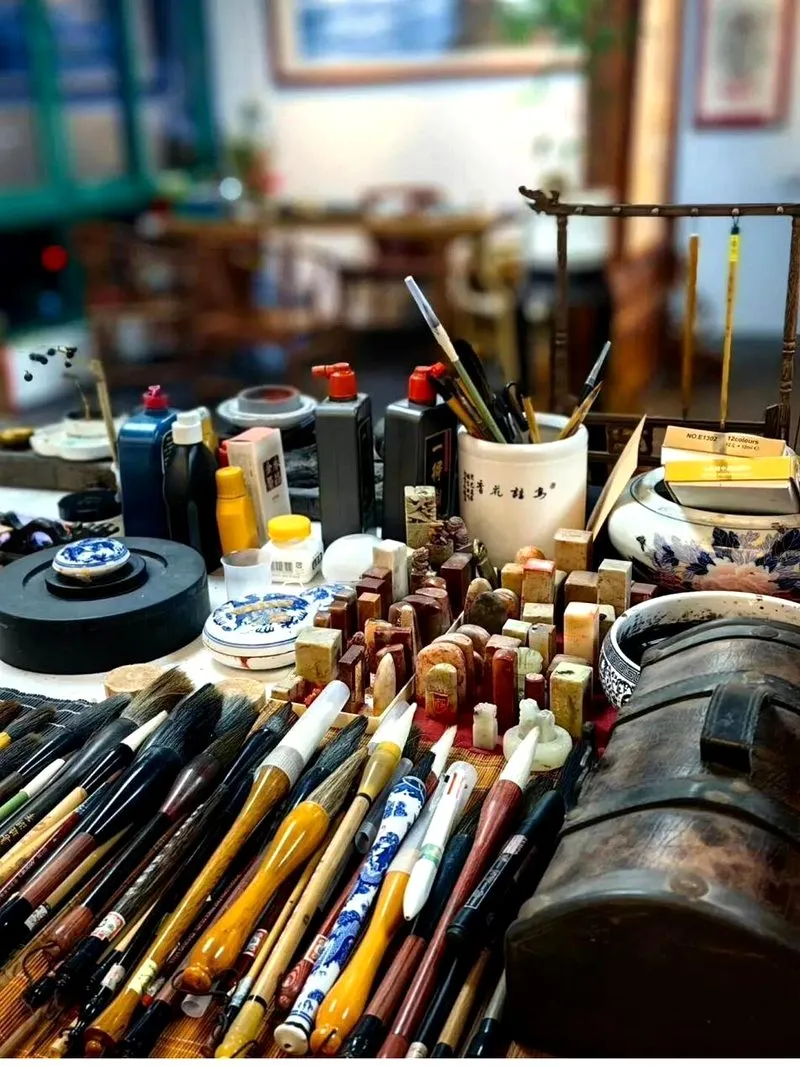
Each 嘉 (Jiā) is hand-brushed to order by Artist Lina Sun in ink on rice paper — never printed, never repeated.
Bring 嘉 home — choose how you'd like it brushed.
-
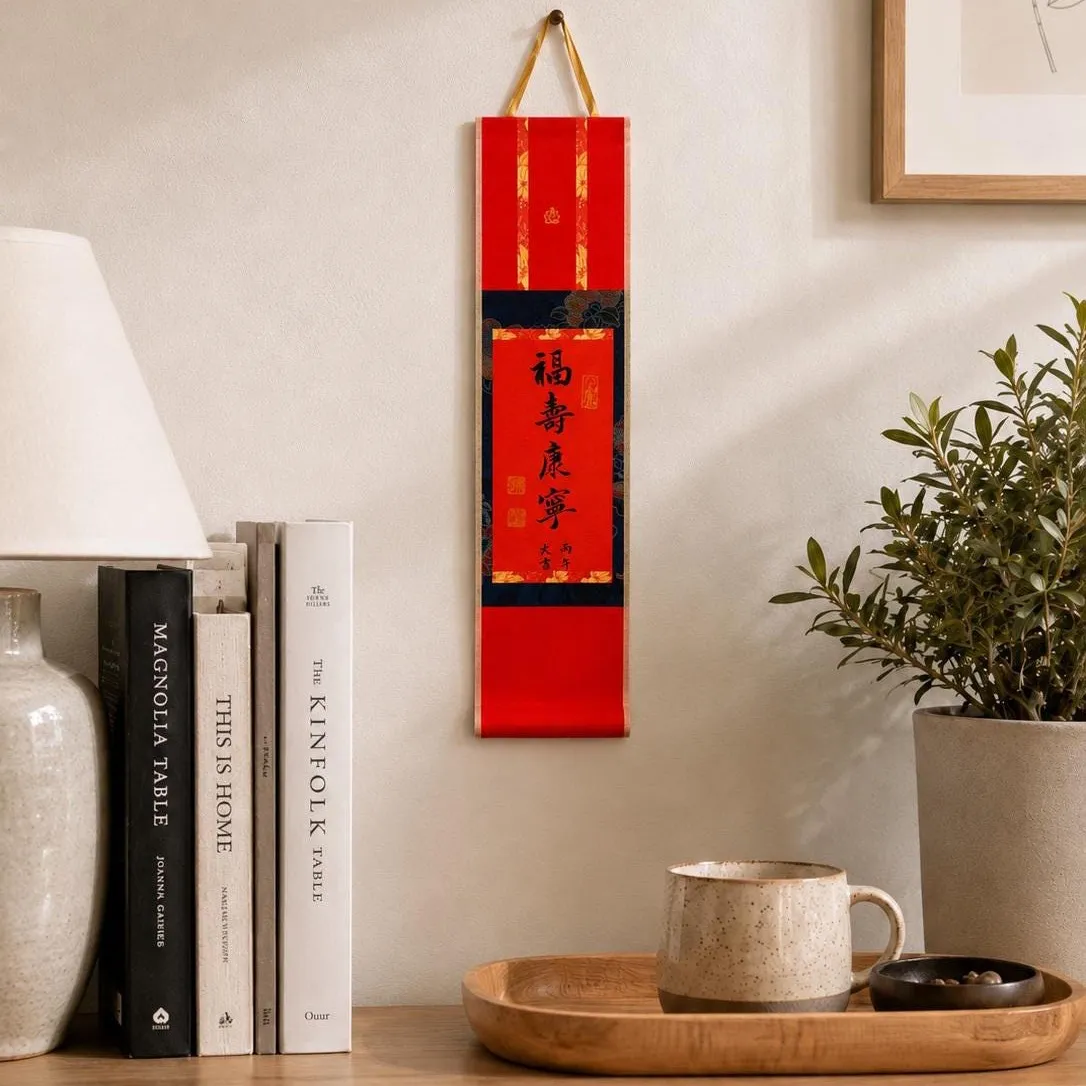
Photo shows a sample — yours will be brushed with 嘉, or any character you choose.
Wall Scroll — for walls & housewarmingsfrom $38→ -
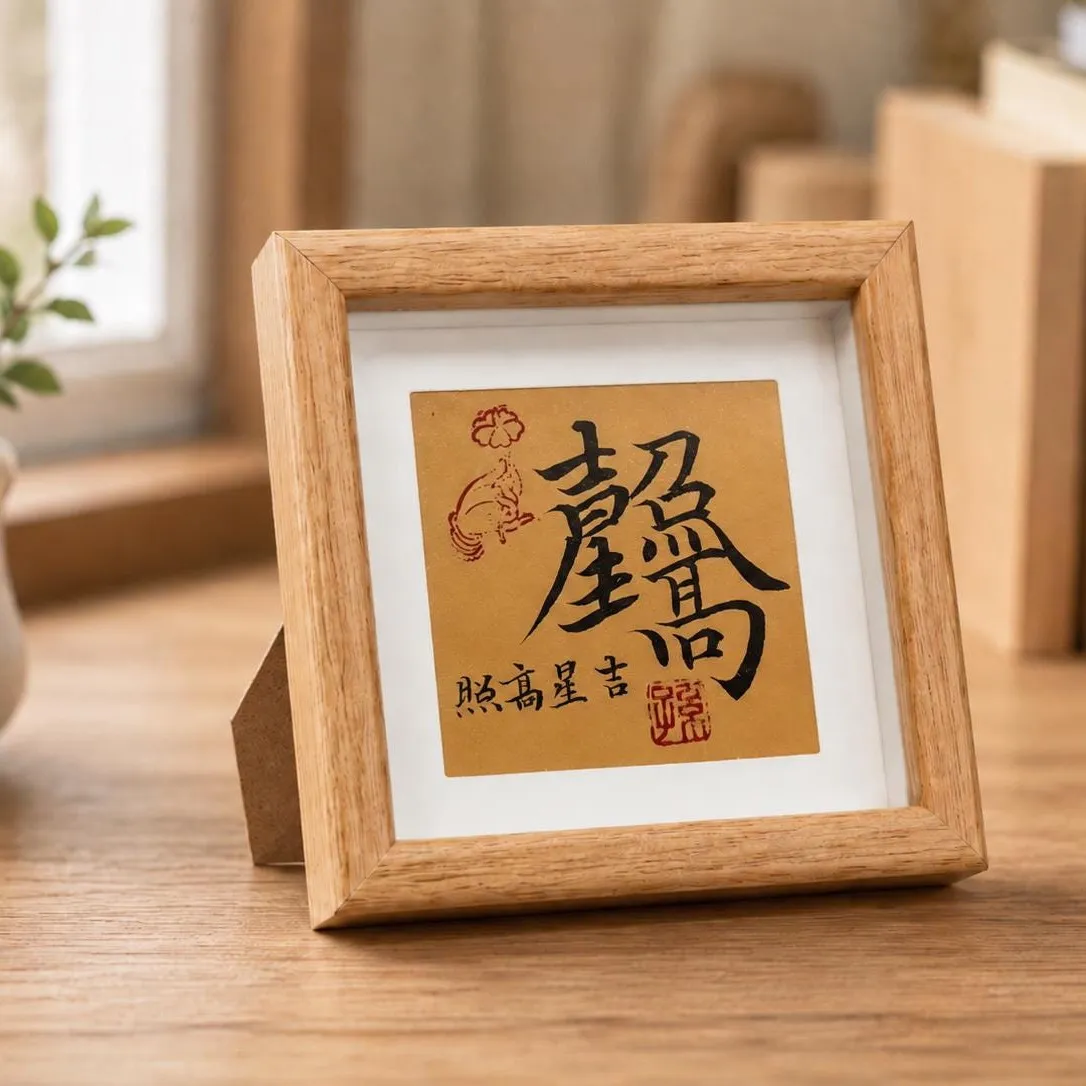
Photo shows a sample — yours will be brushed with 嘉, or any character you choose.
Desk Frame — for desks, studies & studiosfrom $44→ -
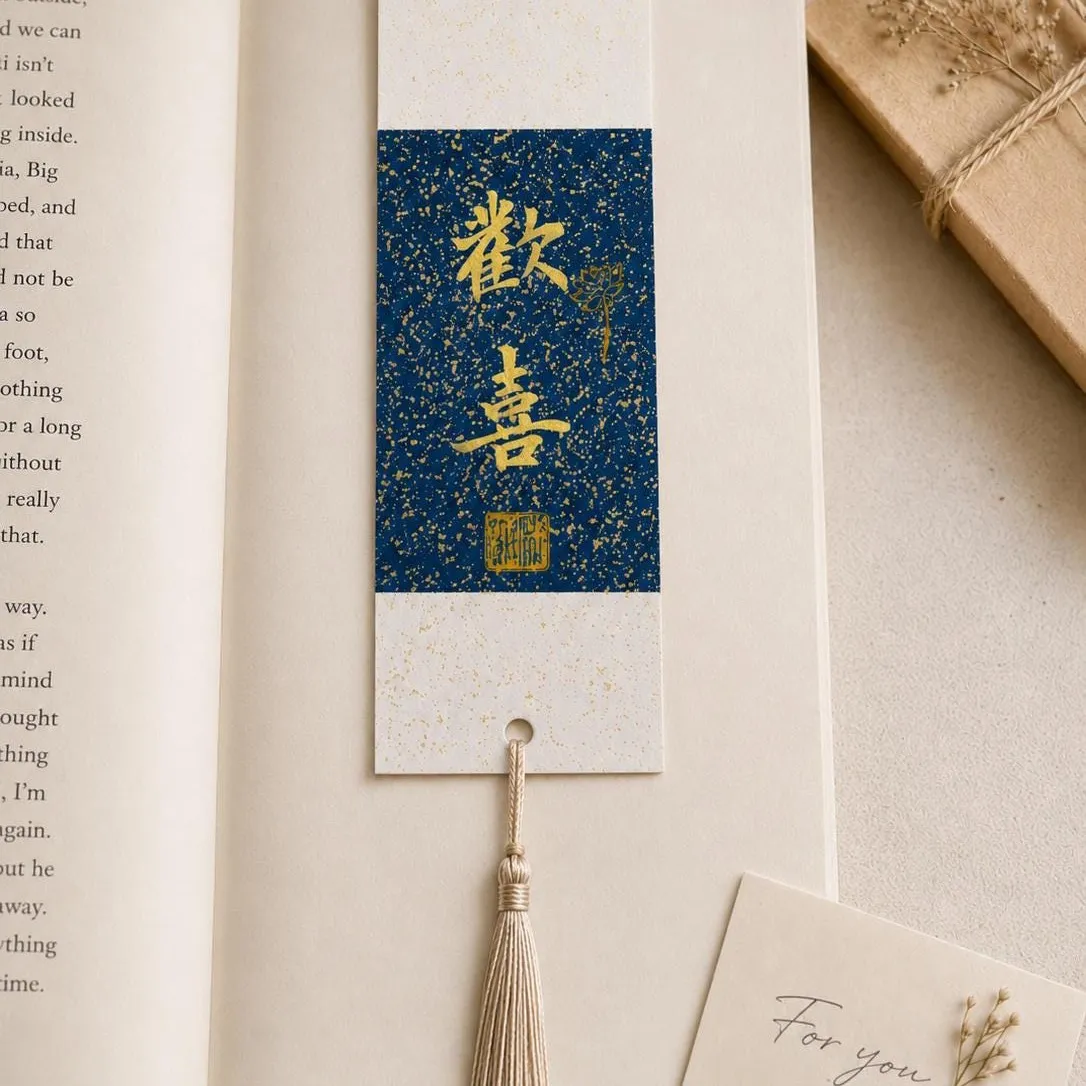
Photo shows a sample — yours will be brushed with 嘉, or any character you choose.
Bookmark — for readers & small thank-yousfrom $17→
What people said after it arrived.
-
The item is fantastic. The customer service was genuine. Thanks!
— M.Verified purchase · from our Etsy shop reviews · -
They were great they gave me exactly what I asked for and then some. Thank you!!
— G.Verified purchase · from our Etsy shop reviews · -
It is well designed and customized. My daughter loves it. Amazing gift for family’s d friends
— S.Verified purchase · from our Etsy shop reviews ·
Each "嘉" is hand-brushed by Artist Lina Sun on rice paper.
See 嘉 (Jiā) on Etsy →