栋梁 (dòng liáng) — Pillar of Strength · Structural Indispensability · The One the Whole Thing Rests On
A two-character word, not a single character.
栋梁 does not describe what kind of person someone is — it names what the structure requires of them. 德 names the moral formation that accumulates over years. 担当 names the act of stepping in. 强 names the power the role demanded. 栋梁 names something prior to all of these: the relationship between a person and a structure that cannot hold without them. The father who has been 栋梁 to a household did not merely demonstrate good qualities within it — he was the load-bearing element. The colleague or boss who earns the name has been the one whose absence would not leave a gap to fill but a structure to reconstitute.
In Chinese professional and family life, 栋梁 is used carefully, because it makes a large claim. 栋梁之才 (the talent of a ridgepole-and-beam) names the person whose formation and capacity are proportioned to structural responsibility — not just capable but appropriately sized for the central load. Chinese building tradition was precise about this: the ridgepole had to be the right timber, the right length, correctly oriented. A smaller beam would not fail gracefully; it would bring down the roof. The precision of the architectural metaphor is the point: this person, this structure, this relationship between the two.
A hand-brushed 栋梁 by FuBlessings gives the recognition its form — the characters for ridgepole and beam, written as a pair, naming the person who has held the thing up. For the father whose household formed around him, the boss who has been the organizing center of what the team could produce, the graduate who is entering a world that needs exactly what they have been formed to be: this is the gift that names structural indispensability in the oldest vocabulary available for it.
The Story Behind the Character
The ridgepole (栋, dòng) runs along the apex where the two roof slopes meet in a traditional Chinese building, carrying the weight of everything above it down through the bracket systems to the columns below. A building named itself by its ridgepole: the structure's orientation, span, and stability were all determined by how this single beam was set. The character pairs the wood radical 木 with 東 (dōng) supplying the sound — a phono-semantic construction in which 木 signals the material and 東 carries the pronunciation. That the ridgepole also set the building's cardinal orientation is a structural fact, not an etymological one, but the coincidence has made 栋 memorable: the beam that bears the weight and the direction, together.
梁 named the transverse beams stepped down from ridgepole to eaves, distributing the roof load laterally across the column grid. Traditional Chinese builders classified their structures by the number of these beams: a three-beam house (三梁架), a five-beam hall, a seven-beam ceremonial structure. More beams meant greater width, greater ambition, greater permanence. When the 说文解字 (Shuowen Jiezi, c. 100 CE) described 梁, it captured both the physical reality and the metaphor already latent in the word: a crossing, a bridge, the piece that spans.
By the Han dynasty, 栋梁之才 — "talent of the ridgepole and beam" — had become the standard Chinese idiom for irreplaceable structural contribution. To name someone 国之栋梁 was to say the state's coherence depended on them. The architectural image never disappeared from the moral one: calling someone 栋梁 still carries the specific claim that without this person, the structure loses its organizing center. Not admirable. Not capable. Load-bearing.
Classical lines
- roughly 1,600 years
- c. 800 BCE 《周易·大过》九四
- c. 400–200 BCE 《管子·权修》
- c. 766 CE 杜甫《古柏行》
大厦如倾要梁栋,万牛回首丘山重。 When the great hall tilts, it needs its ridgepoles and beams
ten thousand oxen turn back from a weight like mountains. — Du Fu wrote this poem late in his life, in Sichuan, contemplating a centuries-old cypress tree large enough to become a ridgepole for a great hall but too massive to move. The lines name both what 栋梁 means and why it is rare: the structural material must be of the right scale, found and placed correctly, or the hall fails. Du Fu was not writing about timber.
栋隆,吉;有它,吝。 The ridgepole holds firm
auspicious; when stretched further than it can bear, difficult. — The Da Guo (Great Excess) hexagram images a beam under stress: its middle stronger than its ends, bowed by the weight it carries. The oracle for the fourth line is clear: the ridgepole that holds its position is the fortunate one. The qualification that follows is structural, not moral: timber has limits, and wisdom is knowing them. In Chinese gift tradition, the auspicious half of this oracle is the one given.
一年之计,莫如树谷;十年之计,莫如树木;终身之计,莫如树人。 For a year's plan, plant grain; for a ten-year plan, plant trees; for a lifetime's plan, cultivate people.
The Guanzi articulates why 栋梁 cannot be rushed: the ridgepole requires decades of growth before it can carry the load. This is the verse behind the traditional Chinese investment in education and formation — and the logic behind giving 栋梁 to someone whose long cultivation has now produced a person of structural importance.
Why This Character Matters
The 上梁仪式 (ridgepole-raising ceremony) is one of the most significant rituals in Chinese building tradition. When the ridgepole is set at the apex of a new house, the family celebrates: red cloth is tied to the beam, auspicious characters are painted on it (often 上梁大吉, 栋宇永昌), rice and coins are thrown from the roof to neighbors gathered below. The ceremony marks the moment the structure becomes structurally coherent — before the ridgepole is placed, the walls stand but the building does not yet exist. Afterward, the family is home.
国之栋梁 (pillar of the nation) remains one of the most weighty compliments in Chinese public life, used in graduation addresses, organizational tributes, and state recognition of exceptional officials and scholars. The phrase does not mean "valuable" or "accomplished" — it means specifically indispensable to the structure. Chinese graduation speeches regularly frame the obligation of the educated as 成为国家的栋梁 (becoming the nation's ridgepole-and-beam) — the argument being that formation creates structural obligation, not just personal opportunity. When a father or mentor is called 栋梁 in a family context, the same structural claim is made: the household held because of this person's position in it.
For Father's Day when the gift should name structural position rather than quality or virtue.
- For Father's Day when the gift should name structural position rather than quality or virtue. 栋梁 does not describe character (德) or resolve (毅) or the act of stepping in (担当) — it names the relationship between a person and the structure that depends on them: without him, the roof falls. Most specific for the father whose years have not merely demonstrated good qualities but have been the organizing load-bearing element of the household — the one the family formed around without anyone needing to name it.
- For the graduate who is entering a world that needs 栋梁之才 — people of structural importance rather than merely competent contributors. 栋梁 at graduation names what the years of formation have been preparing someone to become: not the person who works hard in the structure, but the person the structure works because of. A sharper choice than 德 (accumulated character) or 才华 (natural talent) for the graduate whose particular formation has been toward leadership and load-bearing.
Looking for a name? See Western names written in Chinese →
-
What does 栋梁 (dòng liáng) mean?
栋梁 (dòng liáng) is a two-character Chinese word for pillar of strength, structural indispensability, the one the whole thing rests on. 栋梁 does not describe what kind of person someone is — it names what the structure requires of them. 德 names the moral formation that accumulates over years. 担当 names the act of stepping in. 强 names the power the role demanded. 栋梁 names something prior to all of these: the relationship between a person and a structure that cannot hold without them. The father who has been 栋梁 to a household did not merely demonstrate good qualities within it — he was the load-bearing element. The colleague or boss who earns the name has been the one whose absence would not leave a gap to fill but a structure to reconstitute. The 上梁仪式 (ridgepole-raising ceremony) is one of the most significant rituals in Chinese building tradition. When the ridgepole is set at the apex of a new house, the family celebrates: red cloth is tied to the beam, auspicious characters are painted on it (often 上梁大吉, 栋宇永昌), rice and coins are thrown from the roof to neighbors gathered below. The ceremony marks the moment the structure becomes structurally coherent — before the ridgepole is placed, the walls stand but the building does not yet exist. Afterward, the family is home.
-
What occasions is 栋梁 given for?
栋梁 is traditionally given for Father's Day, Graduation. For Father's Day when the gift should name structural position rather than quality or virtue. 栋梁 does not describe character (德) or resolve (毅) or the act of stepping in (担当) — it names the relationship between a person and the structure that depends on them: without him, the roof falls. Most specific for the father whose years have not merely demonstrated good qualities but have been the organizing load-bearing element of the household — the one the family formed around without anyone needing to name it. For the graduate who is entering a world that needs 栋梁之才 — people of structural importance rather than merely competent contributors. 栋梁 at graduation names what the years of formation have been preparing someone to become: not the person who works hard in the structure, but the person the structure works because of. A sharper choice than 德 (accumulated character) or 才华 (natural talent) for the graduate whose particular formation has been toward leadership and load-bearing.
-
Who brushes the 栋梁 calligraphy?
FuBlessings hand-brushes each 栋梁 (Dòng Liáng) to order, in ink on rice paper — never printed, never repeated.
Bring 栋梁 home — choose how you'd like it brushed.
-
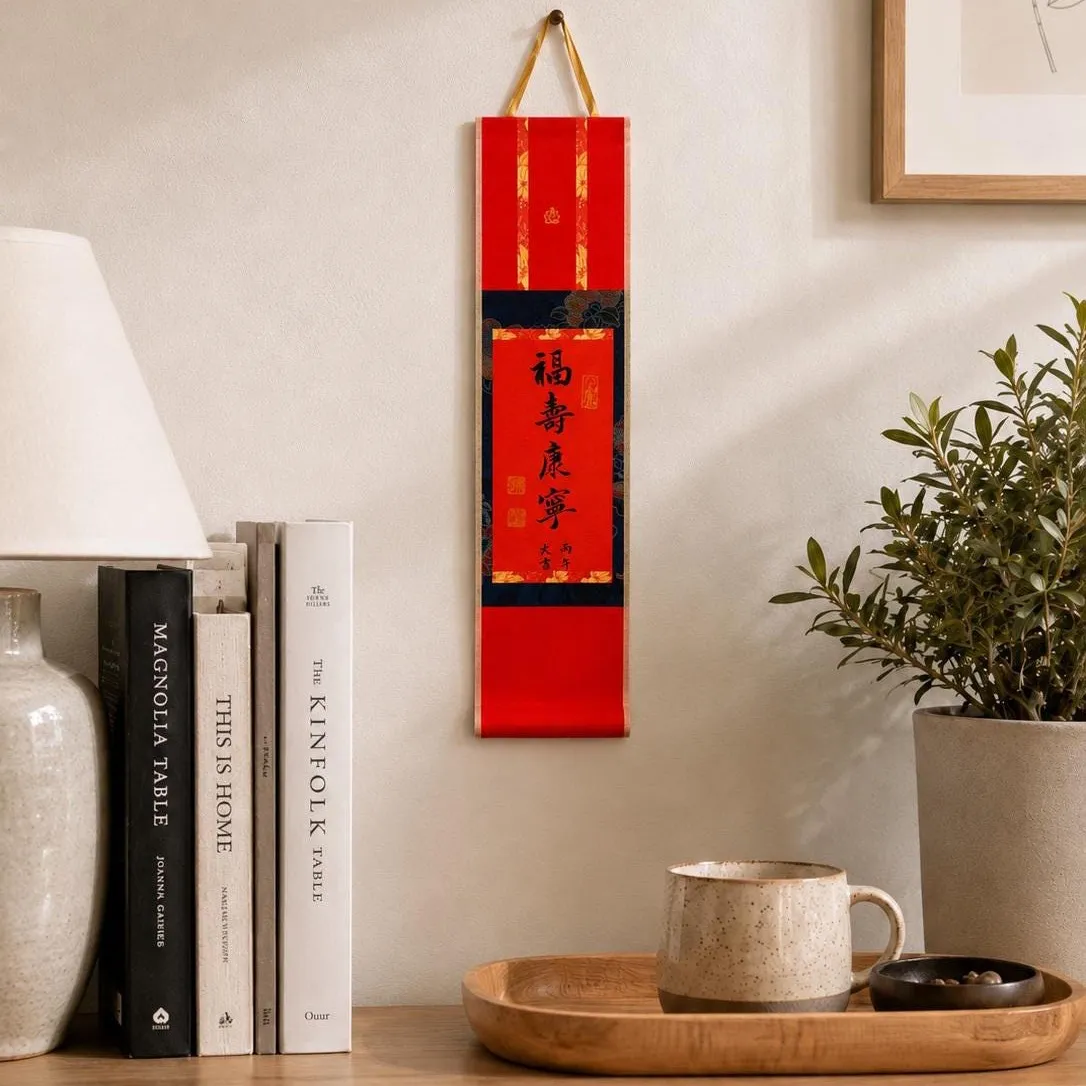
Photo shows a sample — yours will be brushed with 栋梁, or any character you choose.
Wall Scroll — for walls & housewarmingsfrom $38→ -
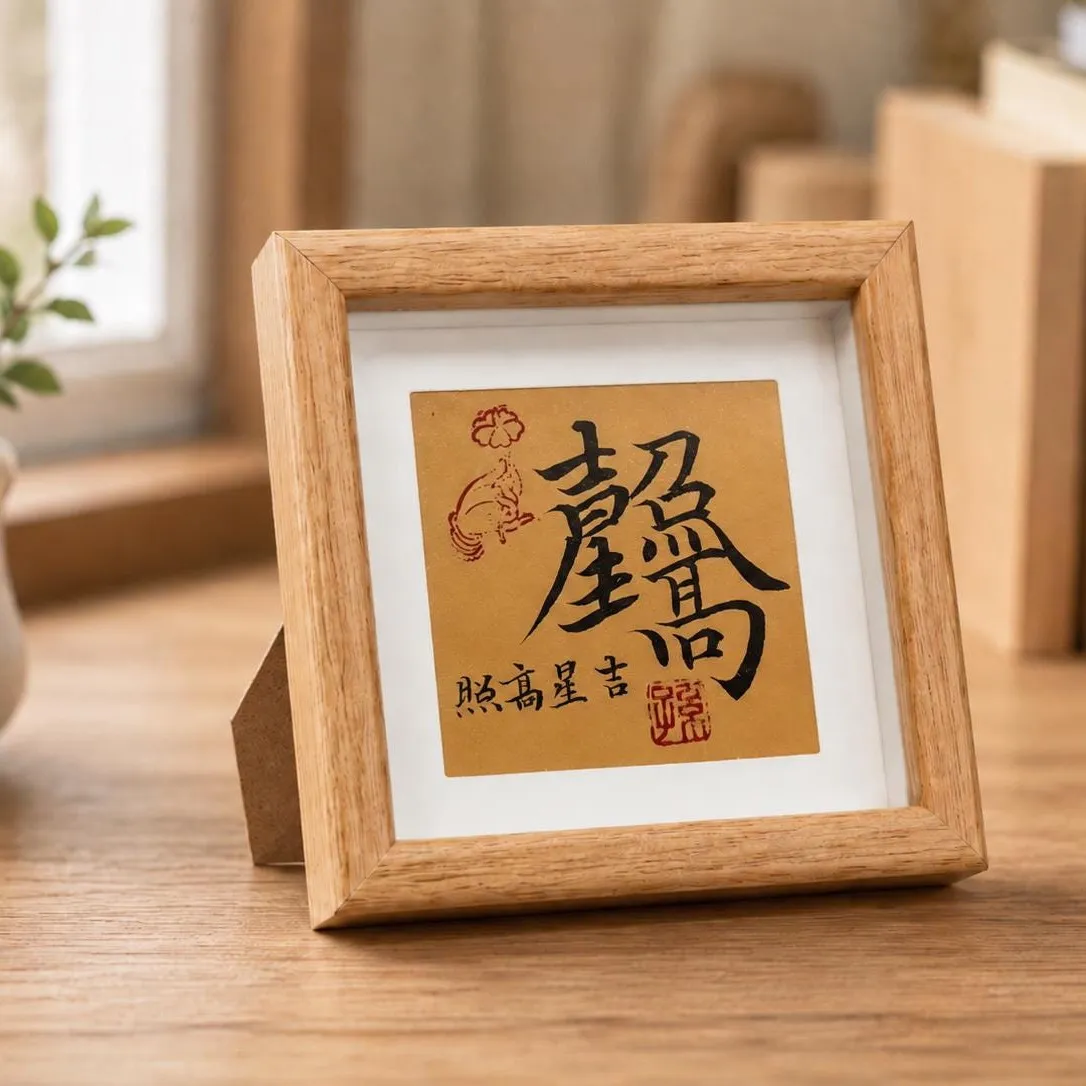
Photo shows a sample — yours will be brushed with 栋梁, or any character you choose.
Desk Frame — for desks, studies & studiosfrom $44→ -
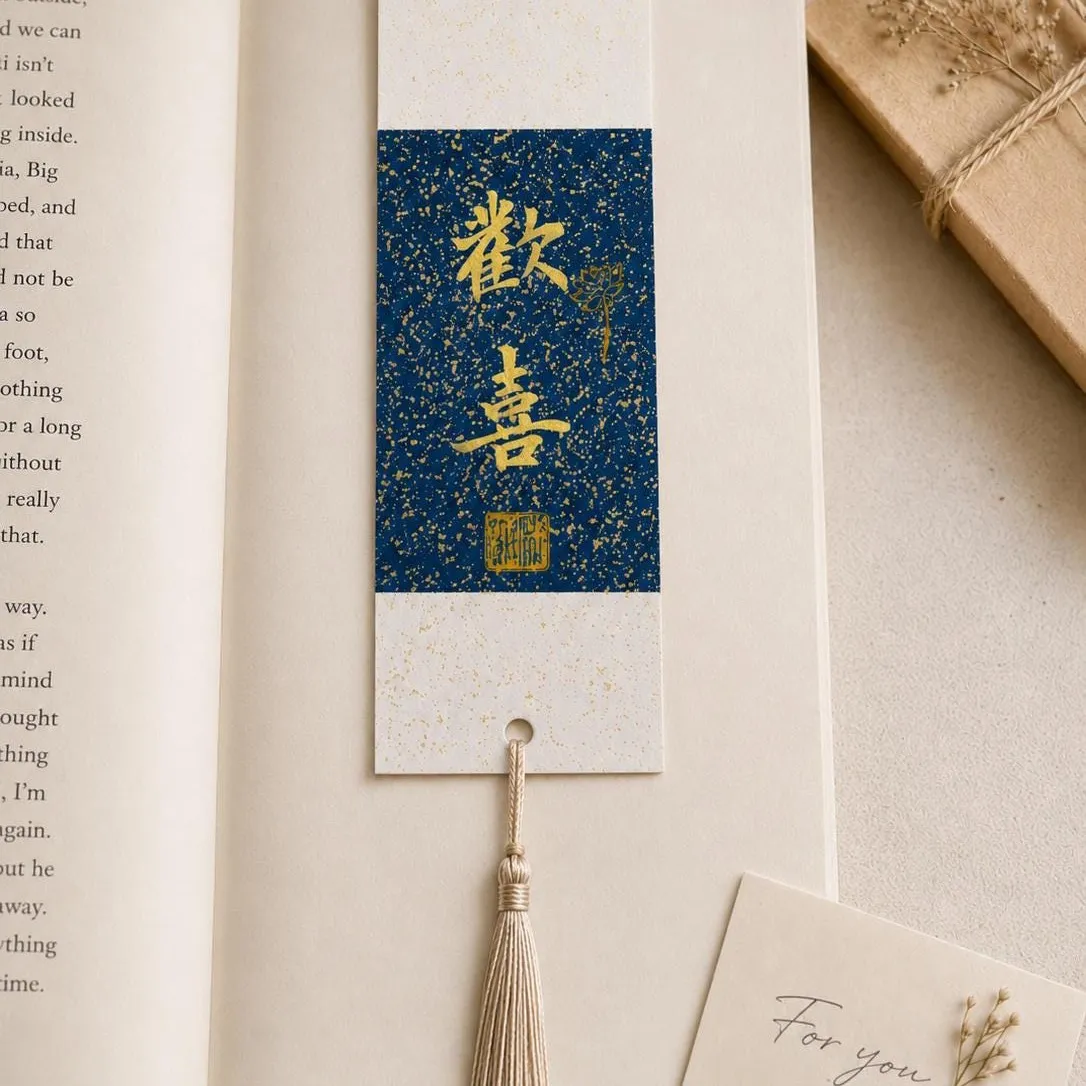
Photo shows a sample — yours will be brushed with 栋梁, or any character you choose.
Bookmark — for readers & small thank-yousfrom $14→

What people said after it arrived.
-
The item is fantastic. The customer service was genuine. Thanks!
— M.Verified purchase · from our Etsy shop reviews · -
They were great they gave me exactly what I asked for and then some. Thank you!!
— G.Verified purchase · from our Etsy shop reviews · -
It is well designed and customized. My daughter loves it. Amazing gift for family’s d friends
— S.Verified purchase · from our Etsy shop reviews ·
Each "栋梁" is hand-brushed by FuBlessings on rice paper.
See 栋梁 (Dòng Liáng) on Etsy →