Chu Ru Ping An (出入平安): Safe Passage · Coming and Going in Peace
A four-character phrase, not a single character. 出 and 入 name both directions; the 入 is not optional.
Chū rù píng ān (出入平安) is a four-character Chinese phrase meaning “come and go in peace”: 出 (chū, to go out), 入 (rù, to come in), 平 (píng, even, undisturbed), and 安 (ān, safe, settled). It wishes both ends of the journey at once — not merely “go safely,” but “go and come home whole.” Households hang it at a doorway, often as the short banner (横批) across a Spring Festival couplet, or give it at a housewarming so the threshold is covered in both directions. It is also spoken before a commute or a longer trip. FuBlessings hand-brushes 出入平安 to order in Shenzhen: ink on rice paper, living craft, never printed and never repeated.
See 平安 → · Studio → · Chinese tattoo guide →
- safe passage
- coming and going unharmed
- safe travel and safe return
- the whole of one's movement kept whole
- safe travels Too one-directional. 出入平安 covers the return as fully as the departure — not just 'go well' but 'go and come back whole.' The 入 is not optional.
- peaceful Misses the movement. 出入平安 is not about inner calm but about the safety of a body in motion — out the door and home again, unharmed.
The short arms are the point: these readings don’t reach it.
- 出入 going out and coming inAn antithetical pair — 出 (to exit) set against 入 (to enter). Naming both opposites at once covers the entirety of a person's movement, leaving no departure or return outside the blessing. Building a wish on an antithesis rather than on a doubled positive is what makes the phrase feel complete.
- 平安 level and undisturbed; safe平 (even, without disturbance) plus 安 (settled, sheltered). The condition wished over all that movement — not excitement or success, but the absence of harm at every crossing of the threshold.
characters
- 平安 píng ān peace and safety — the core the phrase extends over every coming and going
- 一路平安 yī lù píng ān peace for the whole road — the spoken farewell, blessing the journey out
- 出入 chū rù going out and coming in — the antithetical pair naming all of one's movement
- 出门在外 chū mén zài wài out the door and away from home — the exposed state the phrase watches over
The Story Behind the Character
Above the door of countless Chinese homes, between the two vertical strips of a Spring Festival couplet, hangs a short horizontal banner — the 横批 — and on a great many of them are these four characters. 出入平安 was never lifted from a classical text. It grew up on doorframes, in the plain vocabulary of people who wanted a blessing they could hang over a threshold, and it earned its permanence there. Its power is in a single grammatical choice: it is built on an antithesis, not a repetition. Most Chinese blessings pair two parallel positives — 平安 sets "level" beside "settled," 安康 sets "safe" beside "well." 出入平安 instead yokes two opposites, 出 (to go out) and 入 (to come in), and by naming both ends of a person's movement it insists that nothing be left uncovered.
That completeness is the whole point. A more familiar farewell, 一路平安 ("peace for the whole road"), blesses the journey out — the road, the going. 出入平安 refuses to stop there. By naming the return in the same breath as the departure, it closes the loop: not merely "go safely" but "go and come back whole." The 出入 pairing carries deep roots — the 复 hexagram of the Book of Changes opens with 出入无疾, "going out and coming in without affliction," using the same antithesis to describe a life whose movements meet no harm. The doorframe banner is the folk inheritance of that idea, worn smooth by centuries of use.
Over time the phrase followed people out of the courtyard and into every new way of traveling. The same four characters that once hung over a wooden gate went on to ride with people down the road. The object changes — gate, cart, train, car — but the wish does not: whatever carries you out, may it carry you back.
Classical lines
出入无疾,朋来无咎。 Going out and coming in without affliction; friends arrive and there is no fault.
The 复 hexagram describes return itself as the auspicious motion. The line names, in the language of the oldest Chinese classic, exactly what 出入平安 asks for: movement that meets no harm at either end.
昔我往矣,杨柳依依;今我来思,雨雪霏霏。 When I set out, the willows bent soft in the wind; now I return, snow falls thick and cold.
A soldier's memory of the going and the coming home, the whole arc of departure and return held in four lines. It is the span 出入平安 watches over: not the leaving alone, but the distance between leaving and safely back.
在家千日好,出门一时难。 A thousand days at home are easy; a single hour on the road is hard.
The proverb that explains why the wish exists at all. Home is the known, safe place; the moment you step past the door, the world stops being predictable — which is precisely when a family reaches for 出入平安.
Why This Character Matters
On a Spring Festival door couplet, the two vertical strips get all the poetry — parallel lines of seven characters each, matched tone for tone — but the four characters most people read first are the short banner laid across the top, and 出入平安 is a common banner hung there. It is a telling piece of placement: the couplet may wish the household wealth, spring, or rising fortune, but the line that crowns the whole arrangement asks only that everyone passing beneath it stay safe. The hierarchy is deliberate. Before a family wishes itself prosperity, it wishes itself intact.
The phrase is also one of the few Chinese blessings that migrated onto vehicles. Long before seatbelt campaigns, drivers hung a small red 出入平安 pouch from the mirror or pasted the words to the dashboard — the doorframe blessing transplanted to the most modern and most dangerous of thresholds. It is worth noticing that Chinese travel culture built its most enduring wishes not around arriving somewhere or achieving something, but around the round trip: 一路平安 for the road, 出入平安 for the door. Safe departure was never enough on its own. The wish was always for the return.
A few characters live near "出入平安" but mean something quieter, sharper, or more specific. Here's how to tell them apart.
safety stretched across every departure and return — movement kept whole
safety as a state — undisturbed and settled, without the coming-and-going frame
the whole arc of leaving and returning, kept safe end to end
the settled state alone — a person at rest, sheltered under a roof
safety across space — every trip out the door and back again
safety across time — the same peaceful year, repeating without crisis
Not for what fills the rooms — for everyone moving in and out of them.
- 出入平安 is a common horizontal banner (横批) hung above a Spring Festival door couplet — the short line read first, before the two vertical strips. Where the couplet wishes fortune or spring, the banner across the top asks for the plainest thing: that everyone who passes through this door in the coming year comes and goes unharmed.
- A door is a threshold crossed thousands of times, and 出入平安 is the blessing written for it — not for what fills the rooms but for the safety of everyone moving in and out of them. The inscription Chinese families have hung near an entrance for generations, doing the quiet work of watching the doorway.
New Parent · Friend · Grandparent · or yourself
Looking for a name? See Western names written in Chinese →
-
What does Chū rù píng ān (出入平安) mean?
Chū rù píng ān (出入平安) means “come and go in peace,” or safe passage in both directions. It is a four-character phrase, not a single character. 出 (chū) is to go out; 入 (rù) is to come in; together 出入 names every crossing of a threshold. 平 (píng) is even, level, without disturbance; 安 (ān) is safe and settled. 平安 (píng ān) is the familiar two-character wish for peace and safety; 出入平安 stretches that wish over movement — out the door and back again. English “safe travels” is close but one-directional. The 入 is not optional: the phrase insists on the return as fully as the departure.
-
When do people give or hang Chū rù píng ān?
People hang Chū rù píng ān (出入平安) where bodies pass through. At Chinese New Year it is a common 横批 — the short horizontal banner across the top of a door couplet, the line many households read first. At a housewarming it is given for the new threshold: not for what fills the rooms, but for everyone moving in and out of them. It is also spoken to a driver or a student leaving for another city. FuBlessings brushes it as a gift for the person whose leaving and returning you keep track of — a friend who has moved away, grandparents whose door the family still gathers at, or new parents carrying someone small through that door.
-
How is a hand-brushed Chū rù píng ān different from a font or tattoo flash?
A font file and most tattoo flash sheets repeat the same digital outline of 出入平安. A hand-brushed Chū rù píng ān by FuBlessings is written once, in one sitting, in ink on rice paper in Shenzhen. Each of the four characters has to sit with the others: the exit of 出, the enter of 入, the evenness of 平, the shelter of 安. That is living craft, not a stamp. If you want the phrase as a tattoo, a brush original is a better model than clip-art, but 出入平安 is first a doorway and travel wish. For stroke order, common mistakes, and how native readers see ink on skin, see the studio’s Chinese tattoo guide.
-
How is Chū rù píng ān different from píng ān alone?
Píng ān (平安) names peace and safety as a state — settled and undisturbed. Chū rù píng ān (出入平安) takes that same 平安 and frames it with movement: going out and coming in. Choose 平安 when you want calm and well-being in a life or a home; choose 出入平安 when the point is the threshold, the commute, the trip, the wish that someone leaves and comes back whole. A related spoken farewell, yī lù píng ān (一路平安, “peace for the whole road”), blesses the journey out. 出入平安 refuses to stop at departure. Ān (安) alone is quieter still: the settled state under a roof, without the coming-and-going frame.
Bring 出入平安 home — choose how you'd like it brushed.
-
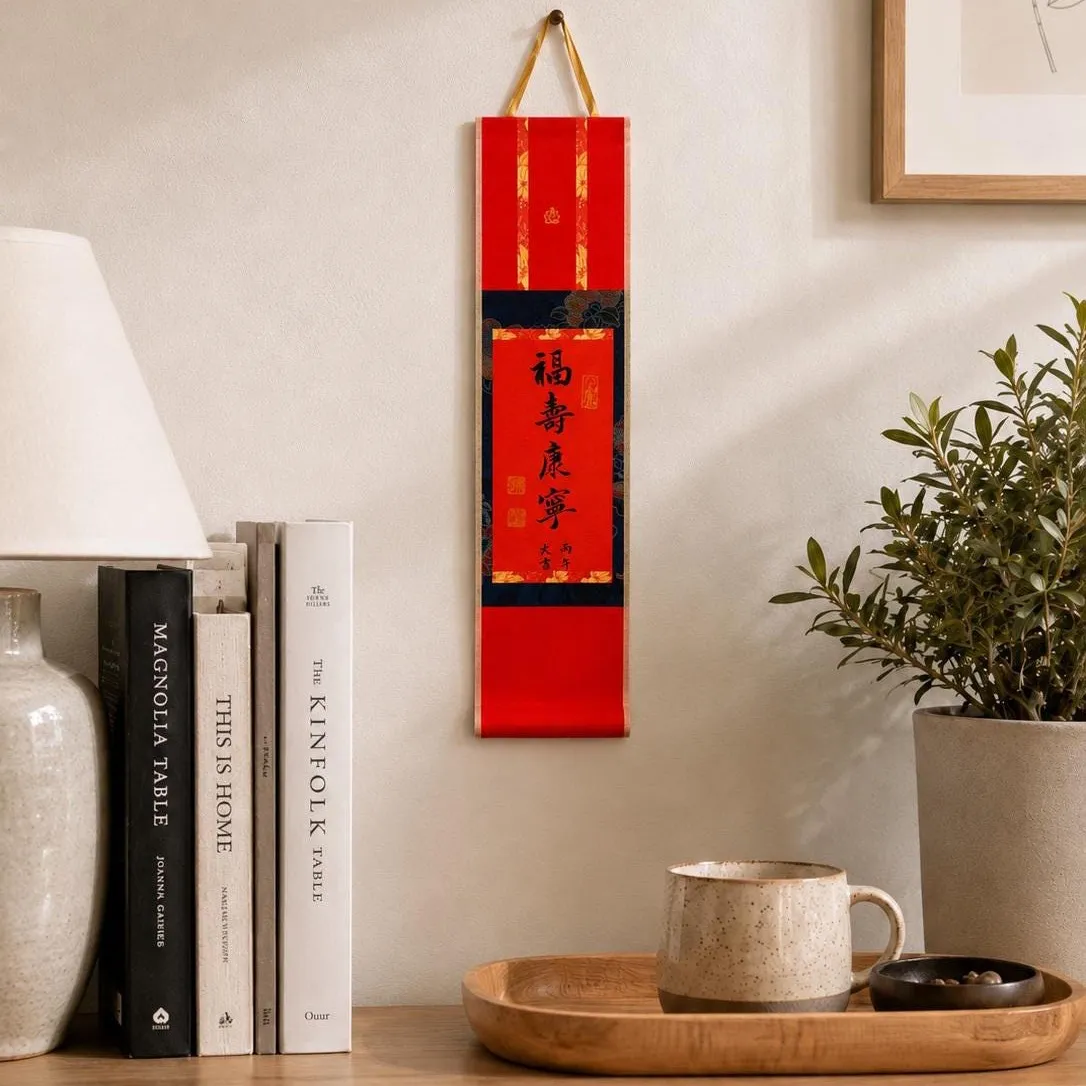
Photo shows a sample — yours will be brushed with 出入平安, or any character you choose.
Wall Scroll — for walls & housewarmingsfrom $38→ -
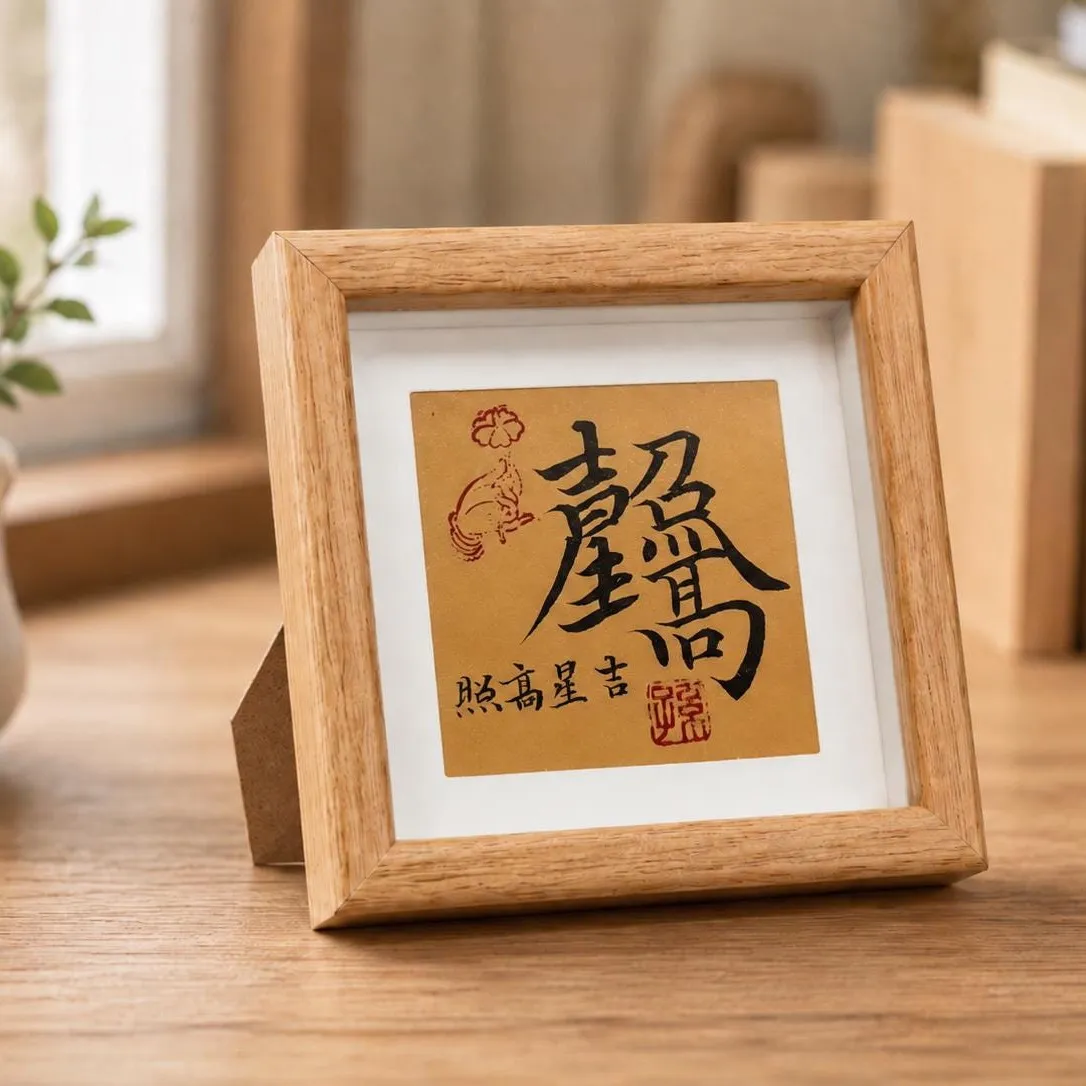
Photo shows a sample — yours will be brushed with 出入平安, or any character you choose.
Desk Frame — for desks, studies & studiosfrom $44→ -
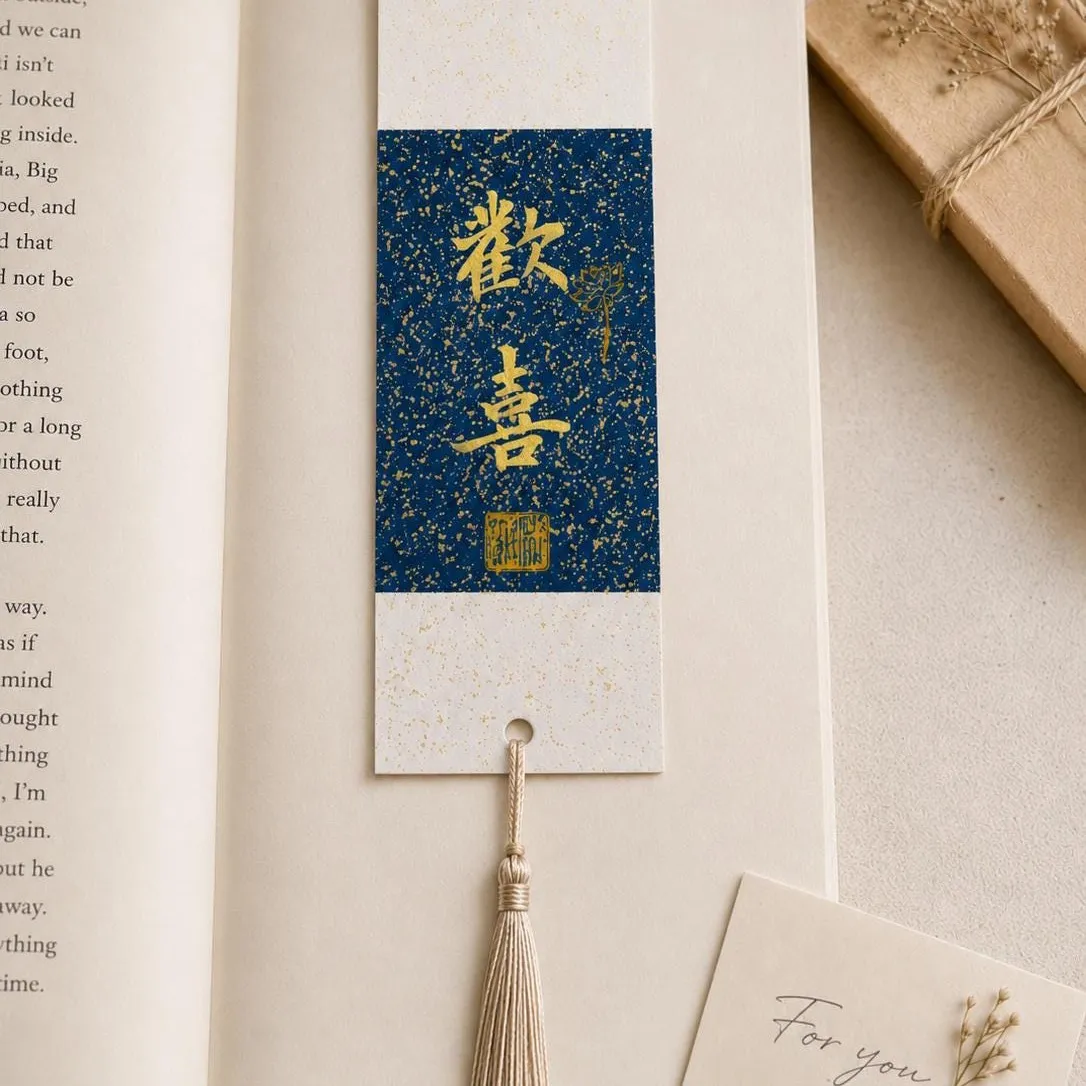
Photo shows a sample — yours will be brushed with 出入平安, or any character you choose.
Bookmark — for readers & small thank-yousfrom $14→
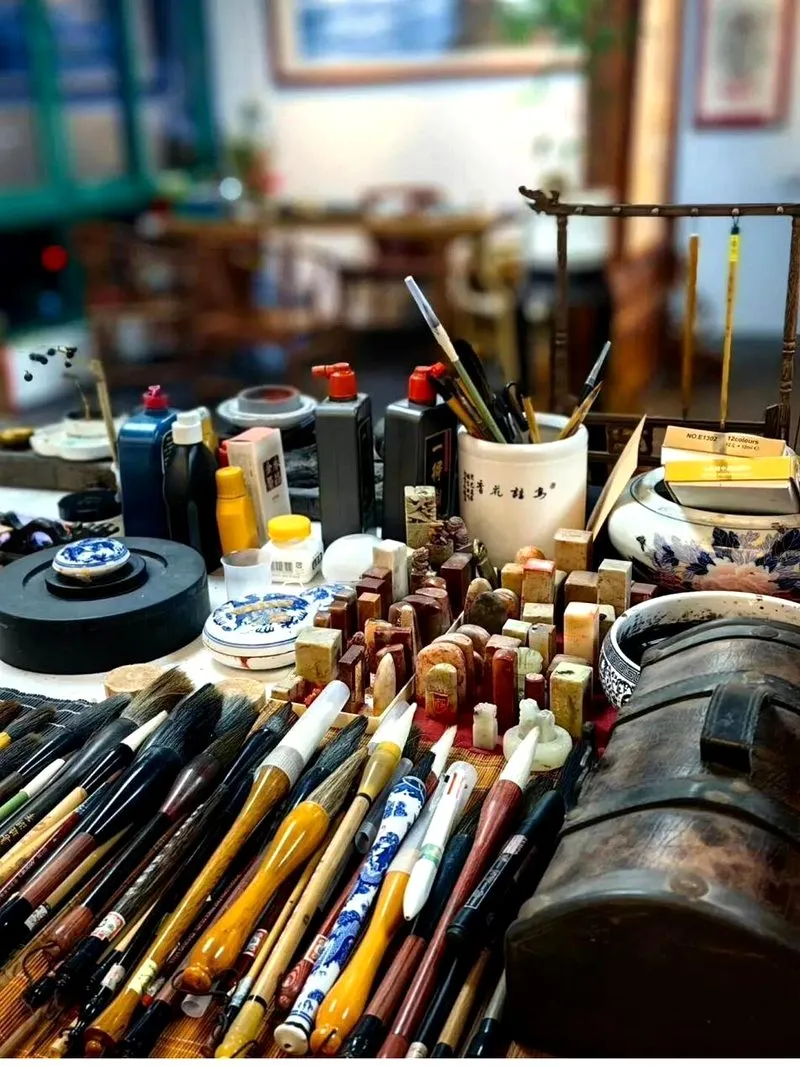
What people said after it arrived.
-
The item is fantastic. The customer service was genuine. Thanks!
— M.Verified purchase · from our Etsy shop reviews · -
They were great they gave me exactly what I asked for and then some. Thank you!!
— G.Verified purchase · from our Etsy shop reviews · -
It is well designed and customized. My daughter loves it. Amazing gift for family’s d friends
— S.Verified purchase · from our Etsy shop reviews ·
Each "出入平安" is hand-brushed by FuBlessings on rice paper.
See 出入平安 (Chū Rù Píng Ān) on Etsy →