忠孝 (zhōng xiào) — Loyalty and Filial Piety · Faithfulness and Familial Devotion
A two-character word, not a single character.
忠孝 names the two primary outward-facing obligations in Chinese ethics as a pair — neither a wish nor a quality, but a double recognition: the faithfulness to what has been taken on (忠) and the acknowledgment of what was given before any commitment could be made (孝). The Classic of Filial Piety makes the argument that they are not parallel virtues running side by side but sequential ones: 孝 comes first because the capacity to face another person wholly — without deviation toward self-interest — is trained in the specific relationship between child and parent before it can extend to any other relationship. A person who has not learned 孝 has not yet learned the interior posture that 忠 requires.
For a father, grandparent, or mentor, 忠孝 given at Father’s Day or a milestone birthday names both what the recipient has demonstrated and what the occasion calls on the giver to return. The father whose years of household faithfulness have been the quiet example has been practicing 忠 in its most foundational form — not the loyalties of generals and ministers, but the centered-heart orientation toward the people depending on him, sustained across all the years those people were watching. 忠孝 as a gift names both his record (忠) and the recognition it has earned (孝), in two characters, without requiring the giver to choose one half of the accounting at the expense of the other.
A hand-brushed “忠孝” by FuBlessings gives the pair a form that holds both halves in a single gesture: the faithfulness and the filial debt, the outward orientation and the backward recognition, the complete naming of what the relationship has been and what the occasion now returns.
The Story Behind the Character
孝 comes first. The oracle-bone form is one of the most legible pictures in the script: a small child-figure beneath the form of an elder, supporting them from below. The image made the argument before the philosophy arrived to articulate it. Filial piety began not with a doctrine but with a posture — the child oriented upward, beneath the weight of what came before, holding it up.
忠 extends that posture outward. Its bronze-inscription form places 中 (the center marker — a pole in a gathering place, the axis around which a community oriented itself) above 心 (heart). A centered heart: one that has found its axis in something outside itself. The Classic of Filial Piety made the connection explicit: 君子之事亲孝,故忠可移于君 — when a person has learned to face their parents wholly, that faithfulness can be extended to the ruler. 孝 is not merely a private virtue. It is the training ground for 忠.
Together the pair names the complete relational life. 孝 faces the past: the acknowledgment that what was given — life, care, formation — cannot be fully returned, only recognized and forwarded. 忠 faces outward: the faithfulness to what has been taken on, to those who have placed their weight in you. A person who carries only 孝 has received the formation without extending it; one who carries only 忠 holds the orientation but has not acknowledged its source. Together they name both directions of the same turning — the centered heart that knows where it came from and where it is pointed.
Classical lines
- roughly 600 years
- c. 400 BCE 《孝经·广扬名章》
- c. 300 BCE 《礼记·祭义》
- c. 227 CE 诸葛亮《前出师表》
君子之事亲孝,故忠可移于君;事兄悌,故顺可移于长。 When a noble person serves their parents with filial piety, that faithfulness can be extended to the ruler; when they serve elder siblings with fraternal respect, that deference can be extended to superiors.
The Confucian argument that makes 忠孝 a pair rather than just a list: 孝 trains the capacity for 忠. The private virtue is not separate from the public one — it is its source.
受任于败军之际,奉命于危难之间。 I received my commission at the moment of defeat, and took up the charge in the midst of peril.
Zhuge Liang, writing to the second emperor of Shu Han in 227 CE, explaining why he could not set down the burden he had taken up from Liu Bei. For over a thousand years this has been the most quoted expression of 忠 in Chinese letters — not the faithfulness of easy times, but the centered-heart orientation that holds when the mission looks unwinnable.
身也者,父母之遗体也,行父母之遗体,敢不敬乎? The body is the gift your parents gave you. To move through the world in the body your parents gave you
how could you treat any step with less than reverence? — Zengzi in the Record of Rites on 孝 as a continuous, embodied practice. Every action taken in the body received from parents is an occasion for 孝, which is why it can never be finally discharged — only continuously returned.
Why This Character Matters
忠孝两全 (zhōng xiào liǎng quán — to fully achieve both loyalty and filial piety at once) names the ideal in classical Chinese ethics. Its counterpart — 忠孝不能两全 (loyalty and filial piety cannot both be fully met at once) — names the tension that Chinese historical drama has returned to across centuries: the soldier who must leave aging parents to serve the state, the official who must speak a truth to the ruler that his family would prefer left unspoken. The pair does not pretend the tension resolves; it names both obligations together and leaves the weighing to the person who holds them.
In classical Chinese education, 忠孝 was among the first virtue pairs taught. The Classic of Filial Piety (《孝经》) — built around dialogues between Confucius and Zengzi — was among the texts required for the imperial civil service examinations and was memorized by schoolchildren across the dynasties. The sequence it describes — 孝 first, then 忠 as its extension — defined how Chinese ethical formation was understood for two thousand years: begin with the family, learn the orientation there, and carry it outward into every relationship that follows.
At Father's Day, 忠孝 gives both halves of the classical relational accounting: 孝 names what the occasion asks the giver to demonstrate — the explicit recognition that the years of care have created a debt the day is an opportunity to name — and 忠 names what the father has demonstrated across those same years: the wholehearted faithfulness to family and commitment that made his presence the example.
- At Father's Day, 忠孝 gives both halves of the classical relational accounting: 孝 names what the occasion asks the giver to demonstrate — the explicit recognition that the years of care have created a debt the day is an opportunity to name — and 忠 names what the father has demonstrated across those same years: the wholehearted faithfulness to family and commitment that made his presence the example. Where 孝 alone names only the child's stance and 忠 alone names only the father's quality, 忠孝 gives both at once.
- For the milestone birthday of a father, grandparent, or mentor whose years have been marked by sustained faithfulness, 忠孝 names the complete classical recognition: the wholehearted orientation toward commitment and the people depending on them (忠) and the acknowledgment that runs toward those who gave what cannot be fully returned (孝). More encompassing than either character alone and more specific than 德: the pair for the elder whose milestone is the occasion for the full accounting.
Dad · Grandparent · Boss · or yourself
Looking for a name? See Western names written in Chinese →
-
What does 忠孝 (zhōng xiào) mean?
忠孝 (zhōng xiào) is a two-character Chinese word for loyalty and filial piety, faithfulness and familial devotion. 忠孝 names the two primary outward-facing obligations in Chinese ethics as a pair — neither a wish nor a quality, but a double recognition: the faithfulness to what has been taken on (忠) and the acknowledgment of what was given before any commitment could be made (孝). The Classic of Filial Piety makes the argument that they are not parallel virtues running side by side but sequential ones: 孝 comes first because the capacity to face another person wholly — without deviation toward self-interest — is trained in the specific relationship between child and parent before it can extend to any other relationship. A person who has not learned 孝 has not yet learned the interior posture that 忠 requires. 忠孝两全 (zhōng xiào liǎng quán — to fully achieve both loyalty and filial piety at once) names the ideal in classical Chinese ethics. Its counterpart — 忠孝不能两全 (loyalty and filial piety cannot both be fully met at once) — names the tension that Chinese historical drama has returned to across centuries: the soldier who must leave aging parents to serve the state, the official who must speak a truth to the ruler that his family would prefer left unspoken. The pair does not pretend the tension resolves; it names both obligations together and leaves the weighing to the person who holds them.
-
What occasions is 忠孝 given for?
忠孝 is traditionally given for Father's Day, Birthday. At Father's Day, 忠孝 gives both halves of the classical relational accounting: 孝 names what the occasion asks the giver to demonstrate — the explicit recognition that the years of care have created a debt the day is an opportunity to name — and 忠 names what the father has demonstrated across those same years: the wholehearted faithfulness to family and commitment that made his presence the example. Where 孝 alone names only the child's stance and 忠 alone names only the father's quality, 忠孝 gives both at once. For the milestone birthday of a father, grandparent, or mentor whose years have been marked by sustained faithfulness, 忠孝 names the complete classical recognition: the wholehearted orientation toward commitment and the people depending on them (忠) and the acknowledgment that runs toward those who gave what cannot be fully returned (孝). More encompassing than either character alone and more specific than 德: the pair for the elder whose milestone is the occasion for the full accounting.
-
Who brushes the 忠孝 calligraphy?
FuBlessings hand-brushes each 忠孝 (Zhōng Xiào) to order, in ink on rice paper — never printed, never repeated.
Bring 忠孝 home — choose how you'd like it brushed.
-
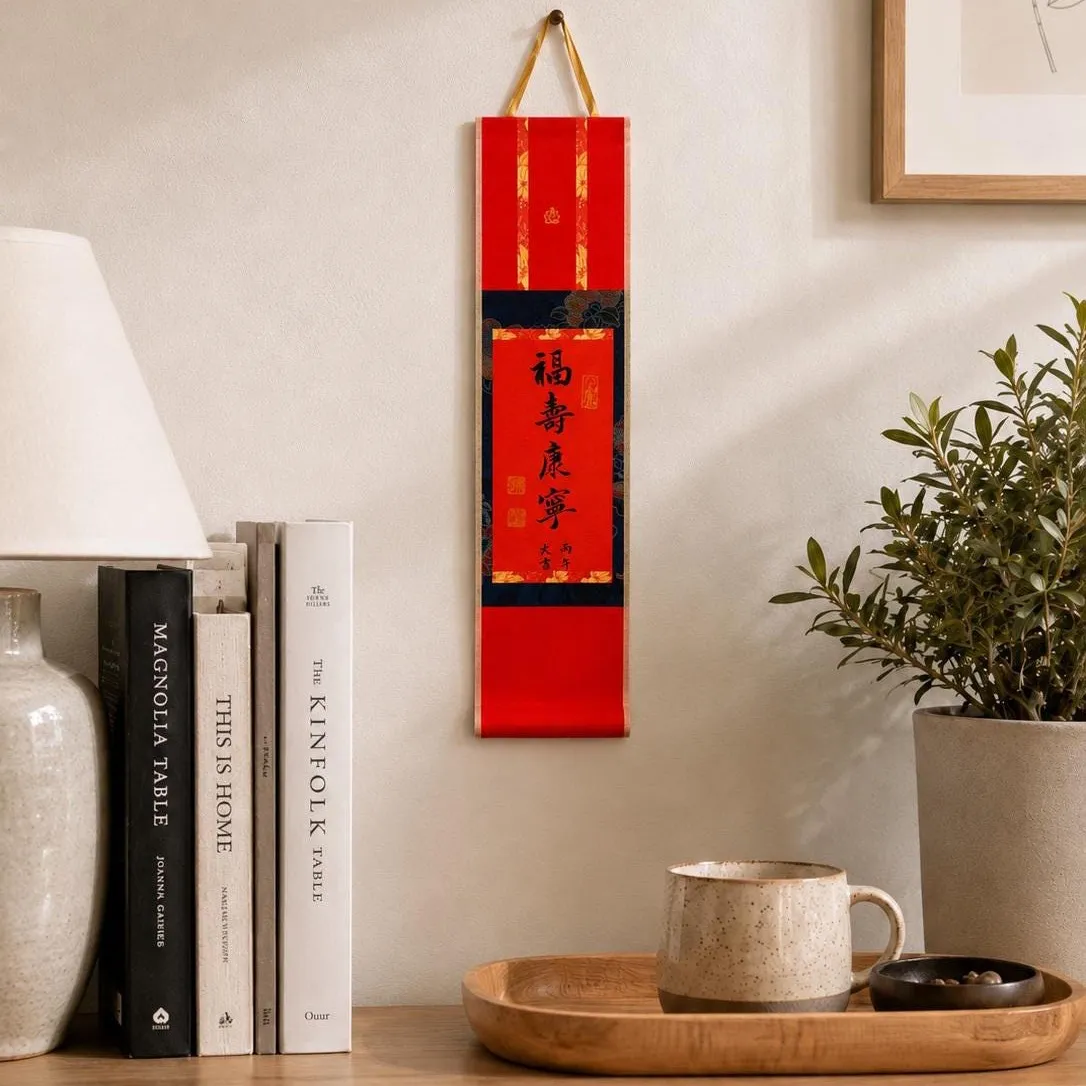
Photo shows a sample — yours will be brushed with 忠孝, or any character you choose.
Wall Scroll — for walls & housewarmingsfrom $38→ -
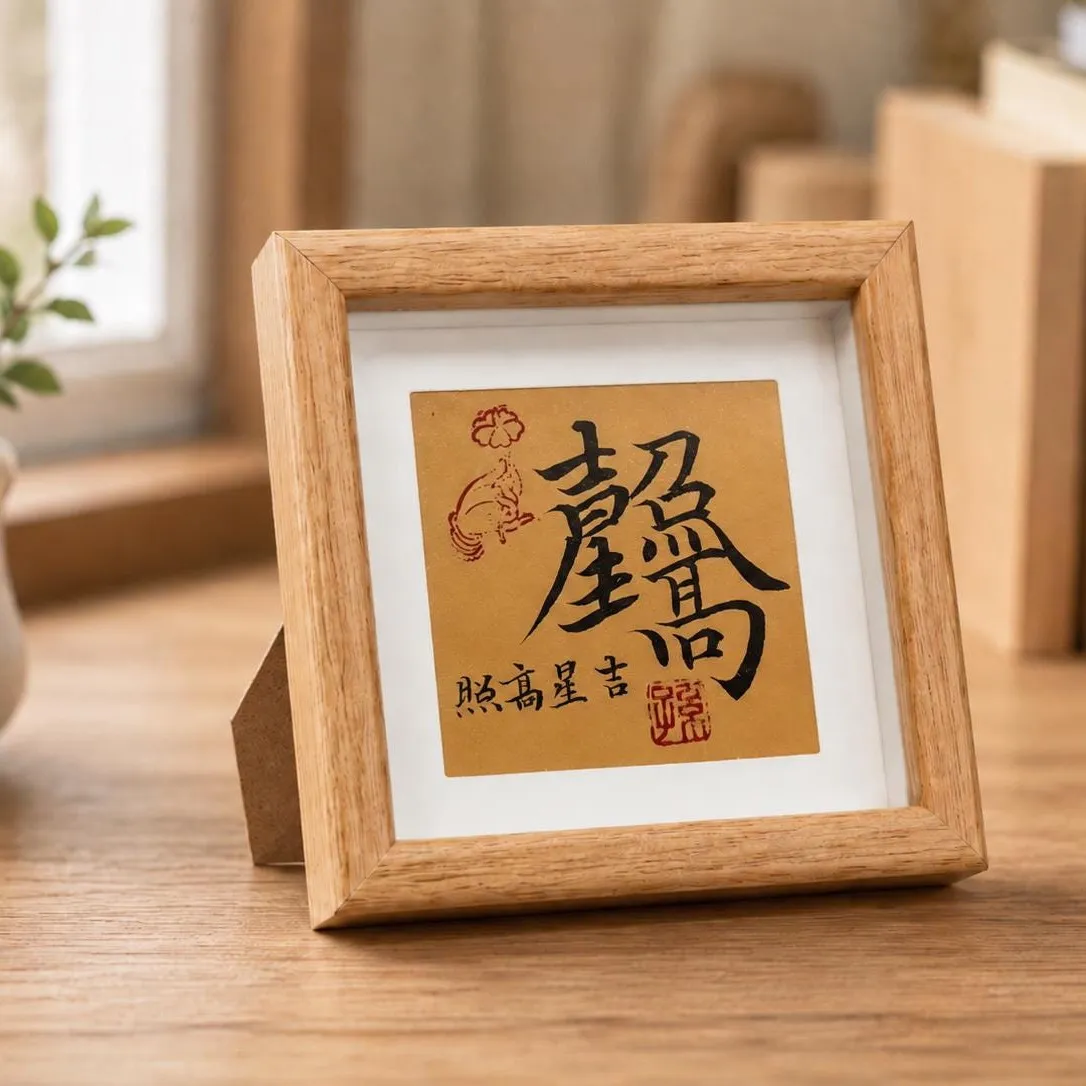
Photo shows a sample — yours will be brushed with 忠孝, or any character you choose.
Desk Frame — for desks, studies & studiosfrom $44→ -
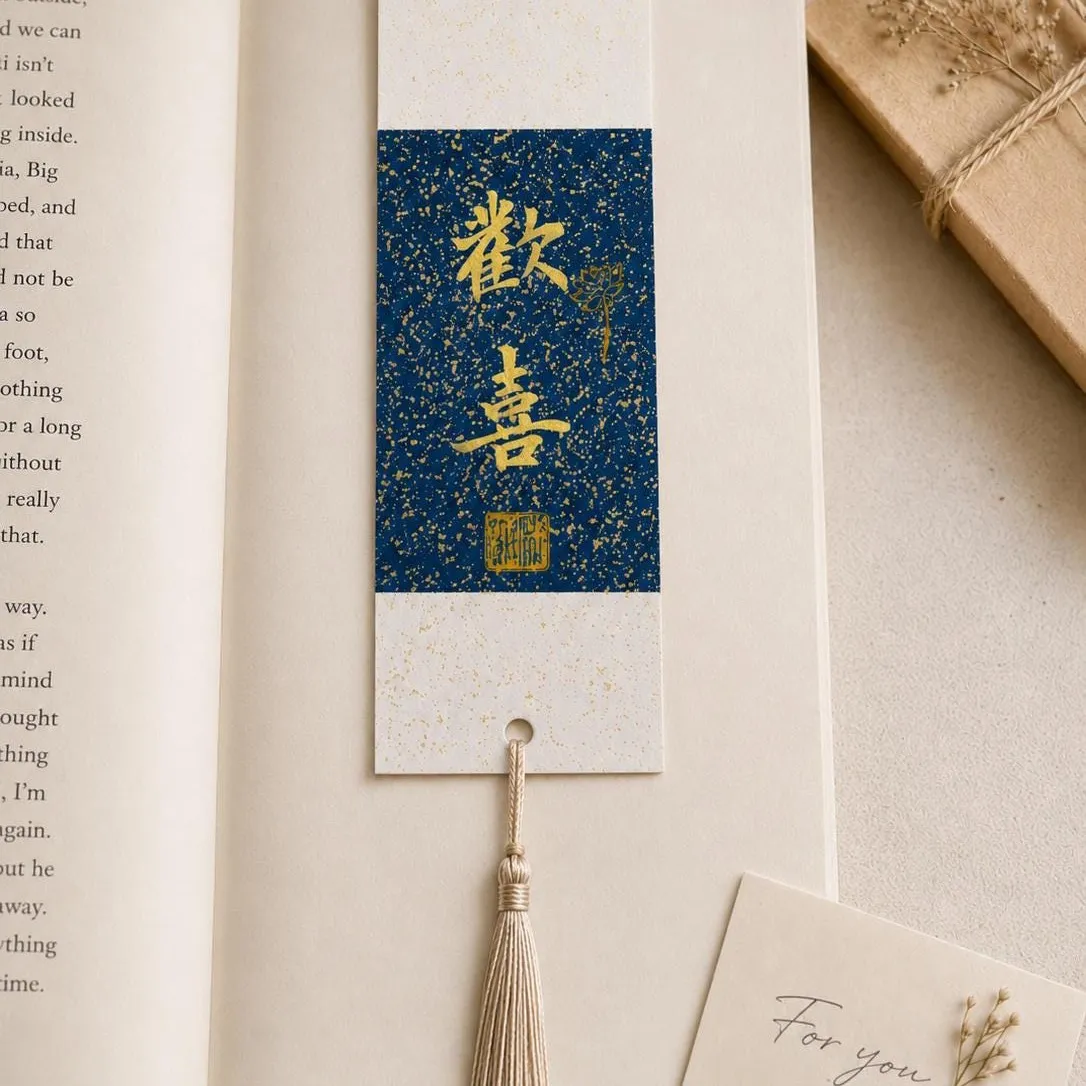
Photo shows a sample — yours will be brushed with 忠孝, or any character you choose.
Bookmark — for readers & small thank-yousfrom $14→

What people said after it arrived.
-
The item is fantastic. The customer service was genuine. Thanks!
— M.Verified purchase · from our Etsy shop reviews · -
They were great they gave me exactly what I asked for and then some. Thank you!!
— G.Verified purchase · from our Etsy shop reviews · -
It is well designed and customized. My daughter loves it. Amazing gift for family’s d friends
— S.Verified purchase · from our Etsy shop reviews ·
Each "忠孝" is hand-brushed by FuBlessings on rice paper.
See 忠孝 (Zhōng Xiào) on Etsy →