逸 (yì) — Unheld · Out From Under · Ease That Had Something to Escape
One character, and the element seated inside the 辶 sweep is 兔 (rabbit), not 免 — a single dot at the lower right is the whole difference between them, and it is the error this character invites.
逸 is in the Chinese traffic code. It is also the character 黄休复 put at the head of his ranking of painters in 1006, above 神, 妙 and 能, for work no one can copy from. Nothing has gone wrong in the thousand years between the two, because both are the character doing the one thing it has always done, which is to report that something got out. 逸 does not name rest. It does not name freedom either — freedom is a status you can simply hold, and this is not one. It names being out from under something, and it keeps the something in the sentence.
Which is why it can be a rebuke on Monday and the highest praise available on Tuesday. 好逸恶劳 means fond of ease and hating exertion, and it is not a joke when someone says it; 贪图安逸 is what gets said about a person who slipped a harness they had no business slipping. 飘逸 is what you say about the way somebody walks, or writes, or wears a sleeve. The ease is identical in all of them; what differs is whether they were entitled to be outside the hold. Chinese settled that question early and has not moved much since. 周公, lecturing a young king in a chapter titled 无逸, no ease, spends the ban and then hands the thing straight back — one clause later comes 乃逸, and the only condition attached is 先知稼穑之艰难, that the cost of the ploughing be known first. 孔子 gave the same escape a social address, naming seven 逸民 and grading six of them by what leaving had cost; 柳下惠 is on the list, and he had held office, and Lu had thrown him out of it three times. See 静 → for the quality this one is most often mistaken for.
A hand-brushed 逸 by FuBlessings is for the person whose hold you can name, which is a narrower gift than it sounds and a more exact one. For a mother it is the plainest case in the language: 操劳 and 辛劳 are the words Chinese uses for her decades, and 逸 is the one it pairs 劳 with, in 劳逸结合, arranged as a schedule rather than a prize. For a friend it is 逸民 brought up to date — the one who left the firm, moved somewhere smaller, stopped competing for the thing everybody assumed they wanted. Neither version wishes anyone happiness, and neither could. What the character does instead is say out loud what had you, and then say that you are outside it.
- to get away from what was holding — the character's first job, said of a rabbit
- at large, gone from the record — 逃逸, 散佚, 逸事
- unspent, not being drawn on — 以逸待劳, 劳逸结合
- settled ease with the escape still inside it — 安逸
- out from under the ruled grid, and admired for it — 飘逸, 逸格
- relaxation 逸 makes no report on how anyone feels. 以逸待劳 describes an army that is rested and about to fight, which is not a relaxed army. What the character states is only that nothing is currently drawing on you.
- freedom 自由 is a standing status — something a person can be granted and then simply have. 逸 is relative to a particular hold and does not outlive it: there has to be a harness in the picture, or the word has nothing to be measured against.
- laziness 好逸恶劳 and 贪图安逸 are real and heavy, but look at where the weight sits — on 好 and on 贪图, the wanting. The ease itself is not what either phrase condemns; Chinese keeps 懒 for the sloth and does not need this character for it.
The short arms are the point: these readings don’t reach it.
- 辶 the going element — 辵 in its running form, the radical of movementThe wrapping element, from 辵, going. It fixes the character as an action rather than a condition: 逸 is something that happens, and the settled sense people use today is what the action leaves behind. In the modern radical tables 逸 is filed here, under 辶.
- 兔 rabbit — the meaning half, not the sound half兔 reads tù and 逸 reads yì, so the animal is not supplying the pronunciation. 许慎 spells out why it is there — 兔謾訑善逃也, the rabbit is a cheat and a good escaper — and then puts the whole character in 兔部, the rabbit's own section, rather than with 逃 and 遁 under 辵. He shelved it by the animal.
character
- 安逸 ān yì settled ease — a life with nothing pulling on it, and the commonest modern sense of the character
- 飘逸 piāo yì unforced and free — of a brushstroke, a gait, a line of writing; the compliment 黄休复's grade left behind
- 逸格 yì gé the untrammelled grade — the class of painting defined by being clumsy at the ruler, ranked first in 1006
- 劳逸结合 láo yì jié hé alternate exertion and release — a schedule, not a reward; still what a doctor says to a patient
- 以逸待劳 yǐ yì dài láo meet the spent with the unspent — 孙子's rule, written 以佚待劳 in the received text
- 逃逸 táo yì to flee, to be at large — and in the traffic statutes, to leave the scene of a collision
- 逸民 yì mín a man public life let go of, by his own choice or not — 孔子 names seven in 《论语·微子》 and grades six of them
- 散佚 sàn yì of a book: scattered and lost. A relative by sound, not by spelling — 佚 is a homophone that shares no character with 逸, and the two were written for each other for centuries
- 潇洒 xiāo sǎ unforced, easy in bearing. A relative by sense with no character in common — what 飘逸 says about a brushstroke, 潇洒 says about a person
Cinnabar marks the characters 逸 actually contains. The dark row is a relative by meaning or by sound, not one shared stroke.
The Story Behind the Character
说文解字 explains 逸 by slandering the animal inside it. 许慎, finishing his dictionary around 100 CE, defines it in two characters — 失也, to lose — and then accounts for the graph: 从辵、兔。兔謾訑善逃也, it is made of 辵 and 兔, because the rabbit is a cheat and good at getting away. Then he does something that settles the argument before it starts. He files the character not under 辵, the element for going that wraps it, but under 兔, in the rabbit's own section of 卷十. The animal is not there for its sound — 兔 reads tù and the character reads yì — and 许慎 was not treating it as decoration either. He read the rabbit as what the character is about, and shelved it accordingly. The definition, meanwhile, is written from the wrong side of the escape: 失 is what the person holding the rabbit does.
What got away stayed in the word. 逃逸 is the ordinary word for fleeing, and in the road-traffic statutes it is the technical term for leaving the scene of a collision. 散佚 and 亡逸 are what happens to a book when copies stop being made and the text slips out of the collections that were holding it. 逸事 and 逸闻 are the stories about a person that were never taken into the official biography — 逸 there means precisely not gathered in, the anecdote that escaped the record. Physicists borrowed it too: 逸出功 is the energy an electron needs to get out of a metal. In every one of these there is something that had hold and something that is now outside it, and the character names the second in terms of the first.
From there it is one step to comfort, and the step is smaller than it looks. If nothing has hold of you, nothing is spending you. 孙子's rule for a general is 以佚待劳 — meet the marched with the unmarched — and the received text writes it with 佚, the homophone the phrase carried for centuries before 以逸待劳 became the standard form. A doctor still tells a patient 注意劳逸结合, mind the alternation of work and release. 安逸 is that condition extended into a life, and 飘逸 is what happens when the same idea is applied to a hand: a brushstroke that has got out from under the grid it was ruled on. The escape never drops out. It is why 逸 can be praise and rebuke in the same week — the harness is always still there in the word, and the only question is whether you had any business being out of it.
Classical lines
- roughly 2,100 years
- c. 11th c. BCE 《尚书·无逸》
- c. 400 BCE 《论语·微子》
- 1006 黄休复《益州名画录》
君子所,其无逸。先知稼穑之艰难,乃逸,则知小人之依。 In his post, the gentleman must not take his ease. Know first what ploughing and reaping cost; then take it, and you will know what the people live on.
周公 is speaking to his nephew 成王, a young king, and the chapter is titled after its own prohibition: 无逸, no ease. What is easy to miss is that the sentence does not stop at the ban. One clause later it grants the thing back — 乃逸, then take your ease — against a single condition, which is that the cost of the work be known first. The oldest surviving argument about this character is not that ease is wrong. It is that ease is earned, and the whole of what earns it is 先知稼穑之艰难: having found out what the ploughing costs.
逸民:伯夷、叔齐、虞仲、夷逸、朱张、柳下惠、少连。子曰:不降其志,不辱其身,伯夷、叔齐与! Men public life let go of: Bo Yi, Shu Qi, Yu Zhong, Yi Yi, Zhu Zhang, Liu Xiahui, Shao Lian. The Master said: they would not lower their aims or bring disgrace on themselves
Bo Yi and Shu Qi, surely. — 逸民 is the escape given a social address. 孔子 names seven and then sorts six of them by what the withdrawal cost each man: 伯夷 and 叔齐 gave up nothing of themselves, while 柳下惠 and 少连 come in under 降志辱身, having lowered their aims and worn the disgrace — and 柳下惠 had in fact served, as Lu's 士师, and been dismissed from the post three times. 朱张 he names and does not judge. What makes the list matter is that it is a category rather than a compliment: withdrawal became a thing a man could be, on the record, with his reasons written down.
画之逸格,最难其俦。拙规矩于方圆,鄙精研于彩绘,笔简形具,得之自然,莫可楷模,出于意表。 The 逸 grade in painting is the hardest to find a match for. Clumsy at compass and square, contemptuous of fine colouring; the brush spare and the form entire; got from nature, impossible to model on, arriving outside what was intended.
黄休复 was ranking the painters of Sichuan and put 逸格 above 神, 妙 and 能, the three grades 朱景玄 had used. Read the definition and every clause is a refusal: bad with the ruler, uninterested in finish, no use as a copybook. He went through the whole book and found one painter, 孙位, to put in it.
Why This Character Matters
逸 was promoted. 朱景玄's 《唐朝名画录》, written around 840, sorts painters into 神, 妙 and 能 — divine, marvellous, competent — each in three tiers, and then adds a short appendix of three men who 不拘常法, would not be held to the usual methods, filed as 逸品 after the ranking rather than inside it. Under two centuries later 黄休复 took that appendix and moved it to the front. Nothing about the word had changed in the interval; what had changed was that a critic was now prepared to say in writing that the thing which will not sit inside the grid outranks the thing that fills it perfectly. 飘逸 comes down from that judgement and is now an ordinary compliment — for a brushstroke, a gait, a sentence, a wide sleeve in a costume drama. It is the rabbit's own quality, relocated to an aesthetic.
The word is genuinely two-faced, and Chinese speakers hear both faces. 贪图安逸 — to covet ease — is a standing rebuke, and 好逸恶劳, fond of ease and hating exertion, is the blunt insult. What usually settles which face you are getting is the company it keeps: 好 in 好逸恶劳 is an appetite, 结合 in 劳逸结合 is a timetable, and the two do not sound alike to anyone. So the character is safe to give and impossible to give carelessly, because handing it to someone is a statement about what they have already been through. It is a coherent thing to hand to a person who has done nothing but 劳 for thirty years, and an odd thing to hand to someone who has not started.
逸 is far more common as a given-name character than as a hung word — 逸飞, 子逸, 逸然 are everywhere — so a Chinese reader meeting a lone 逸 on skin will often assume it is somebody's name before they read it as a word. If that is not the intention it is worth knowing in advance. Read as a word it lands as 飘逸 or 安逸: unforced, unhurried, out from under. It reads as a temperament someone has chosen rather than a claim they are making.
Calligraphy Styles for Tattoos
- Regular script (楷书 kǎishū) Best for tattoos
逸 is 11 strokes in an enclosing build — 辶 sweeping under and around 兔. Regular script is the only style that reliably keeps the two dots and the final hook of 兔 from merging into the 辶 sweep. Minimum recommended size: 1.75 inches.
- Running script (行书 xíngshū) Good for larger pieces
The long 辶 stroke is one of the most rewarding shapes in a running hand, and it suits a character about getting away. Needs 2.5 inches or more, because 兔 sits inside the sweep and loses its internal strokes first.
- Cursive script (草书 cǎoshū) Only with an expert calligrapher
Cursive reduces 辶 to a single tail and can flatten 兔 into a stroke or two, at which point 逸 becomes hard to separate from other 辶 characters. Worth attempting only at 3+ inches with a calligrapher who writes cursive regularly.
Common Mistakes to Avoid
- Dropping the dot on 兔 and writing 免 (miǎn) insteadIntended: 逸, with the dot that makes the enclosed element a rabbit
兔 (rabbit) and 免 (to excuse, to exempt) differ by a single dot at the lower right. Without it the character becomes 逸's near-twin in shape and nothing at all in meaning, and it is the single most common error in this character. Ask for the dot to be checked before the needle.
- Letting 兔 sit too high inside the 辶 sweepIntended: 逸 with 兔 seated low, so the sweep carries it
逸 is a 半包围 character: the 辶 wraps the left and bottom, and the enclosed element has to sit down into it. Setting 兔 too high leaves a gap under the rabbit and makes the sweep read as a separate mark rather than part of the character. This is a proportion error, not a stroke error, and it is invisible in a font preview.
Notes for Your Tattoo Artist
11 strokes, 半包围 structure: 兔 (8 strokes) seated inside 辶 (3 strokes), which wraps the left side and the base. The 辶 sweep should start high on the left, drop, and finish with a long flat stroke that carries 兔 rather than merely passing under it. Keep the dot at the lower right of 兔 fully separated — it is the only thing distinguishing 兔 from 免. Minimum 1.75 inches.
A few characters live near "逸" but mean something quieter, sharper, or more specific. Here's how to tell them apart.
nothing has hold of you — the claim is about what is outside, and there must be a hold for it to be about
nothing is stirring inside — a quality of attention, available in the middle of a busy day
out from under something; the harness is still in the sentence even when the word is a blessing
settled and unthreatened where you are — safety, with nothing to escape from
the weight is named and lifted — 逸 cannot be said without it being clear what had hold, and the hold is now off
the weight is still on and simply does not register — 泰然 is composure under pressure, unruffled with the trouble present
admired for stepping outside the standard — 逸格 is defined as 拙规矩于方圆, clumsy at compass and square
measured against the standard and meeting it — the correct side of the 雅 / 俗 division
The one date on the calendar that is nobody's deadline — the hold suspended, for a day, on purpose.
- A birthday is the one date on the calendar that is nobody's deadline. 逸 needs a hold to be measured against — it is not a word for rest, it is a word for being out from under something — and a birthday supplies the hold by suspending it for a day. That makes it a more exact thing to hand over than 快乐, which asks the person to feel a particular way and can be refused. 逸 makes no claim about how anyone feels. For the friend admired for having stepped off a track everyone else stayed on, it says what the cake cannot: not be happy, but nothing has a grip on you today.
- Mother's Day gifts are mostly additions: flowers, a meal, a day of being waited on. 逸 is a subtraction, and subtractions have to specify what is being taken off. That is what makes it an unusual thing to hand a mother — it does not describe her, and it does not wish her anything. It states that a weight was on and that today it is off, which is a claim about the arrangement rather than a compliment about the woman. For the mother who would be embarrassed by praise and not by an accurate description.
Looking for a name? See Western names written in Chinese →
-
What does 逸 (yì) mean?
逸 (yì) is the Chinese character for unheld, out from under, ease that had something to escape. 逸 is in the Chinese traffic code. It is also the character 黄休复 put at the head of his ranking of painters in 1006, above 神, 妙 and 能, for work no one can copy from. Nothing has gone wrong in the thousand years between the two, because both are the character doing the one thing it has always done, which is to report that something got out. 逸 does not name rest. It does not name freedom either — freedom is a status you can simply hold, and this is not one. It names being out from under something, and it keeps the something in the sentence. 逸 was promoted. 朱景玄's 《唐朝名画录》, written around 840, sorts painters into 神, 妙 and 能 — divine, marvellous, competent — each in three tiers, and then adds a short appendix of three men who 不拘常法, would not be held to the usual methods, filed as 逸品 after the ranking rather than inside it. Under two centuries later 黄休复 took that appendix and moved it to the front. Nothing about the word had changed in the interval; what had changed was that a critic was now prepared to say in writing that the thing which will not sit inside the grid outranks the thing that fills it perfectly. 飘逸 comes down from that judgement and is now an ordinary compliment — for a brushstroke, a gait, a sentence, a wide sleeve in a costume drama. It is the rabbit's own quality, relocated to an aesthetic.
-
What occasions is 逸 given for?
逸 is traditionally given for Birthday, Mother's Day. A birthday is the one date on the calendar that is nobody's deadline. 逸 needs a hold to be measured against — it is not a word for rest, it is a word for being out from under something — and a birthday supplies the hold by suspending it for a day. That makes it a more exact thing to hand over than 快乐, which asks the person to feel a particular way and can be refused. 逸 makes no claim about how anyone feels. For the friend admired for having stepped off a track everyone else stayed on, it says what the cake cannot: not be happy, but nothing has a grip on you today. Mother's Day gifts are mostly additions: flowers, a meal, a day of being waited on. 逸 is a subtraction, and subtractions have to specify what is being taken off. That is what makes it an unusual thing to hand a mother — it does not describe her, and it does not wish her anything. It states that a weight was on and that today it is off, which is a claim about the arrangement rather than a compliment about the woman. For the mother who would be embarrassed by praise and not by an accurate description.
-
Is 逸 a good Chinese tattoo?
逸 is far more common as a given-name character than as a hung word — 逸飞, 子逸, 逸然 are everywhere — so a Chinese reader meeting a lone 逸 on skin will often assume it is somebody's name before they read it as a word. If that is not the intention it is worth knowing in advance. Read as a word it lands as 飘逸 or 安逸: unforced, unhurried, out from under. It reads as a temperament someone has chosen rather than a claim they are making.
-
Who brushes the 逸 calligraphy?
FuBlessings hand-brushes each 逸 (Yì) to order, in ink on rice paper — never printed, never repeated.
Bring 逸 home — choose how you'd like it brushed.
-
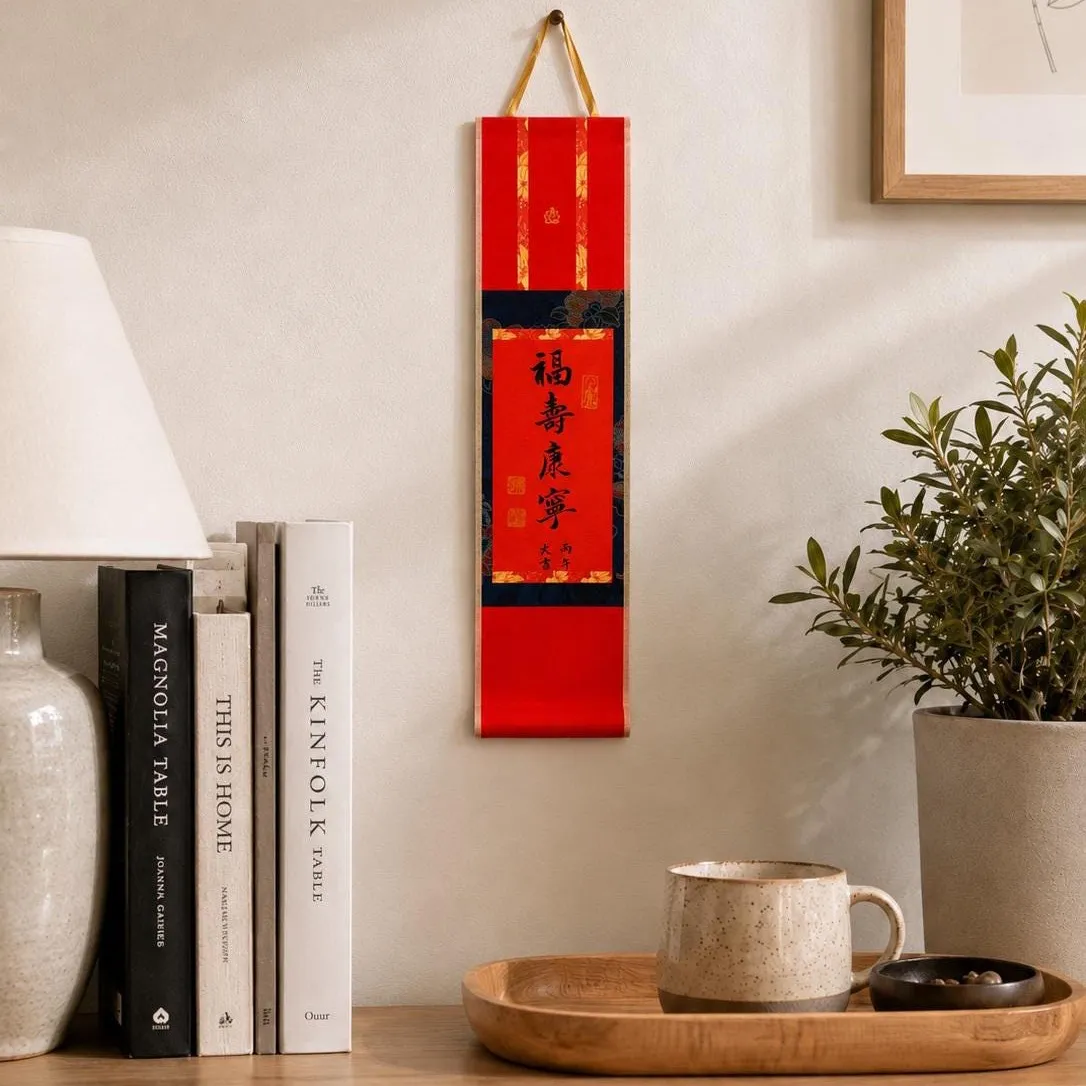
Photo shows a sample — yours will be brushed with 逸, or any character you choose.
Wall Scroll — for walls & housewarmingsfrom $38→ -
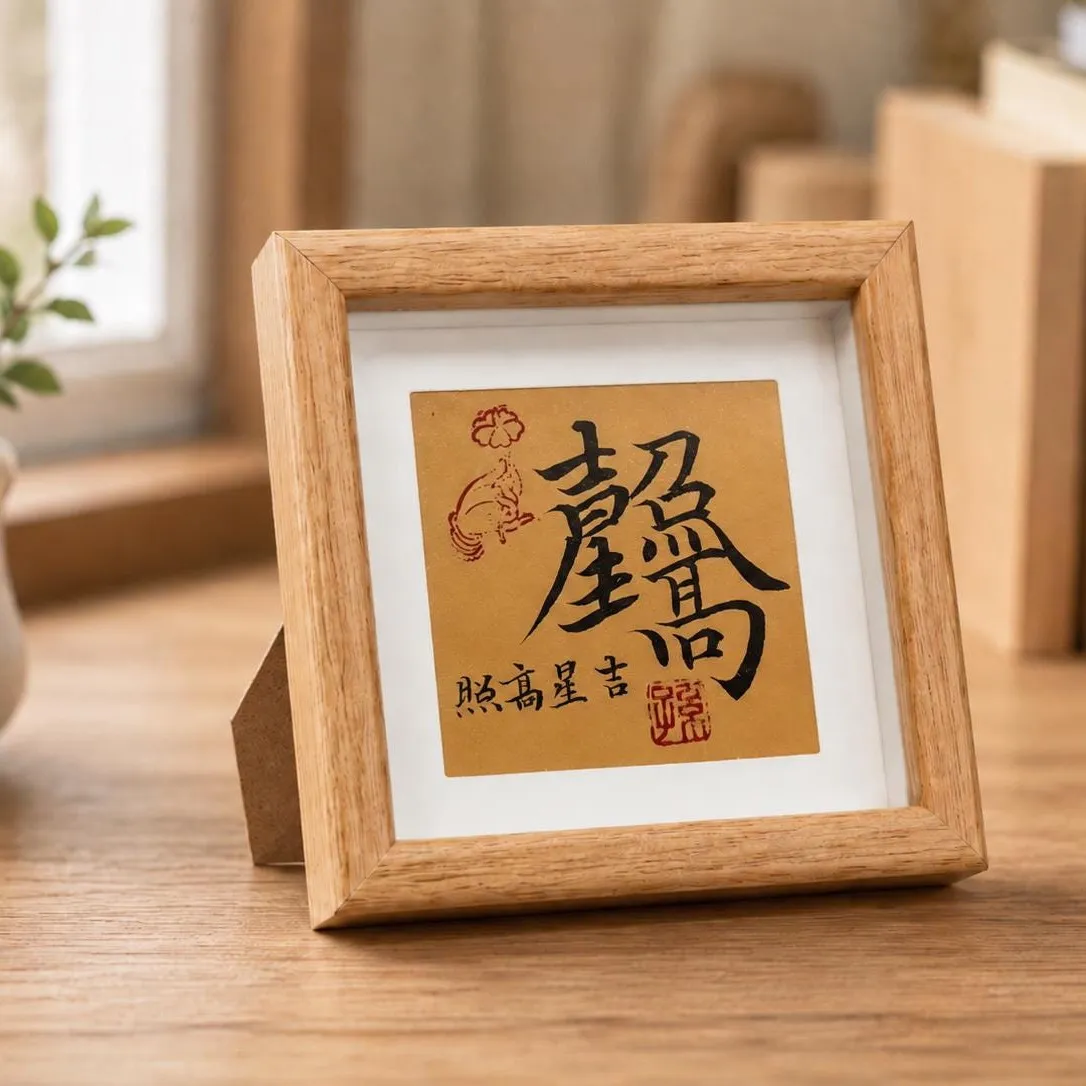
Photo shows a sample — yours will be brushed with 逸, or any character you choose.
Desk Frame — for desks, studies & studiosfrom $44→ -
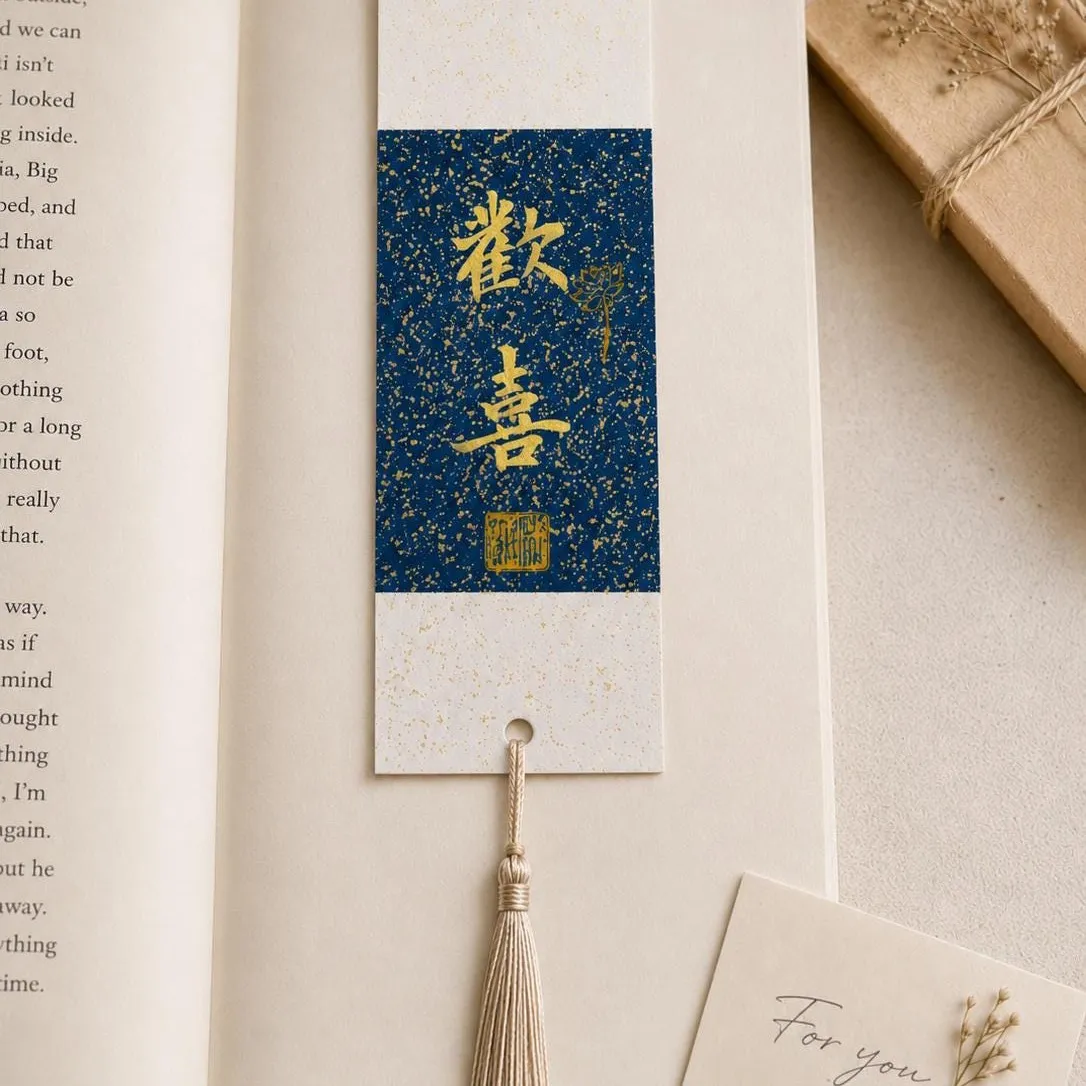
Photo shows a sample — yours will be brushed with 逸, or any character you choose.
Bookmark — for readers & small thank-yousfrom $14→

What people said after it arrived.
-
The item is fantastic. The customer service was genuine. Thanks!
— M.Verified purchase · from our Etsy shop reviews · -
They were great they gave me exactly what I asked for and then some. Thank you!!
— G.Verified purchase · from our Etsy shop reviews · -
It is well designed and customized. My daughter loves it. Amazing gift for family’s d friends
— S.Verified purchase · from our Etsy shop reviews ·
Each "逸" is hand-brushed by FuBlessings on rice paper.
See 逸 (Yì) on Etsy →