秀 (xiù) — Grace · Distinction · Blossoming Excellence
A single character.
Some characters praise beauty; 秀 was built to praise the beauty that means something. Its oldest picture is a stalk of grain coming into ear — the moment a plant’s hidden work finally shows at the top of the stalk. That image gave the character its lasting shape: not surface prettiness, but the visible emergence of real quality. This is why the classics could warn, in Confucius’s words, of flowers that never bear fruit — 秀 always carried the expectation of substance behind the show. To call someone 秀 is to say their grace is not an accident; it is what good material looks like when it comes through.
The word runs in two directions Chinese speakers hold together without effort. On one side is distinction: 优秀 (outstanding), 秀才 (the scholar who rose above the field). On the other is refined grace: 清秀 and 秀丽 for delicate, fine-featured beauty, 秀气 for a poise that never tips into display. It differs from 雅 in where the quality comes from — 雅 is refinement cultivated slowly through practice, while 秀 is excellence that emerges on its own and simply shows. The idiom 秀外慧中 — graceful without, wise within — keeps both in view at once, which is why 秀 has been one of the most chosen characters in women’s given names for a thousand years. Even the landscape borrows it: 山清水秀, clear waters and graceful hills, is scenery that is not just grand but fine.
A hand-brushed 秀 by Artist Lina Sun is the gift for someone whose quality you have actually watched come through — the wife whose taste has become a standard in your home, the mother whose refinement your family has always quietly relied on, the friend who stands out without ever trying to. It is a compliment with substance behind it: not that she is lovely, but that what she is has flowered into something worth naming.
- outstanding — the finest of its kind
- graceful, refined beauty
- excellence that shows through
- the flowering of real quality
- beautiful Beauty (美) can be pure surface. 秀 implies the beauty is also a sign of quality — a standout, not just something lovely to look at.
- showy Almost the opposite. 秀 was defined in the classics as the plant that fruits without a flashy blossom — quality that produces rather than performs.
- clever Cleverness is inner (慧). 秀 is what shows on the outside. The idiom 秀外慧中 keeps them separate on purpose: refined without, wise within.
The short arms are the point: these readings don’t reach it.
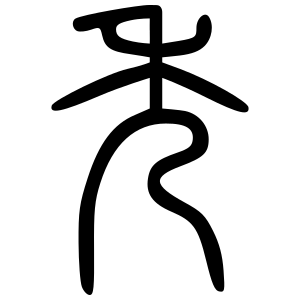
- 禾 standing grainA stalk of grain, drawn from the earliest forms as a plant heavy at the top. It roots the character in the field — 秀 begins as something growing, not something admired.
- 乃 the drooping earThe lower element, read as the ear or flower of the grain hanging out as the plant ripens. It is the moment of emergence — the plant's hidden work finally showing at the top of the stalk.
character
- 优秀 yōu xiù excellent, outstanding — the everyday word for top quality in a person or work
- 清秀 qīng xiù delicate and fine-featured — a clean, refined kind of good looks
- 秀丽 xiù lì of graceful beauty — usually said of features or of scenery
- 秀气 xiù qì refined and delicate — in appearance, manner, or the making of a thing
- 秀才 xiù cái a scholar who passed the county exam — literally 'the outstanding talent'
The Story Behind the Character
China's first dictionary refused to define this character. When Xu Shen compiled the 说文解字 around 100 CE, the entry for 秀 reads only 上讳 — "a name to be avoided" — because 秀 was the given name of the reigning founder of the Han restoration, Emperor Guangwu (刘秀). To gloss the emperor's name was a breach of decorum, so the greatest lexicographer of his age left the meaning blank and moved on. It took later scholars, working from the character's shape, to reconstruct what he would not write.
What they found was agricultural. The top of 秀 is 禾, a stalk of grain; the lower element depicts the ear drooping as it comes into flower — the moment a grain plant stops being a promise and shows what it has been growing toward. China's oldest word-book, 《尔雅》, drew the distinction precisely: a plant that bears fruit without a showy blossom is called 秀 (不荣而实者谓之秀). The word was reserved for quality that produces rather than displays — the visible emergence of something real.
From that single image the meaning branched. To "come into ear" became to excel, to stand out from the field — a 秀才 was the scholar who rose above the county's candidates, literally "the outstanding talent." And the flowering sense softened into human beauty: 清秀, 秀丽, 秀气 — a delicate, refined grace, the kind that looks less like decoration than like something ripening on schedule.
Classical lines
- roughly 1,500 years
- c. 500 BCE 《论语·子罕》
- 801 CE 韩愈《送李愿归盘谷序》
- 1046 CE 欧阳修《醉翁亭记》
苗而不秀者有矣夫!秀而不实者有矣夫! There are shoots that never come to flower; there are flowers that never bear fruit!
Confucius uses 秀 in its oldest sense — a grain plant putting forth its ear — as a lament for wasted promise. To flower (秀) is the middle stage between sprouting and fruiting; his warning is that reaching it guarantees nothing. It is why 秀 in Chinese never meant mere surface beauty: the character carries the expectation of substance behind the show.
野芳发而幽香,佳木秀而繁阴。 Wildflowers open with a hidden fragrance; fine trees flourish and cast a dense shade.
Ouyang Xiu, exiled to a mountain post, wrote 秀 here as the verb of a tree coming into its full, leafy strength. The line pairs quiet fragrance with visible flourishing — exactly the two halves of 秀, the substance and the show, held in one breath of a sentence.
曲眉丰颊,清声而便体,秀外而惠中。 Arched brows and full cheeks, a clear voice and an easy bearing
refined without and wise within. — This is the origin of the idiom 秀外慧中, still used to praise a woman of both grace and intelligence. Han Yu's phrase sets 秀 (the refined outer quality) beside 惠/慧 (the wisdom inside), and the pairing is deliberate: 秀 names what shows, and it is meant to be backed by what does not.
Why This Character Matters
For at least a thousand years 秀 has been one of the most common characters in Chinese women's given names — 淑秀, 秀英, 秀兰, 秀珍 — chosen by parents who wanted a name meaning refined, outstanding, gently distinguished. It sits in a small family of "excellence" characters that a native speaker reads instantly as elegant rather than showy: the delicacy of 清秀 (clean, fine-featured), the grace of 秀丽, the poise of 秀气. Where 美 praises beauty outright, 秀 implies that the beauty is also a mark of quality.
The character also shaped how China talks about landscape. 山清水秀 — "clear waters and graceful hills" — is the standard phrase for scenery that is not merely grand but refined, and 钟灵毓秀 describes a place whose fine essence is thought to produce remarkable people. In both, 秀 does the same work it does for a person: it names the outstanding quality that has emerged from good material, quietly, without needing to announce itself.
A few characters live near "秀" but mean something quieter, sharper, or more specific. Here's how to tell them apart.
beauty that also marks distinction — the standout, backed by quality
beauty itself — the quality of being lovely, on its own terms
a natural excellence that emerges and shows through
a cultivated refinement, developed slowly through practice and attention
the outward flowering of talent and grace — what shows
the inner wisdom beneath it — what does not (秀外慧中 pairs the two)
秀 on a birthday says a year has brought someone into full flower — the grain finally showing its ear, the quality that was always there now unmistakable.
- 秀 on a birthday says a year has brought someone into full flower — the grain finally showing its ear, the quality that was always there now unmistakable. It suits the friend, wife, or daughter whose distinctiveness is the produced kind: not surface prettiness but talent and grace ripened into something you can point to.
- For the mother whose refinement is the quiet, substantial kind — the delicacy of taste and grace of manner her family leans on without naming it. 秀 was built for exactly this: beauty with fruit behind it, the flowering that means real quality has come through. It tells her that what looks effortless in her is understood to be the genuine article.
Looking for a name? See Western names written in Chinese →
-
What does 秀 (xiù) mean?
秀 (xiù) is the Chinese character for grace, distinction, blossoming excellence. Some characters praise beauty; 秀 was built to praise the beauty that means something. Its oldest picture is a stalk of grain coming into ear — the moment a plant's hidden work finally shows at the top of the stalk. That image gave the character its lasting shape: not surface prettiness, but the visible emergence of real quality. This is why the classics could warn, in Confucius's words, of flowers that never bear fruit — 秀 always carried the expectation of substance behind the show. To call someone 秀 is to say their grace is not an accident; it is what good material looks like when it comes through. For at least a thousand years 秀 has been one of the most common characters in Chinese women's given names — 淑秀, 秀英, 秀兰, 秀珍 — chosen by parents who wanted a name meaning refined, outstanding, gently distinguished. It sits in a small family of "excellence" characters that a native speaker reads instantly as elegant rather than showy: the delicacy of 清秀 (clean, fine-featured), the grace of 秀丽, the poise of 秀气. Where 美 praises beauty outright, 秀 implies that the beauty is also a mark of quality.
-
What occasions is 秀 given for?
秀 is traditionally given for Birthday, Mother's Day. 秀 on a birthday says a year has brought someone into full flower — the grain finally showing its ear, the quality that was always there now unmistakable. It suits the friend, wife, or daughter whose distinctiveness is the produced kind: not surface prettiness but talent and grace ripened into something you can point to. For the mother whose refinement is the quiet, substantial kind — the delicacy of taste and grace of manner her family leans on without naming it. 秀 was built for exactly this: beauty with fruit behind it, the flowering that means real quality has come through. It tells her that what looks effortless in her is understood to be the genuine article.
-
Who brushes the 秀 calligraphy?
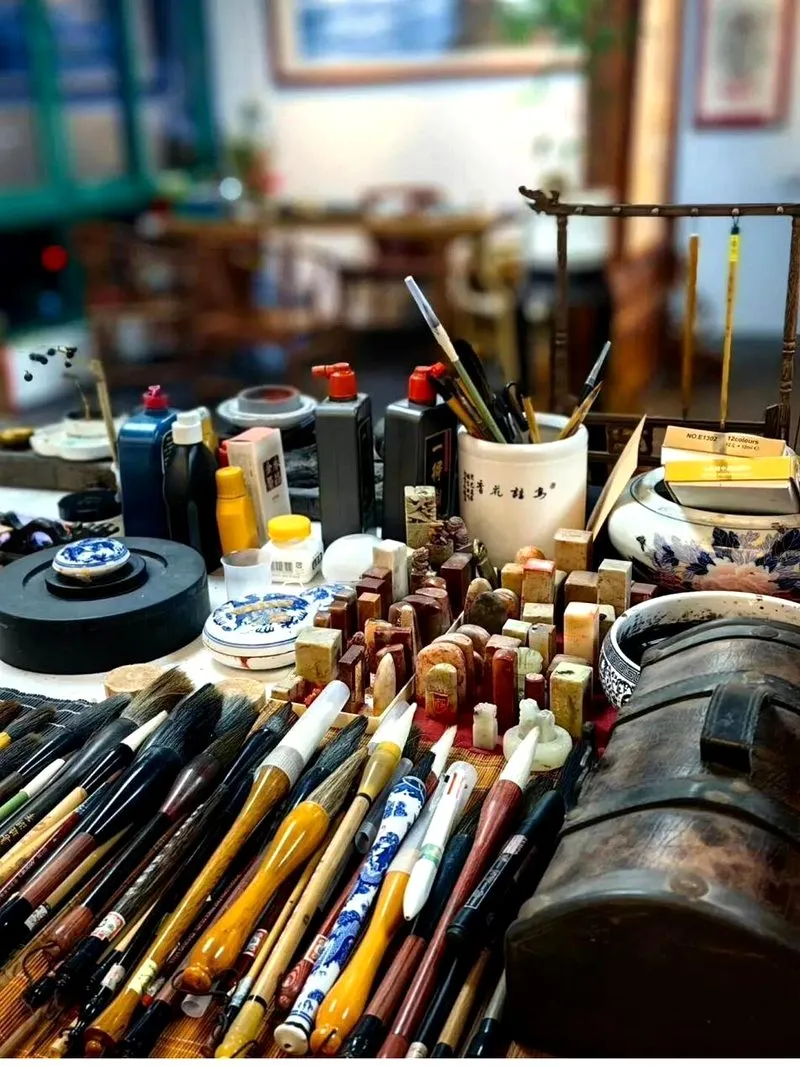
Each 秀 (Xiù) is hand-brushed to order by Artist Lina Sun in ink on rice paper — never printed, never repeated.
Bring 秀 home — choose how you'd like it brushed.
-
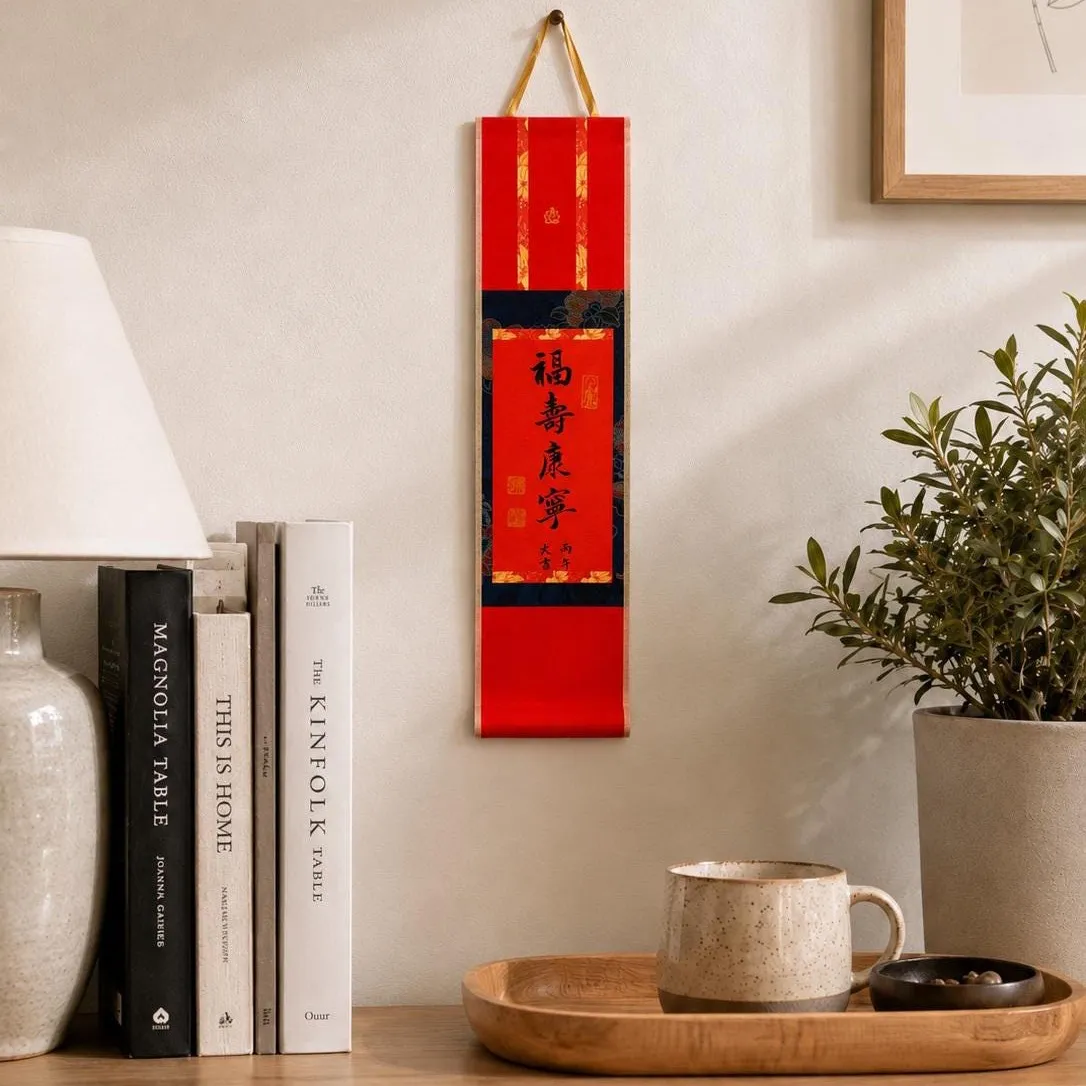
Photo shows a sample — yours will be brushed with 秀, or any character you choose.
Wall Scroll — for walls & housewarmingsfrom $38→ -
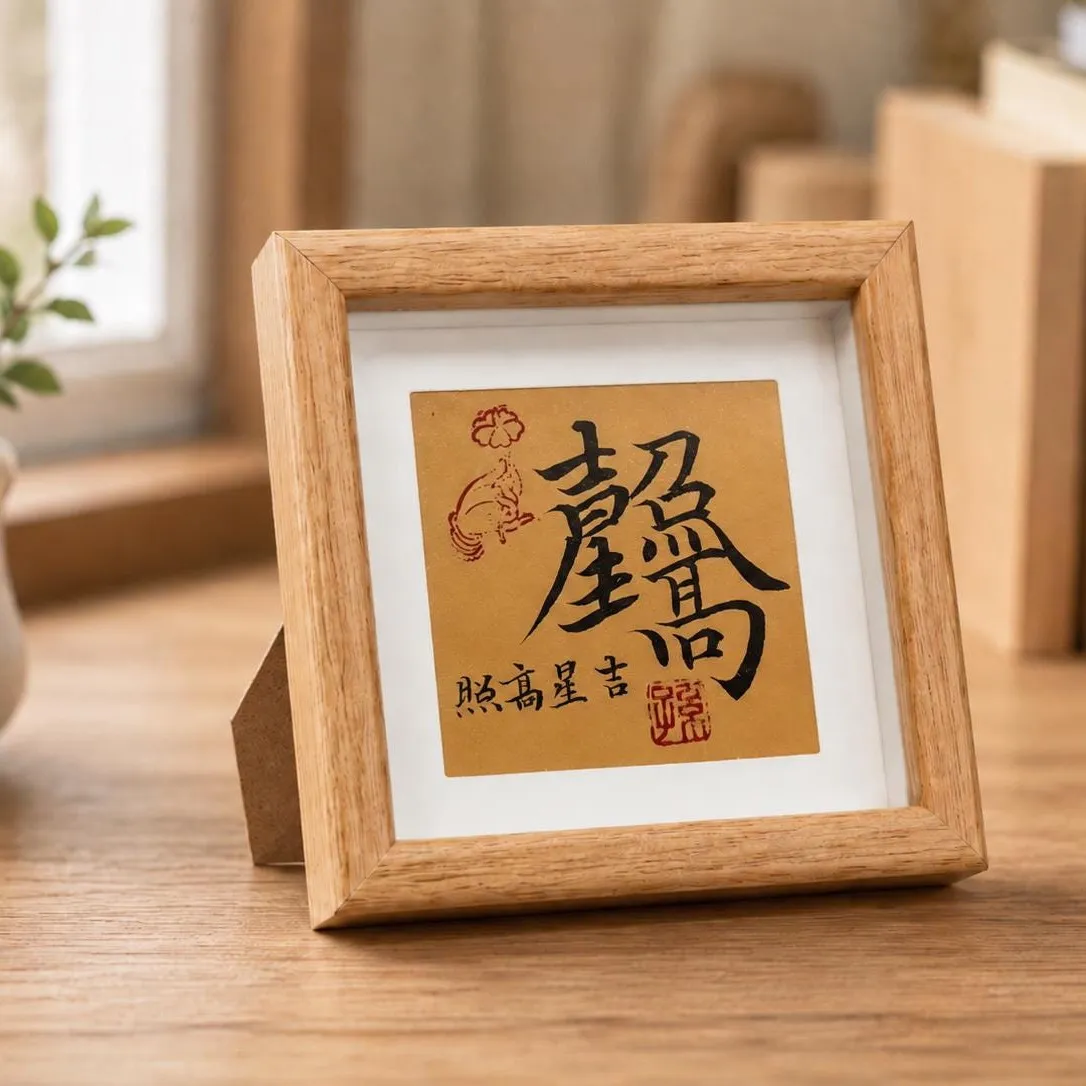
Photo shows a sample — yours will be brushed with 秀, or any character you choose.
Desk Frame — for desks, studies & studiosfrom $44→ -
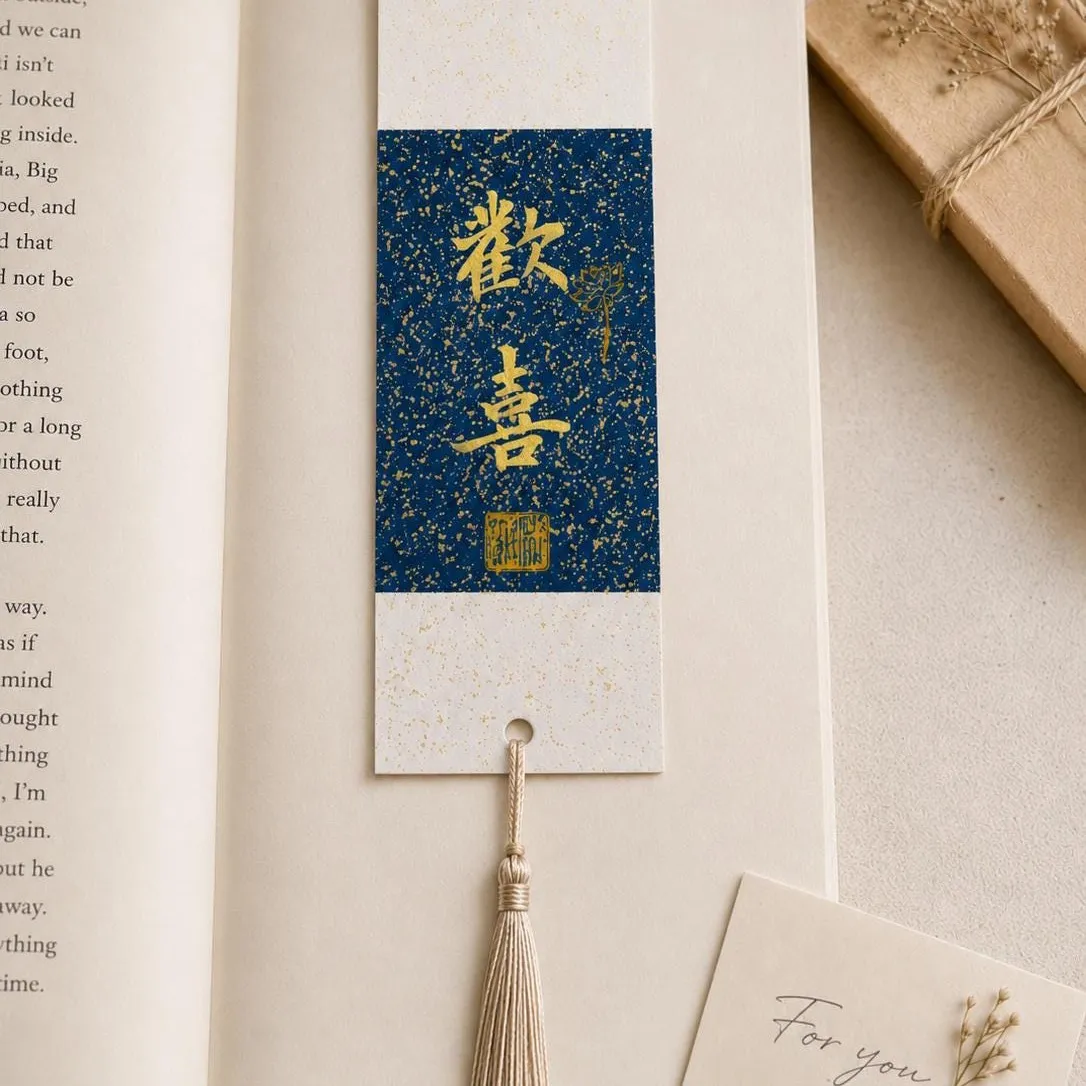
Photo shows a sample — yours will be brushed with 秀, or any character you choose.
Bookmark — for readers & small thank-yousfrom $17→
What people said after it arrived.
-
The item is fantastic. The customer service was genuine. Thanks!
— M.Verified purchase · from our Etsy shop reviews · -
They were great they gave me exactly what I asked for and then some. Thank you!!
— G.Verified purchase · from our Etsy shop reviews · -
It is well designed and customized. My daughter loves it. Amazing gift for family’s d friends
— S.Verified purchase · from our Etsy shop reviews ·
Each "秀" is hand-brushed by Artist Lina Sun on rice paper.
See 秀 (Xiù) on Etsy →