福乐 (fú lè) — Blessing and Joy · Fortune and Gladness
A two-character word, not a single character.
福乐 works because 福 and 乐 are not the same wish. 福 names the conditions — the health, sufficiency, and peace of mind that the Five Blessings have catalogued for two thousand years. 乐 names what those conditions feel like from the inside: the gladness that runs through a day, a year, a life. You can have the first without the second (circumstances good, person not glad) and the second without the first (person glad, circumstances poor). 福乐 is the compound that wishes for both at once, and in doing so names something neither character reaches alone. See 福 → See 乐 →
For friends and new couples at a birthday or New Year, 福乐 is the compact version of the complete wish. The most spoken New Year greeting — 新年快乐 — already names the 乐; the 福 is left as understood. 福乐 says both halves aloud. At a birthday, the pair names what the year ahead should hold (the conditions, 福) and what it should feel like to live through (the gladness, 乐) — a more complete wish than either character makes alone, in fewer syllables than a four-character phrase requires.
A hand-brushed “福乐” by FuBlessings gives this double blessing a form that can hang on a wall, sit on a shelf, or accompany a card: fortune and joy together, two characters, one complete wish.
The Story Behind the Character
The bronze inscription form of 乐 shows silk threads stretched across a wooden frame — a zither in miniature, the instrument before the player arrived. Before 乐 meant "joy," it meant "music"; the two readings (lè and yuè) survive in the same character today. The Confucian thinkers observed that 乐-as-gladness and 乐-as-music were not merely homophones: genuine joy, like music, is actively produced in the presence of others — not received passively, not stored.
福 came from a different source entirely. Its oracle-bone form showed hands raising a vessel of wine before an altar — a supplication to heaven and the spirits for favorable conditions. The two characters named different causes of a good life: one asked for it (福), one made it (乐). A life with only 福 has the conditions without the experience; a life with only 乐 has the experience without the conditions. 福乐 pairs them because the gift that names one without the other leaves the most important half unspoken.
For friends and new couples, this makes 福乐 the more personal of the large category of blessing phrases. 万事如意 wishes for all outcomes; 福寿 names fortune and long life. 福乐 stays at two characters — the fortunate conditions and the felt gladness — and trusts the recipient to fill in the rest. It is a gift that knows the difference between giving someone a good year and giving someone the experience of living gladly through one.
Classical lines
- roughly 1,500 years
- c. 800 BCE 《诗经·小雅·天保》
- c. 400 BCE 《论语·述而》
- c. 668 CE 王勃《送杜少府之任蜀州》
降尔遐福,维日不足。 May fortune descend on you
may the days not be enough to count it all. — From 天保, the oldest formal blessing poem in the Book of Songs, composed for the Zhou royal court. 遐福 (遐 = vast, far-reaching) names fortune not as a single gift but as a condition that keeps arriving. The 福 side of the compound: not a lucky moment, but the days accumulating with good things still to spare.
饭疏食,饮水,曲肱而枕之,乐亦在其中矣。不义而富且贵,于我如浮云。 Eating plain rice, drinking water, bending my arm for a pillow
joy is present even there. Wealth and rank gained without integrity are to me like floating clouds. — Confucius on 乐 as independent of material conditions. The line that makes 福乐 a genuine compound rather than a redundancy: you can have the fortune and still not be glad; you can be glad without it. The compound names both because one does not guarantee the other.
海内存知己,天涯若比邻。 While true friends exist within the seas, the ends of the earth feel close as next door.
Wang Bo wrote this farewell to a departing official around 668 CE. For over 1,300 years it has been passed down as the Chinese definition of friendship across distance. This is the 乐 the compound names: the gladness of knowing the right people are in the world with you, wherever the year takes you.
Why This Character Matters
In everyday Chinese, 快乐 (gladness, the texture of a moment) and 福气 (fortune, the favorable quality of a life) belong to different registers — one is what you say at a birthday, the other is what you say about someone's life from the outside. 福乐 pairs their roots: 福 (the fortunate condition) and 乐 (the felt experience of gladness), naming both halves of what the two more common words keep separate. Giving someone 福乐 is giving the complete sentence where everyday speech offers only half.
The most spoken New Year greeting in the Chinese-speaking world — 新年快乐 — carries 乐 in the greeting and leaves 福 implicit. 福乐 as a gift reverses the weight: fortune first, then joy — the conditions before the experience they should produce. Together with a 新年快乐, it gives what the season's own greeting leaves unspoken.
A birthday is an occasion to wish both kinds of good things at once — the objective (福: health, sufficiency, the conditions for a good year) and the felt (乐: the gladness that runs through the year's daily texture).
- A birthday is an occasion to wish both kinds of good things at once — the objective (福: health, sufficiency, the conditions for a good year) and the felt (乐: the gladness that runs through the year's daily texture). 福乐 names both together. More complete than 乐 alone (which names experience without wishing for the conditions) and warmer than 福 alone (which names conditions without naming what they should feel like).
- At the turn of the lunar year, 福乐 names what the season calls for in two characters: the fortune wished for the year (福) and the gladness it should feel like to live through (乐). Where 万事如意 wishes for all outcomes and 平安喜乐 adds safety, 福乐 is the compact version — the year's blessing and the year's joy, inseparable.
Friend · Best Friend · New Couple · or yourself
Looking for a name? See Western names written in Chinese →
-
What does 福乐 (fú lè) mean?
福乐 (fú lè) is a two-character Chinese word for blessing and joy, fortune and gladness. 福乐 works because 福 and 乐 are not the same wish. 福 names the conditions — the health, sufficiency, and peace of mind that the Five Blessings have catalogued for two thousand years. 乐 names what those conditions feel like from the inside: the gladness that runs through a day, a year, a life. You can have the first without the second (circumstances good, person not glad) and the second without the first (person glad, circumstances poor). 福乐 is the compound that wishes for both at once, and in doing so names something neither character reaches alone. See 福 → See 乐 → In everyday Chinese, 快乐 (gladness, the texture of a moment) and 福气 (fortune, the favorable quality of a life) belong to different registers — one is what you say at a birthday, the other is what you say about someone's life from the outside. 福乐 pairs their roots: 福 (the fortunate condition) and 乐 (the felt experience of gladness), naming both halves of what the two more common words keep separate. Giving someone 福乐 is giving the complete sentence where everyday speech offers only half.
-
What occasions is 福乐 given for?
福乐 is traditionally given for Birthday, Chinese New Year. A birthday is an occasion to wish both kinds of good things at once — the objective (福: health, sufficiency, the conditions for a good year) and the felt (乐: the gladness that runs through the year's daily texture). 福乐 names both together. More complete than 乐 alone (which names experience without wishing for the conditions) and warmer than 福 alone (which names conditions without naming what they should feel like). At the turn of the lunar year, 福乐 names what the season calls for in two characters: the fortune wished for the year (福) and the gladness it should feel like to live through (乐). Where 万事如意 wishes for all outcomes and 平安喜乐 adds safety, 福乐 is the compact version — the year's blessing and the year's joy, inseparable.
-
Who brushes the 福乐 calligraphy?
FuBlessings hand-brushes each 福乐 (Fú Lè) to order, in ink on rice paper — never printed, never repeated.
Bring 福乐 home — choose how you'd like it brushed.
-
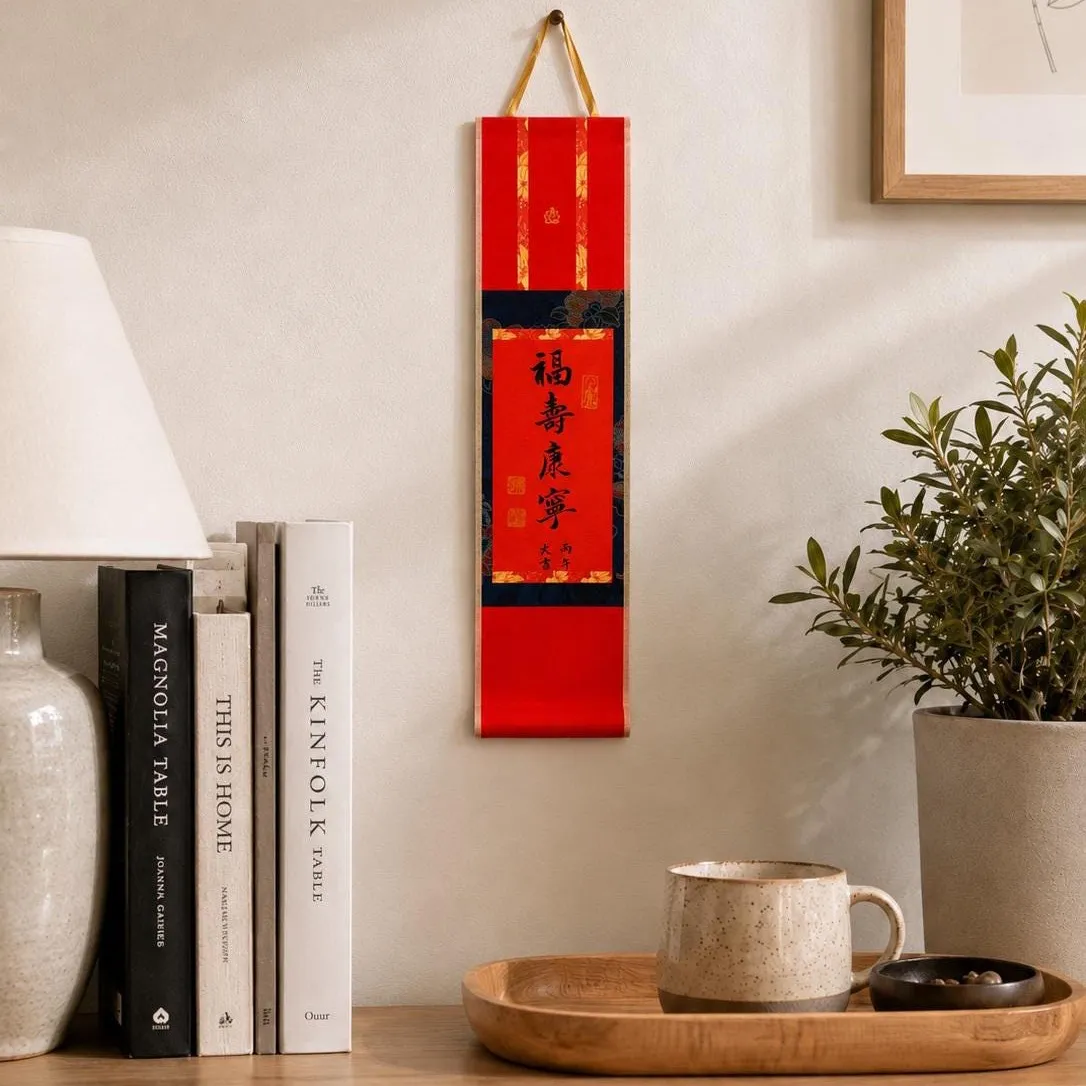
Photo shows a sample — yours will be brushed with 福乐, or any character you choose.
Wall Scroll — for walls & housewarmingsfrom $38→ -
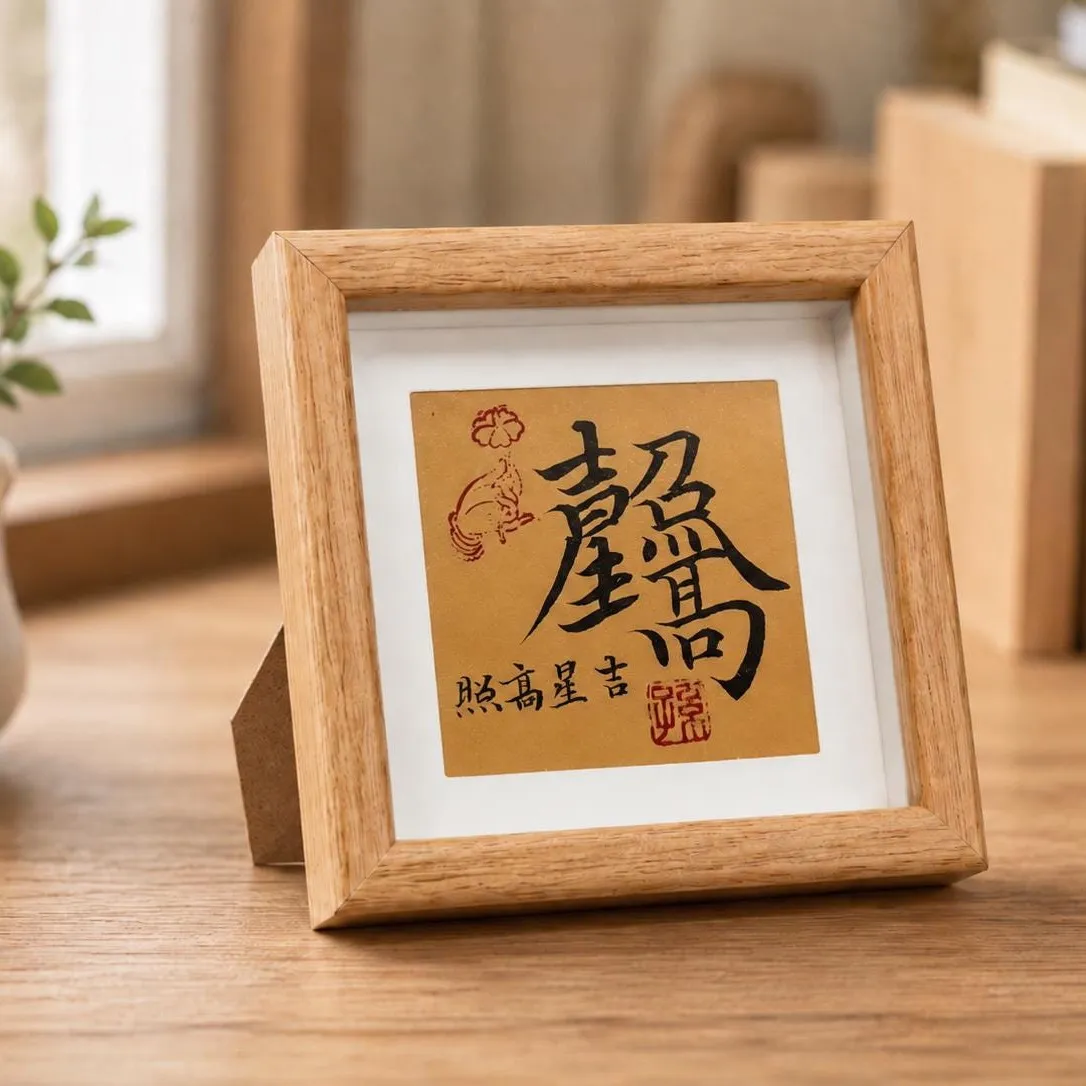
Photo shows a sample — yours will be brushed with 福乐, or any character you choose.
Desk Frame — for desks, studies & studiosfrom $44→ -
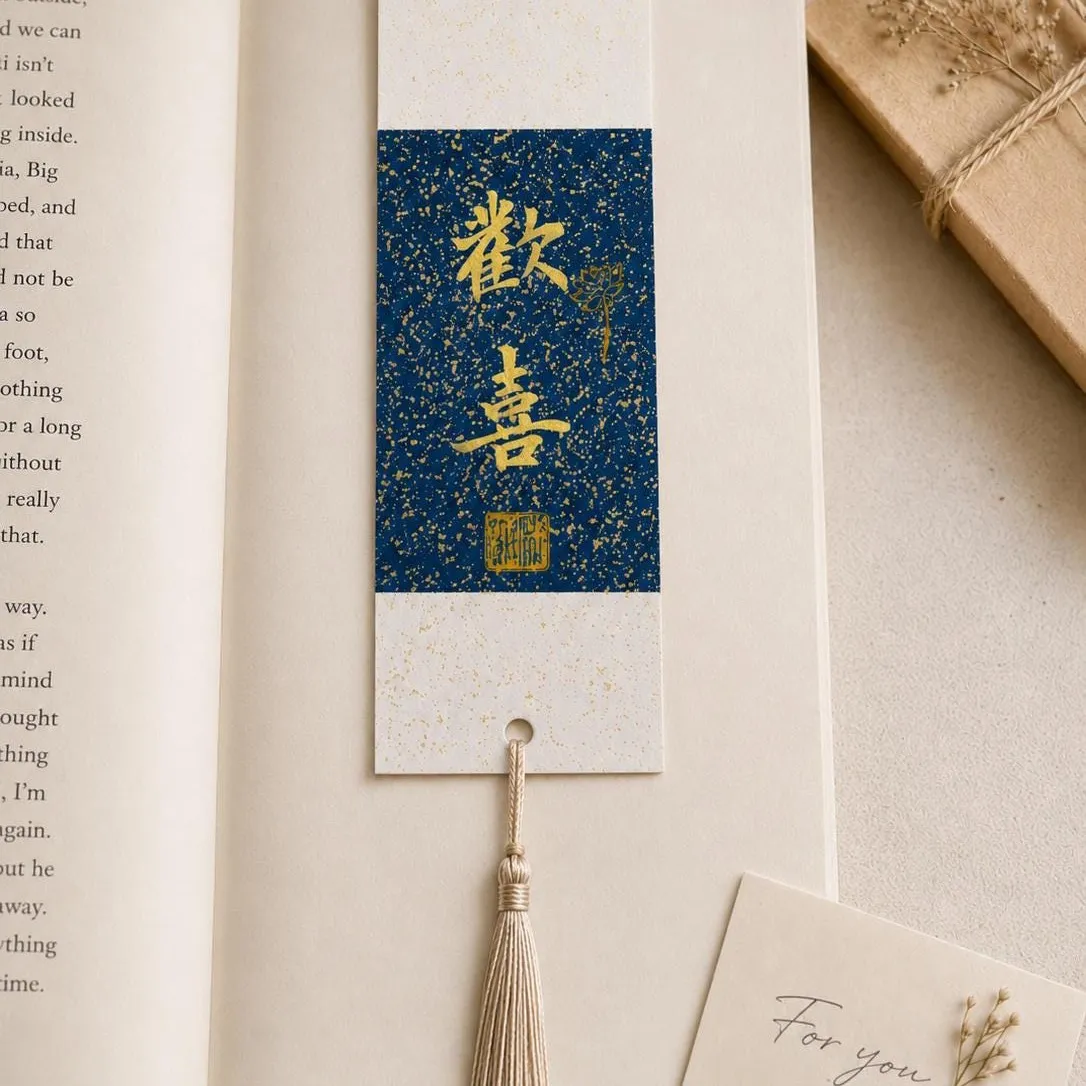
Photo shows a sample — yours will be brushed with 福乐, or any character you choose.
Bookmark — for readers & small thank-yousfrom $14→
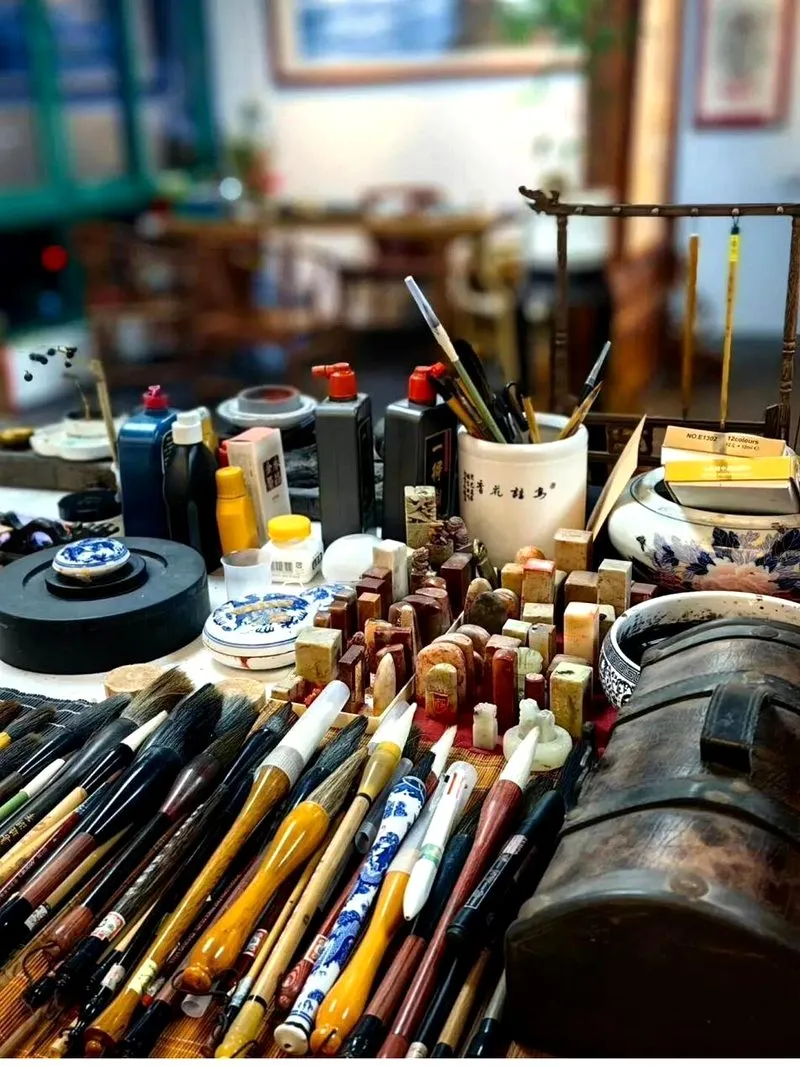
What people said after it arrived.
-
The item is fantastic. The customer service was genuine. Thanks!
— M.Verified purchase · from our Etsy shop reviews · -
They were great they gave me exactly what I asked for and then some. Thank you!!
— G.Verified purchase · from our Etsy shop reviews · -
It is well designed and customized. My daughter loves it. Amazing gift for family’s d friends
— S.Verified purchase · from our Etsy shop reviews ·
Each "福乐" is hand-brushed by FuBlessings on rice paper.
See 福乐 (Fú Lè) on Etsy →