担当 (dān dāng) — Taking Responsibility · Stepping Forward · Bearing What Needs to Be Borne
A two-character word, not a single character.
担当 names something that the other characters in the Father’s Day and Birthday recognition range do not. 德 names the accumulated moral character that years of conduct have built. 忠 names the wholehearted faithfulness that sustains a commitment once made. 坚 and 毅 name the material toughness and resolve that hold through adversity. All of these describe the quality of bearing something already taken on. 担当 names the moment before: the choice to pick it up. The father with 担当 did not wait for someone to assign the task or identify the gap. He saw what was needed and moved toward it. In Chinese social life, this is not a generic quality but a specific one — 有担当 is a precise recognition that is not given lightly.
担当精神 appears in contemporary Chinese governance and management language, in tribute speeches, and in the most personal family conversations — because the concept operates at every scale. At the organizational level, it names the leader who stands between the team and the difficulty. At the household level, it names the father or husband who was present in the specific way the moment required, not because his role formally required it but because he read the situation and answered. Mencius stated the spirit plainly: in this world, who but me will do it? The question is rhetorical; the answer is in the act of asking it.
A hand-brushed 担当 by FuBlessings gives the recognition a form — the character for bearing a balanced load beside the character for being the fitting, present one. For the father who stepped in before being asked, the husband who owns what the household needs, the boss who stood between the team and the difficulty, it names the pattern that the years have demonstrated: they were the ones.
The Story Behind the Character
担 begins as a physical act. The simplified character pairs the 扌 (hand) radical with a simplified phonetic; the traditional form 擔 shows the original construction more clearly: 扌 beside 詹 (zhān), a phonetic carried in many characters for handling and bearing. In either form, the meaning was always the same — specifically the balanced carry of the jiǎn dān (扁担), the shoulder pole that distributes weight across both sides of the body. For millennia, this was how China moved: water, grain, earth, everything carried by human shoulders with the weight distributed evenly by a pole. 担 captures the posture of someone who has taken on weight and is walking with it. When it became a moral term, the physical image stayed underneath.
当 (當 in traditional form) carries a different origin. It is a 形声 phono-semantic character: the semantic element 田 (field) combined with the phonetic 尚. China's first dictionary, the Shuowen Jiezi, glossed it as 田相值 — two fields corresponding in value, equal in measure. From that root sense of equivalence and fitness came the full range of classical meanings: to be appropriate, to face, to be the fitting person in the fitting place. In classical Chinese, 当 marks rightness: 当仁不让 (当仁 = standing at the point where virtue is required, not yielding) uses 当 to name the person who is both present and appropriate. The 君子 who is 当 is the fitting person, in the right place, at the right moment.
Together the pair names what Chinese social and moral life has always recognized but took until modern usage to compound into a single term: the act of stepping into the position that needs someone, not because you were assigned but because the moment requires a person and you are the one who can. 担当 is distinct from 忠 (the wholehearted faithfulness once a commitment is made), from 坚 (the material toughness that holds over time), from 毅 (the resolve that reaffirms itself under difficulty). All of those name how you carry something once you have it. 担当 names the moment of picking it up.
Classical lines
- roughly 1,500 years
- c. 450 BCE 《论语·卫灵公》
- c. 300 BCE 《孟子·公孙丑下》
- 1046 CE 范仲淹《岳阳楼记》
当仁,不让于师。 When benevolence calls, do not yield even to your teacher.
Confucius's clearest statement on the ethics of stepping forward. 当仁 means standing at the point where virtue is required; 不让 means not yielding, not waiting for someone more senior to act first. The character 当 does here exactly what it does in 担当: it names the person who is in the position that requires action. Confucius is saying: if that person is you, be that person.
当今之世,舍我其谁也? In this world, who but me will do it?
Mencius, asked why he remained in Qi despite his counsel going unheeded. His answer is not arrogance; it is a reading of the situation. The moment requires someone, and he is the one positioned to act. This is 担当 at its most articulate: not waiting for permission, not deferring to someone more formally qualified, but recognizing that the moment is asking, and answering.
先天下之忧而忧,后天下之乐而乐。 Grieve before the world grieves; rejoice only after the world has rejoiced.
Fan Zhongyan's most quoted sentence, written in exile after speaking difficult truths to power. It defines 担当 in its public dimension: the person who bears responsibility carries the weight before they take the reward. Fan wrote this as a description of the person he was trying to be — which makes it not a prescription but a testimony.
Why This Character Matters
担当精神 — "the spirit of taking responsibility" — has become standard vocabulary in contemporary Chinese leadership discourse, appearing in governance documents, organizational performance frameworks, and leadership training programs. But the concept it names predates the compound by two millennia. The Confucian 君子 who accepted that the burden is heavy and the road is long (任重而道远) and chose to walk it anyway was practicing 担当 before anyone had named it as a pair. The contemporary usage simply gave the tradition a two-character label that contemporary Chinese institutions could cite.
In family life, 担当 is the quality most commonly named in Chinese eulogies for fathers and husbands — more often than 爱 (love), more often than 勤 (diligence), more often than 德 (virtue). 这个人有担当 ("this person has 担当") is the highest informal recognition of a man's reliability in the specific register that matters: not his accomplishments or his talent, but the pattern of stepping in when something needed an owner and no one had been assigned. Its opposite — 没担当 (lacking 担当) — is among the most serious informal criticisms available in Chinese interpersonal assessment.
For Father's Day when the gift should name the quality that precedes all others: not the faithfulness (忠) that held once a commitment was made, not the resolve (毅) that endured under difficulty, but the initial act of stepping in.
- For Father's Day when the gift should name the quality that precedes all others: not the faithfulness (忠) that held once a commitment was made, not the resolve (毅) that endured under difficulty, but the initial act of stepping in. 担当 names the father who identified what the household needed and moved toward it — before anyone assigned it to him, before anyone noticed the gap, before anyone asked. Among the Father's Day characters, it is the most specific to the act of showing up rather than the quality of having shown up.
- For the milestone birthday of a father, husband, or boss whose record demonstrates a specific pattern: when a situation needed someone, they were the one. 担当 is the recognition gift for the person who has consistently been where the moment required — not because of formal responsibility but because they read the room and stepped in. More active than 德 (which names accumulated character) and more specific than 忠 (which names wholehearted faithfulness): the pair for the person whose years have been characterized by the habit of taking up the load.
Looking for a name? See Western names written in Chinese →
-
What does 担当 (dān dāng) mean?
担当 (dān dāng) is a two-character Chinese word for taking responsibility, stepping forward, bearing what needs to be borne. 担当 names something that the other characters in the Father's Day and Birthday recognition range do not. 德 names the accumulated moral character that years of conduct have built. 忠 names the wholehearted faithfulness that sustains a commitment once made. 坚 and 毅 name the material toughness and resolve that hold through adversity. All of these describe the quality of bearing something already taken on. 担当 names the moment before: the choice to pick it up. The father with 担当 did not wait for someone to assign the task or identify the gap. He saw what was needed and moved toward it. In Chinese social life, this is not a generic quality but a specific one — 有担当 is a precise recognition that is not given lightly. 担当精神 — "the spirit of taking responsibility" — has become standard vocabulary in contemporary Chinese leadership discourse, appearing in governance documents, organizational performance frameworks, and leadership training programs. But the concept it names predates the compound by two millennia. The Confucian 君子 who accepted that the burden is heavy and the road is long (任重而道远) and chose to walk it anyway was practicing 担当 before anyone had named it as a pair. The contemporary usage simply gave the tradition a two-character label that contemporary Chinese institutions could cite.
-
What occasions is 担当 given for?
担当 is traditionally given for Father's Day, Birthday. For Father's Day when the gift should name the quality that precedes all others: not the faithfulness (忠) that held once a commitment was made, not the resolve (毅) that endured under difficulty, but the initial act of stepping in. 担当 names the father who identified what the household needed and moved toward it — before anyone assigned it to him, before anyone noticed the gap, before anyone asked. Among the Father's Day characters, it is the most specific to the act of showing up rather than the quality of having shown up. For the milestone birthday of a father, husband, or boss whose record demonstrates a specific pattern: when a situation needed someone, they were the one. 担当 is the recognition gift for the person who has consistently been where the moment required — not because of formal responsibility but because they read the room and stepped in. More active than 德 (which names accumulated character) and more specific than 忠 (which names wholehearted faithfulness): the pair for the person whose years have been characterized by the habit of taking up the load.
-
Who brushes the 担当 calligraphy?
FuBlessings hand-brushes each 担当 (Dān Dāng) to order, in ink on rice paper — never printed, never repeated.
Bring 担当 home — choose how you'd like it brushed.
-
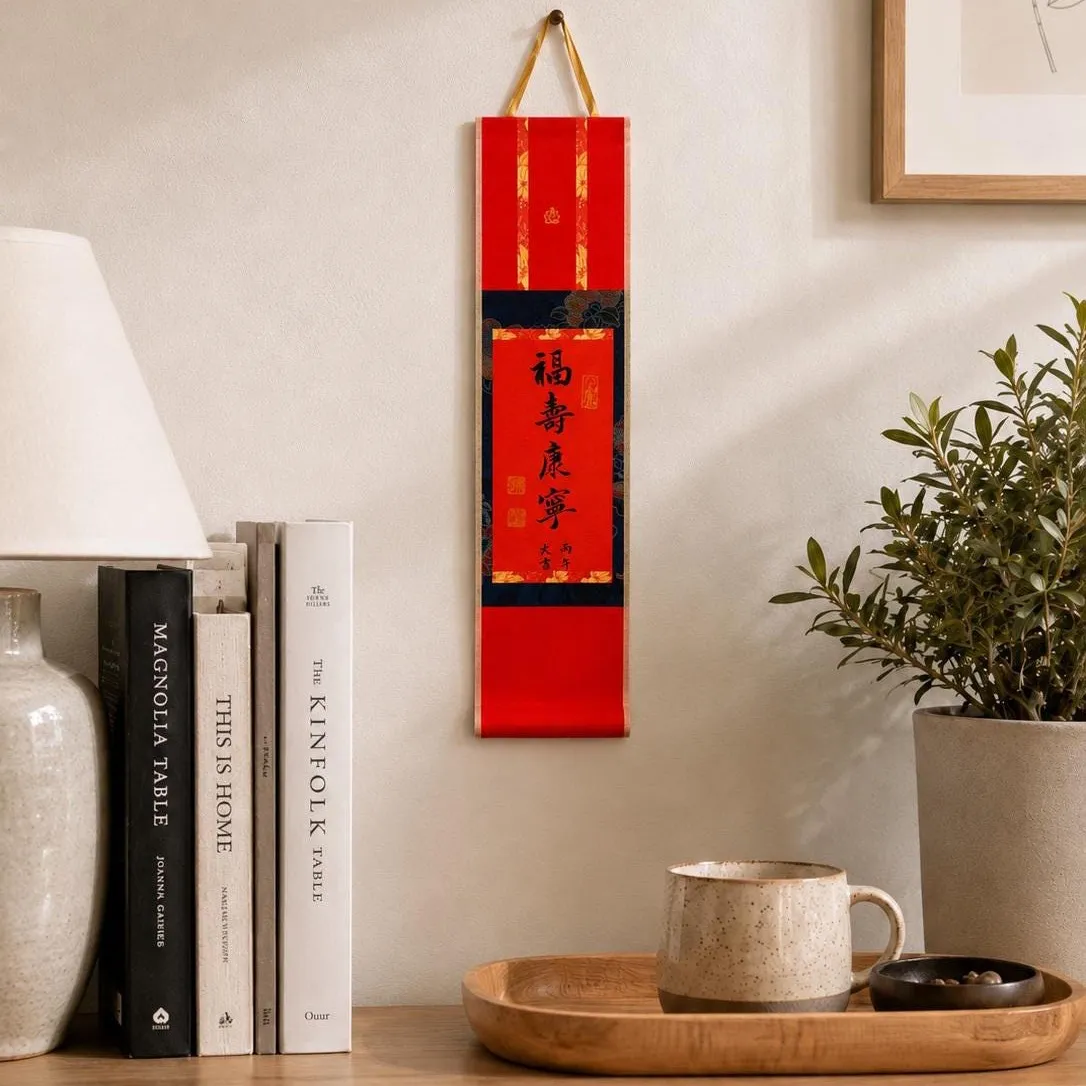
Photo shows a sample — yours will be brushed with 担当, or any character you choose.
Wall Scroll — for walls & housewarmingsfrom $38→ -
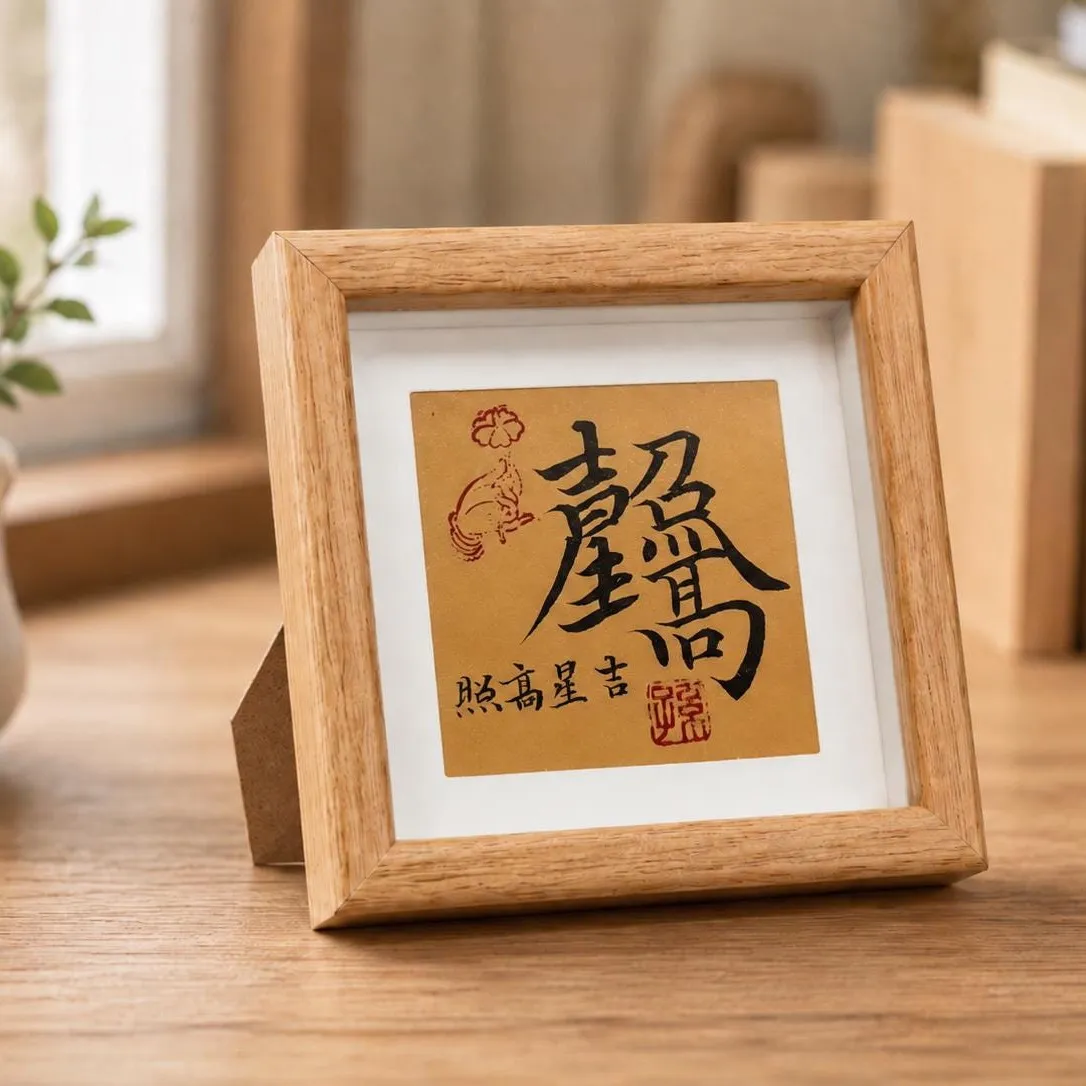
Photo shows a sample — yours will be brushed with 担当, or any character you choose.
Desk Frame — for desks, studies & studiosfrom $44→ -
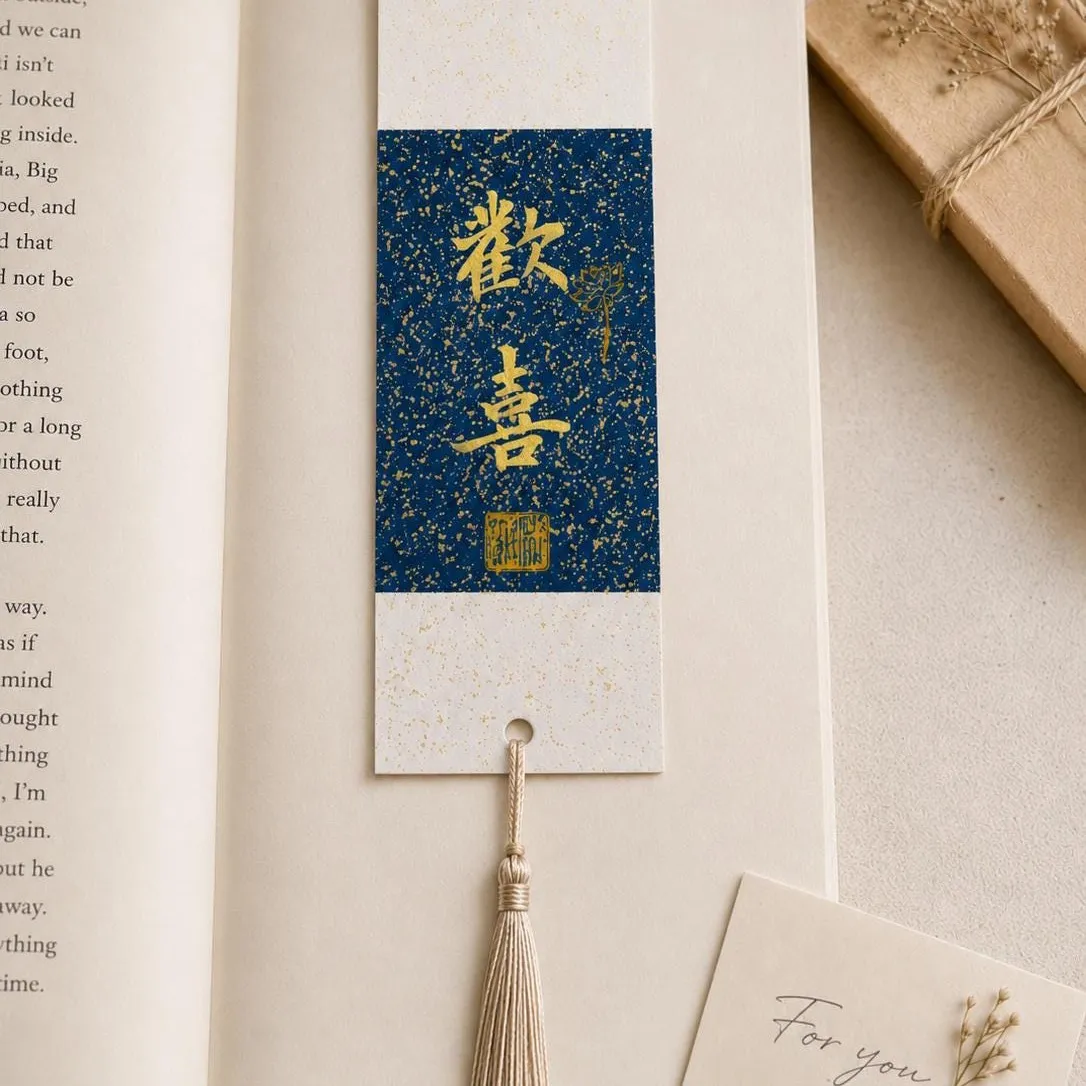
Photo shows a sample — yours will be brushed with 担当, or any character you choose.
Bookmark — for readers & small thank-yousfrom $14→

What people said after it arrived.
-
The item is fantastic. The customer service was genuine. Thanks!
— M.Verified purchase · from our Etsy shop reviews · -
They were great they gave me exactly what I asked for and then some. Thank you!!
— G.Verified purchase · from our Etsy shop reviews · -
It is well designed and customized. My daughter loves it. Amazing gift for family’s d friends
— S.Verified purchase · from our Etsy shop reviews ·
Each "担当" is hand-brushed by FuBlessings on rice paper.
See 担当 (Dān Dāng) on Etsy →