宝 (bǎo) — Treasure · Someone Held Dear · What Is Kept Close
A single character.
Jade and cowrie shells sit under a roof. That is the picture the early graphs of 宝 already give — not money being waved in from the street, but valuables stored indoors. Chinese still spends the same word on people: 宝宝, 宝贝, the child or the friend you refuse to treat as ordinary. 财 can name the wealth people move around. 招财进宝 can ask for treasure to cross a shop threshold. Neither of those is the kept-close claim this single character makes.
You meet the living compounds without opening a classical text. 珠宝 is treasure as objects. 国宝 is what a people guards. 传家之宝 is what a household refuses to let leave. 《礼记·礼运》 can say the earth does not withhold its 宝; 《周易·系辞下》 can call a sage’s highest 宝 the seat of action; 《诗经·大雅·崧高》 can hand a jade tablet across and rename it 宝. The gift reading sits with the household sense, not with the cash-register sentence. See 财 → is wealth you can count. See 慈 → is care that bends down. See 福 → is blessing as a general wish. This page is the treasure kept close.
A hand-brushed 宝 by FuBlessings is for someone the household already calls dear. For a new parent or a baby shower it names the child the room is preparing for — 宝宝 brushed once, not a prosperity slogan on a door. For a friend it is the person you actually hold as treasure. For a grandparent on a birthday it credits the place they hold in the house — 传家之宝 as a person, not a vault. It does not beckon wealth. It does not promise next year’s luck. It names what you keep close.
- treasure kept close — jewel, heirloom, guarded thing
- someone held dear — 宝贝, 宝宝
- what a household or a people guards — 传家之宝, 国宝
- precious as an adjective — 宝刀, 宝库
- wealth / money That is closer to 财 — fungible means. 说文 even defines 财 as 人所宝也, what people treat as 宝, but 财 is the wealth-word; 宝 is the treasure-word.
- beckoning wealth in That is the shop phrase 招财进宝 — summon wealth, bring treasure across the door. A lone 宝 does not perform the beckoning.
- tender parental care That is 慈 — love that bends down to shelter. You can call a child 宝 without the classical disposition 慈 names, and you can show 慈 without using the treasure word.
- blessing / good fortune That is 福 — the blessing hung at New Year. 宝 can sit near prosperity talk, but the character itself names what is kept, not a general wish for luck.
The short arms are the point: these readings don’t reach it.
- 宀 roof — shelter indoorsThe roof marks storage under a household cover. Bone and bronze forms already place valuables under 宀; without it the graph is no longer treasure-kept-indoors.
- 玉 jade — valued matterJade is the concrete treasure under the roof in the simplified form. In traditional 寶, jade sits with cowrie 贝; 说文's 王 in the analysis is the jade graph.
- 贝 / 缶 (traditional) cowrie (meaning) / 缶 (sound)Traditional 寶 keeps cowrie shells as valued goods and 缶 as the sound component (缶声). Simplified 宝 drops both; do not explain the simplified right side as a modern invention of meaning.
character
- 宝贝 bǎo bèi treasure; darling — the everyday endearment built on 宝
- 宝宝 bǎo bao baby / little treasure — the child-directed reduplication
- 珠宝 zhū bǎo pearls and jewels — treasure as objects
- 传家之宝 chuán jiā zhī bǎo a treasure passed down in the family — heirloom sense
- 珍惜 zhēn xī to cherish, to prize — near in sense, shares no character with 宝
Cinnabar marks the characters 宝 actually contains. The dark row is a relative by meaning or by sound, not one shared stroke.
The Story Behind the Character
The earliest graphs already look like a household inventory. On Shang bone and Western Zhou bronze, 寶 is a roof 宀 with cowrie shells 贝 and jade 玉 underneath — treasure stored indoors, not wealth waved in from the street. 《说文解字》 later files the seal form under the roof radical and glosses it in one word: 珍也 — treasure. The analysis is 从宀从王从贝,缶声: roof, jade (王 here for 玉), and cowrie as the meaning parts, with 缶 carrying the sound. 段玉裁 underlines the picture: 玉与贝在屋下 — jade and cowries under a roof, a huiyi reading that still matches the bone forms. An early variant 寚 drops the cowrie; another folk form adds 缶 more clearly as sound.
That indoor picture is why a lone 宝 is not the same claim as 招财进宝. The four-character shop blessing beckons wealth across a threshold; the single character names what is already kept close. From the treasure sense come the living compounds still ordinary today: 珠宝, 国宝, 传家之宝, and the endearments 宝贝 and 宝宝 — treasure applied to a person. Classical Chinese could also spend 宝 as a seal or a coin name (通宝, 元宝), and as a polite honorific (宝号, 宝眷); those lanes stay in the dictionary. The hung character keeps the kept-close reading.
In simplified form the graph is 宝: roof over jade, eight strokes against twenty for 寶. The cowrie and the sound component drop out of the modern count, but the word is the same. Modern speech still uses 宝 as an adjective of preciousness (宝刀, 宝库) and as the affectionate name for a child. That second ledger is what a gift for a new parent or a baby shower is spending — not a cash-register slogan.
Classical lines
- roughly 600 years
- c. 800 BCE 《诗经·大雅·崧高》
- c. 300 BCE 《周易·系辞下》
- c. 200 BCE 《礼记·礼运》
故天不爱其道,地不爱其宝,人不爱其情。 So heaven does not withhold its way, earth does not withhold its treasure, people do not withhold their true feeling.
In the ritual utopia of 礼运, 宝 is what the earth keeps and then does not hoard. The gift character keeps that noun: treasure as something held, not money summoned.
天地之大德曰生,圣人之大宝曰位。 The great virtue of heaven and earth is called life; the great treasure of the sage is called position.
《系辞》 spends 大宝 on the seat from which a sage can act, not on coin. The line shows how far 宝 can travel from jewelry while still naming what is guarded as most precious.
锡尔介圭,以作尔宝。 I grant you a large jade tablet, to serve as your treasure.
A royal gift in the Songs: a 圭 handed over and renamed 宝 — the kept emblem of a charge, not wealth waved through a shop door.
Why This Character Matters
Living speech still puts 宝 on people before it puts it on vaults. Parents call a child 宝宝 or 宝贝; a household names a kept heirloom 传家之宝; a nation names what it guards 国宝. None of those compounds is a wish that money walk in. They are names for what is already held close. The shop phrase 招财进宝 — which already has its own library page — belongs to doorways and registers; it uses 宝 as the treasure that arrives after wealth is beckoned. A brushed single 宝 does not borrow that commercial sentence.
As a gift the character fits the new-parent and baby-shower register without inventing a hanging-plaque custom. You are not claiming that every cradle room in China hangs a lone 宝. You are using the word the family already says for the child, brushed once so it can sit on a wall. For a friend or a grandparent on a birthday, the same reading holds: someone held dear, treasure kept close — not 恭喜发财, and not a forecast that gold will fill the hall.
宝 is ordinary speech — 宝贝, 宝宝, 国宝, 珠宝, 传家之宝 — and also the classical word for treasure under a roof. On skin it will be read as naming someone or something held dear, so expect the question whether you meant money. The shop phrase 招财进宝 is a different page; a lone 宝 is not beckoning wealth through a door.
Calligraphy Styles for Tattoos
- Regular script (楷书 kǎishū) Best for tattoos
Simplified 宝 is 8 strokes: roof 宀 over 玉. Regular script keeps the roof and the jade distinct — without the roof the graph collapses toward a loose 玉. Traditional 寶 (宀 + 缶 + 玉 + 贝) is a much denser 20-stroke stack; agree which script the client wants before sizing.
- Running script (行书 xíngshū) Good for larger pieces
Running script can soften the roof and jade without losing either. Below about 1.25 inches the roof line and the jade's inner strokes blur first. Ask for a sample at the intended size.
- Cursive script (草书 cǎoshū) Only with an expert calligrapher
Cursive 宝 / 寶 can reduce the roof to a flick and the jade to a blot. Without a calligrapher who knows both the simplified and traditional cursive habits, readers may not recover the character.
Common Mistakes to Avoid
- Writing a bare 玉 without a readable roof 宀Intended: 宝 with the roof still countable above the jade
The roof is what keeps jade-under-shelter as treasure indoors. Lose it and the tattoo is only jade.
- Mixing simplified 宝 strokes with a half-traditional 贝 or 缶 inside the same graphIntended: One consistent script — full simplified 宝, or full traditional 寶
Hybrid graphs look unfinished to readers who know either standard form.
Notes for Your Tattoo Artist
Simplified count is 8 strokes; traditional 寶 is 20. Confirm simplified vs traditional with the client. Minimum comfortable size about 1.25–1.5 inches for simplified; traditional needs more. Early bone forms already show cowries and jade under a roof; do not invent a later folk story as oracle-bone fact.
A few characters live near "宝" but mean something quieter, sharper, or more specific. Here's how to tell them apart.
the treasure (or person) kept close under a roof
fungible wealth — what can be counted, managed, and spent
naming someone as treasure held dear
the downward tender care a parent gives — disposition, not the treasure-word
what is guarded as precious
blessing and good fortune as a general wish, especially at New Year
A baby shower fills a room with gifts sized for someone who has not arrived.
- A baby shower fills a room with gifts sized for someone who has not arrived. 宝 names what the household is already calling them in ordinary speech — 宝宝, 宝贝 — the person kept as treasure, not a forecast of wealth. It suits the parents and the grandparents who mean the child, not the shop door.
- A birthday can name how someone has been held in a family for years. 宝 is the character inside 宝贝 and 传家之宝 — treasure kept close, not money waved in. For a friend you actually call dear, or a grandparent whose place in the house is the thing you guard, the accurate word is the treasure, not a prosperity slogan.
New Parent · Friend · Grandparent · or yourself
Looking for a name? See Western names written in Chinese →
-
What does 宝 (bǎo) mean?
宝 (bǎo) is the Chinese character for treasure, someone held dear, what is kept close. Jade and cowrie shells sit under a roof. That is the picture the early graphs of 宝 already give — not money being waved in from the street, but valuables stored indoors. Chinese still spends the same word on people: 宝宝, 宝贝, the child or the friend you refuse to treat as ordinary. 财 can name the wealth people move around. 招财进宝 can ask for treasure to cross a shop threshold. Neither of those is the kept-close claim this single character makes. Living speech still puts 宝 on people before it puts it on vaults. Parents call a child 宝宝 or 宝贝; a household names a kept heirloom 传家之宝; a nation names what it guards 国宝. None of those compounds is a wish that money walk in. They are names for what is already held close. The shop phrase 招财进宝 — which already has its own library page — belongs to doorways and registers; it uses 宝 as the treasure that arrives after wealth is beckoned. A brushed single 宝 does not borrow that commercial sentence.
-
What occasions is 宝 given for?
宝 is traditionally given for Baby Shower, Birthday. A baby shower fills a room with gifts sized for someone who has not arrived. 宝 names what the household is already calling them in ordinary speech — 宝宝, 宝贝 — the person kept as treasure, not a forecast of wealth. It suits the parents and the grandparents who mean the child, not the shop door. A birthday can name how someone has been held in a family for years. 宝 is the character inside 宝贝 and 传家之宝 — treasure kept close, not money waved in. For a friend you actually call dear, or a grandparent whose place in the house is the thing you guard, the accurate word is the treasure, not a prosperity slogan.
-
Is 宝 a good Chinese tattoo?
宝 is ordinary speech — 宝贝, 宝宝, 国宝, 珠宝, 传家之宝 — and also the classical word for treasure under a roof. On skin it will be read as naming someone or something held dear, so expect the question whether you meant money. The shop phrase 招财进宝 is a different page; a lone 宝 is not beckoning wealth through a door.
-
Who brushes the 宝 calligraphy?
FuBlessings hand-brushes each 宝 (Bǎo) to order, in ink on rice paper — never printed, never repeated.
Bring 宝 home — choose how you'd like it brushed.
-
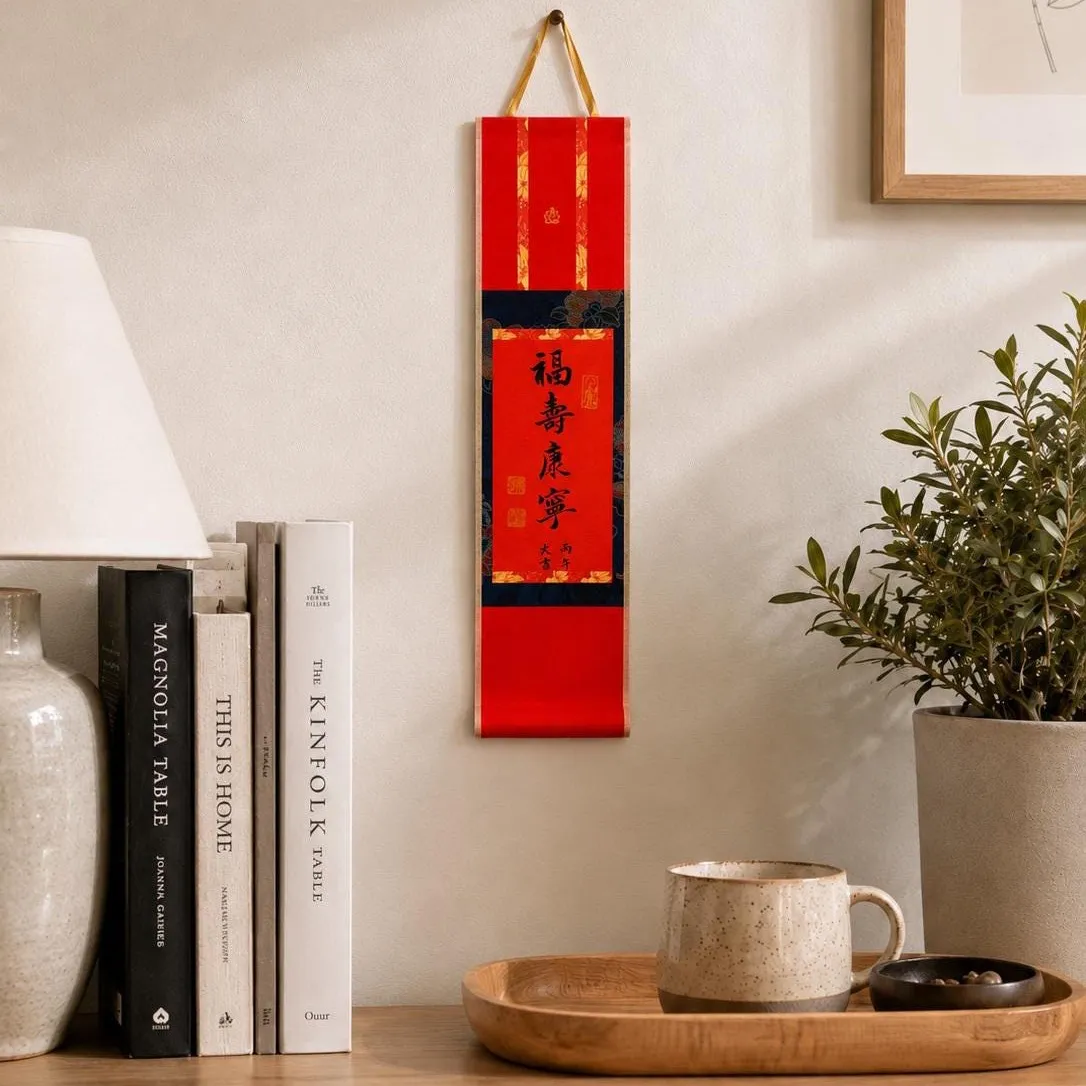
Photo shows a sample — yours will be brushed with 宝, or any character you choose.
Wall Scroll — for walls & housewarmingsfrom $38→ -
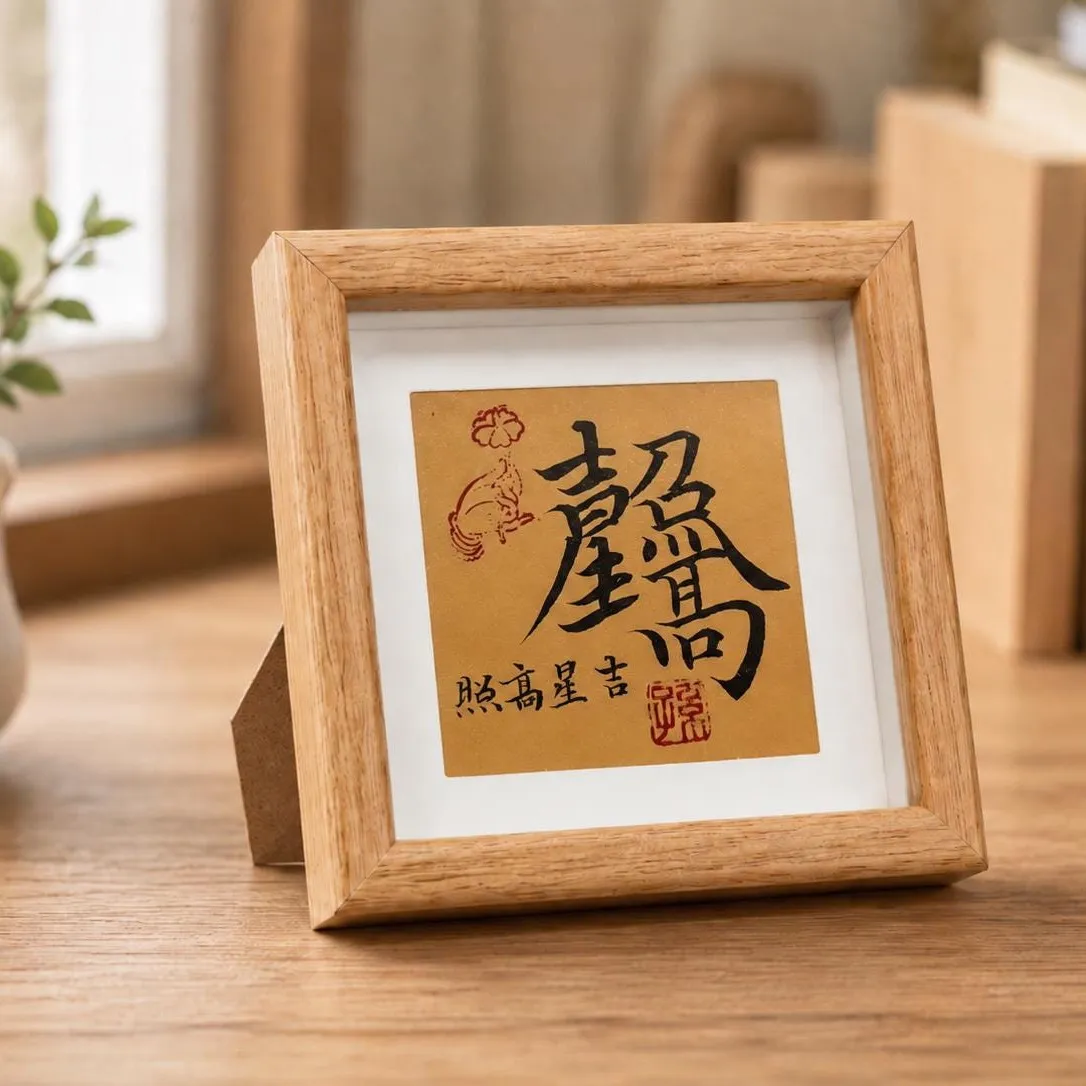
Photo shows a sample — yours will be brushed with 宝, or any character you choose.
Desk Frame — for desks, studies & studiosfrom $44→ -
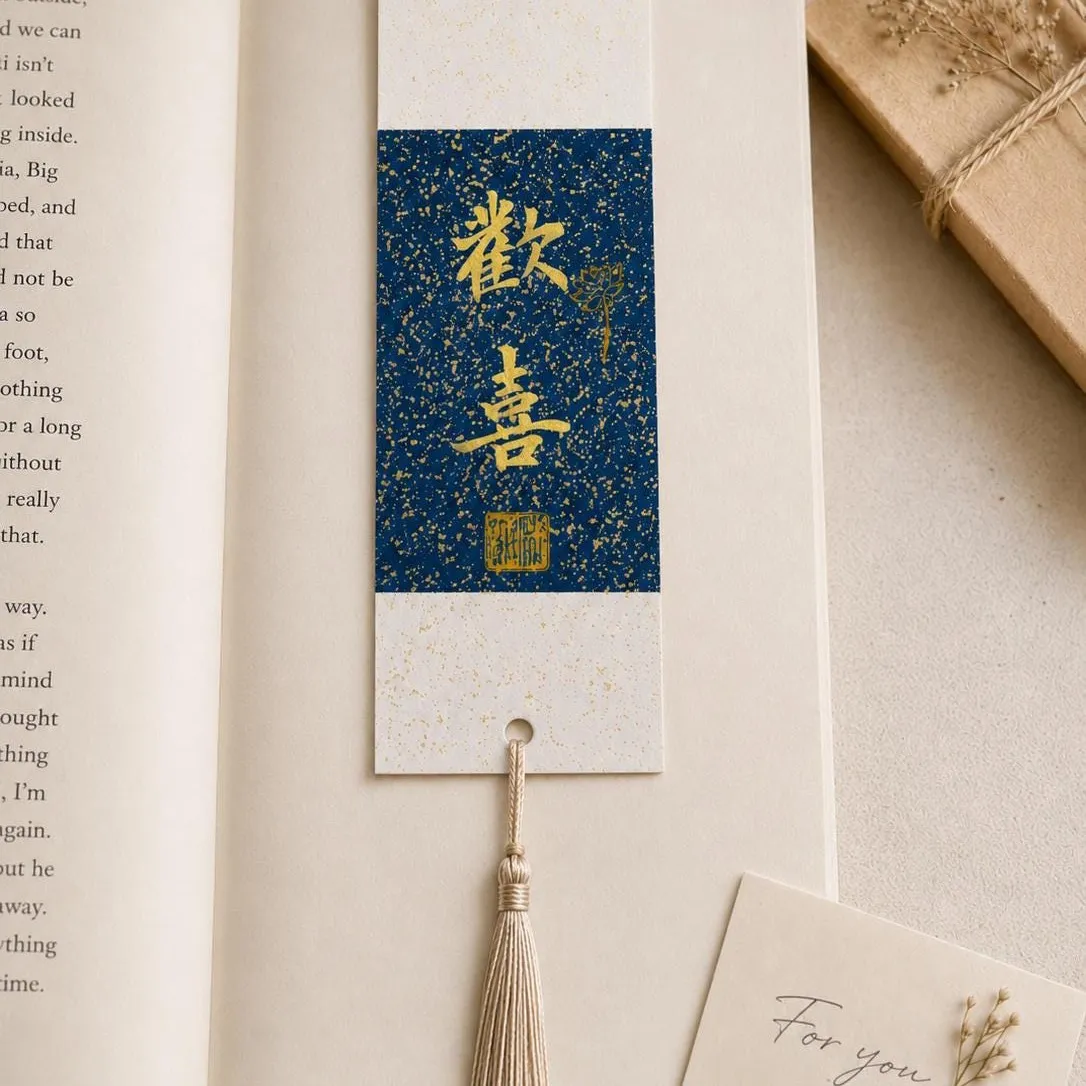
Photo shows a sample — yours will be brushed with 宝, or any character you choose.
Bookmark — for readers & small thank-yousfrom $14→
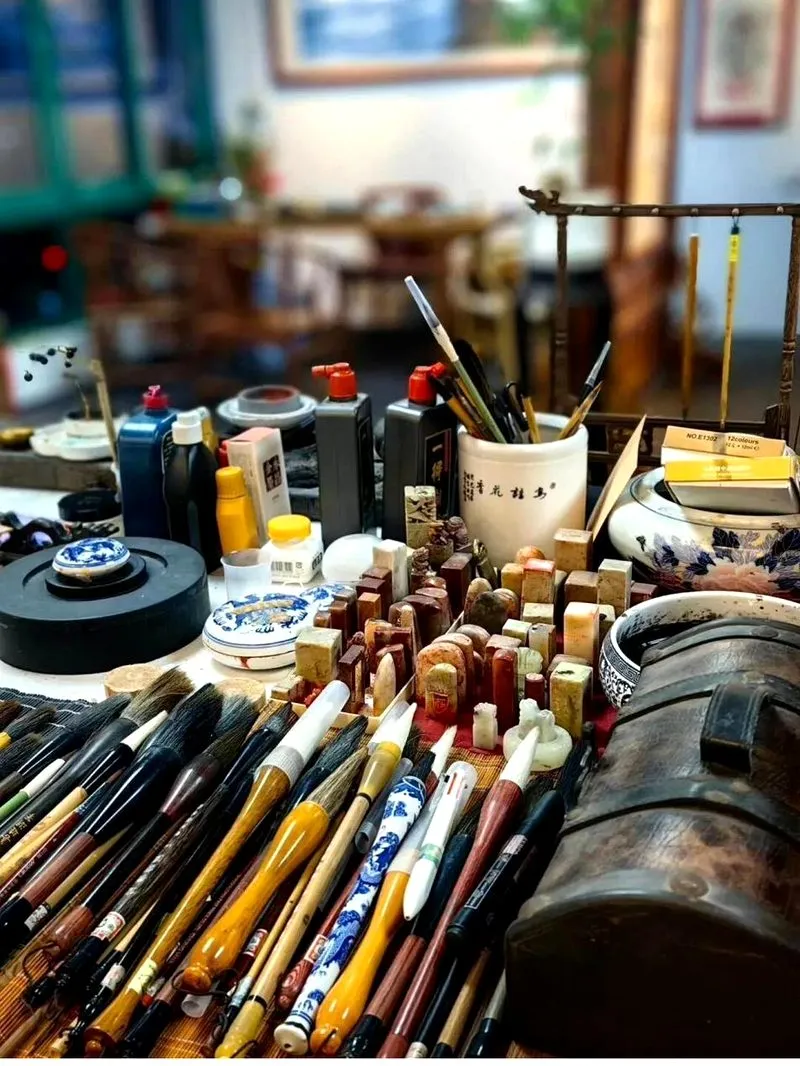
What people said after it arrived.
-
The item is fantastic. The customer service was genuine. Thanks!
— M.Verified purchase · from our Etsy shop reviews · -
They were great they gave me exactly what I asked for and then some. Thank you!!
— G.Verified purchase · from our Etsy shop reviews · -
It is well designed and customized. My daughter loves it. Amazing gift for family’s d friends
— S.Verified purchase · from our Etsy shop reviews ·
Each "宝" is hand-brushed by FuBlessings on rice paper.
See 宝 (Bǎo) on Etsy →