兴 (xīng) — To Raise · To Get Something Off the Ground · Rising by Joint Force
A single character.
滕子京 was sent down to the prefecture of Baling in the spring of 1044. Two years later the friend he had asked for an inscription, 范仲淹, gave his whole year eight characters: 政通人和,百废具兴 — the administration ran, the people were in accord, and a hundred abandoned things had been raised again. 百废具兴 is still in daily use, and what carries it is grammar rather than imagery. The hundred things stand as the subject of that clause; 兴 lets the doer drop out of the sentence without letting the reader forget him, because the word names the coming-up and not the condition it leaves behind. You can 兴 a building, 兴 a school, 兴 an army, 兴 a household. Nothing is ever 旺ed. The 说文解字 says why in the three characters tacked onto the end of its definition: 同力也, joint force.
That is the whole distance between this character and the compounds it usually appears inside. 兴旺, which sits elsewhere in this library, wants the climb and the heat together and describes a house or a shop that is already going; 家和万事兴 makes 兴 the consequence and puts the condition — a household in accord — in front of it. The bare character is the event before either of those is true, and it is why 复兴 and 中兴 and 振兴 all work: a condition cannot happen twice, but a lift can, and Chinese has spent two thousand years describing dynasties, temples, trades and families being raised a second time. See 兴旺 →
A hand-brushed 兴 by Artist Lina Sun goes to the people with their hands under something. For the friend who has just started the thing — the shop, the practice, the move — where the honest wish is not that it succeed but that it get off the ground, since the near end is the part they can still affect. And for a couple in a new household, because the character makes the least sentimental case for marriage in this library: 兴家立业 is said to people who have just set up on their own, and the graph underneath it has four hands on one load, not two.
- to raise something up — a building, a school, an army, a household
- to get a thing off the ground; to found or institute it
- to revive what had already fallen — 复兴, 振兴, 中兴
- flourishing while it is still being lifted
- prosperity Prosperity is a state, and a state can be inherited, sat in, and lost without anybody doing anything. 兴 names the coming-up itself, which is why it can happen to the same house twice.
- rise English "rise" is a thing that happens; 兴 is a thing someone does. It is the only word in this cluster that takes an object at all — you can 兴 a school; nothing is ever 旺ed, and 盛 takes an object only under its other reading, chéng — to ladle rice into a bowl. Even where the sentence hides the doer, as in 百废具兴, what 兴 names is the event and never the condition it leaves behind.
- success 成功 reports the far end of the effort. 兴 reports the near end — the getting-off-the-ground — and makes no claim at all about whether the thing lands.
The short arms are the point: these readings don’t reach it.
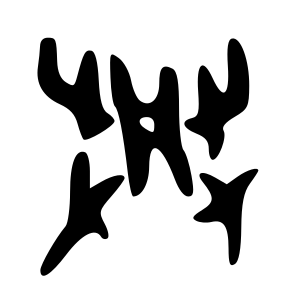
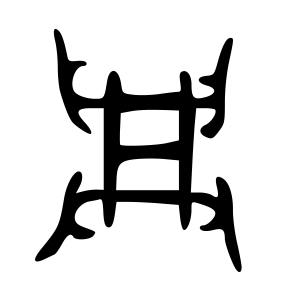
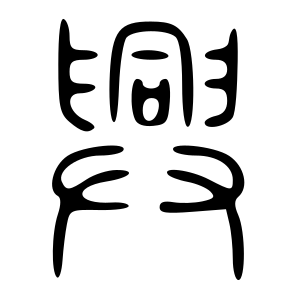
- 舁 four hands, two above and two below, closed on a single load《说文解字》 gives 舁 its own section heading, defined in three characters: 共舉也, to lift together. Barely anything is filed under it — 與, what is handed across; 興, what comes up; and one rare character for raising a thing high. That the picture of hands was structural enough to sort other characters by is the point of it.
- 同 the load between the hands — and the reason the word means what it meansIn the bone graphs the middle element is a flat 凡; the seal script regularizes it to 同, same. 《说文》 treats that as the explanation rather than as decoration, closing the entry with 同力也 — by joint force.
character
- 兴旺 xīng wàng thriving — the lift paired with the heat, said of a household or a trade already running
- 兴隆 xīng lóng rising and swelling — the shopkeeper's word, as in 生意兴隆, may the trade prosper
- 复兴 fù xīng to revive — to raise a second time something that had already come down
- 兴建 xīng jiàn to construct — the everyday verb for putting a building or a public work up
- 中兴 zhōng xīng a mid-course revival — the term historians reserve for a house raised back up after a collapse
- 兴致 xìng zhì the mood to do something — the same lift under the second reading, applied to a person's attention
The Story Behind the Character
许慎 sorted the whole of written Chinese into 540 sections, and one of those sections is a pair of hands meeting another pair. 舁 got its own heading in the 说文解字 (c. 100 CE), defined in three characters — 共舉也, to lift together — and barely anything is filed underneath it: 與, what is handed across; 興, what comes up; and one rare character for raising a thing high. The entry for 興 gives the meaning in two characters, 起也, to rise, and then adds a reason for the shape: 同力也, joint force. That reason is what the middle element of the graph contributes — in the bone forms a flat 凡, regularized by the seal script into 同, same — and it is why the word keeps other people inside it.
What 兴 then did for three thousand years is take objects, which its neighbours cannot. 王于兴师 in the 诗经 raises an army. 兴建 puts up a building, 兴修 cuts a canal, 兴办 founds a school, 兴学 gets education going in a place that had none. Nothing is ever 旺ed, and 盛 takes an object only under its other reading, chéng, where it means to ladle rice into a bowl. In the senses that matter here, both words report a condition a thing is in. 兴 turns up without a stated doer as well — 百废具兴, 万事兴 — and the difference survives it, because what the word names is the coming-up rather than the state left behind. That is why 复兴 and 振兴 and 中兴 are possible at all: a condition cannot be repeated, and a lift can. Its standing opposite is 亡. 兴亡, rise and ruin, is the pair Chinese historians use for the whole life of a state, with 兴衰 and 兴废 for smaller things.
The same graph carries a second reading, xìng, and in everyday speech it is the one a learner meets first — 高兴 for gladness, 兴趣 for interest, 兴致 for the mood to do something, 扫兴 for the person who kills it. Nothing has been merged here; this is one character with one root sense pointed at a different object. What rises in 高兴 is a person's attention rather than a building. Which of the two is meant is normally settled by where the character is standing: on red paper at the turn of the year, or over a shop door, there is no ambiguity at all, and a bare 兴 with no such frame around it is a genuinely open question. 《毛诗序》 names the technique and the tradition reads it under the second tone — among the 六义 of the 诗经, 兴 is the move where a poem opens on ospreys at a river or on reeds white with frost and lets the real subject come up behind the image.
Classical lines
- roughly 1,800 years
- c. 9th–7th c. BCE 《诗经·秦风·无衣》
- c. 5th c. BCE 《论语·泰伯》
- 1046 CE 范仲淹《岳阳楼记》
岂曰无衣?与子同袍。王于兴师,修我戈矛,与子同仇。 Who says you have nothing to wear? We'll share my war-coat. The king is raising an army
I'll see to my dagger-axe and spear, and your enemy is mine. — The oldest 兴 in the songs already has a subject on one side and an object on the other: somebody raises something. The stanza is also a small demonstration of the 同力 in the character's own definition, since the phrase it keeps returning to is 与子同 — with you, the same.
兴于诗,立于礼,成于乐。 Raised by the Odes, steadied by ritual, finished in music.
Confucius on how a person gets assembled, in three verbs. 兴 is the first stage and the only one done to you from outside; something has to lift you before anything can be built on top of it. It is the same word used for putting up a building, applied to a student.
越明年,政通人和,百废具兴。 By the next year the administration ran, the people were in accord, and a hundred abandoned things had been raised again.
The essay opens by naming the man it was written for, 滕子京; the eight characters after the date are his year's work. Most people now write the phrase as 百废俱兴. 范仲淹 wrote 具, which stands in for 俱, all — and which in its own right means fully provided, everything present and accounted for.
Why This Character Matters
Chinese historiography keeps a term for a house raised back up partway through, after a collapse that by rights should have ended it: 中兴. 光武中兴 is the standard case — 刘秀 reassembled Han in 25 CE after 王莽 had taken it apart — and the label reads the Eastern Han as the same house lifted again rather than a new one opened. That the same man is also called 东汉开国皇帝 is not a contradiction; 兴 names the lift, not the priority. Houses are allowed more than one: 汉 has 昭宣中兴 before 光武, 商 has 盘庚 and then 武丁. What the term will not do is attach to something that never fell. Nothing is ever described as 中兴 because it went on doing well.
The other place the word lives is the shopfront. 生意兴隆通四海,财源茂盛达三江 — may the trade rise and reach the four seas, may the sources of income flourish and reach the three rivers — is among the most-pasted New Year couplets in Chinese, printed by the million and stuck to the doorframes of restaurants, hardware stores and phone-repair counters every spring. Read it as the parallelism intends and the halves line up: 兴隆 against 茂盛, 通四海 against 达三江. What the couplet asks for in its first four characters is not a quantity of money. It is motion, in a shop that has just been opened by somebody's hands.
A few characters live near "兴" but mean something quieter, sharper, or more specific. Here's how to tell them apart.
the lift — the event of a thing coming up, which can happen to the same house twice
the heat, measured once something is already burning — a fire is 旺 with nobody in the room
the climb while it is still under way; claims no height and implies no turn
fullness arrived at its top, with 盛极而衰 waiting on the other side of the peak
the near end of the effort — whether a thing ever left the ground
the far end — whether it arrived, and whether anything got through to the other side
兴 does most of its work in company at the turn of the year — 生意兴隆 behind the shop counter, 万事兴 closing the household line, 兴旺发达 stretched across a storefront.
- 兴 does most of its work in company at the turn of the year — 生意兴隆 behind the shop counter, 万事兴 closing the household line, 兴旺发达 stretched across a storefront. Set down on its own it does a job the rest of the door does not. Most New Year paper asks the year to deliver something: fortune arriving, blessings reaching the threshold, a smooth road. 兴 is a verb the household performs, and it takes an object — 兴家, 兴业, 兴学. For the gift that wishes not that the year be generous, but that whatever this family means to get off the ground this year, gets off the ground.
- Housewarming · A New Home兴 is the ordinary word for putting a building up: 兴建 for the construction itself, 兴修 for the canal or the road, and 百废具兴 in 范仲淹's essay of 1046 for a whole prefecture's worth of abandoned things raised again. A new home is that verb completed once, which is exactly why it is worth hanging inside one. 兴旺 wishes the rooms already hot and busy; 兴 wishes the household the appetite to keep lifting things, and quietly records that this address is itself something somebody raised rather than something that appeared.
Friend · New Couple · or yourself
Looking for a name? See Western names written in Chinese →
-
What does 兴 (xīng) mean?
兴 (xīng) is the Chinese character for to raise, to get something off the ground, rising by joint force. 滕子京 was sent down to the prefecture of Baling in the spring of 1044. Two years later the friend he had asked for an inscription, 范仲淹, gave his whole year eight characters: 政通人和,百废具兴 — the administration ran, the people were in accord, and a hundred abandoned things had been raised again. 百废具兴 is still in daily use, and what carries it is grammar rather than imagery. The hundred things stand as the subject of that clause; 兴 lets the doer drop out of the sentence without letting the reader forget him, because the word names the coming-up and not the condition it leaves behind. You can 兴 a building, 兴 a school, 兴 an army, 兴 a household. Nothing is ever 旺ed. The 说文解字 says why in the three characters tacked onto the end of its definition: 同力也, joint force. Chinese historiography keeps a term for a house raised back up partway through, after a collapse that by rights should have ended it: 中兴. 光武中兴 is the standard case — 刘秀 reassembled Han in 25 CE after 王莽 had taken it apart — and the label reads the Eastern Han as the same house lifted again rather than a new one opened. That the same man is also called 东汉开国皇帝 is not a contradiction; 兴 names the lift, not the priority. Houses are allowed more than one: 汉 has 昭宣中兴 before 光武, 商 has 盘庚 and then 武丁. What the term will not do is attach to something that never fell. Nothing is ever described as 中兴 because it went on doing well.
-
What occasions is 兴 given for?
兴 is traditionally given for Chinese New Year, Housewarming · A New Home. 兴 does most of its work in company at the turn of the year — 生意兴隆 behind the shop counter, 万事兴 closing the household line, 兴旺发达 stretched across a storefront. Set down on its own it does a job the rest of the door does not. Most New Year paper asks the year to deliver something: fortune arriving, blessings reaching the threshold, a smooth road. 兴 is a verb the household performs, and it takes an object — 兴家, 兴业, 兴学. For the gift that wishes not that the year be generous, but that whatever this family means to get off the ground this year, gets off the ground. 兴 is the ordinary word for putting a building up: 兴建 for the construction itself, 兴修 for the canal or the road, and 百废具兴 in 范仲淹's essay of 1046 for a whole prefecture's worth of abandoned things raised again. A new home is that verb completed once, which is exactly why it is worth hanging inside one. 兴旺 wishes the rooms already hot and busy; 兴 wishes the household the appetite to keep lifting things, and quietly records that this address is itself something somebody raised rather than something that appeared.
-
Who brushes the 兴 calligraphy?
Each 兴 (Xīng) is hand-brushed to order by Artist Lina Sun in ink on rice paper — never printed, never repeated.
Bring 兴 home — choose how you'd like it brushed.
-
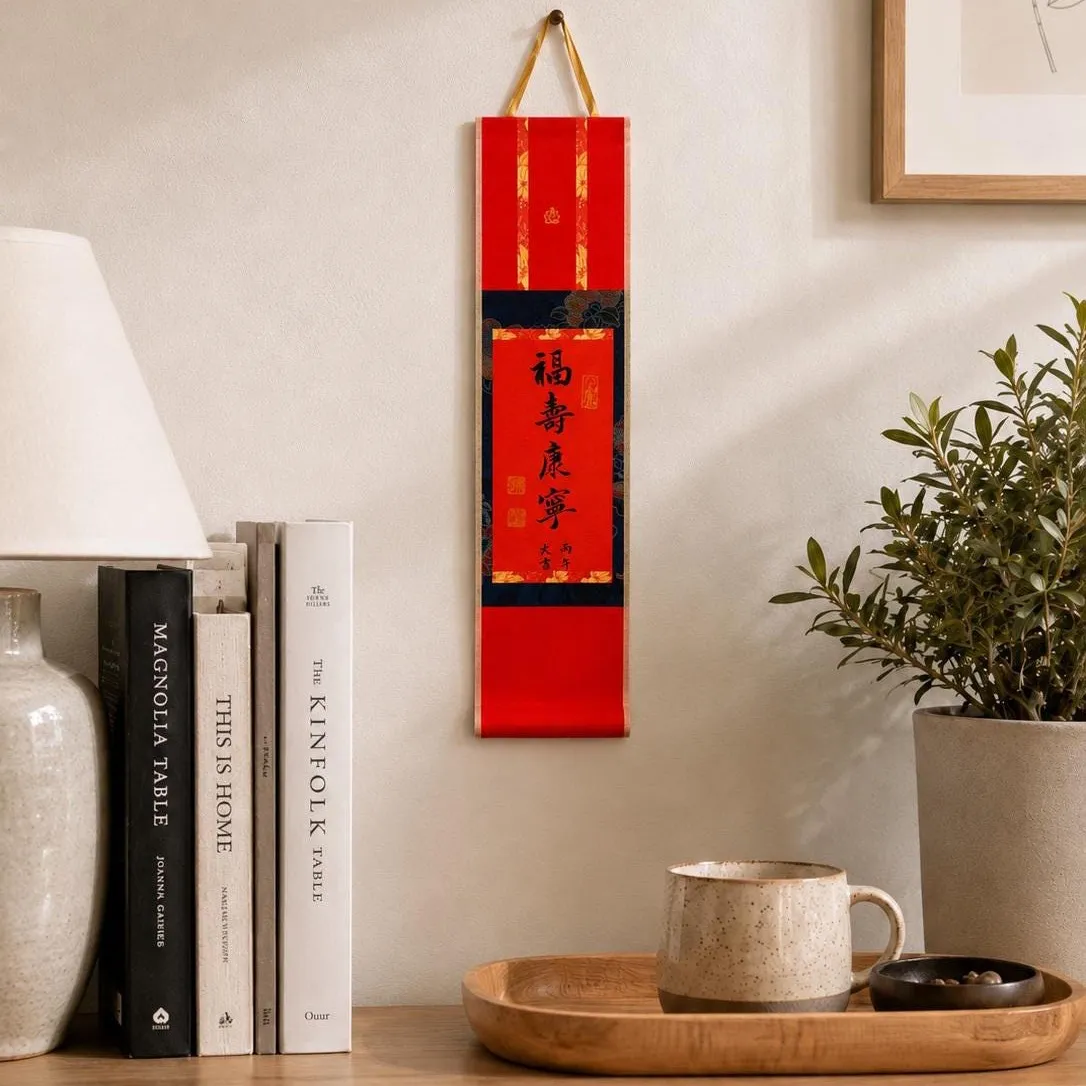
Photo shows a sample — yours will be brushed with 兴, or any character you choose.
Wall Scroll — for walls & housewarmingsfrom $38→ -
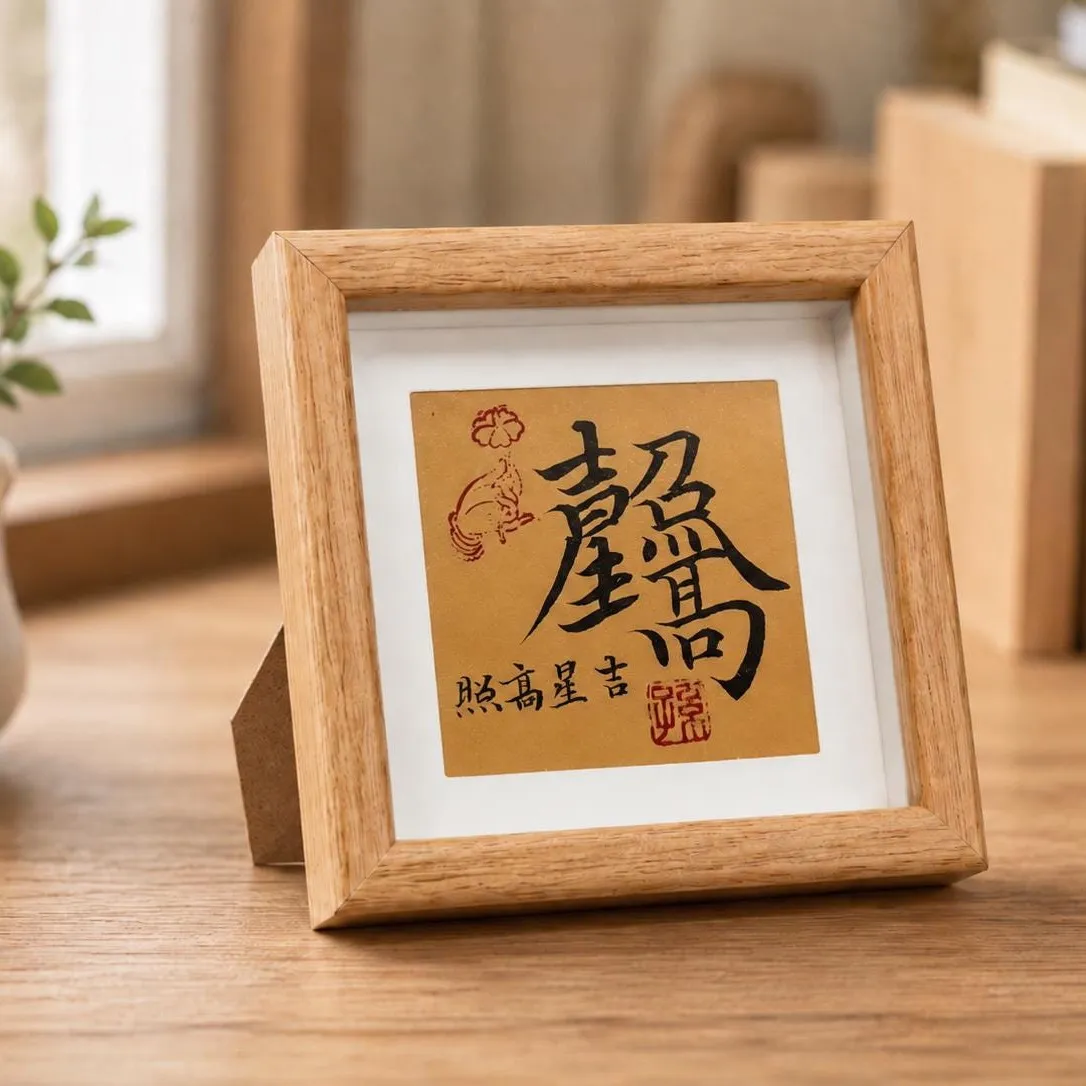
Photo shows a sample — yours will be brushed with 兴, or any character you choose.
Desk Frame — for desks, studies & studiosfrom $44→ -
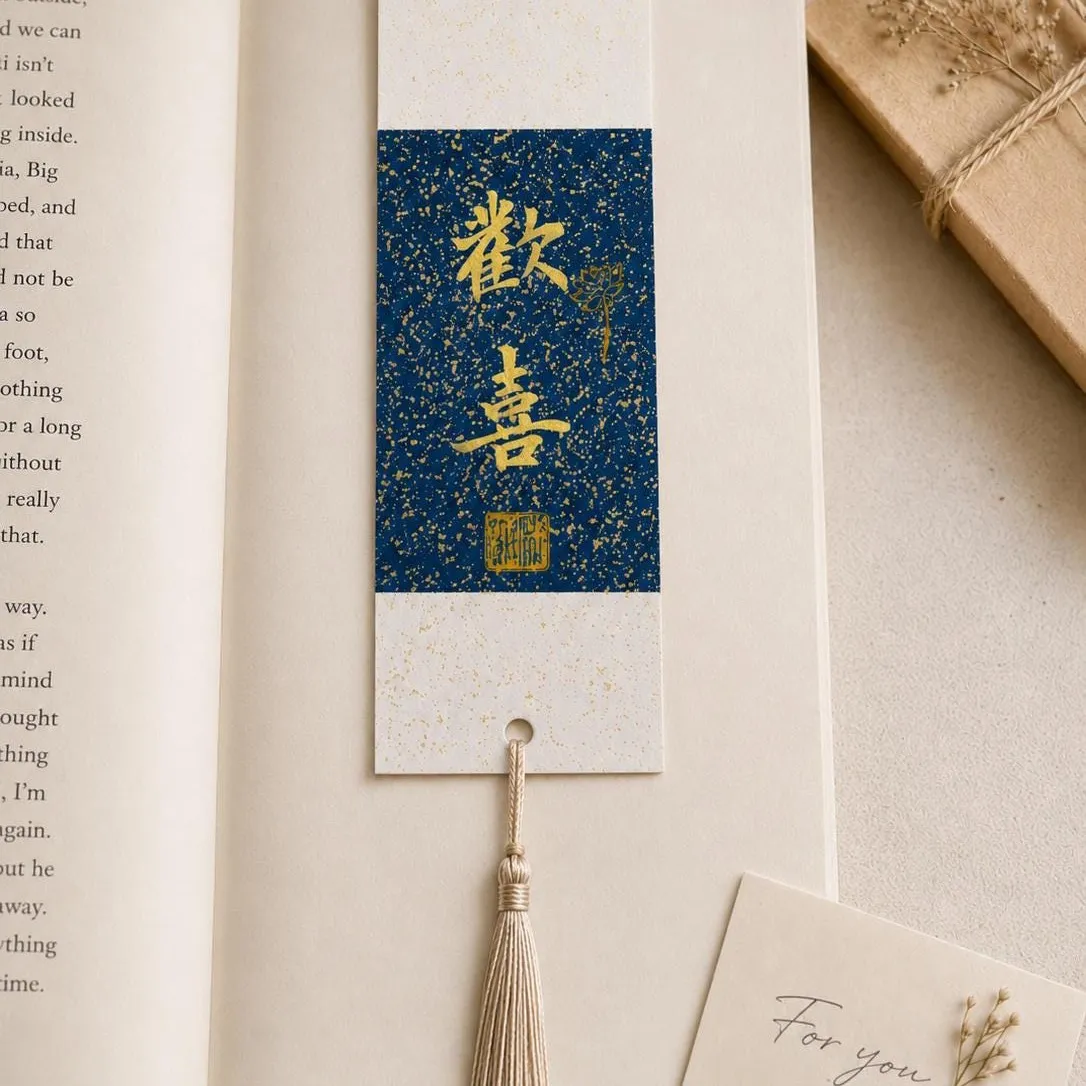
Photo shows a sample — yours will be brushed with 兴, or any character you choose.
Bookmark — for readers & small thank-yousfrom $17→
What people said after it arrived.
-
The item is fantastic. The customer service was genuine. Thanks!
— M.Verified purchase · from our Etsy shop reviews · -
They were great they gave me exactly what I asked for and then some. Thank you!!
— G.Verified purchase · from our Etsy shop reviews · -
It is well designed and customized. My daughter loves it. Amazing gift for family’s d friends
— S.Verified purchase · from our Etsy shop reviews ·
Each "兴" is hand-brushed by Artist Lina Sun on rice paper.
See 兴 (Xīng) on Etsy →