凝神入画 (níng shén rù huà) — Spirit Stilled, Entering the Painting · Total Absorption in Creation
A 4-character phrase, not a single character.
凝神入画 describes the rarest state in creative work — the moment when concentration deepens past effort and becomes a kind of inhabitation. The painter does not depict the mountain; the painter enters the mountain. The calligrapher does not write the character; the calligrapher lives inside the stroke. The four characters trace this progression: 凝神 gathers the spirit into a single point of attention, and 入画 crosses the threshold into the work itself. What remains is not a picture but a record of total absorption — the trace of a person who, for a time, forgot the difference between themselves and what they were making.
The phrase has roots in the Chinese literati painting tradition, where the greatest compliment was not that a painting looked real but that it invited entry — that a viewer could wander its paths, hear its waterfalls, sit beneath its pines. The painter who achieved this had first achieved 凝神: a stillness so complete that the spirit could leave the body and take up residence in ink and silk. Zhuangzi described the true painter as someone who loosened his robe and sat unselfconsciously — not performing art but simply being inside it.
A hand-brushed “凝神入画” by FuBlessings is for the person in your life who disappears into their work — the artist, the maker, the craftsperson whose concentration you have watched with quiet admiration. It names what they do in four characters: they gather their spirit, and they enter the painting.
- total absorption in creative work
- the moment concentration becomes inhabitation
- spirit entering the painting
- focus Too mechanical. 凝神入画 is not about productivity or willpower — it is about a quality of attention so deep that it becomes a kind of dwelling.
- inspiration Wrong direction. Inspiration arrives from outside; 凝神入画 moves from inside out — the spirit gathers first, then enters the work.
The short arms are the point: these readings don’t reach it.
- 凝神 gathering the spirit into total focus凝 is to concentrate, to bring what is diffuse into a single point. 神 is the animating spirit that Chinese medicine reads in the brightness of the eyes. Together: the deliberate act of assembling your whole self into attention.
- 入画 entering the painting, crossing into the work入 is to enter, to cross a threshold. 画 is the painting, the created work. Together: the moment when the boundary between maker and made dissolves — not metaphor, but the lived experience the literati tradition treated as the goal of all art.
characters
- 凝神 níng shén to gather one's spirit into total focus — the preparatory stillness before action
- 入画 rù huà to enter the painting — to cross the threshold between observer and observed
- 物我两忘 wù wǒ liǎng wàng forgetting both object and self — the Daoist ideal 凝神入画 enacts
- 心手相应 xīn shǒu xiāng yìng heart and hand responding to each other — the technical outcome of the 凝神 state
Cinnabar marks the characters 凝神入画 actually contains. The dark row is a relative by meaning or by sound, not one shared stroke.
The Story Behind the Character
凝神入画 assembles four characters that trace a progression from inner stillness to creative union. 凝 (níng) means to congeal, to concentrate, to bring something diffuse into sharp focus — it describes the moment when scattered attention gathers into a single point. 神 (shén) is spirit, the animating intelligence that Chinese medicine houses in the Heart (心藏神) and reads in the brightness of the eyes — philosophy treats it as the highest expression of a person's vitality. Together, 凝神 describes the act of gathering one's spirit into total focus — a state that Daoist and Chan Buddhist traditions treat as the prerequisite for any real mastery.
入画 (rù huà) means "to enter the painting" — literally to step across the threshold between the observer and the observed, between the maker and the made. The phrase has roots in the aesthetic tradition of Chinese literati painting, where the highest praise for a landscape was not that it looked real but that it invited entry. The great Song dynasty painter-theorist Guo Xi wrote in his Linquan Gaozhi (《林泉高致》) that the finest mountains-and-waters paintings should make the viewer want to walk into them, to wander their paths, to live beside their streams. 入画 captures that crossing — not as metaphor but as lived experience.
凝神入画 as a four-character unit is not an inherited classical chengyu but a modern composition from two deeply rooted classical expressions — 凝神 from Daoist and medical tradition, 入画 from literati aesthetics. Their combination captures a concept that the classical tradition circled around for centuries without crystallizing into a single phrase. The full expression describes the moment when an artist's concentration becomes so complete that the boundary between self and work dissolves. The painter does not merely depict the mountain — the painter is inside the mountain. The calligrapher does not merely write the character — the calligrapher inhabits the stroke. This is not a Romantic notion of artistic frenzy; it is closer to what psychologists now call "flow," but with a specifically Chinese philosophical pedigree: the Daoist concept of 物我两忘 (wù wǒ liǎng wàng), forgetting both the object and the self.
Classical lines
外师造化,中得心源。 Take nature as your outer teacher, and find the source within your own heart.
The Tang painter Zhang Zao's most famous dictum, describing the same inward-outward movement that 凝神入画 names: attention moving from the world into the self, then back out as art.
解衣般礴。 He loosened his robe and sat with legs spread.
Zhuangzi's portrait of the true painter: unselfconscious, unhurried, so absorbed in the work that social decorum falls away. The earliest Chinese description of the 凝神 state in artistic practice.
山水有可行者,有可望者,有可游者,有可居者。 Among landscapes there are those one can walk through, those one can gaze upon, those one can wander in, and those one can dwell in.
The Song painter-theorist's fourfold test for a great landscape painting: it must invite not just the eye but the whole body to enter. The highest grade, 可居, is 入画 made literal.
Why This Character Matters
In the Chinese literati tradition, the highest form of painting was not technical virtuosity but spiritual communion. The painter was expected to spend hours — sometimes days — contemplating a landscape before lifting the brush. This preparatory stillness was not idleness; it was 凝神, the deliberate gathering of spirit. When the brush finally moved, it was supposed to move with the authority of that accumulated attention, each stroke carrying the weight of sustained observation. The result was not a picture of a mountain but a record of a particular quality of attention paid to that mountain.
In modern Chinese, 凝神 has expanded beyond art to describe any state of profound concentration. A surgeon in the operating room, a programmer deep in a complex problem, a child completely absorbed in building with blocks — all can be described as 凝神. But the addition of 入画 pulls the phrase back toward its aesthetic origins: it insists that this concentration is not mere focus but a crossing, an entry into the work that changes both the maker and the made.
A few characters live near "凝神入画" but mean something quieter, sharper, or more specific. Here's how to tell them apart.
names the deliberate gathering of spirit into creative absorption
names the visible vitality of a living person — brightness, energy, aliveness
traces spirit moving inward and then into the work — a creative, aesthetic arc
traces a wish moving outward into reality — a personal, aspirational arc
an active stillness — spirit concentrated for a purpose, not resting
a state of peace and quietude — stillness as destination rather than preparation
凝神入画 names the state every artist chases — the moment when concentration deepens past effort and becomes inhabitation.
- A Gift for an Artist or Creator凝神入画 names the state every artist chases — the moment when concentration deepens past effort and becomes inhabitation. For the painter, calligrapher, or writer in your life, this phrase says: I see the depth of your attention.
- Studio Opening or ExhibitionFor someone unveiling their creative work, 凝神入画 honors not the product but the process — the hours of total absorption that preceded what the audience sees on the wall.
- Just BecauseFor anyone who loses themselves in focused work — a coder, a gardener, a musician — 凝神入画 recognizes the quality of their concentration as something rare and beautiful.
- Teacher's DayFor the teacher or mentor who models deep attention — who shows students what it looks like to be fully absorbed in a discipline — 凝神入画 names what they embody.
Friend · Mentor · Self · Artist · Coworker · Teacher · or yourself
Looking for a name? See Western names written in Chinese →
-
What does 凝神入画 (níng shén rù huà) mean?
凝神入画 (níng shén rù huà) is a 4-character Chinese phrase for spirit stilled, entering the painting, total absorption in creation. 凝神入画 describes the rarest state in creative work — the moment when concentration deepens past effort and becomes a kind of inhabitation. The painter does not depict the mountain; the painter enters the mountain. The calligrapher does not write the character; the calligrapher lives inside the stroke. The four characters trace this progression: 凝神 gathers the spirit into a single point of attention, and 入画 crosses the threshold into the work itself. What remains is not a picture but a record of total absorption — the trace of a person who, for a time, forgot the difference between themselves and what they were making. In the Chinese literati tradition, the highest form of painting was not technical virtuosity but spiritual communion. The painter was expected to spend hours — sometimes days — contemplating a landscape before lifting the brush. This preparatory stillness was not idleness; it was 凝神, the deliberate gathering of spirit. When the brush finally moved, it was supposed to move with the authority of that accumulated attention, each stroke carrying the weight of sustained observation. The result was not a picture of a mountain but a record of a particular quality of attention paid to that mountain.
-
What occasions is 凝神入画 given for?
凝神入画 is traditionally given for A Gift for an Artist or Creator, Studio Opening or Exhibition, Just Because, Teacher's Day. 凝神入画 names the state every artist chases — the moment when concentration deepens past effort and becomes inhabitation. For the painter, calligrapher, or writer in your life, this phrase says: I see the depth of your attention. For someone unveiling their creative work, 凝神入画 honors not the product but the process — the hours of total absorption that preceded what the audience sees on the wall.
-
Who brushes the 凝神入画 calligraphy?
FuBlessings hand-brushes each 凝神入画 (Níng Shén Rù Huà) to order, in ink on rice paper — never printed, never repeated.
Bring 凝神入画 home — choose how you'd like it brushed.
-
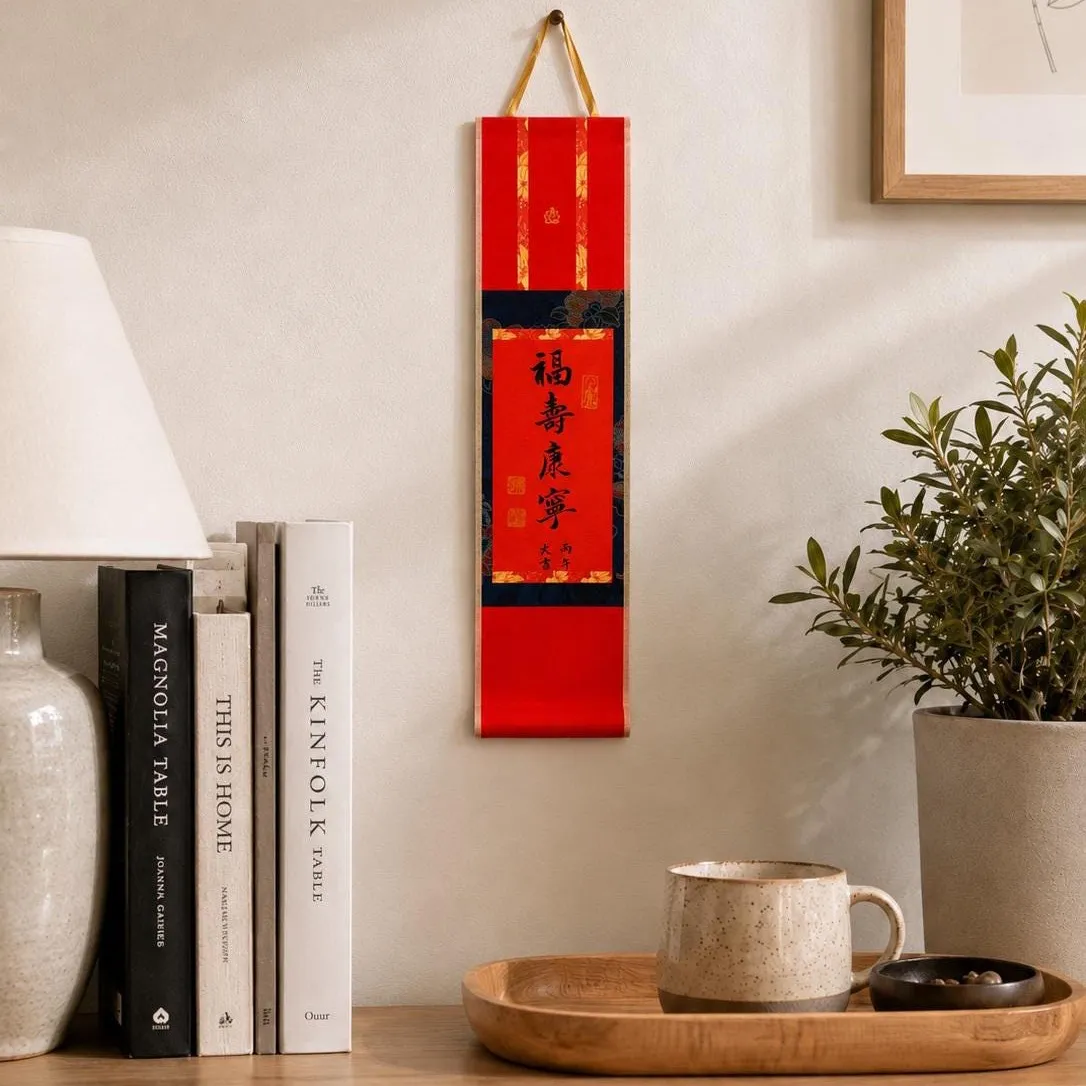
Photo shows a sample — yours will be brushed with 凝神入画, or any character you choose.
Wall Scroll — for walls & housewarmingsfrom $38→ -
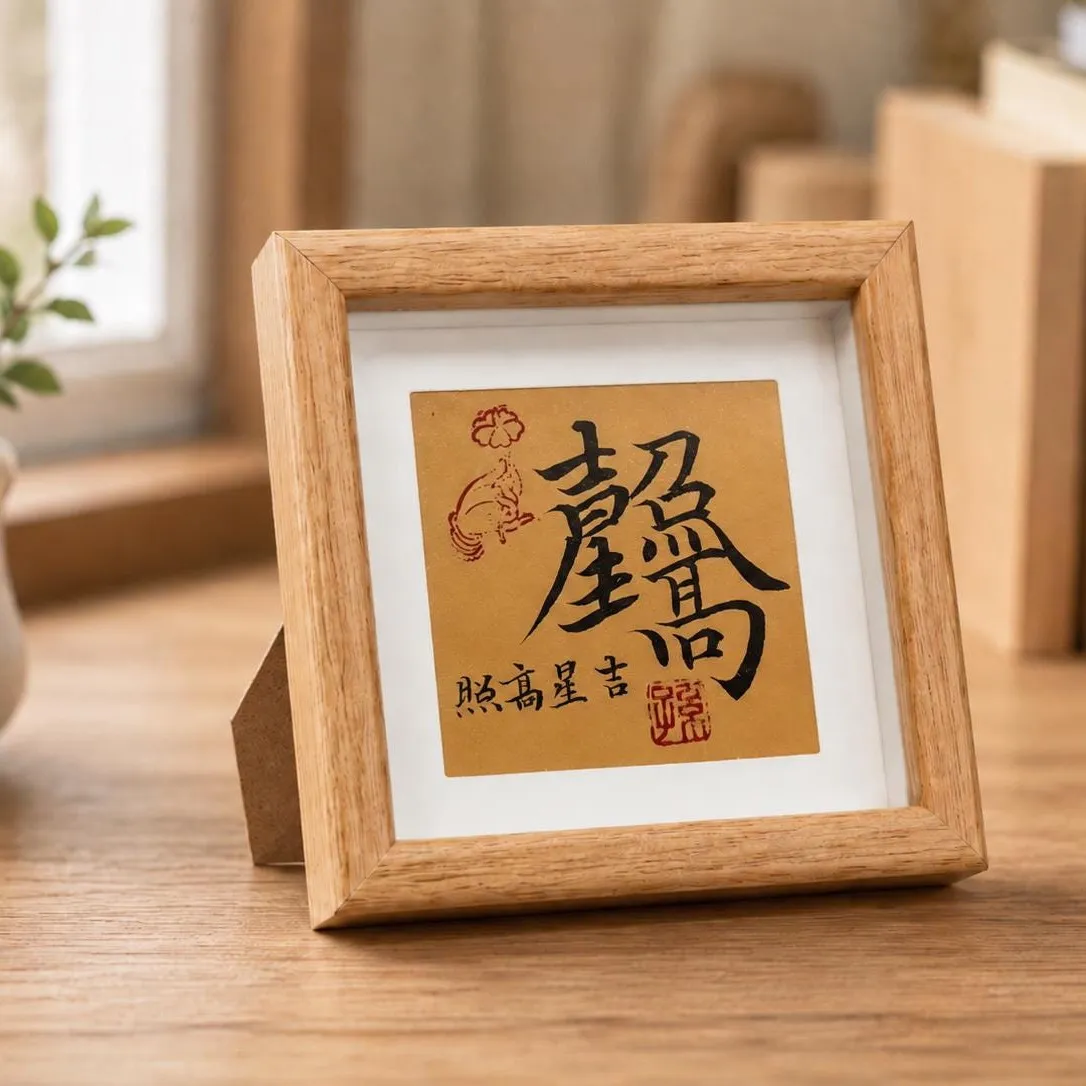
Photo shows a sample — yours will be brushed with 凝神入画, or any character you choose.
Desk Frame — for desks, studies & studiosfrom $44→ -
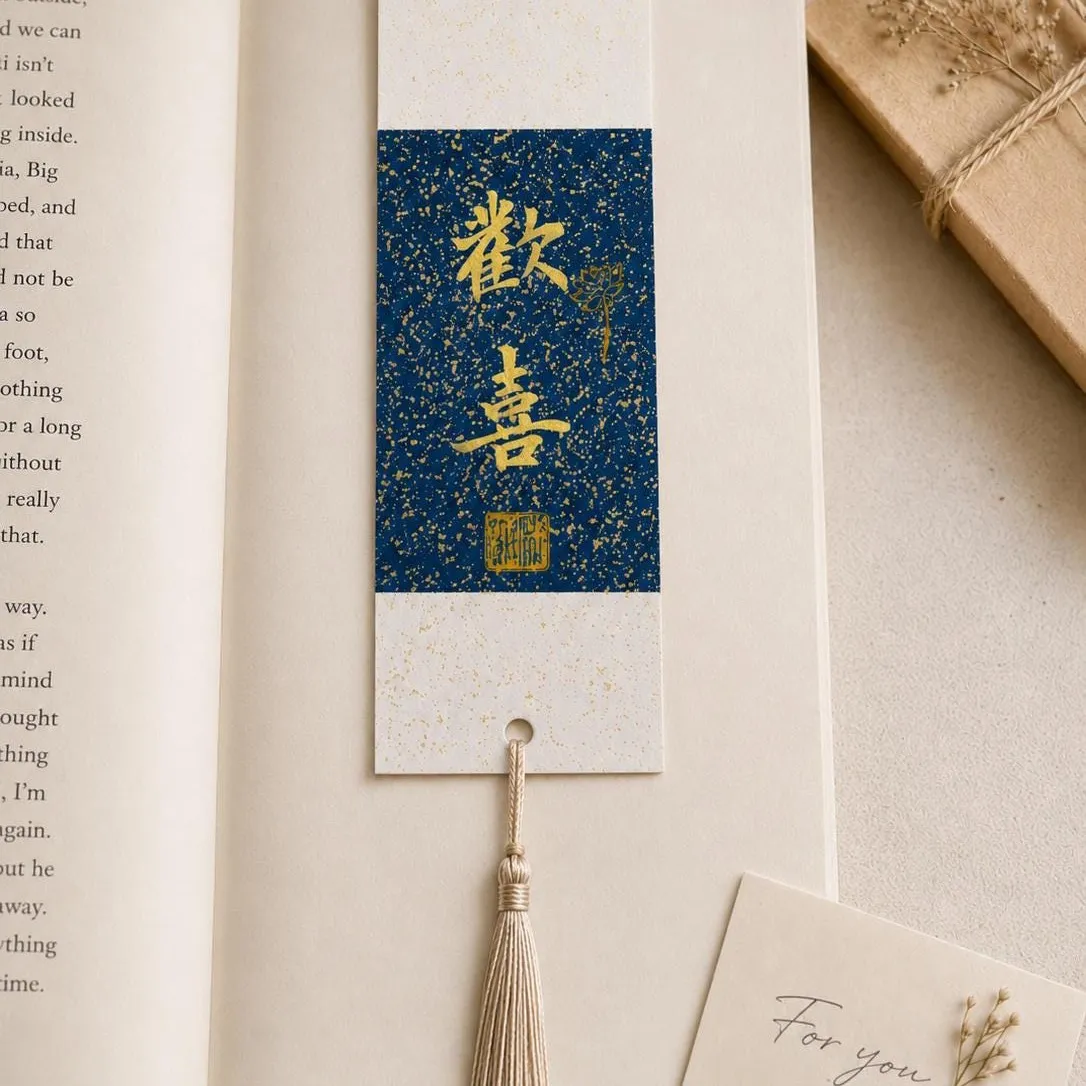
Photo shows a sample — yours will be brushed with 凝神入画, or any character you choose.
Bookmark — for readers & small thank-yousfrom $14→
What people said after it arrived.
-
The item is fantastic. The customer service was genuine. Thanks!
— M.Verified purchase · from our Etsy shop reviews · -
They were great they gave me exactly what I asked for and then some. Thank you!!
— G.Verified purchase · from our Etsy shop reviews · -
It is well designed and customized. My daughter loves it. Amazing gift for family’s d friends
— S.Verified purchase · from our Etsy shop reviews ·
Each "凝神入画" is hand-brushed by FuBlessings on rice paper.
See 凝神入画 (Níng Shén Rù Huà) on Etsy →