开卷有益 (kāi juǎn yǒu yì) — There Is Profit in Opening a Book
A 4-character phrase, not a single character.
开卷有益 makes a smaller and stranger claim than the other phrases given to students and workers. 前程似锦 describes the brilliant road ahead; 天道酬勤 promises that steady effort will be repaid; 勤 names the diligence itself. 开卷有益 asks for none of that. It sets no goal, requires no mastery, and names no exam. It says only that the act of opening a book — any book — returns something to the reader, and that the returning is reliable. The gain is not at the end of a course of study. It is in the opening.
This is why the characters end up brushed above desks, over the doors of reading rooms, and on the walls of people who never stopped reading after school ended. It is the phrase a parent uses to defend a child buried in novels, and the one a teacher writes for a graduate leaving the last exam behind — a reminder that the reading which counts most is the kind no one assigns. Its origin keeps that spirit: an emperor who read a thousand-volume encyclopedia through, three volumes a day, and called it not work but profit. The claim has always been that curiosity is its own reward, and that the reward compounds.
A hand-brushed “开卷有益” by Artist Lina Sun is for the reader in someone’s life — the graduate stepping past the world of required reading, the colleague whose curiosity never dimmed, the friend whose shelves keep outgrowing the room. It puts into ink a quiet, durable faith: that every book opened gives something back, that the years of reading add up to a way of seeing and even a way of carrying oneself, and that the habit is worth keeping for its own sake, long after anyone stops assigning it.
The Story Behind the Character
Emperor Taizong of Song set himself a reading schedule that would daunt most scholars: three volumes a day of the 《太平御览》, a thousand-volume encyclopedia he had commissioned to gather the knowledge of every book before him into a single work. On the days affairs of state kept him from it, he caught up in his spare time. His remark — recorded by the Song scholar 王辟之 in the 《渑水燕谈录》 — was a handful of characters that outlived the reign: 开卷有益,朕不以为劳也. There is profit in opening any book; I do not count it a labor.
The phrase is built from two verb-object pairs, and its force lies in what sits between them. 开卷 (kāi juǎn) means to open a volume — 卷 is the word that counts a fascicle, and the encyclopedia Taizong was reading, the 《太平御览》, was a paper 类书, not a roll of bamboo or silk. 开卷 is the act of opening a book to read. The character 益 began as a picture of water brimming over the rim of a vessel — Shuowen defines it as 饶也, abundance. 有益 states the plain result: there is gain. Set the two pairs side by side with nothing between them, and the grammar makes a conditional promise: perform the first act, and the second follows. Open a book — any book — and something is added to you.
What began as a remark about one encyclopedia widened into a defense of reading itself. 开卷 does not specify a worthy book or a fixed course of study; it covers the casual, aimless, curiosity-led reading that a stricter culture might call a waste of time. That is the phrase's quiet radicalism, and it drew a famous caveat — later readers argued that a bad book could do harm, that not every scroll repays the opening. But the mainstream reading held, and 开卷有益 settled into the characters brushed above studies and reading-room doors across China: the encouragement to the student who reads outside the syllabus, and the answer to anyone who asks what a book without a purpose is good for.
Classical lines
- roughly 700 years
- c. 400 陶渊明《五柳先生传》
- 1061 苏轼《和董传留别》
- c. 1095 王辟之《渑水燕谈录·文儒》
开卷有益,朕不以为劳也。 There is profit in opening any book
I do not count it a labor. — The words of Emperor Taizong of Song, who read three volumes of a thousand-volume encyclopedia every day and made up the days he missed. 开卷有益,朕不以为劳也 is his own remark, not a reply to a courtier; the sentence became the phrase, and the phrase became a maxim for the reading life.
好读书,不求甚解;每有会意,便欣然忘食。 He loved to read, but never picked at every word; and each time something clicked, he would forget his meals for joy.
Tao Yuanming describing his own alter ego, the recluse who read for understanding rather than examination. It is the perfect gloss on 开卷有益: the gain is not mastery of the text but the click of meeting a mind on the page.
粗缯大布裹生涯,腹有诗书气自华。 Coarse silk and plain cloth wrap his whole life, yet with poems and books inside him, his bearing is splendid on its own.
Su Shi writing to a poor friend who owned nothing but what he had read. The couplet names the profit 开卷有益 promises: not wealth or rank, but a quality in a person that reading, and nothing else, puts there.
Why This Character Matters
The encyclopedia in the story owes the emperor its name. Compiled over seven years and originally titled 《太平总类》, it was renamed 《太平御览》 — 御览 meaning "read by the emperor" — precisely because Taizong read the whole thousand volumes through. The phrase 开卷有益 and one of the largest reference works in the Chinese tradition therefore come from the same reign and the same reading habit: a ruler who treated a book not as a labor but as a daily gain.
In ordinary use, 开卷有益 is the phrase a Chinese parent reaches for to defend a child caught reading novels instead of studying — the gentle argument that even "useless" reading builds something, that a mind is enlarged by what it wanders through as much as by what it is assigned. It is broader than 学 (study) and warmer than 勤 (diligence): where those name effort toward a goal, 开卷有益 blesses reading for its own sake, and trusts that the gain will show up later, in a turn of phrase, a steadier judgment, or the bearing 苏轼 saw in a friend who owned nothing but what he had read.
开卷有益 lands at the exact moment a graduate leaves the world of assigned reading for good — no more syllabus, no more exam converting a book into a grade.
- 开卷有益 lands at the exact moment a graduate leaves the world of assigned reading for good — no more syllabus, no more exam converting a book into a grade. Where 前程似锦 describes the road ahead and 天道酬勤 promises that effort will be repaid, 开卷有益 names the one habit worth carrying past the gates: keep opening books, because the reading that counts most from here on is the kind no one requires. The graduation gift that blesses not the credential just earned but the lifelong reading that has no finish line.
- For the birthday of a colleague, friend, or mentor whose curiosity has never gone quiet, 开卷有益 is recognition more than wish. It names the person whose shelves keep growing, who still reads outside their field for the pleasure of it — and says the thing that habit has always deserved to hear: that the reading was never idle, that every book opened has been quietly repaying them. Where 才华 names a talent already visible, 开卷有益 names the practice underneath it: a mind kept open, and rewarded for staying that way.
Looking for a name? See Western names written in Chinese →
-
What does 开卷有益 (kāi juǎn yǒu yì) mean?
开卷有益 (kāi juǎn yǒu yì) is a 4-character Chinese phrase for there is profit in opening a book. 开卷有益 makes a smaller and stranger claim than the other phrases given to students and workers. 前程似锦 describes the brilliant road ahead; 天道酬勤 promises that steady effort will be repaid; 勤 names the diligence itself. 开卷有益 asks for none of that. It sets no goal, requires no mastery, and names no exam. It says only that the act of opening a book — any book — returns something to the reader, and that the returning is reliable. The gain is not at the end of a course of study. It is in the opening. The encyclopedia in the story owes the emperor its name. Compiled over seven years and originally titled 《太平总类》, it was renamed 《太平御览》 — 御览 meaning "read by the emperor" — precisely because Taizong read the whole thousand volumes through. The phrase 开卷有益 and one of the largest reference works in the Chinese tradition therefore come from the same reign and the same reading habit: a ruler who treated a book not as a labor but as a daily gain.
-
What occasions is 开卷有益 given for?
开卷有益 is traditionally given for Graduation, Birthday. 开卷有益 lands at the exact moment a graduate leaves the world of assigned reading for good — no more syllabus, no more exam converting a book into a grade. Where 前程似锦 describes the road ahead and 天道酬勤 promises that effort will be repaid, 开卷有益 names the one habit worth carrying past the gates: keep opening books, because the reading that counts most from here on is the kind no one requires. The graduation gift that blesses not the credential just earned but the lifelong reading that has no finish line. For the birthday of a colleague, friend, or mentor whose curiosity has never gone quiet, 开卷有益 is recognition more than wish. It names the person whose shelves keep growing, who still reads outside their field for the pleasure of it — and says the thing that habit has always deserved to hear: that the reading was never idle, that every book opened has been quietly repaying them. Where 才华 names a talent already visible, 开卷有益 names the practice underneath it: a mind kept open, and rewarded for staying that way.
-
Who brushes the 开卷有益 calligraphy?
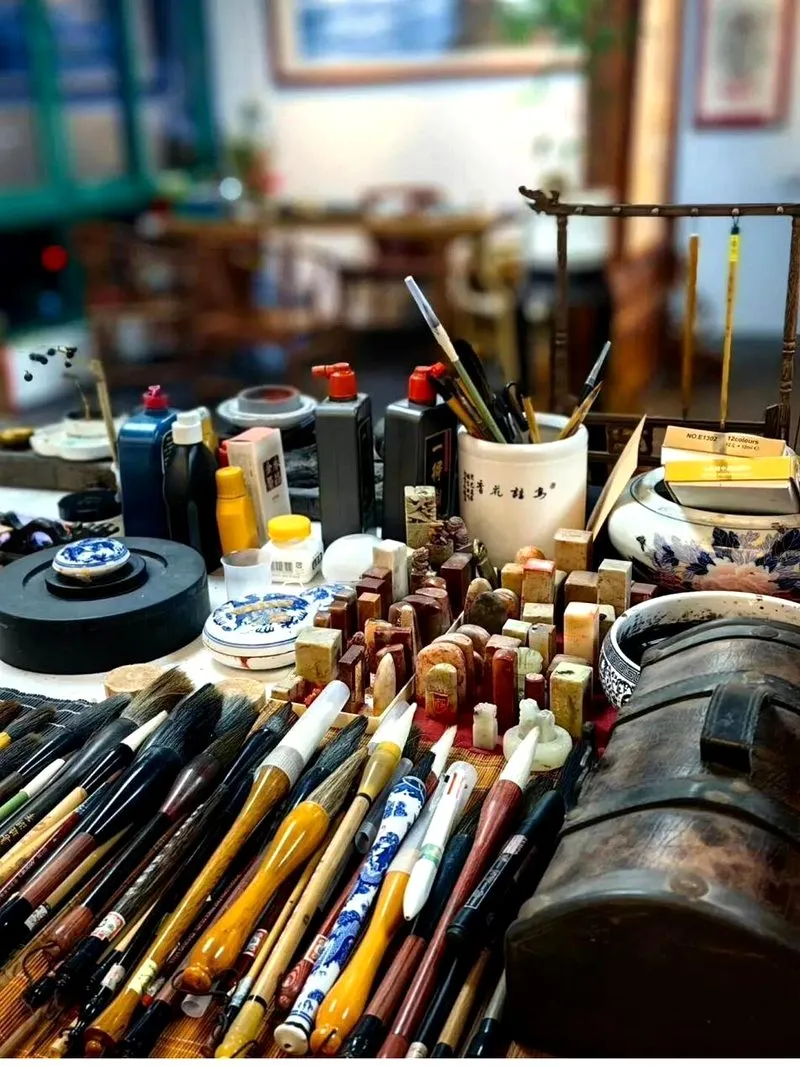
Each 开卷有益 (Kāi Juǎn Yǒu Yì) is hand-brushed to order by Artist Lina Sun in ink on rice paper — never printed, never repeated.
Bring 开卷有益 home — choose how you'd like it brushed.
-
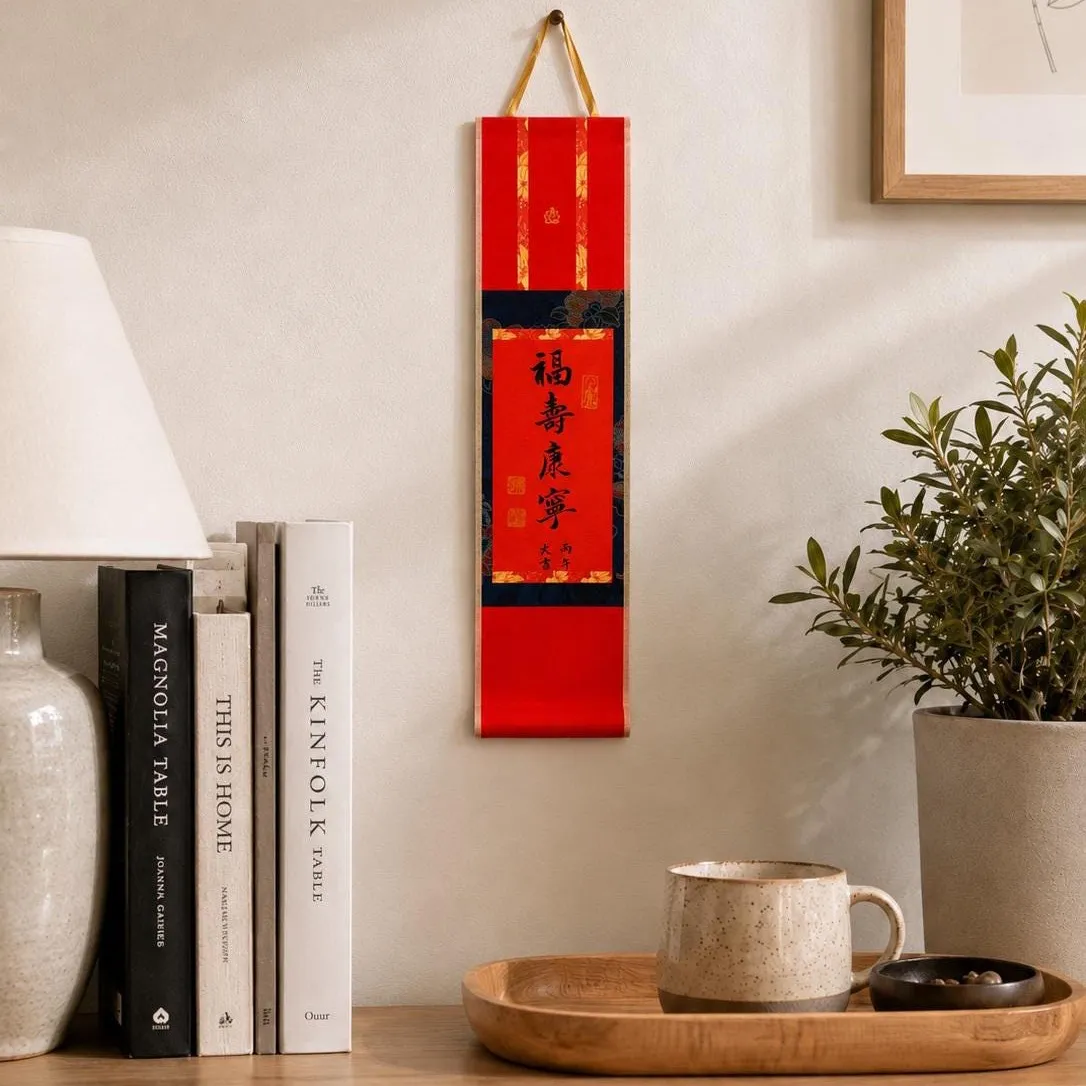
Photo shows a sample — yours will be brushed with 开卷有益, or any character you choose.
Wall Scroll — for walls & housewarmingsfrom $38→ -
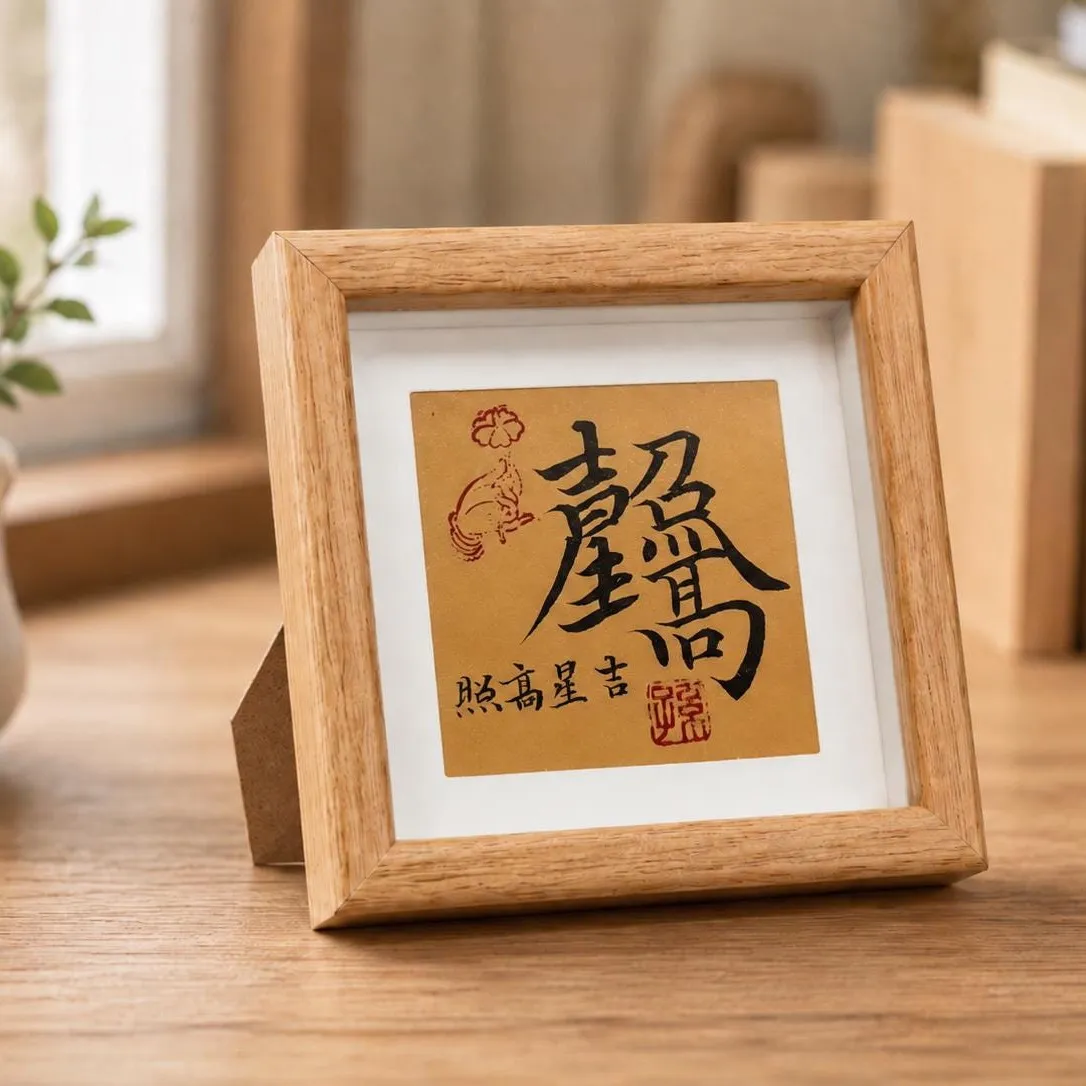
Photo shows a sample — yours will be brushed with 开卷有益, or any character you choose.
Desk Frame — for desks, studies & studiosfrom $44→ -
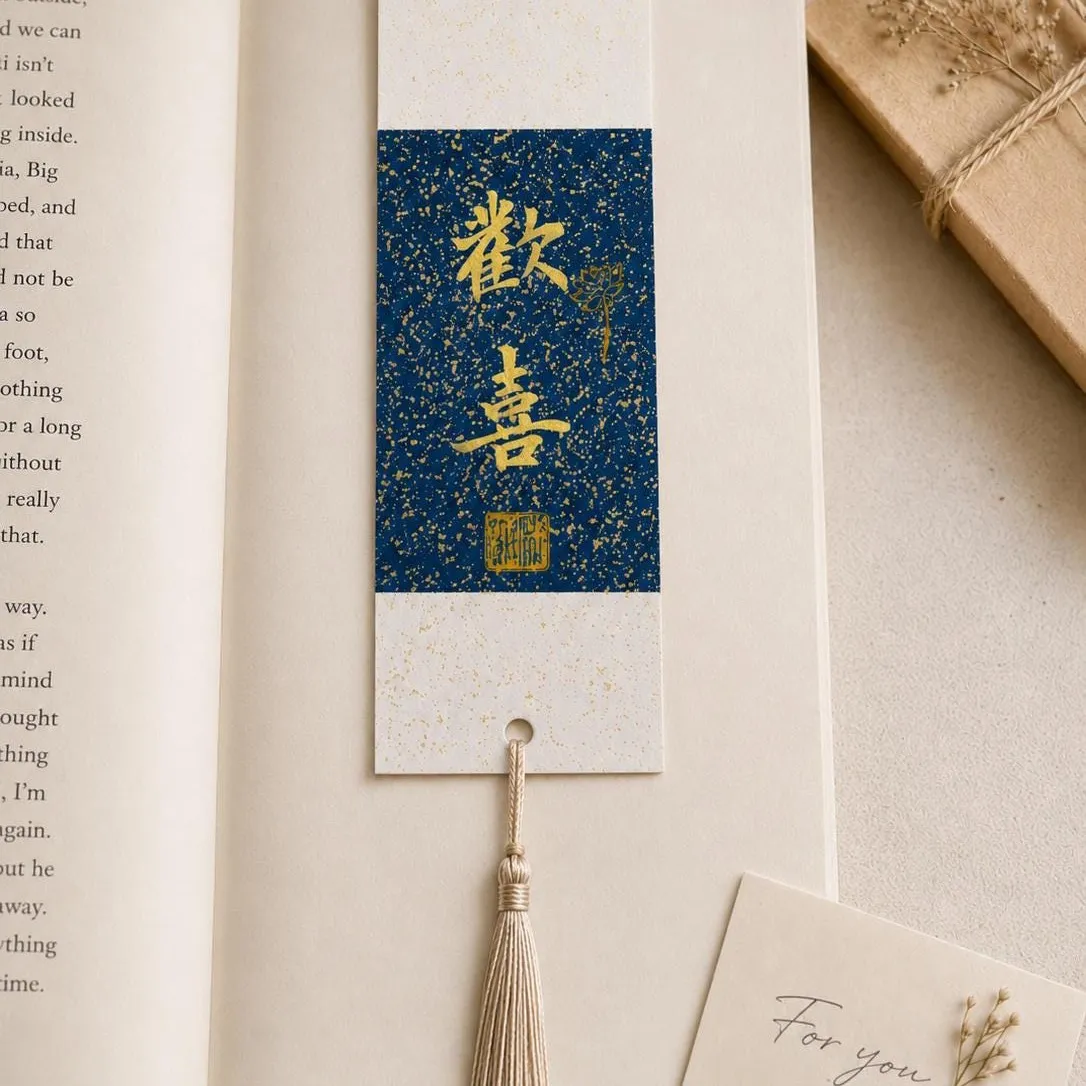
Photo shows a sample — yours will be brushed with 开卷有益, or any character you choose.
Bookmark — for readers & small thank-yousfrom $17→
What people said after it arrived.
-
The item is fantastic. The customer service was genuine. Thanks!
— M.Verified purchase · from our Etsy shop reviews · -
They were great they gave me exactly what I asked for and then some. Thank you!!
— G.Verified purchase · from our Etsy shop reviews · -
It is well designed and customized. My daughter loves it. Amazing gift for family’s d friends
— S.Verified purchase · from our Etsy shop reviews ·
Each "开卷有益" is hand-brushed by Artist Lina Sun on rice paper.
See 开卷有益 (Kāi Juǎn Yǒu Yì) on Etsy →