父爱如山 (fù ài rú shān) — A Father's Love Is Like a Mountain
A 4-character phrase, not a single character.
Among the ways to honor a father in Chinese, 父爱如山 is the one that names not a virtue but a shape. 德 names the moral character he accumulated; 伟 names the stature his life reached; 孝 names the debt the child owes back. 父爱如山 names something earlier and more bodily than any of these — the felt experience of having been raised under a particular kind of love: one you registered as weight and steadiness rather than words, a presence that held everything up and asked for no acknowledgment. It is a simile, not a verdict, and a child can understand it before understanding any of the virtues that produced it.
The phrase belongs to modern Chinese life, where it has become the standard language of Father’s Day — set beside 母爱如海 on cards and in compositions, the two images dividing the work of describing how parents love. A father’s love is cast as a mountain for the reason such love is often hard to see while you are living under it: it does not move, does not announce itself, and reveals its scale only when you step back far enough to take in the whole of it. The undemonstrative father who drives the long way with dumplings, who says little and waits up, is the figure the phrase exists to name — the same 含蓄的爱, love shown in action, that the single character 爱 carries in its oldest form. See 爱 →
A hand-brushed “父爱如山” by FuBlessings puts into ink the sentence a father’s love rarely gets said out loud. For Father’s Day or a milestone birthday, it is the gift that names the mountain directly — silent, immovable, and built grain by grain over decades — and tells the man at its center that the weight he carried without comment was seen all along.
The Story Behind the Character
It is not a classical set phrase. Search the dictionaries of 成语 and you will not find 父爱如山 — it has no entry, no traceable first appearance in a Tang poem or a Han history. The four characters crystallized in modern Chinese, in the essays, song lyrics, and Father's Day language of the last century, almost always as one half of a parallel: 父爱如山,母爱如水 (a father's love is like a mountain, a mother's like water), or 母爱如海 (like the sea). The pairing does the work. Water yields, surrounds, and is visibly tender; the mountain says nothing, moves for no one, and carries weight without announcing the effort. Two ways of loving the same child.
But the equation of father and mountain is not modern at all — only the four-character form is. The classical imagination had already assigned the mountain every quality the phrase needs. 山 was the image of steadfastness (安如泰山, settled as Mount Tai), of weight that matters (重于泰山, heavier than Mount Tai), of the lofty thing one looks up to and orients by (高山仰止), and of mass built silently from what it never turned away (泰山不让土壤). The earliest layer of Chinese poetry already put a son on a hillside, climbing high ground to gaze in the direction of his absent father. The modern phrase simply gathered a three-thousand-year-old association into one clean line.
Read structurally, 父爱如山 is the plainest grammar a blessing can have: subject (父爱, a father's love), comparison word (如, is like), image (山, a mountain). No verb of wishing, no auspicious omen, no classical allusion on the surface — just a simile a child can understand and an adult cannot say without feeling it. That bareness is the point. The phrase refuses to elaborate the father's love for the same reason the love itself refused to: some things are clearer when they are not explained. [See 爱 →](/library/ai/)
Classical lines
- roughly 350 years
- c. 600 BCE 《诗经·魏风·陟岵》
- c. 600 BCE 《诗经·小雅·车舝》
- 237 BCE 李斯《谏逐客书》
陟彼岵兮,瞻望父兮。父曰:嗟!予子行役,夙夜无已。 I climb that bare hill and gaze toward where my father is. My father once said: 'Alas
my son is off on service, day and night without rest.' — The earliest poem in Chinese literature to pair a hill with longing for a father: a son on a march climbs high ground to look back toward home, and what he remembers is not his father's love stated but his father's worry — the warning to take care of himself. The mountain and the father were joined in the same image long before anyone wrote 父爱如山.
高山仰止,景行行止。 The high mountain
we gaze up to it; the great road — we walk it. — Sima Qian quoted this line at the close of his life of Confucius: though one cannot reach the summit, the heart still turns toward it. The mountain is the thing you orient by precisely because it is higher than you and does not move. It is the exact role 父爱如山 assigns the father: the fixed high point a child looks up to and steers by, whether or not he ever arrives.
泰山不让土壤,故能成其大;河海不择细流,故能就其深。 Mount Tai refuses no clod of earth, and so attains its greatness; the rivers and seas turn away no small stream, and so reach their depth.
Li Si's image for how the immense is built: not by a single grand act but by never turning anything away. It is also the truest account of how a father's mountain is made — grain by grain, year by year, out of ten thousand small carryings no one counted, until the result looks like it was always simply there.
Why This Character Matters
The phrase almost never travels alone. In contemporary Chinese — on Father's Day cards, in school compositions, in the captions under family photographs — 父爱如山 arrives paired with its counterpart, 母爱如海 or 母爱如水, and the contrast is the whole meaning. A mother's love is rendered as water because it surrounds, adapts, and is openly felt; a father's as a mountain because it is registered as presence rather than expression — there, steady, load-bearing, and quiet about it. Neither image ranks the two loves; they name two different shapes the same devotion takes.
This maps onto something Chinese families recognize without needing it explained: 含蓄的爱, love that is held inside and shown through action rather than speech. The classic figure of the Chinese father is undemonstrative — he does not say the words, he drives the long distance, fixes the thing, sits up waiting, and turns the conversation to whether you have eaten. 父爱如山 is the phrase that finally says, on the child's behalf, what the father spent a lifetime declining to: that the silence was never absence, but the particular weight of a love built to be leaned on rather than heard.
父爱如山 is the phrase that names the form a father's love takes rather than naming a virtue he holds.
- 父爱如山 is the phrase that names the form a father's love takes rather than naming a virtue he holds. Where 德 names his accumulated character, 伟 names his stature, and 孝 names the child's debt back to him, 父爱如山 names the felt experience of being raised under that love: a presence you registered as weight and steadiness rather than words — silent, immovable, holding everything up. The most direct Father's Day gift for the father whose love was never said and never had to be.
- For a father's or grandfather's milestone birthday, when the gift should name the quality of a lifetime of love rather than wish him something forward. 父爱如山 names what the years have made undeniable: that his love was the fixed point the family oriented by — the high ground you looked up to and the mass that did not move. Unlike 长寿 (which wishes more years) or 伟 (which names stature), 父爱如山 names the love itself, in the one image Chinese culture has always reserved for the steadfast and the weight-bearing.
Dad · Grandparent · or yourself
Looking for a name? See Western names written in Chinese →
-
What does 父爱如山 (fù ài rú shān) mean?
父爱如山 (fù ài rú shān) is a 4-character Chinese phrase for a father's love is like a mountain. Among the ways to honor a father in Chinese, 父爱如山 is the one that names not a virtue but a shape. 德 names the moral character he accumulated; 伟 names the stature his life reached; 孝 names the debt the child owes back. 父爱如山 names something earlier and more bodily than any of these — the felt experience of having been raised under a particular kind of love: one you registered as weight and steadiness rather than words, a presence that held everything up and asked for no acknowledgment. It is a simile, not a verdict, and a child can understand it before understanding any of the virtues that produced it. The phrase almost never travels alone. In contemporary Chinese — on Father's Day cards, in school compositions, in the captions under family photographs — 父爱如山 arrives paired with its counterpart, 母爱如海 or 母爱如水, and the contrast is the whole meaning. A mother's love is rendered as water because it surrounds, adapts, and is openly felt; a father's as a mountain because it is registered as presence rather than expression — there, steady, load-bearing, and quiet about it. Neither image ranks the two loves; they name two different shapes the same devotion takes.
-
What occasions is 父爱如山 given for?
父爱如山 is traditionally given for Father's Day, Birthday. 父爱如山 is the phrase that names the form a father's love takes rather than naming a virtue he holds. Where 德 names his accumulated character, 伟 names his stature, and 孝 names the child's debt back to him, 父爱如山 names the felt experience of being raised under that love: a presence you registered as weight and steadiness rather than words — silent, immovable, holding everything up. The most direct Father's Day gift for the father whose love was never said and never had to be. For a father's or grandfather's milestone birthday, when the gift should name the quality of a lifetime of love rather than wish him something forward. 父爱如山 names what the years have made undeniable: that his love was the fixed point the family oriented by — the high ground you looked up to and the mass that did not move. Unlike 长寿 (which wishes more years) or 伟 (which names stature), 父爱如山 names the love itself, in the one image Chinese culture has always reserved for the steadfast and the weight-bearing.
-
Who brushes the 父爱如山 calligraphy?
FuBlessings hand-brushes each 父爱如山 (Fù Ài Rú Shān) to order, in ink on rice paper — never printed, never repeated.
Bring 父爱如山 home — choose how you'd like it brushed.
-
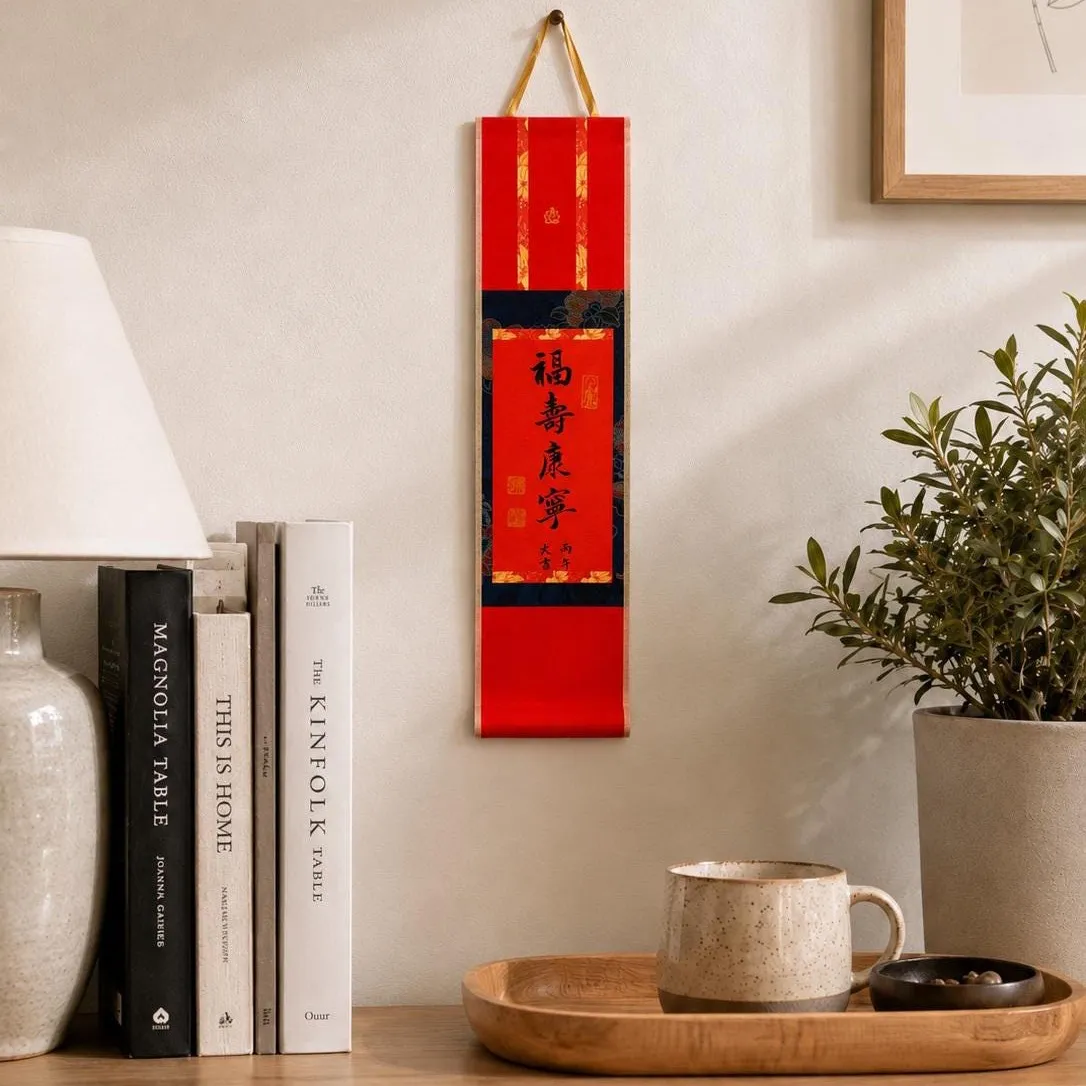
Photo shows a sample — yours will be brushed with 父爱如山, or any character you choose.
Wall Scroll — for walls & housewarmingsfrom $38→ -
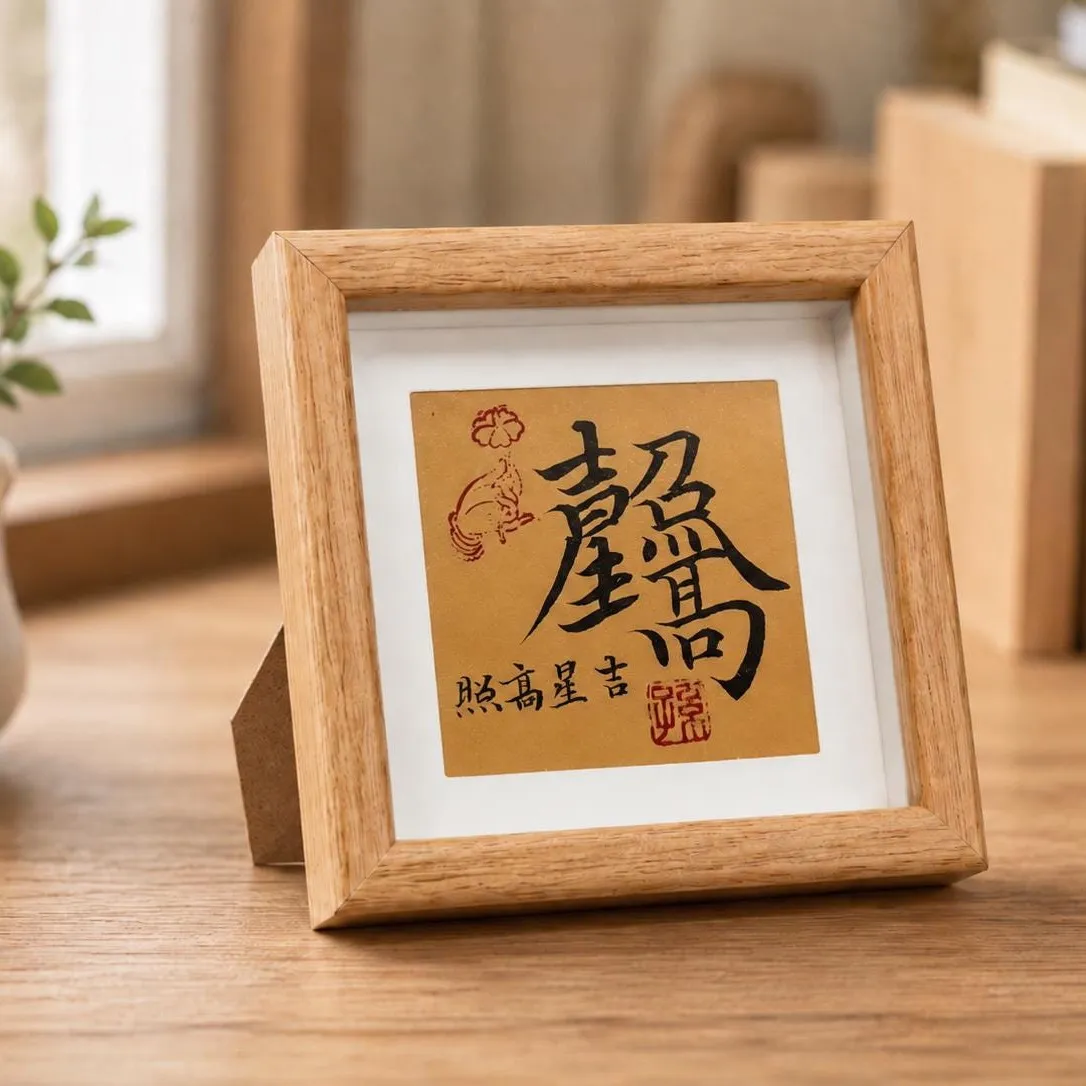
Photo shows a sample — yours will be brushed with 父爱如山, or any character you choose.
Desk Frame — for desks, studies & studiosfrom $44→ -
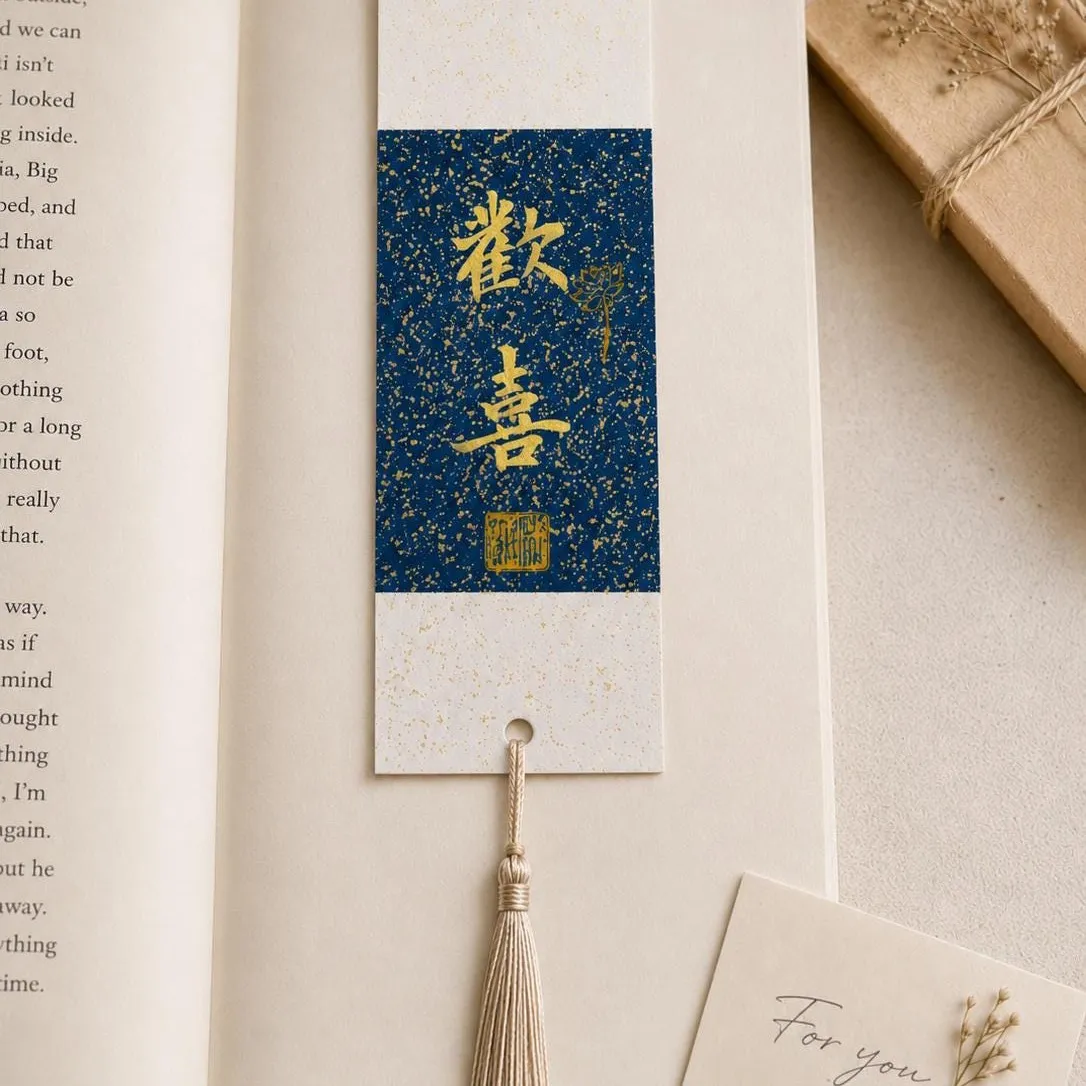
Photo shows a sample — yours will be brushed with 父爱如山, or any character you choose.
Bookmark — for readers & small thank-yousfrom $14→
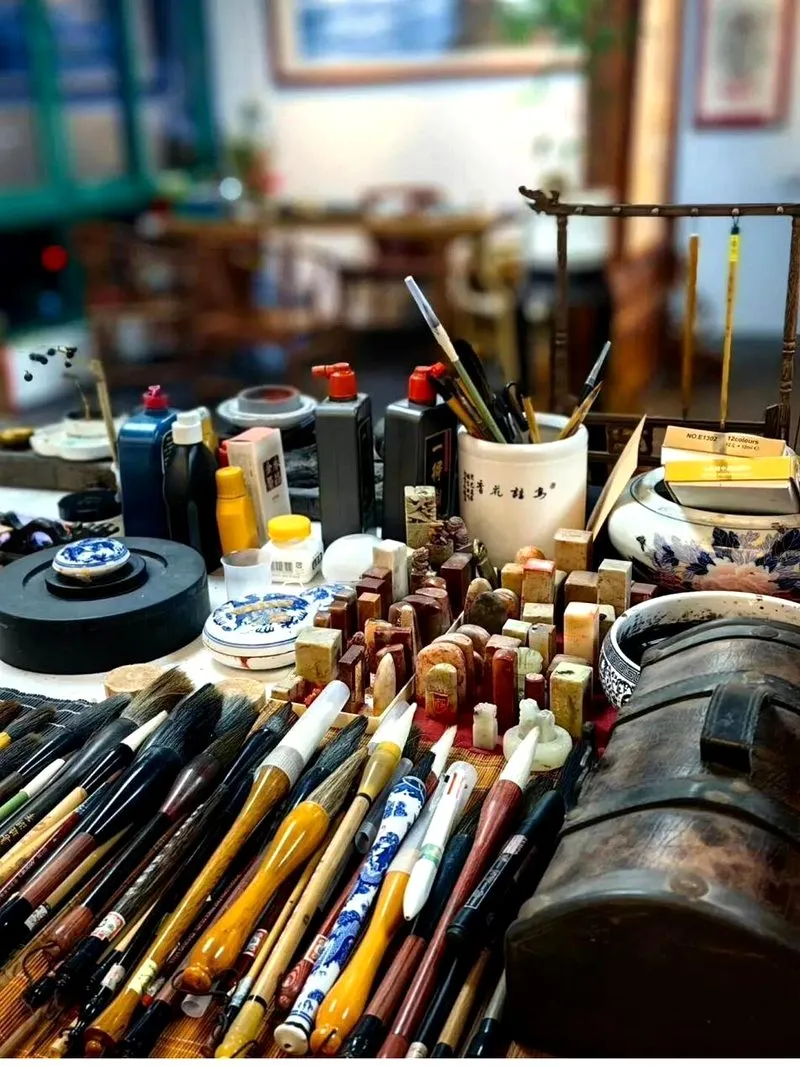
What people said after it arrived.
-
The item is fantastic. The customer service was genuine. Thanks!
— M.Verified purchase · from our Etsy shop reviews · -
They were great they gave me exactly what I asked for and then some. Thank you!!
— G.Verified purchase · from our Etsy shop reviews · -
It is well designed and customized. My daughter loves it. Amazing gift for family’s d friends
— S.Verified purchase · from our Etsy shop reviews ·
Each "父爱如山" is hand-brushed by FuBlessings on rice paper.
See 父爱如山 (Fù Ài Rú Shān) on Etsy →