端庄 (duān zhuāng) — Dignified Grace · Composed Bearing · Poise
A two-character word, not a single character.
端庄 is the word for dignity that is both upright and weighted. It takes 端 — the straight, correct line of a person’s bearing, uprightness you can actually see See 端 → — and adds the gravity of 庄, the composed seriousness that gives poise its heft. Neither ingredient is enough alone: uprightness without weight can be merely neat; weight without uprightness can be merely grave. 端庄 is the two together — a bearing that is proper and serious at once, settled rather than stern, dignified without a trace of stiffness.
In daily Chinese the word turns up wherever composure is being praised: 举止端庄, dignified in one’s manner; 端庄大方, dignified and gracious in the same breath. It names the mother who was the calm center of a household, the grandmother whose presence could quiet a room, the woman on a formal day carrying herself with poise. The classics gave the quality its warrant early — Confucius’s 临之以庄,则敬, that dignity draws respect on its own, and the Book of Songs’ portrait of a noblewoman, 委委佗佗,如山如河, stately and steady as a mountain and a river. The respect such bearing earns is never demanded; it simply follows the poise.
A hand-brushed “端庄” by FuBlessings is the gift for the woman whose dignity is the atmosphere around her — the mother, the grandmother, the wife whose composure carries its own quiet weight. It does not wish her fortune or long years; those are other characters. It names the rarer thing: a bearing held upright and self-possessed, gracious without being cold, and grown only more dignified with time.
The Story Behind the Character
For the whole of the Eastern Han, one common character could not be written. The surname 莊 had to be swapped for 嚴, so that whole families changed their name and even the philosopher 莊子 was recorded as 嚴子 — all because 莊 was the given name of Emperor Ming of Han, 劉莊, and a subject could not brush a ruler's name. The taboo reached the dictionaries: when Xu Shen compiled the Shuowen Jiezi (c. 100 CE), the entry for 莊 gave no definition at all, only the two words 上讳 — the reigning house's forbidden name. What the taboo guarded was a word already heavy with meaning. 莊 (simplified 庄), built on 壯 (robust) beneath the grass radical, named grave, weighted dignity — the solemn seriousness of 庄严 and 庄重, the bearing that makes a room go quiet.
端 supplies the other half, and a different kind of dignity: uprightness you can see [See 端 →](/library/duan/). Where 庄 is gravity, 端 is the straight, correct line of posture and conduct — proper, square, the same from every angle. Set together, the two make a complete picture that neither holds alone. 端 without 庄 could be merely neat and correct — proper, but light. 庄 without 端 could be merely grave — heavy, even forbidding. 端庄 is the pair held in balance: bearing that is both upright and weighted, correct and serious, composed without stiffness.
The classics had named each ingredient before the compound gathered them. Confucius described the power of 庄 alone — 临之以庄,则敬, preside over people with dignity and they grow reverent — while the Book of Rites opened with the composure, 俨若思, grave as though deep in thought. 端庄 fuses the two into a single word for a person's poise, and over the centuries it settled most often on a woman's bearing: 举止端庄, dignified in manner; 端庄大方, dignified and gracious at once. It is dignity that is settled rather than stern — steady as the noblewoman of the Book of Songs, 如山如河, like a mountain, like a river.
Classical lines
- roughly 500 years
- c. 600 BCE 《诗经·鄘风·君子偕老》
- c. 500 BCE 《论语·为政》
- c. 100 BCE 《礼记·曲礼上》
委委佗佗,如山如河,象服是宜。 Stately and composed, steady as a mountain, flowing as a river
the ceremonial robes become her. — One of the earliest portraits of a woman's dignified bearing in Chinese poetry, 委委佗佗 naming an unhurried, self-possessed grace. The poem also sets 端庄's quiet standard: it measures whether the poise on the outside is matched by worth within — dignity is meant to have substance behind it, not to be a pose.
临之以庄,则敬。 Preside over people with dignity, and they will be reverent.
Confucius's answer to a minister who asked how to win respect: not by demanding it, but by carrying oneself with 庄, grave and composed. It is the clearest classical statement that dignified bearing draws respect on its own — the reverence follows the poise, and never has to be asked for.
毋不敬,俨若思,安定辞。 Never be without reverence; be dignified as though in thought; let your speech be settled and calm.
The opening line of the classical manual of conduct, and a near-definition of 端庄 before the word existed. 俨若思 is the composure at its heart: a gravity that looks inward and unhurried, never anxious or on display — poise held from a settled center.
Why This Character Matters
端庄大方 is the four-character verdict an older generation reaches for when it approves of a young woman's bearing — dignified and gracious at once. The pairing is deliberate: 端庄 supplies the poise and 大方 (open, unstinting, at ease) keeps it from tipping into coldness, so the phrase names a dignity that is warm and welcoming rather than aloof. To be called 端庄大方 is to be found composed without being stiff, gracious without being loose — the rare middle a great deal of Chinese ideas about deportment aim for.
The word draws a careful line on either side. 端庄 is not 拘谨 — its composure is ease, not the tension of someone braced and inhibited; and it is not the chill of 高冷 — its gravity comes from being settled in oneself, not from holding others at a distance. That settledness is why 端庄 reads so naturally across the female line of a family: it is the standard for a bride on a formal day, but it fits a mother and a grandmother even better, because it is a bearing that tends to deepen with the years rather than fade — dignity earned and grown into, not merely worn.
For the mother whose composure was the weather of the home — unflustered, dignified, the steady center everyone oriented to.
- For the mother whose composure was the weather of the home — unflustered, dignified, the steady center everyone oriented to. 端庄 names that bearing exactly: not warmth alone (慈) nor beauty (美) but the poised, self-possessed dignity that made a room settle when she walked into it. Most apt for the mother whose grace was quiet and carried its own weight.
- For the birthday of a woman — grandmother, wife, mother — whose dignity has only deepened with the years. 端庄 is bearing that is both upright and weighted: composed, gracious, settled in itself. Where 雅 names refinement and 温 names warmth, 端庄 names the poise that draws quiet respect without ever asking for it — the gift for the woman whose presence has always carried a still, dignified grace.
Mom · Wife · Grandparent · or yourself
Looking for a name? See Western names written in Chinese →
-
What does 端庄 (duān zhuāng) mean?
端庄 (duān zhuāng) is a two-character Chinese word for dignified grace, composed bearing, poise. 端庄 is the word for dignity that is both upright and weighted. It takes 端 — the straight, correct line of a person's bearing, uprightness you can actually see See 端 → — and adds the gravity of 庄, the composed seriousness that gives poise its heft. Neither ingredient is enough alone: uprightness without weight can be merely neat; weight without uprightness can be merely grave. 端庄 is the two together — a bearing that is proper and serious at once, settled rather than stern, dignified without a trace of stiffness. 端庄大方 is the four-character verdict an older generation reaches for when it approves of a young woman's bearing — dignified and gracious at once. The pairing is deliberate: 端庄 supplies the poise and 大方 (open, unstinting, at ease) keeps it from tipping into coldness, so the phrase names a dignity that is warm and welcoming rather than aloof. To be called 端庄大方 is to be found composed without being stiff, gracious without being loose — the rare middle a great deal of Chinese ideas about deportment aim for.
-
What occasions is 端庄 given for?
端庄 is traditionally given for Mother's Day, Birthday. For the mother whose composure was the weather of the home — unflustered, dignified, the steady center everyone oriented to. 端庄 names that bearing exactly: not warmth alone (慈) nor beauty (美) but the poised, self-possessed dignity that made a room settle when she walked into it. Most apt for the mother whose grace was quiet and carried its own weight. For the birthday of a woman — grandmother, wife, mother — whose dignity has only deepened with the years. 端庄 is bearing that is both upright and weighted: composed, gracious, settled in itself. Where 雅 names refinement and 温 names warmth, 端庄 names the poise that draws quiet respect without ever asking for it — the gift for the woman whose presence has always carried a still, dignified grace.
-
Who brushes the 端庄 calligraphy?
FuBlessings hand-brushes each 端庄 (Duān Zhuāng) to order, in ink on rice paper — never printed, never repeated.
Bring 端庄 home — choose how you'd like it brushed.
-
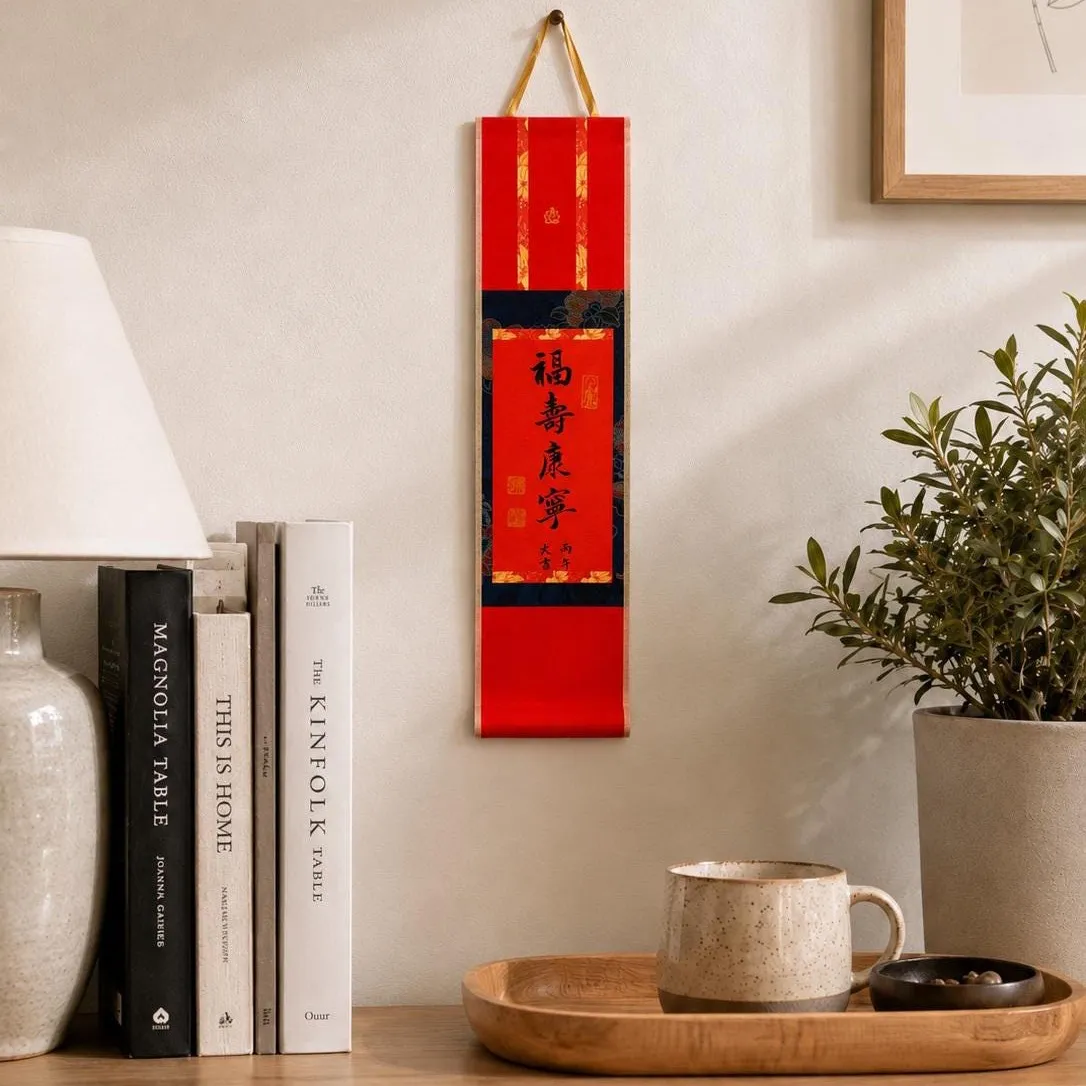
Photo shows a sample — yours will be brushed with 端庄, or any character you choose.
Wall Scroll — for walls & housewarmingsfrom $38→ -
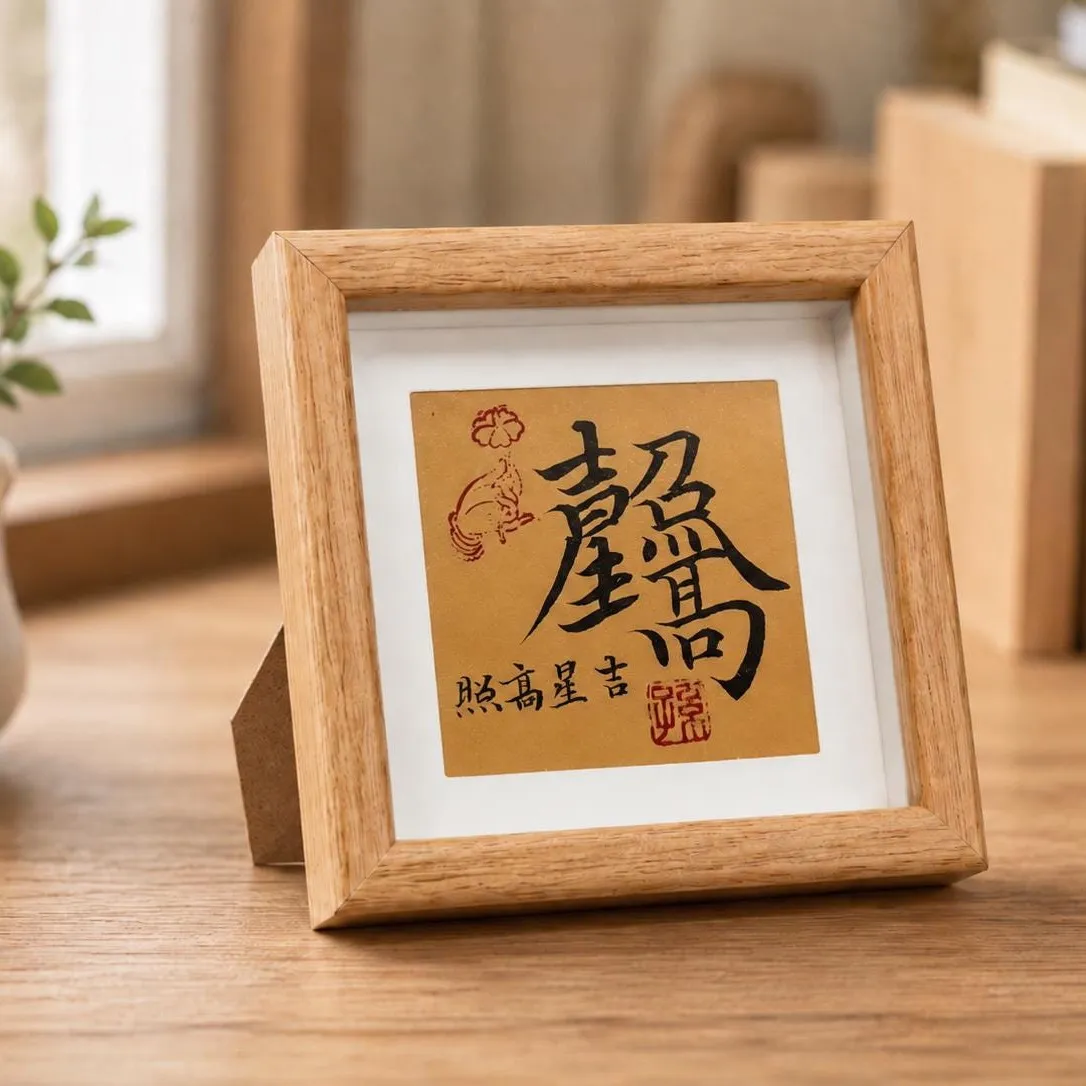
Photo shows a sample — yours will be brushed with 端庄, or any character you choose.
Desk Frame — for desks, studies & studiosfrom $44→ -
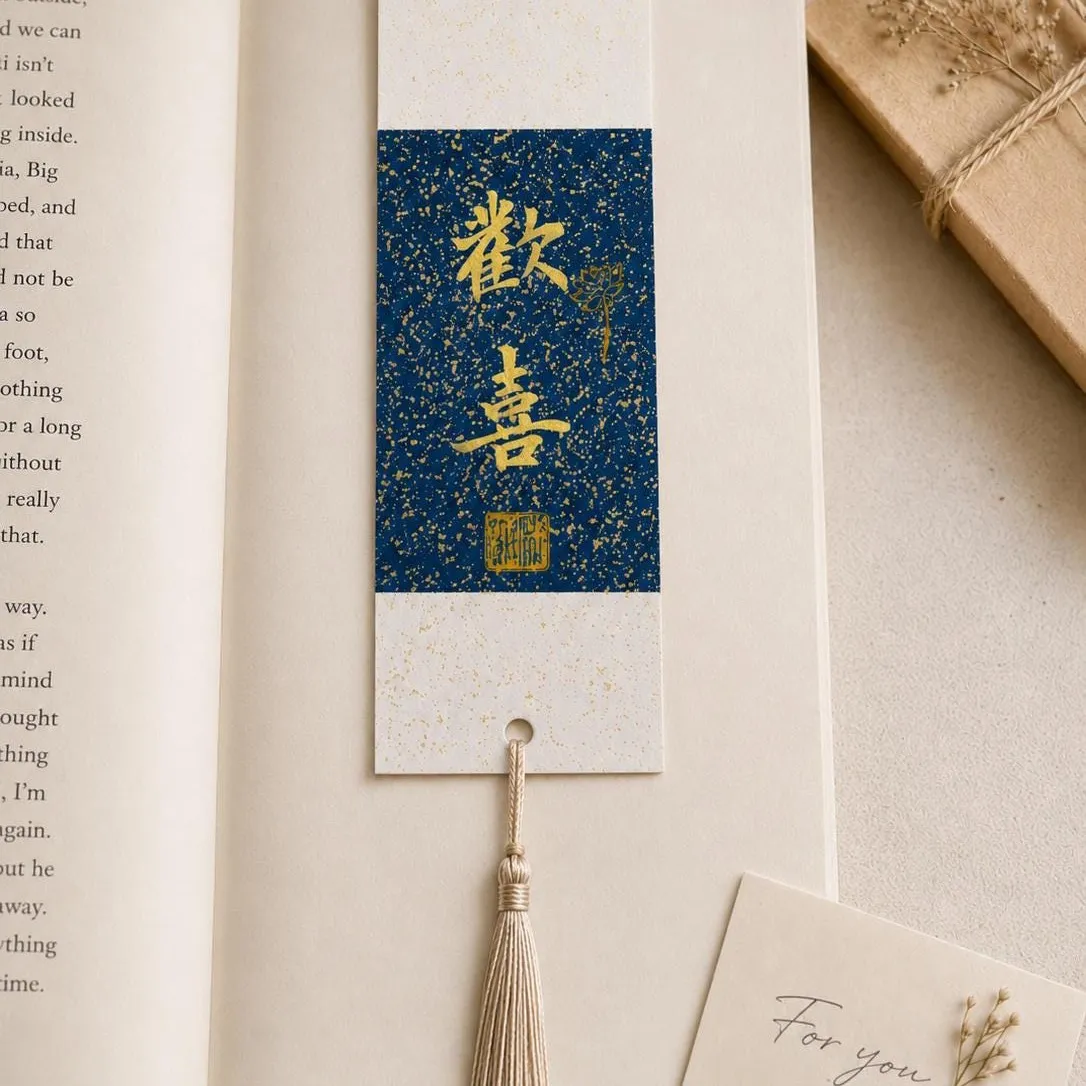
Photo shows a sample — yours will be brushed with 端庄, or any character you choose.
Bookmark — for readers & small thank-yousfrom $14→
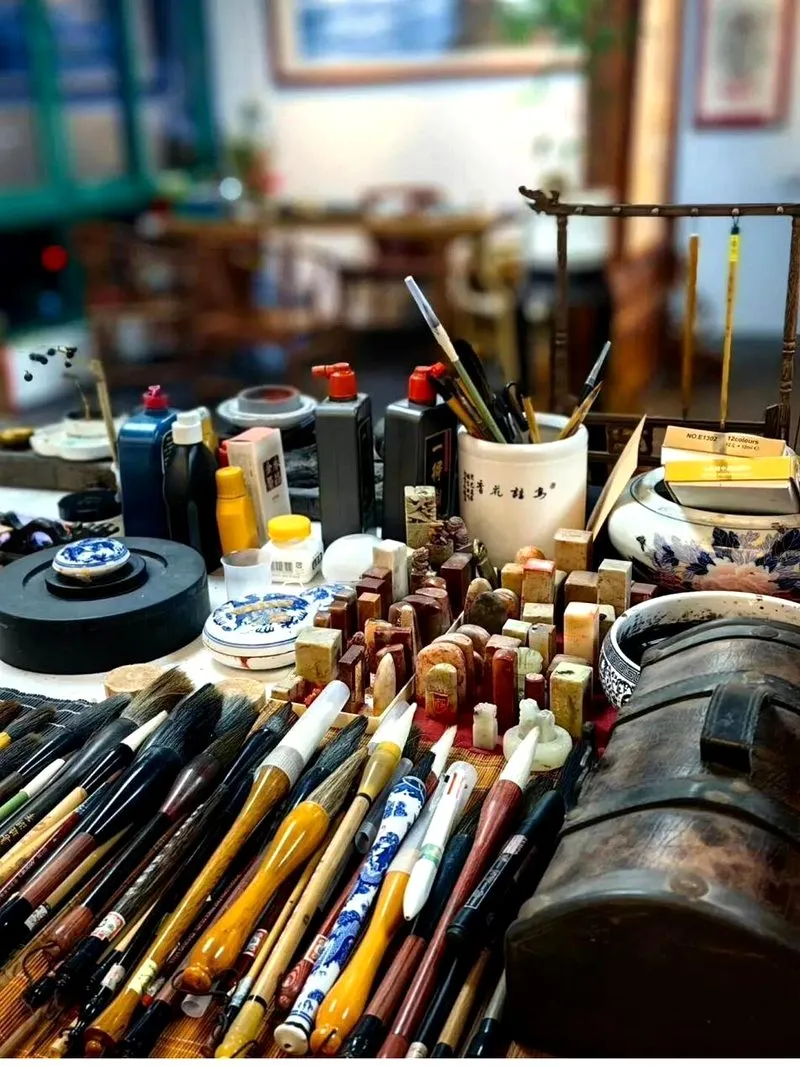
What people said after it arrived.
-
The item is fantastic. The customer service was genuine. Thanks!
— M.Verified purchase · from our Etsy shop reviews · -
They were great they gave me exactly what I asked for and then some. Thank you!!
— G.Verified purchase · from our Etsy shop reviews · -
It is well designed and customized. My daughter loves it. Amazing gift for family’s d friends
— S.Verified purchase · from our Etsy shop reviews ·
Each "端庄" is hand-brushed by FuBlessings on rice paper.
See 端庄 (Duān Zhuāng) on Etsy →