才华 (cái huá) — Talent · Brilliance · The Bloom of Natural Ability
A two-character word, not a single character.
才华 sits in a precise position in the recognition vocabulary. It is not 智 (applied judgment), not 明 (perceptual accuracy), not 德 (accumulated moral character), not 恒 (constancy). It names what Confucius pointed to when he said 才难: the specific natural endowment that makes a person’s work distinctively theirs — not just competent or even excellent, but bearing a quality that belongs to them. A colleague with 才华 solves problems in a way you recognize before you know who did it. A boss with 才华 runs a meeting in a way that clarifies things other discussions only obscure. A friend with 才华 finds the angle no one else found. It is not something they studied or decided to develop. It arrived with them.
才华横溢 — talent overflowing — remains the idiom for the person who has it in quantity. In professional contexts, being described as 有才华 is not the same as being praised for effort or competence; it is the recognition that the work has a quality beyond its technical execution. The compound appears in Chinese letters and recommendations wherever the standard vocabulary cannot reach the thing being named. It is also what Du Fu was describing when he wrote 读书破万卷,下笔如有神 — the condition in which accumulated learning has transformed into spontaneous, fluid expression that feels as if it comes from somewhere beyond ordinary effort.
A hand-brushed 才华 by FuBlessings gives that recognition a form: the character for the first push of natural growth beside the character for full bloom — the source and the expression together. For the colleague, friend, or boss whose work has had that quality, it is the gift that names the thing.
The Story Behind the Character
China's first dictionary, the Shuowen Jiezi (c. 100 CE), read 才 as a young plant breaking the ground line — the horizontal stroke is the earth's surface; the vertical is the first growth above it. The image may be schematic, but the reading captured something the Chinese character tradition had long understood about talent: it is not something built from the outside but something that emerges from within when conditions are right. The plant does not need to be told how to grow. It presses upward. Confucius named this quality in the Analects when he looked at the sage-king Shun's five ministers who had brought order to the world: 才难 — "talent is rare." He was not talking about intelligence or effort. He was pointing at the specific natural capacity that tips situations, the quality that makes one person capable of what many others, working just as hard, cannot produce.
华 (華 in traditional form) was a picture of flowers on a branch — the full bloom that comes when the tree's internal growth is complete enough to express outward. Its meaning carried this image through every use: brilliance, elegance, the civilizational flower that is the highest expression of cultivation. The Chinese name for China itself — 中华 (Zhōnghuá) — uses 华 for the same quality: not the country's power or geography but its accumulated cultural flowering. In 才华, 华 gives 才 its direction: natural ability in full expression, not latent.
Together the pair names the condition 才华横溢 describes — talent overflowing. The seedling pushing through the earth and the flower at the top of the branch: the complete arc from source to expression. In Tang dynasty literary culture, demonstrating 才华 meant producing something original and formally precise under social pressure — banquet verse, impromptu imperial responses, the regulated poetry of examinations. Not raw ability in isolation but talent performing under the constraint of form. This is still the benchmark. 才华 is what Confucius said was rare: the natural endowment that makes a person's work distinctively theirs.
Classical lines
- roughly 1,200 years
- c. 450 BCE 《论语·泰伯》
- c. 747 CE 杜甫《奉赠韦左丞丈二十二韵》
- c. 752 CE 李白《将进酒》
才难,不其然乎? Talent is rare
is it not so? — Confucius, reflecting on Shun's five ministers who together had governed the world. The rarity he named was not intelligence or diligence but something prior: the specific natural capacity that tips situations. One person with it could accomplish what many without it could not. The observation is still accurate, and still the reason 才华 commands the recognition it does.
天生我材必有用,千金散尽还复来。 Heaven gave me this talent for a purpose; ten thousand gold pieces scattered will return.
One of Tang poetry's most quoted lines. Li Bai uses 材 (the variant character for 才), asserting that natural endowment is never wasted — it presses outward until it finds consequence. The confidence is not arrogance but a statement about the nature of 才华: it does not stay latent when the conditions exist for it to show.
读书破万卷,下笔如有神。 Having read ten thousand volumes, when you write it is as if guided by the spirit.
Du Fu describing the condition in which 才华 becomes fully operational: learning so thoroughly absorbed that it produces spontaneous, fluent expression. 才华 is not what you study — it is what the study produces when it has gone deep enough to transform. Du Fu wrote this in his mid-30s, unemployed in Chang'an, at the beginning of his most important period. The line has been quoted for twelve centuries.
Why This Character Matters
才华横溢 — "talent overflowing" — is among the highest informal compliments in contemporary Chinese professional life. The idiom is physical: 横溢 means water overflowing its banks. Talent described this way is not merely present but excessive, pouring out into everything the person touches. The standard word for competence is 能力 (néng lì); 才华 is reserved for the case where competence has become something more particular and noticeable — where the work bears the unmistakable stamp of a specific person. It appears in recommendations, reviews, award citations, and eulogies wherever standard professional vocabulary cannot carry what needs to be said.
In Tang dynasty literary culture, 才华 was the defining quality of the literati ideal and the primary criterion for the imperial civil service examinations — specifically the jinshi examination, which tested the ability to compose regulated verse on a given theme in a timed setting. Candidates who demonstrated 才华 under examination pressure opened careers; those who could not, regardless of their other virtues or knowledge, failed. This gave Chinese high culture a specific, persistent understanding of 才华 as talent under constraint: not raw ability but the capacity to produce something original and formally excellent when the conditions are difficult. The most celebrated Tang poets — Du Fu, Li Bai, Wang Wei — became cultural standards against which all subsequent talent was measured.
At graduation, 才华 names the quality that formal education has not produced but may have finally released.
- At graduation, 才华 names the quality that formal education has not produced but may have finally released. A graduate's years of study have accumulated learning; 才华 names what emerges when that learning has gone deep enough to become something personal and distinctive. Unlike 德 (which names accumulated character) or 明 (which names perceptual clarity), 才华 is about the particular quality in a person's work — the bloom of what was already there, now visible enough to recognize. For the graduate whose work has had that quality.
- For a birthday when the gift should name not a quality to wish for but one to acknowledge. 才华 is the recognition gift for the colleague, friend, or boss whose presence in a room has a particular quality: the work they do, the ideas they bring, the way they handle a problem — all bearing the stamp of something that belongs distinctively to them. Not their diligence (恒), not their judgment (智), but the specific natural endowment that makes their work theirs. Given when the relationship is close enough to make this observation honestly.
Looking for a name? See Western names written in Chinese →
-
What does 才华 (cái huá) mean?
才华 (cái huá) is a two-character Chinese word for talent, brilliance, the bloom of natural ability. 才华 sits in a precise position in the recognition vocabulary. It is not 智 (applied judgment), not 明 (perceptual accuracy), not 德 (accumulated moral character), not 恒 (constancy). It names what Confucius pointed to when he said 才难: the specific natural endowment that makes a person's work distinctively theirs — not just competent or even excellent, but bearing a quality that belongs to them. A colleague with 才华 solves problems in a way you recognize before you know who did it. A boss with 才华 runs a meeting in a way that clarifies things other discussions only obscure. A friend with 才华 finds the angle no one else found. It is not something they studied or decided to develop. It arrived with them. 才华横溢 — "talent overflowing" — is among the highest informal compliments in contemporary Chinese professional life. The idiom is physical: 横溢 means water overflowing its banks. Talent described this way is not merely present but excessive, pouring out into everything the person touches. The standard word for competence is 能力 (néng lì); 才华 is reserved for the case where competence has become something more particular and noticeable — where the work bears the unmistakable stamp of a specific person. It appears in recommendations, reviews, award citations, and eulogies wherever standard professional vocabulary cannot carry what needs to be said.
-
What occasions is 才华 given for?
才华 is traditionally given for Graduation, Birthday. At graduation, 才华 names the quality that formal education has not produced but may have finally released. A graduate's years of study have accumulated learning; 才华 names what emerges when that learning has gone deep enough to become something personal and distinctive. Unlike 德 (which names accumulated character) or 明 (which names perceptual clarity), 才华 is about the particular quality in a person's work — the bloom of what was already there, now visible enough to recognize. For the graduate whose work has had that quality. For a birthday when the gift should name not a quality to wish for but one to acknowledge. 才华 is the recognition gift for the colleague, friend, or boss whose presence in a room has a particular quality: the work they do, the ideas they bring, the way they handle a problem — all bearing the stamp of something that belongs distinctively to them. Not their diligence (恒), not their judgment (智), but the specific natural endowment that makes their work theirs. Given when the relationship is close enough to make this observation honestly.
-
Who brushes the 才华 calligraphy?
FuBlessings hand-brushes each 才华 (Cái Huá) to order, in ink on rice paper — never printed, never repeated.
Bring 才华 home — choose how you'd like it brushed.
-
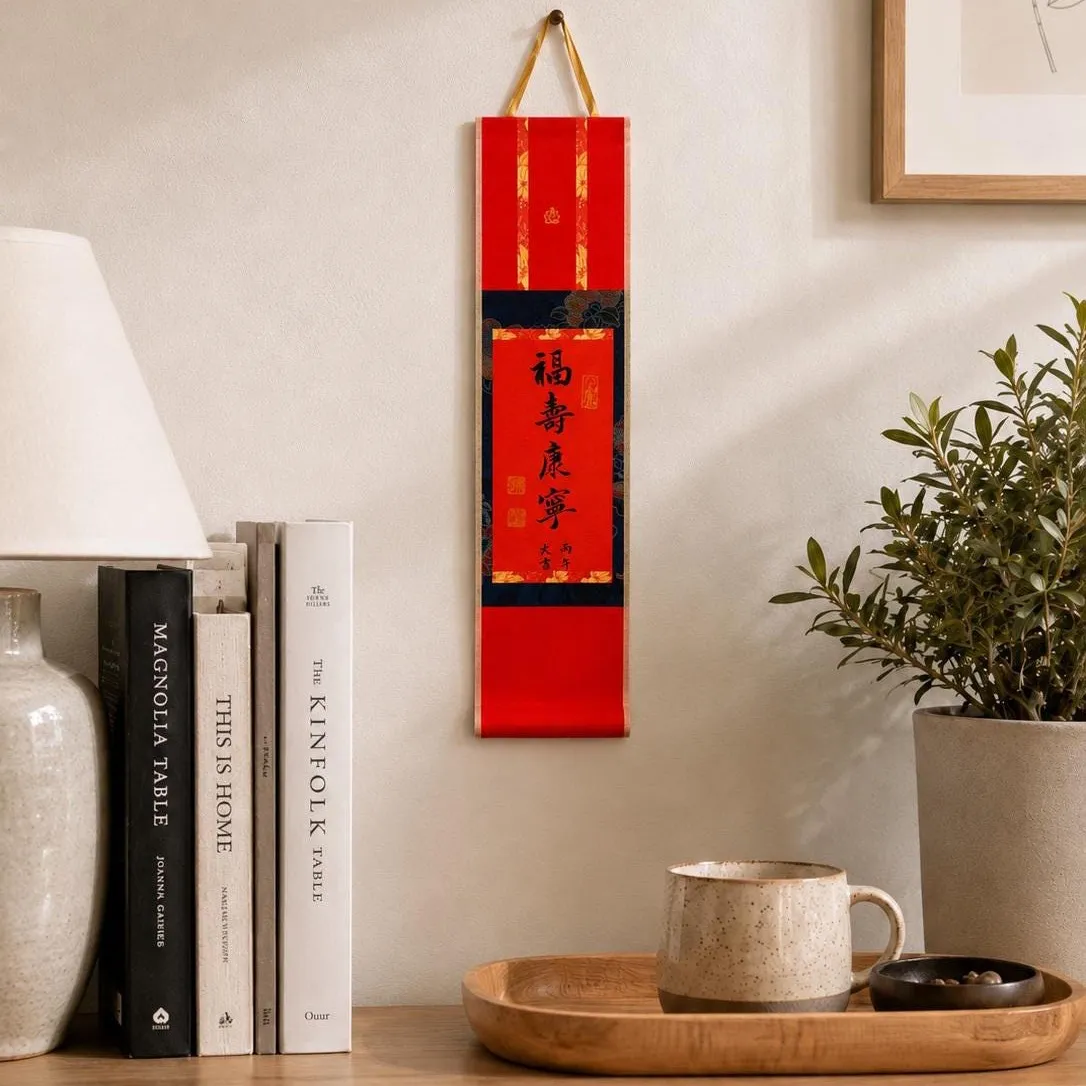
Photo shows a sample — yours will be brushed with 才华, or any character you choose.
Wall Scroll — for walls & housewarmingsfrom $38→ -
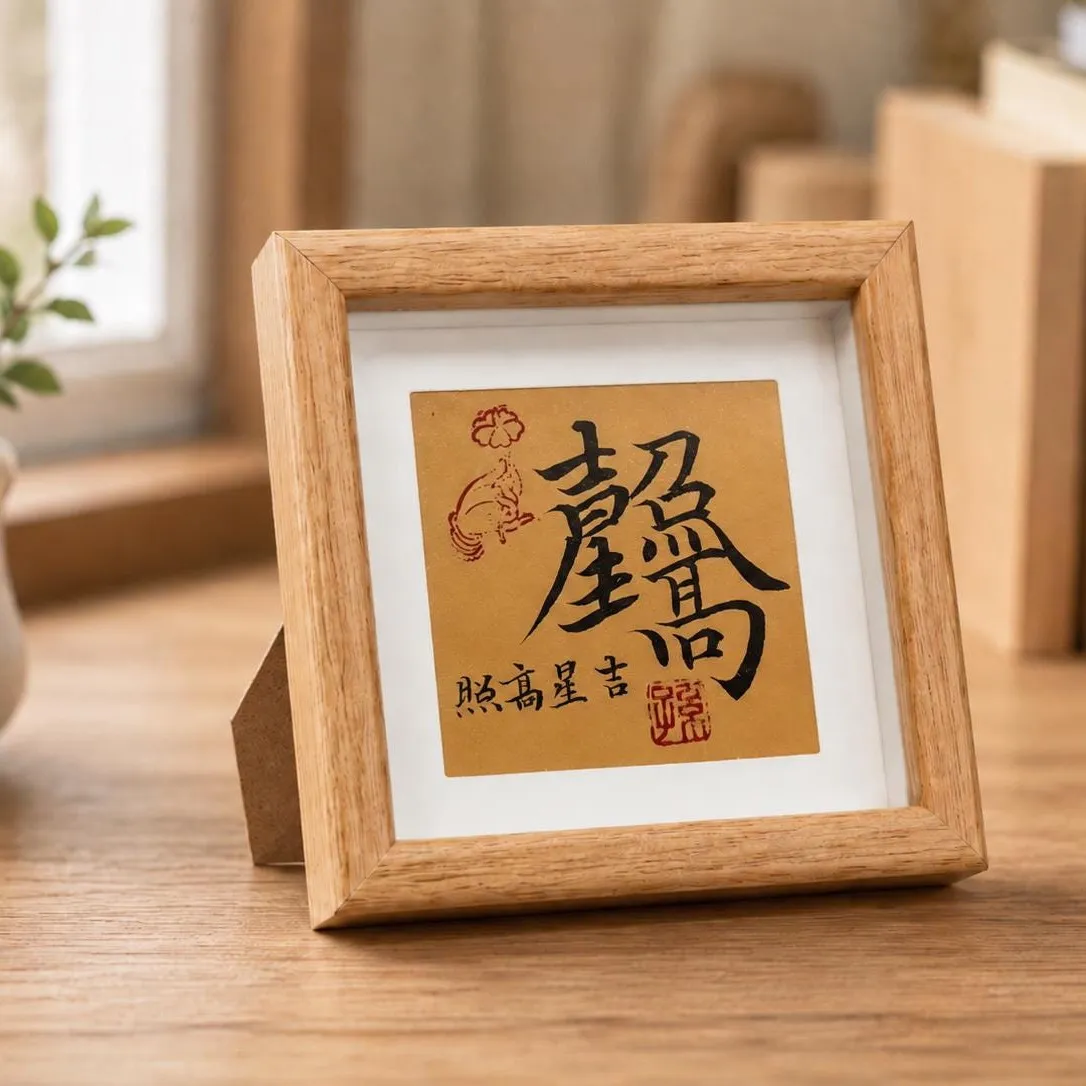
Photo shows a sample — yours will be brushed with 才华, or any character you choose.
Desk Frame — for desks, studies & studiosfrom $44→ -
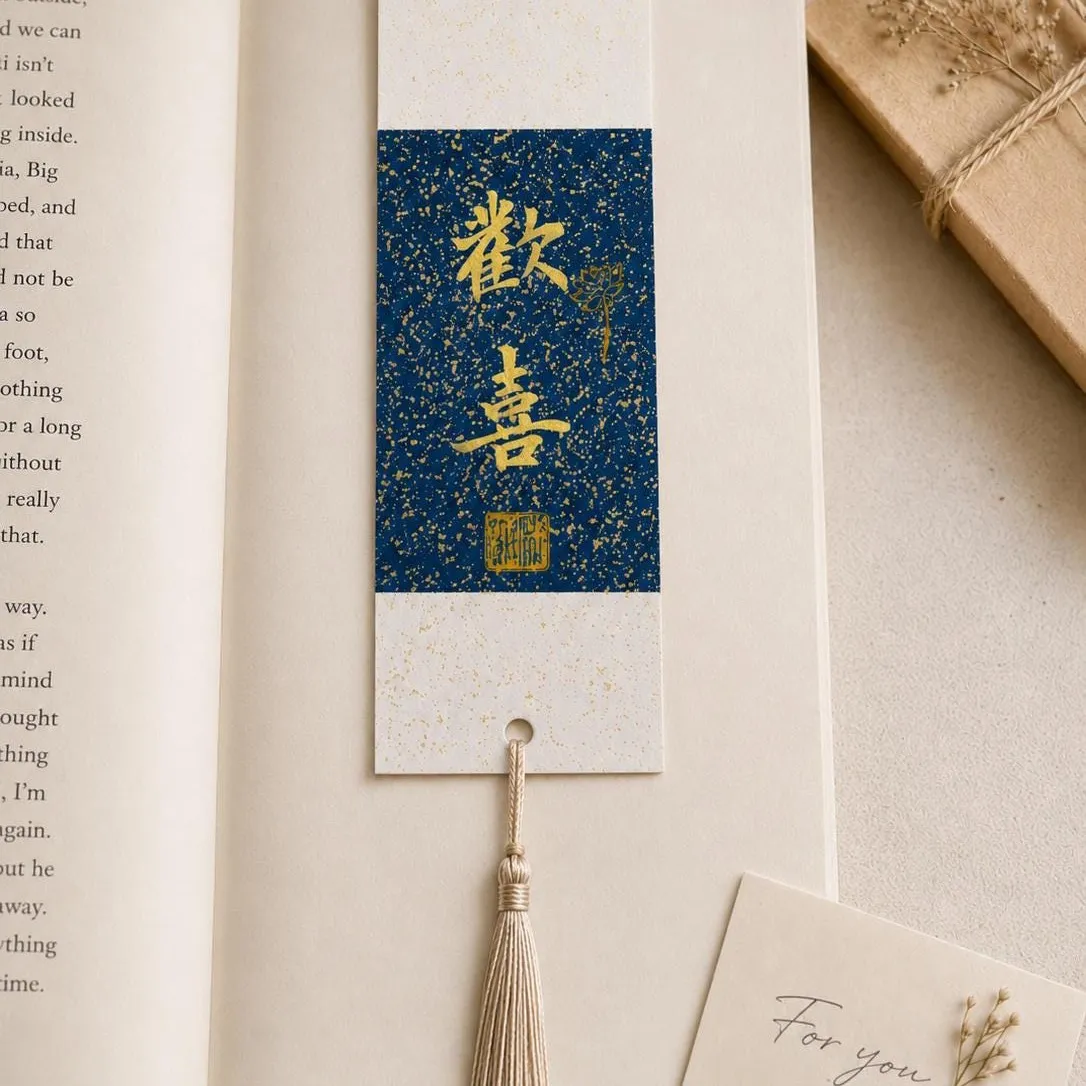
Photo shows a sample — yours will be brushed with 才华, or any character you choose.
Bookmark — for readers & small thank-yousfrom $14→
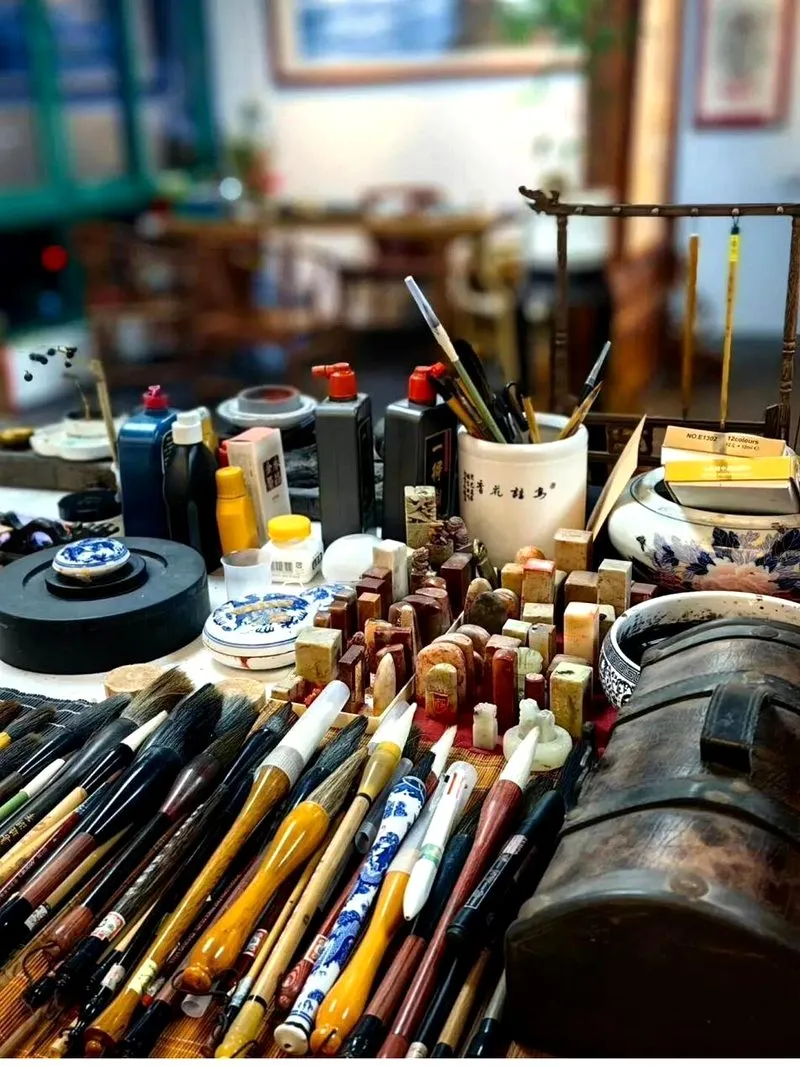
What people said after it arrived.
-
The item is fantastic. The customer service was genuine. Thanks!
— M.Verified purchase · from our Etsy shop reviews · -
They were great they gave me exactly what I asked for and then some. Thank you!!
— G.Verified purchase · from our Etsy shop reviews · -
It is well designed and customized. My daughter loves it. Amazing gift for family’s d friends
— S.Verified purchase · from our Etsy shop reviews ·
Each "才华" is hand-brushed by FuBlessings on rice paper.
See 才华 (Cái Huá) on Etsy →