畅 (chàng) — Unimpeded Flow · Free Expression · Ease Without Catch
A single character.
A conversation that never has to climb back out of an awkward silence is what Chinese calls 畅谈. The same character shows up when the chest feels 舒畅, when a road 畅通, when a stretch of writing is 流畅. What it names is not the road and not the destination. It is the unimpeded quality of the movement — nothing catching. China’s first dictionary filed an older shape, 畼, as 不生也; 段玉裁 already pointed at early lines where the word meant long or filled out, and by Song times writers were borrowing it for 通畅. The gift sense kept the free-flow half.
See 通 → is the channel open: a subway line that starts service, a phone call that got through. See 达 → is arrival at the far end. See 朗 → is the clear brightness of a sky or a temperament; Wang Xizhi’s Orchid Pavilion preface gives 朗 its weather and, in the same breath, lets 畅 name the free run of the breeze — and earlier, 畅叙幽情, deep feeling allowed to run. 畅 stays with that free-run job: talk, feeling, path.
A hand-brushed 畅 by FuBlessings is for someone whose company already runs that way. For a friend or best friend it credits the 畅谈 you do not have to manage. For a mother on Mother’s Day it wishes 舒畅 — days that do not catch — without turning the scroll into a medical order or a year-count. On a birthday it names the unimpeded presence you already know. It does not promise an easy year. It names flow.
- unimpeded flow — nothing catching in talk, feeling, or a path
- free expression — 畅叙 / 畅谈
- ease of the chest — 舒畅, 畅快
- a passage that runs — 畅通 (as quality of movement, not the road-noun)
- the channel being open That is closer to 通 — the road, the call that got through, the pipe cleared. 通 names the passage; 畅 names the unimpeded quality of what moves once the passage exists.
- arrival at the far end That is 达 — getting through to a destination or a person. 畅 does not ask whether you arrived; it asks whether the movement snagged.
- brightness / open sunny spirit That is 朗 — clear sky, frank temperament (开朗). The Lanting line pairs them (天朗…惠风和畅), but the jobs stay split: 朗 is the clear light; 畅 is the free run.
- smooth going as planned That is closer to 顺 — the year or venture unfolding without sideways turns. 畅 is not about the plan matching intent; it is about flow without catch.
The short arms are the point: these readings don’t reach it.
- 申 left side of modern 暢 / 畅 (historical replacement for 田)The Shuowen headword is 畼 with 田 as the meaning side. Later writing settles on 暢 with a left form related to 申. Do not teach '申 means explain, so 畅 means free speech' as historical analysis — that is a modern mnemonic, not Xu Shen's parse.
- 昜 sound component昜 (yáng) supplies the sound path toward chàng (丑亮切). Readers may also feel 'sun / brightness' in the graph; that feeling helps memory and is not the same as calling 昜 a meaning component for free flow.
character
- 畅谈 chàng tán to talk freely — conversation that runs without snagging
- 舒畅 shū chàng unobstructed ease — how the chest or the day feels when nothing is held up
- 畅快 chàng kuài brisk and unburdened — free, glad movement of mood
- 畅通 chàng tōng running freely through — a path, line, or system with nothing catching
- 通 tōng a dark row by sense. The channel open — road, call, connection — not the free-flow quality alone.
- 朗 lǎng a dark row by classical pairing. Brightness and open spirit; shares the Lanting weather sentence but not the free-expression job.
Cinnabar marks the characters 畅 actually contains. The dark row is a relative by meaning or by sound, not one shared stroke.
The Story Behind the Character
China's first dictionary does not file today's 畅 under that shape. The headword is 畼 — field beside 昜 — and the gloss is short: 不生也, not growing. 从田,昜声. 段玉裁 says the character people now write as 暢 is the clerical development of that graph, and he points at two early uses that already pull away from "not growing": 《诗经》文茵畅毂, where the Mao commentary reads 畅毂 as a long hub; and 《礼记·月令》命之曰畅月, where the note reads 畅 as 充, filled out. He calls the pattern 义之相反而相生 — senses that grow from an opposite. 徐铉, editing the same dictionary, complains that writers borrow 畼 for 通畅 and then invent the vulgar form 暢; by his day the living sense was already "open and running through."
The modern traditional graph 暢 keeps 昜 as the sound and replaces the field with a left side related to 申. Simplified 畅 compresses that further. What the living word measures is not growth in a field and not length of a hub. It is the quality of nothing catching: a road that 畅通, a conversation that 畅谈, a chest that feels 舒畅, a stretch of writing that is 流畅. Commerce borrowed it for 畅销 — goods that move freely — but the gift register stays with feeling and talk.
What the neighbors measure is adjacent and different. [See 通 →](/library/tong/) is the channel itself being open — a road, a call that got through. [See 达 →](/library/da/) is arrival at the far end. [See 朗 →](/library/lang/) is brightness and an open spirit under a clear sky; the same Lanting sentence that gave Chinese 惠风和畅 gave 朗 its most famous weather line, but 畅 there is the free run of the breeze, not the brightness. 畅 is the unimpeded quality of the movement — in talk, in feeling, in a path — once the channel exists.
Classical lines
- roughly 1,100 years
- c. 9th–7th c. BCE 《诗经·秦风·小戎》
- c. 3rd–1st c. BCE 《礼记·月令》
- 353 CE 王羲之《兰亭集序》
文茵畅毂,驾我骐馵。 Tiger-skin cushion, long hubs
I harness my piebald. — The Mao commentary glosses 畅毂 as a long hub (长毂也). 段玉裁 cites this line under 畼 to show an early sense of extension. The character that later names free flow starts here as something drawn out along the axle.
地气沮泄,是谓发天地之房,诸蛰则死,民必疾疫,又随以丧。命之曰畅月。 If the earth's qi leaks, that is called opening Heaven and Earth's chamber; the hibernating creatures die, the people fall ill, and death follows. They name this month the 畅 month.
Midwinter instructions to keep the ground closed. 郑玄 reads 畅 as 充: filled out inside. Duan cites the same line for the 'filled / extended' sense that grew beside the Shuowen's 'not growing.'
虽无丝竹管弦之盛,一觞一咏,亦足以畅叙幽情。 Though we lack the splendor of strings and pipes, one cup and one chant are still enough to let deep feeling run freely.
The Orchid Pavilion gathering on the third day of the third month. This is the living tip of the spear for 畅: free expression of what sits deep, without needing a full orchestra. (The next sentence's 惠风和畅 is already quoted under 朗 elsewhere in this library.)
Why This Character Matters
The compounds people actually say are ordinary. 畅谈 is the talk that never has to restart after a snag. 舒畅 is how the chest feels when nothing is held up. 畅快 is brisk and unburdened. 畅通 is a road or a line with nothing catching. None of these belong to a secret register. They are how Chinese describes free movement in conversation, feeling, and paths.
As a gift, 畅 makes an editorial claim: that someone's company, or someone's days, should run without catch. It is not a wealth wish and not a medical prescription. It is the word for unimpeded flow — for a friend you 畅谈 with, a best friend whose talk has always been free, a mother at Mother's Day when the honest wish is 舒畅 rather than another year-count.
畅 is everyday vocabulary in 畅谈, 舒畅, 畅快, 畅通, and 流畅. On skin it reads as a claim of free, unobstructed ease — someone or something that does not catch — and native readers usually take it positively.
Calligraphy Styles for Tattoos
- Regular script (楷书 kǎishū) Best for tattoos
Simplified 畅 is 8 strokes: a compressed left form related to 申 beside 昜. Regular script keeps the left tall and the sun-and-rays of 昜 readable. Traditional 暢 (14 strokes) needs more width — confirm which form the client wants.
- Running script (行书 xíngshū) Good for larger pieces
Running script can link the strokes of 昜 while leaving the left side distinct. At small sizes the right half is easy to blur into a generic sun-shape; ask for a sample at the intended size.
- Cursive script (草书 cǎoshū) Only with an expert calligrapher
Cursive compressions of 暢 vary. Without a calligrapher who keeps both halves legible, readers may recover only a vague 'sun' mass and miss the character.
Common Mistakes to Avoid
- 场 (chǎng) — earth radical beside 昜Intended: 畅 (chàng) — the 申-side form beside 昜
The two share 昜 and a similar romanization. 场 is a field or site; 畅 is unimpeded flow. Check the left side.
- 曲 (qū) — bent, as in 曲折Intended: 畅 as the opposite mood — free, not winding
Clients sometimes ask for 'the opposite of blocked' and get shown 曲 by mistake. Confirm the brief means free flow, not bend.
- Writing traditional 暢 when the client expected simplified 畅 (or the reverse)Intended: The form the client actually wants
Stroke counts differ (8 vs 14). Agree simplified vs traditional before inking.
Notes for Your Tattoo Artist
Simplified count is 8 strokes; traditional 暢 is 14. Confirm simplified vs traditional. No oracle-bone or bronze form is attested on Commons to borrow; do not present a seal form as oracle-bone script.
A few characters live near "畅" but mean something quieter, sharper, or more specific. Here's how to tell them apart.
unimpeded quality of movement — nothing catching
the channel itself open — road, call, connection
flow without snag along the way
arrival at the far end — effect rather than passage
free run of feeling or talk (畅叙、畅谈)
brightness and open spirit under a clear sky
A birthday can credit the person whose company never snags — the talk that runs, the room that feels open.
- A birthday can credit the person whose company never snags — the talk that runs, the room that feels open. 畅 names that unimpeded quality without promising the next year will be easy. For a friend or best friend whose 畅谈 you already trust, or a mother whose presence has been 舒畅 rather than dramatic. It is recognition of flow already shown, not a forecast.
- Mother's Day shelves already carry 孝 (the debt named), 康宁 (health and calm), and 长寿 (more years). 畅 is narrower: 舒畅 — the ease in which nothing in the day catches. It does not ask her to rest as a medical order, and it does not count years. For the mother whose gift should wish that her days run freely — talk, errands, the quiet Tuesday — without obstruction.
Friend · Mom · Best Friend · or yourself
Looking for a name? See Western names written in Chinese →
-
What does 畅 (chàng) mean?
畅 (chàng) is the Chinese character for unimpeded flow, free expression, ease without catch. A conversation that never has to climb back out of an awkward silence is what Chinese calls 畅谈. The same character shows up when the chest feels 舒畅, when a road 畅通, when a stretch of writing is 流畅. What it names is not the road and not the destination. It is the unimpeded quality of the movement — nothing catching. China's first dictionary filed an older shape, 畼, as 不生也; 段玉裁 already pointed at early lines where the word meant long or filled out, and by Song times writers were borrowing it for 通畅. The gift sense kept the free-flow half. The compounds people actually say are ordinary. 畅谈 is the talk that never has to restart after a snag. 舒畅 is how the chest feels when nothing is held up. 畅快 is brisk and unburdened. 畅通 is a road or a line with nothing catching. None of these belong to a secret register. They are how Chinese describes free movement in conversation, feeling, and paths.
-
What occasions is 畅 given for?
畅 is traditionally given for Birthday, Mother's Day. A birthday can credit the person whose company never snags — the talk that runs, the room that feels open. 畅 names that unimpeded quality without promising the next year will be easy. For a friend or best friend whose 畅谈 you already trust, or a mother whose presence has been 舒畅 rather than dramatic. It is recognition of flow already shown, not a forecast. Mother's Day shelves already carry 孝 (the debt named), 康宁 (health and calm), and 长寿 (more years). 畅 is narrower: 舒畅 — the ease in which nothing in the day catches. It does not ask her to rest as a medical order, and it does not count years. For the mother whose gift should wish that her days run freely — talk, errands, the quiet Tuesday — without obstruction.
-
Is 畅 a good Chinese tattoo?
畅 is everyday vocabulary in 畅谈, 舒畅, 畅快, 畅通, and 流畅. On skin it reads as a claim of free, unobstructed ease — someone or something that does not catch — and native readers usually take it positively.
-
Who brushes the 畅 calligraphy?
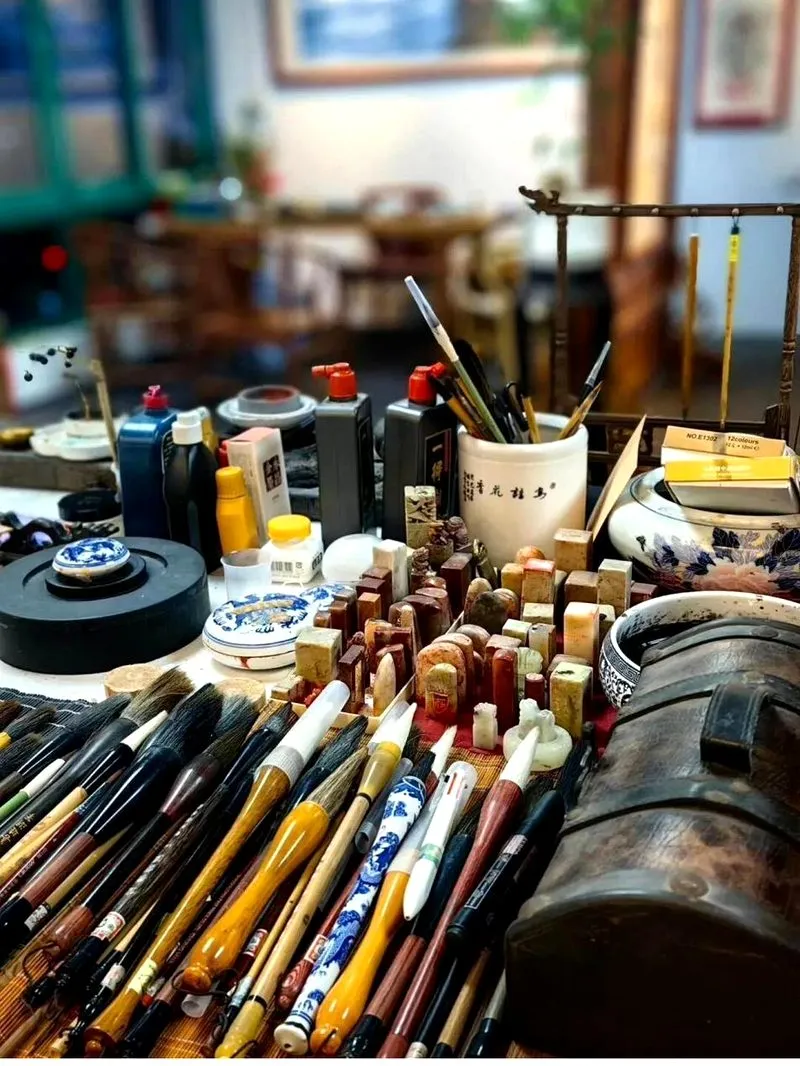
FuBlessings hand-brushes each 畅 (Chàng) to order, in ink on rice paper — never printed, never repeated.
Bring 畅 home — choose how you'd like it brushed.
-
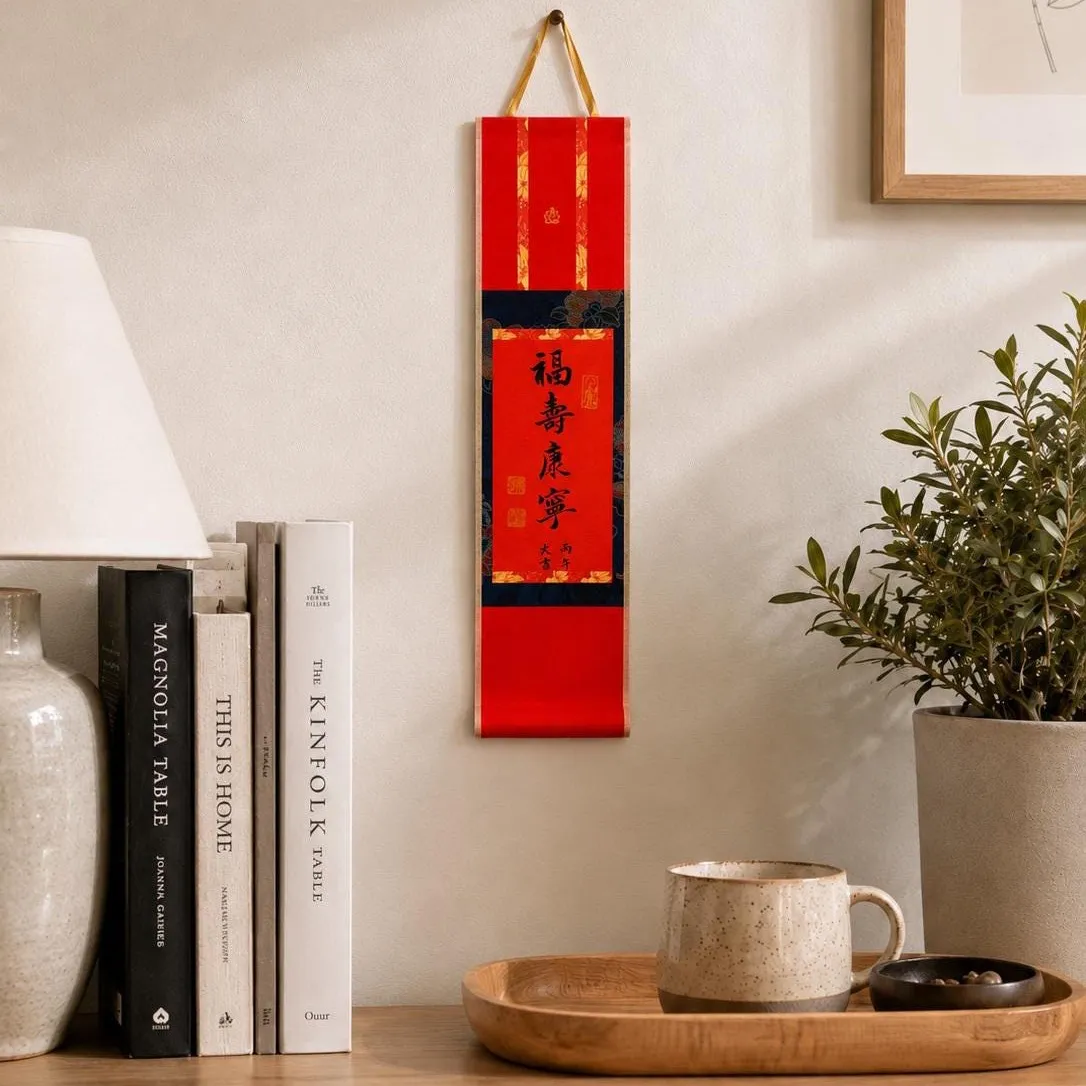
Photo shows a sample — yours will be brushed with 畅, or any character you choose.
Wall Scroll — for walls & housewarmingsfrom $38→ -
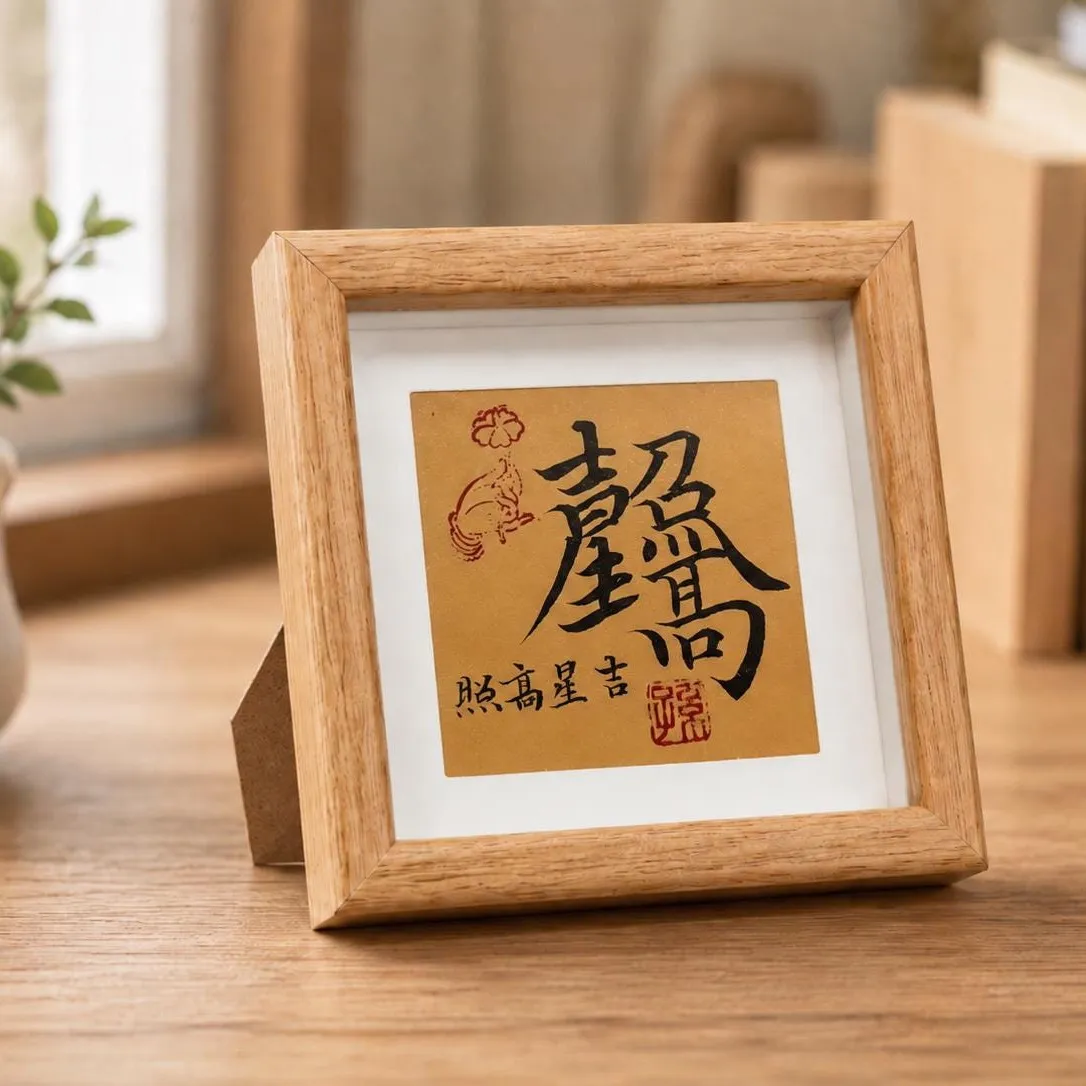
Photo shows a sample — yours will be brushed with 畅, or any character you choose.
Desk Frame — for desks, studies & studiosfrom $44→ -
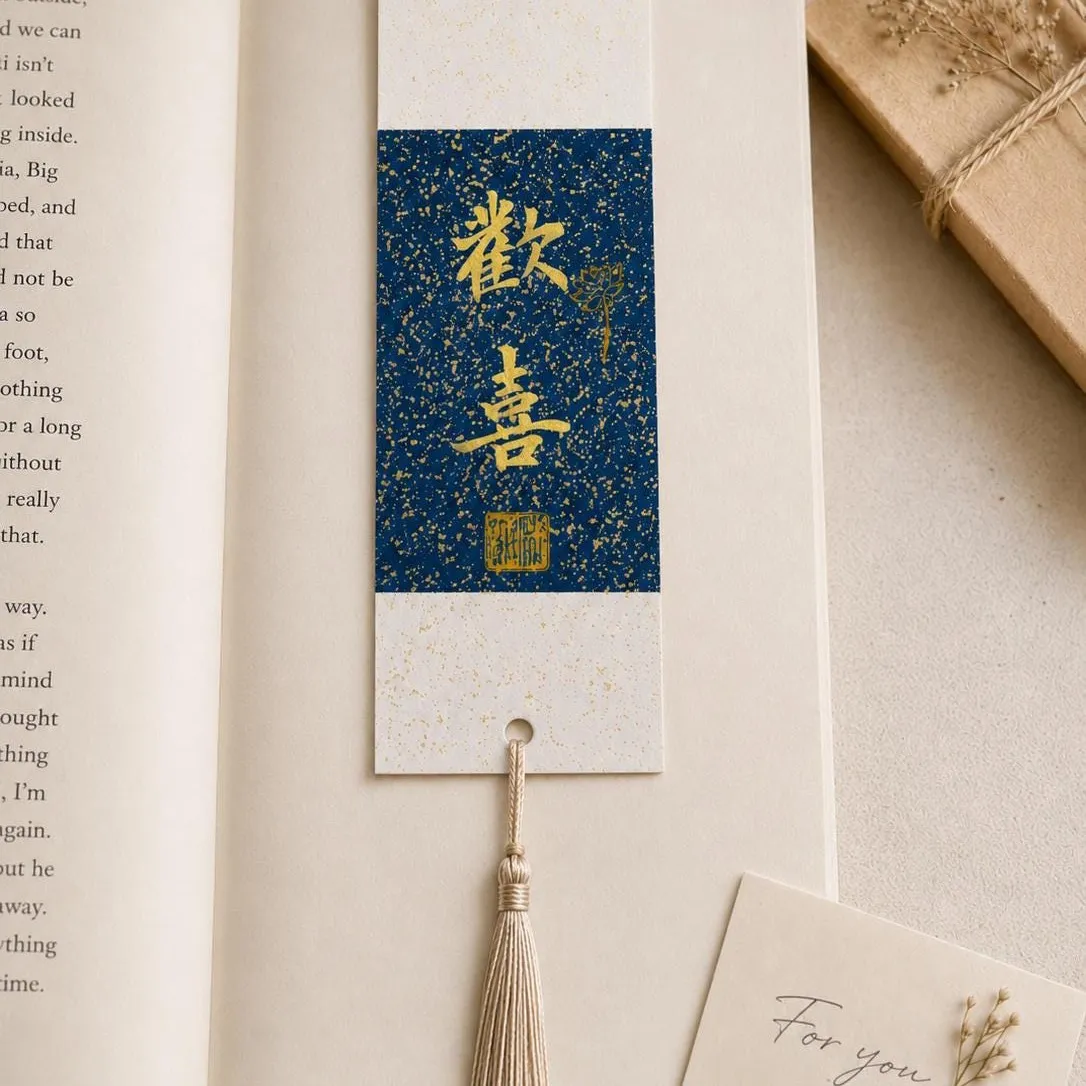
Photo shows a sample — yours will be brushed with 畅, or any character you choose.
Bookmark — for readers & small thank-yousfrom $14→
What people said after it arrived.
-
The item is fantastic. The customer service was genuine. Thanks!
— M.Verified purchase · from our Etsy shop reviews · -
They were great they gave me exactly what I asked for and then some. Thank you!!
— G.Verified purchase · from our Etsy shop reviews · -
It is well designed and customized. My daughter loves it. Amazing gift for family’s d friends
— S.Verified purchase · from our Etsy shop reviews ·
Each "畅" is hand-brushed by FuBlessings on rice paper.
See 畅 (Chàng) on Etsy →